Sports and Outdoor Clothing
CN → US| HS编码 | 关税税率 | 原产国 | 目的国 | 文档 |
|---|---|---|---|---|
| 6211325050 | 25.6% | CN | US | 官方文档 |
| 6109901049 | 49.5% | CN | US | 官方文档 |
| 6109100027 | 34.0% | CN | US | 官方文档 |
| 6211335035 | 33.5% | CN | US | 官方文档 |
| 6201404500 | 24.6% | CN | US | 官方文档 |
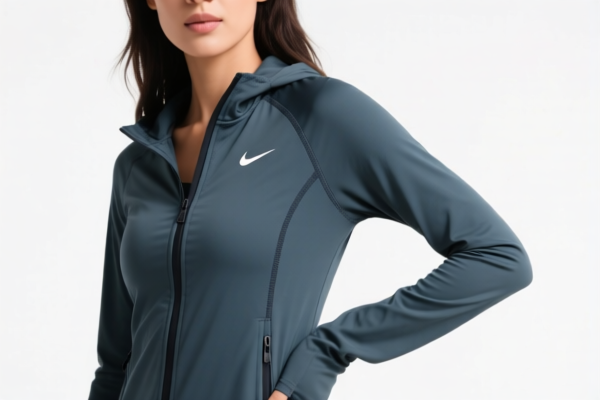
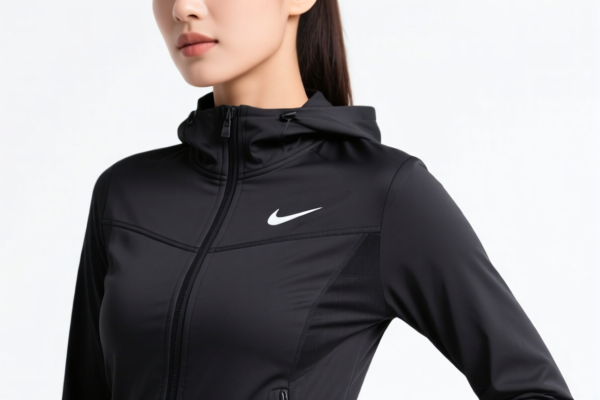
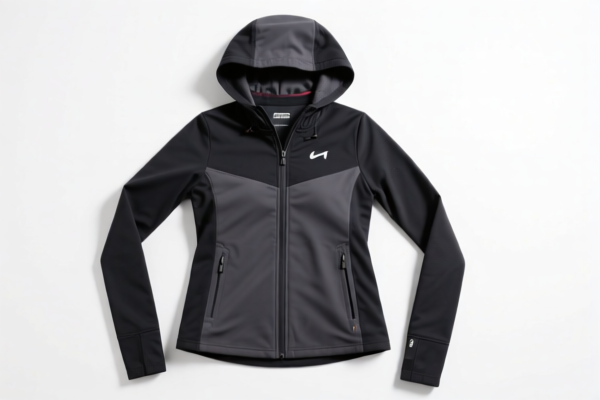
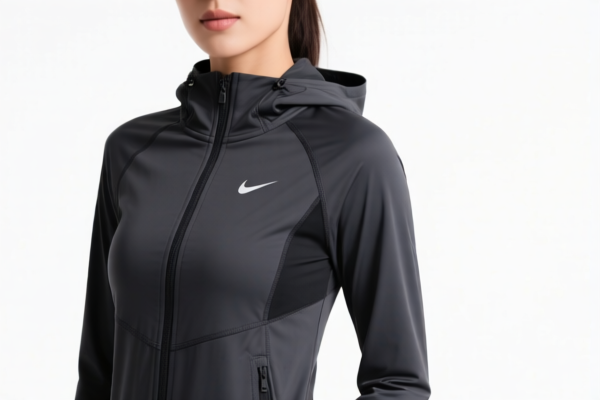
商品图片
AI分析
🏃♂️🧥 Sports & Outdoor Clothing (Sportswear)
🌐 HS Code Reference & Clearance Guide | 2026 Tariff Breakdown | Strategic US Clearance Strategy
📌 Part 1: Product Definition & Classification — Do You Know Your "Sportswear"?
Sports and outdoor clothing covers a vast range of apparel designed for athletic performance, recreational activities, or outdoor protection. In international trade, this category is split based on fabric structure (knitted vs. woven) and material composition (cotton, synthetic, etc.).
- Woven Sportswear (Knitted/Not Knitted): Jackets, track suits, trousers made from non-knitted fabric (e.g., nylon windbreakers, polyester track pants).
- Knitted Sportswear (T-shirts, Jerseys): T-shirts, vests, and tops made from knitted or crocheted fabric (e.g., cotton or polyester blends).
⚠️ Critical Distinction for US Customs: * Woven Fabrics (Chapter 62): Typically jackets, pants, and suits. Risk: High tariff volatility if classified as "outerwear" vs. "sportswear." * Knitted Fabrics (Chapter 61): T-shirts, singlets, jerseys. Risk: Higher base tariffs for synthetic fibers vs. cotton.
📦 Part 2: HS Code Classification Details (2026 Authoritative Tariff Match)
Based on your specific product data, here is the breakdown of why items fall under these specific codes:
| HS Code | Product Description | Why It Classifies Here (Logic) | Material/Structure |
|---|---|---|---|
| 6211.32.50.50 | Woven Sportswear | Logic: Classified as "Track suits, swimsuits, and general sportswear" (Woven). Matches the description of "sport clothing" with functions consistent with sports suits. No material conflict found. | Woven (Non-knitted) Material: Unspecified/General |
| 6109.90.10.49 | Knitted T-Shirts (Synthetic) | Logic: Fits "T-shirts, singlets, and other vests" (Knitted). Matches the shape and usage. Material is inferred to be Artificial Fibers (Synthetic), fitting the "Other" category for knitted tops. | Knitted/Crocheted Material: Artificial Fiber |
| 6109.10.00.27 | Knitted T-Shirts (Cotton) | Logic: Fits "T-shirts... of cotton". Matches the knitted/crochet nature. Material inferred as Cotton or Polyester, specifically falling under the cotton subheading for this tariff code. | Knitted/Crocheted Material: Cotton |
| 6211.33.50.35 | Woven Sportswear (Synthetic) | Logic: Matches "Sportswear, track suits, etc." (Woven). Material inferred to be Artificial Fibers or other synthetic blends. Consistent with woven outerwear function. | Woven (Non-knitted) Material: Artificial Fiber |
| 6201.40.45.00 | Men's Outdoor Outerwear | Logic: Specifically for "Trousers, Anoraks, Windcheaters, Water-proof jackets, etc." (Men's). Matches the "Outdoor" usage and jacket/coat morphology. Material is inferred as Non-Cotton Artificial Fibers. | Woven (Non-knitted) Material: Synthetic (Non-Cotton) |
🔍 Key Takeaway:
The difference between 6109 (Knitted T-shirts) and 6211 (Woven Sportswear) is the fabric structure.
Knitted = Stretchy, jersey-like (6109).
Woven = Structured, jacket/pants-like (6211/6201).
Men's Outdoor Jackets (6201)* often carry different duty risks than general sportswear.
💰 Part 3: 2026 US Tariff Rate Breakdown (Detailed Clauses)
✅ Destination: United States (US)
✅ Origin: China (CN)
✅ Regime: Section 301 + Section 122 + Section 232 (if applicable)
✅ Effective Date: Current 2026 Tariff Structure
🎯 1. Woven Sportswear (HS: 6211.32.50.50)
Total Tax Rate: 25.6%
| Component | Rate | Legal Clause Explanation |
|---|---|---|
| Base Tariff | 8.1% | Standard Most-Favored-Nation (MFN) rate for woven sportswear. |
| Section 301 (Additional) | 7.5% | Additional duty imposed under US Trade Act Section 301. |
| Section 122 Tariff | 10.0% | Specific "Section 122" tariff targeting specific apparel categories (often related to trade balance adjustments). |
| Total | 25.6% | 8.1 + 7.5 + 10.0 |
📌 Why so high?
Woven sportswear from China faces a "triple-layer" tariff. The Section 122 clause is a critical add-on that significantly impacts margins for synthetic woven items.
🎯 2. Knitted Synthetic T-Shirts (HS: 6109.90.10.49)
Total Tax Rate: 49.5%
| Component | Rate | Legal Clause Explanation |
|---|---|---|
| Base Tariff | 32.0% | High MFN rate for knitted garments made of artificial fibers. |
| Section 301 (Additional) | 7.5% | Standard Section 301 surcharge. |
| Section 122 Tariff | 10.0% | Mandatory 122 clause for this category. |
| Total | 49.5% | 32.0 + 7.5 + 10.0 |
📌 Critical Warning:
KNITTED SYNTHETIC T-SHIRTS ARE THE MOST EXPENSIVE.
The base tariff of 32% alone is exceptionally high for apparel. Combined with Section 122, this category faces nearly 50% in duties. Strategy: If possible, switch to Cotton (6109.10) or move production.
🎯 3. Knitted Cotton T-Shirts (HS: 6109.10.00.27)
Total Tax Rate: 34.0%
| Component | Rate | Legal Clause Explanation |
|---|---|---|
| Base Tariff | 16.5% | Lower MFN rate for cotton knitted garments compared to synthetics. |
| Section 301 (Additional) | 7.5% | Standard Section 301 surcharge. |
| Section 122 Tariff | 10.0% | Mandatory 122 clause. |
| Total | 34.0% | 16.5 + 7.5 + 10.0 |
📌 Strategy:
Cotton is significantly cheaper to import than synthetic knitted shirts in the US. 6109.10 (Cotton) saves ~15.5% in base duty compared to 6109.90 (Synthetic).
🎯 4. Woven Synthetic Sportswear (HS: 6211.33.50.35)
Total Tax Rate: 33.5%
| Component | Rate | Legal Clause Explanation |
|---|---|---|
| Base Tariff | 16.0% | MFN rate for woven synthetic sportswear. |
| Section 301 (Additional) | 7.5% | Standard Section 301 surcharge. |
| Section 122 Tariff | 10.0% | Mandatory 122 clause. |
| Total | 33.5% | 16.0 + 7.5 + 10.0 |
📌 Note:
Woven synthetic sportswear (6211.33) is cheaper than knitted synthetic (6109.90) but more expensive than woven cotton (6211.32).
🎯 5. Men's Outdoor Jackets (HS: 6201.40.45.00)
Total Tax Rate: 24.6%
| Component | Rate | Legal Clause Explanation |
|---|---|---|
| Base Tariff | 7.1% | Low MFN rate for specific men's outerwear (non-cotton synthetic). |
| Section 301 (Additional) | 7.5% | Standard Section 301 surcharge. |
| Section 122 Tariff | 10.0% | Mandatory 122 clause. |
| Total | 24.6% | 7.1 + 7.5 + 10.0 |
📌 Sweet Spot:
Men's Outdoor Jackets (6201) have the lowest base tariff (7.1%) among the list, making them the most cost-effective category for US import if classified correctly as "Outdoor Outerwear" rather than general sportswear.
🛠️ Part 4: US Clearance Practical Advice (Action Plan)
✅ 1. Documentation Checklist (Must-Haves)
| Document | Requirement | Why It Matters |
|---|---|---|
| Detailed Material Composition | 100% Cotton vs. Polyester vs. Blends | Critical: Determines if you pay 32% (Synthetic) or 16.5% (Cotton) base tariff. |
| Knitted vs. Woven Certification | Lab test report (ISO/ASTM) | Critical: Distinguishes between Chapter 61 (Knitted) and Chapter 62 (Woven). |
| Function Description | "Windproof," "Water-repellent," "Sports-specific" | Justifies 6201 (Outdoor) vs. 6211 (General Sport) to reduce base rates. |
| Country of Origin | Certificate of Origin (CO) | Confirms China origin to apply 301/122 duties accurately. |
| Photos (Internal/External) | Clear shots of fabric texture, seams, labels | Customs officers may request physical verification of "Knitted" vs "Woven". |
✅ 2. Declaration Strategy (The "Golden Rules")
🔥 "Structure First, Material Second, Function Third!"
| Scenario | Correct Classification | Common Mistake | Consequence |
|---|---|---|---|
| Cotton T-Shirt | 6109.10.00.27 |
Report as 6109.90 (Synthetic) |
Overpay ~15.5% on base duty. |
| Synthetic Track Jacket | 6211.33.50.35 |
Report as 6211.32 (Generic) |
Overpay ~7.5% on base duty. |
| Men's Rain Jacket | 6201.40.45.00 |
Report as 6211 (Sportswear) |
Overpay ~9% on base duty. |
| Generic "Sports Shirt" | 6109.90.10.49 (if synthetic) |
Report as 6109.10 (if cotton) |
Penalty + Audit Risk if material differs. |
✅ 3. Special "Section 122" Warning
- The Clause: The 10% Section 122 Tariff applies to ALL items in this list. It is a non-negotiable surcharge for Chinese apparel exports to the US.
- The Impact: Even if you negotiate a 50% discount on the product, the 10% government tax is unavoidable unless you use a duty exemption program (e.g., specific trade agreements, which are rare for China).
- Strategy: You cannot avoid the 10%, but you CAN optimize the Base Tariff by:
- Choosing Cotton over Synthetic for knitted items (16.5% vs 32%).
- Classifying as Outerwear (6201) rather than general sportswear (6211) where applicable (7.1% vs 8.1-16%).
🌍 Part 5: Global Market Comparison (US vs. Others)
| Market | Recommended HS Code Strategy | Tariff Impact | Note |
|---|---|---|---|
| 🇺🇸 USA | 6201 (Lowest Base) or 6109.10 (Cotton) |
24.6% - 49.5% | Highest Risk. Section 122 + 301 makes synthetic knits very expensive. |
| 🇪🇺 EU | Standard MFN (No Section 301/122) | ~6% - 12% | No Section 122. Only standard EU duties. Better for synthetics. |
| 🇨🇦 Canada | Standard MFN | ~8% - 14% | CUSMA agreement may apply for some goods, but not all apparel. |
| 🇨🇳 China | Domestic Import | ~4% - 8% | No Section 301/122. Lowest cost if selling in China. |
📌 Conclusion:
The US market is the hardest for Chinese apparel due to the "Triple Tax" (Base + 301 + 122).
Survival Strategy: Focus on Cotton products and Men's Outerwear (6201) to minimize the base tariff burden. Avoid Synthetic Knitted T-shirts unless the value-add is extremely high.
📌 Part 6: Common Pitfalls & "Blood Tears" Lessons
❌ Mistake 1: Labeling a Cotton T-Shirt as "Sportswear" without specifying material.
👉 Result: Customs classifies it as "Other" (Synthetic) → 49.5% Tax instead of 34%.
👉 Fix: Explicitly state "100% Cotton" on the Commercial Invoice and Packing List.
❌ Mistake 2: Reporting a Men's Windbreaker as "Sports Suit" (6211).
👉 Result: You pay 16.0% base instead of 7.1% base → Overpayment of ~9%.
👉 Fix: Ensure the product description emphasizes "Outdoor," "Waterproof," or "Anorak" to trigger 6201.
❌ Mistake 3: Ignoring the Section 122 clause in cost calculations.
👉 Result: Profit margins vanish because the 10% surprise tax was not factored in.
👉 Fix: Always include a 10% contingency buffer for Section 122 duties in your pricing models.
✅ Correct Action:
"Specify Material % (Cotton vs. Synthetic), Define Structure (Knitted/Woven), and Claim Functional Status (Outdoor/Sport) to minimize Base Tariff."
🎯 Part 7: Final Verdict – Strategic Recommendation
🎯 Key Takeaway for 2026 US Imports:
- Avoid:
6109.90.10.49(Synthetic Knitted T-shirts) → 49.5% Tax is a killer. - Target:
6201.40.45.00(Men's Outdoor Jackets) → 24.6% Tax is the most efficient entry point. - Optimize:
6109.10.00.27(Cotton T-shirts) → 34.0% Tax is the best "T-shirt" option.
🔹 Rule of Thumb:
"Woven > Knitted, Cotton > Synthetic, Outdoor > General Sport."
Follow this hierarchy to slash your duty burden.
📣 Immediate Action:
📞 Verify Material Tags: Are they 100% Cotton? Or Poly?
📞 Check Fabric Structure: Is it woven or knitted?
📞 Review Product Photos: Does it look like an "Outdoor Jacket" (6201) or "Track Suit" (6211)?
🚀 Update your HS Code database before shipping.
✨ Professional Clearance Starts with Precision!
💼 Every 1% of duty saved is 1% more profit.
用户评价
关于 HS 编码归类
协调制度(HS)是由世界海关组织(WCO)制定的国际贸易商品分类标准。全球 200 多个国家采用 HS 系统作为海关关税、贸易统计和进出口监管的基础。
每个 HS 编码遵循以下层级结构:
- 章(2 位)——商品大类(例如:第 84 章:机器和机械设备)
- 品目(4 位)——章内的更具体分类
- 子目(6 位)——国际通用细分,所有 WCO 成员国统一使用
- 本国细分(8-10 位)——各国自行扩展的细分编码,如美国 HTSUS 10 位编码
正确的 HS 编码归类对于顺利通关、准确缴纳关税和遵守贸易法规至关重要。错误归类可能导致海关延误、多缴关税或罚款。
从CN进口到US时,适用的关税税率可能包括:
- 最惠国(MFN)税率——适用于 WTO 成员国的标准关税税率
- 普通税率——适用于无贸易协定国家
- 贸易救济关税——附加关税,如 301 条款(反倾销)、232 条款(国家安全)或反补贴税
本页内容仅供参考。如需正式归类,请咨询当地海关或持牌报关代理。