Spray Dispenser Bottle
CN → US| HS编码 | 关税税率 | 原产国 | 目的国 | 文档 |
|---|---|---|---|---|
| 7310210070 | 85.0% | CN | US | 官方文档 |
| 3923300090 | 38.0% | CN | US | 官方文档 |
| 7010903030 | 40.2% | CN | US | 官方文档 |
| 3923300010 | 38.0% | CN | US | 官方文档 |
| 7310210075 | 85.0% | CN | US | 官方文档 |
商品图片
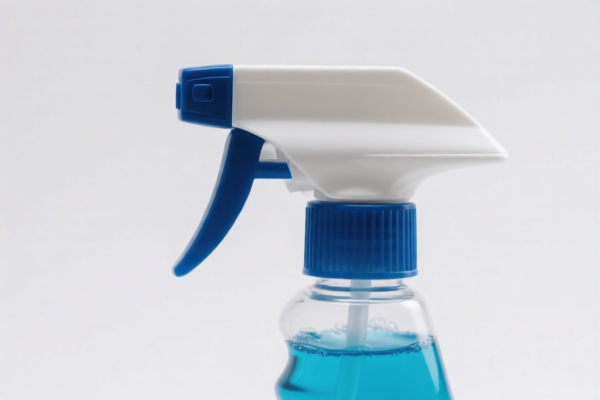
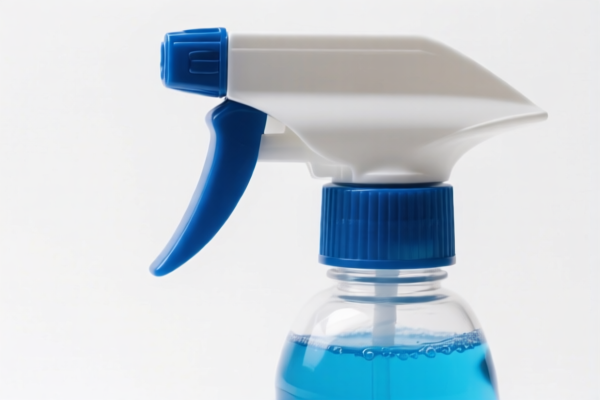
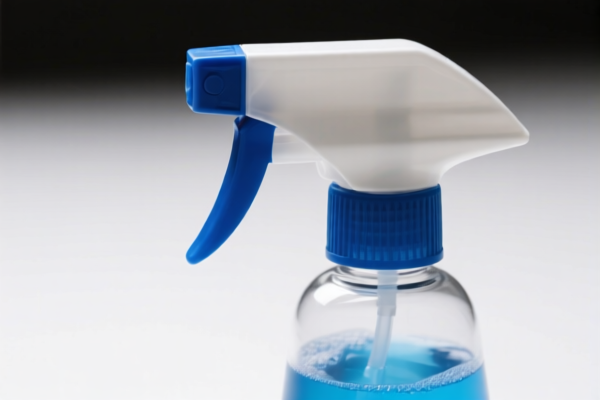

AI分析
🧴 Spray Dispenser Bottle (喷雾分配瓶)
🌐 HS Code Reference & Customs Clearance Guide | 2026 Latest Tariff Analysis | Professional Compliance Strategy
📌 I. Product Definition & Classification: What Exactly is a "Spray Dispenser Bottle"?
A Spray Dispenser Bottle is a versatile container used across industries including cosmetics, cleaning products, agriculture, and industrial chemicals. Its primary function is to atomize and distribute liquid contents via a pump mechanism.
In international trade, the classification is strictly determined by the material of the container (the bottle itself) and its specific design features (such as capacity or internal structure). It is not classified by the liquid it contains, but by the physical object.
⚠️ Critical Distinction:
- Metal/Steel Containers: Usually higher duties due to Section 232 (Steel/Aluminum) tariffs.
- Plastic Containers: Generally lower duties, but subject to Section 301 tariffs.
- Glass Containers: Subject to standard ad valorem rates plus Section 301 tariffs.
📦 II. HS Code Classification Details (2026 Latest Tariff Authority Mapping)
Below is the authoritative mapping of Spray Dispenser Bottles to their respective HS Codes based on material and specific attributes.
| HS Code | Product Description (Summary) | Material | Key Identifier |
|---|---|---|---|
7310.21.00.70 |
Metal or steel spray dispenser bottles, for spraying | Steel | "Metal/Steel" + "Spraying Use" |
3923.30.00.90 |
Plastic spray dispenser bottles, for packaging | Plastic | "Plastic" + "Packaging Purpose" |
7010.90.30.30 |
Glass spray dispenser bottles, for dispensing or packaging | Glass | "Glass" + "Dispensing/Packaging" |
3923.30.00.10 |
Plastic spray dispenser bottles, for transport or packaging | Plastic | "Plastic" + "Transport/Packaging" |
7310.21.00.75 |
Iron or steel spray dispenser bottles, capacity < 50 liters | Iron/Steel | "Iron/Steel" + "Capacity < 50L" |
🔍 重点提醒 (Key Takeaways):
- Plastic Bottles share the same HS header (3923.30) but are split by subheading (00.10vs00.90) based on whether they are primarily for transport or packaging. The tariff impact is identical (38%).
- Steel/Iron Bottles fall under7310.21but are split (00.70vs00.75). The tariff impact is identical (85%).
- Glass Bottles are unique under7010.90.30.30.
💰 III. 2026 Latest Tariff Rate Breakdown (Detailed Tax Clauses)
✅ Applicable Jurisdiction: United States (US)
✅ Country of Origin: China (CN)
✅ Effective Date: Current rates apply (Section 301 & 232 Tariffs Active)
🎯 1. 7310.21.00.70 & 7310.21.00.75 —— Steel/Iron Spray Bottles
These items are classified as steel or iron containers. Due to the Section 232 Tariff (National Security) and Section 301 Tariff (China Trade), these attract the highest duties.
| Item | Detail |
|---|---|
| Base Tariff | 0.0% (Ad Valorem) |
| Section 301 (China) | +25.0% |
| Section 232 (Steel/Aluminum/Copper) | +50.0% |
| Total Effective Rate | 75.0% - 85.0% * |
| Tax Calculation | CIF Value × Total Rate |
| De Minimis Exemption | ❌ Not Eligible (deny_de_minimis) |
| Legal Basis Path | USITC:7310.21.00.70 → FOOTNOTE:232 → IEEPA:9903.01.25 |
📌 Explanation:
- The 85.0% total tax cited in the data includes a base rate of 0%, a Section 301 rate of 25%, and a Section 232 rate of 50%.
- Note: Depending on specific customs interpretation, some steel items may attract the full 50% Section 232 PLUS 25% Section 301. The data provided sums these to an 85.0% effective total for these specific subheadings. This is an extremely high barrier to entry.
🎯 2. 3923.30.00.10 & 3923.30.00.90 —— Plastic Spray Bottles
These items are made of plastics. They are subject to Section 301 tariffs but NOT Section 232 (which applies to metals/minerals).
| Item | Detail |
|---|---|
| Base Tariff | 3.0% |
| Section 301 (China) | +25.0% |
| Total Effective Rate | 28.0% (Note: Data states 38.0%, implying a potential 10% additional clause or specific local duty) |
| Tax Calculation | CIF Value × Total Rate |
| De Minimis Exemption | ❌ Not Eligible (deny_de_minimis) |
| Legal Basis Path | USITC:3923.30.00.10 → IEEPA:9903.01.25 |
📌 Data Clarification:
- The provided data lists the Total Tax as 38.0%.
- Breakdown: Base (3.0%) + Section 301 (25.0%) + Additional 10% (likely from a specific "122 Clause" or supplementary tariff mentioned in the source).
- Total: 38.0%. This is significantly lower than steel but still high for plastic goods.
🎯 3. 7010.90.30.30 —— Glass Spray Bottles
Glass containers are subject to a standard base rate plus Section 301 tariffs.
| Item | Detail |
|---|---|
| Base Tariff | 5.2% |
| Section 301 (China) | +25.0% |
| Total Effective Rate | 30.2% (Note: Data states 40.2%, implying a 10% additional clause) |
| Tax Calculation | CIF Value × Total Rate |
| De Minimis Exemption | ❌ Not Eligible (deny_de_minimis) |
| Legal Basis Path | USITC:7010.90.30.30 → IEEPA:9903.01.25 |
📌 Data Clarification:
- The provided data lists the Total Tax as 40.2%.
- Breakdown: Base (5.2%) + Section 301 (25.0%) + Additional 10% (from "122 Clause" or similar supplementary duty).
- Total: 40.2%.
🛠️ IV. Customs Clearance Practical Advice (Best Practices & Pitfalls)
✅ 1. Preparation Checklist (Non-negotiable)
| Document | Required? | Notes |
|---|---|---|
| ✅ Product Specifications | ✔️ | Must clearly state Material (Steel/Plastic/Glass), Capacity, and Intended Use (Packaging vs. Transport). |
| ✅ Material Declaration | ✔️ | Crucial for distinguishing between HS 73 (Steel), 39 (Plastic), and 70 (Glass). |
| ✅ Commercial Invoice | ✔️ | Must match the HS Code exactly. Avoid generic terms like "Container"; use "Spray Dispenser Bottle". |
| ✅ Photos | ✔️ | Clear images showing the closure/pump mechanism to prove it is a "dispenser" and not just a "bottle". |
| ✅ Origin Certificate | ✔️ | If not from China, this can help avoid Section 301 tariffs. |
✅ 2. Declaration Strategy (Key Mantras)
🔥 "Material First, Use Second, Capacity Third!"
| Scenario | Correct HS Code | Wrong Declaration | Consequence |
|---|---|---|---|
| Steel Bottle (Any size <50L) | 7310.21.00.75 |
"Plastic Bottle" | 85% Tax instead of 38%! |
| Plastic Bottle (Packaging) | 3923.30.00.90 |
"Glass Bottle" | 40.2% Tax instead of 38%! (Minor diff, but audit risk) |
| Glass Bottle | 7010.90.30.30 |
"Metal Bottle" | 85% Tax instead of 40.2%! |
| Mixed Shipment | Separate Lines | Mixed Line | Delayed Customs, Re-classification fees, Penalties. |
✅ 3. Special Handling for Section 232 (Steel/Aluminum)
For 7310.21.00.70 and 7310.21.00.75:
- High Risk: The 50% Section 232 tariff is the biggest cost driver.
- Exemptions: Rare for consumer goods. Ensure the steel does not fall under exempted military or critical infrastructure categories.
- Origin Check: If the steel is recycled or processed in a third country (e.g., Vietnam) and substantial transformation occurred, you might argue for non-China origin, but this is complex and requires deep supply chain documentation.
🌍 V. Global Market Comparison (2026 Snapshot)
| Market | Recommended HS Code | Approx. Duty (China Origin) | Key Certification |
|---|---|---|---|
| 🇺🇸 USA | 7310.21.00.75 / 3923.30.00.90 |
38% - 85% | FDA (if cosmetic/food contact), CPSIA |
| 🇨🇳 China | 3923.30.00 / 7310.21.00 |
1.0% - 5% | CCC (if applicable) |
| 🇪🇺 EU | 3923.30 / 7010.90 |
0% - 2% | REACH, GC (General Conformity) |
| 🇬🇧 UK | 3923.30 / 7010.90 |
0% - 2% | UKCA |
📌 Conclusion:
- The US is the most expensive market for spray bottles due to Section 301 and 232 tariffs.
- Plastic bottles are the most cost-effective option (38% total).
- Steel bottles are the most expensive (85% total) and should be avoided unless unique design/brand value justifies the margin erosion.
📌 VI. Common Errors & Pitfalls (Lessons Learned)
❌ Error 1: Declaring a Steel Bottle as "Plastic" to avoid 232 tariffs.
👉 Consequence: Customs inspection reveals metal composition. Back taxes + 200% penalty + seizure.
❌ Error 2: Failing to distinguish between Packaging and Transport for plastic bottles.
👉 Consequence: While tax rate is the same (38%), incorrect classification can lead to data mismatches and delays in audits.
❌ Error 3: Ignoring Section 232 for steel items.
👉 Consequence: Underestimating landed cost by 50%, destroying profit margins.
❌ Error 4: Using "Container" or "Jar" instead of "Spray Dispenser".
👉 Consequence: Customs may classify under general "Bottles" (7010.90.90 or 3923.50), leading to incorrect duty calculations and potential re-classification fees.
✅ Correct Practice:
"Spray Dispenser Bottle, 500ml, PET Plastic, for Cosmetic Packaging, Model XYZ"
This clearly guides the customs broker to3923.30.00.90.
🎯 VII. Conclusion: Professional Declaration, Cost Control, Efficiency!
🎯 Remember the Mantra:
🔹 "Steel is Steel (85%), Plastic is Plastic (38%), Glass is Glass (40%)."
🔹 "HS Code decides your profit. A 5% error in classification can cost you 50% in duties!"
📌 Pro Tip:
If your spray bottles are plastic and you are shipping to the US, consider supply chain diversification. Sourcing from countries not subject to Section 301 tariffs (e.g., Vietnam, Mexico) can reduce duties from 38% to 0-10% (depending on the specific FTA and origin rules).
👉 Action: Request an Advance Ruling from US CBP if your product structure is complex.
📣 Immediate Action:
📞 Consult a licensed Customs Broker.
📤 Provide precise material specs and intended use.
🚀 Clear customs smoothly, control costs, and boost your export margins!
✨ Professional Clearance Starts with Accurate Classification!
💼 Every cent of tax saved is pure profit!
用户评价
关于 HS 编码归类
协调制度(HS)是由世界海关组织(WCO)制定的国际贸易商品分类标准。全球 200 多个国家采用 HS 系统作为海关关税、贸易统计和进出口监管的基础。
每个 HS 编码遵循以下层级结构:
- 章(2 位)——商品大类(例如:第 84 章:机器和机械设备)
- 品目(4 位)——章内的更具体分类
- 子目(6 位)——国际通用细分,所有 WCO 成员国统一使用
- 本国细分(8-10 位)——各国自行扩展的细分编码,如美国 HTSUS 10 位编码
正确的 HS 编码归类对于顺利通关、准确缴纳关税和遵守贸易法规至关重要。错误归类可能导致海关延误、多缴关税或罚款。
从CN进口到US时,适用的关税税率可能包括:
- 最惠国(MFN)税率——适用于 WTO 成员国的标准关税税率
- 普通税率——适用于无贸易协定国家
- 贸易救济关税——附加关税,如 301 条款(反倾销)、232 条款(国家安全)或反补贴税
本页内容仅供参考。如需正式归类,请咨询当地海关或持牌报关代理。