Squirrel Proof Baffles
CN → US| HS编码 | 关税税率 | 原产国 | 目的国 | 文档 |
|---|---|---|---|---|
| 7326908688 | 87.9% | CN | US | 官方文档 |
| 7326190080 | 87.9% | CN | US | 官方文档 |
| 8306290000 | 10.0% | CN | US | 官方文档 |
| 8306100000 | 15.8% | CN | US | 官方文档 |
| 3926305000 | 22.8% | CN | US | 官方文档 |
商品图片
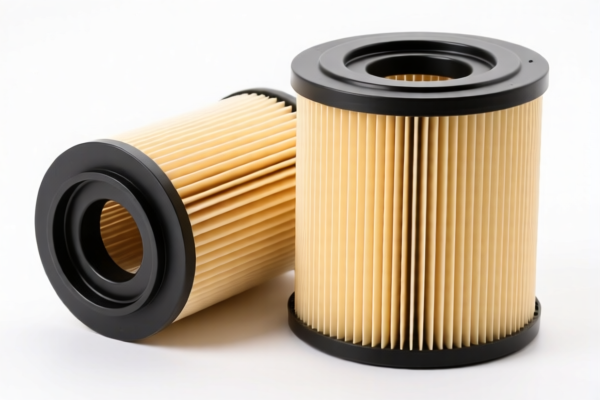
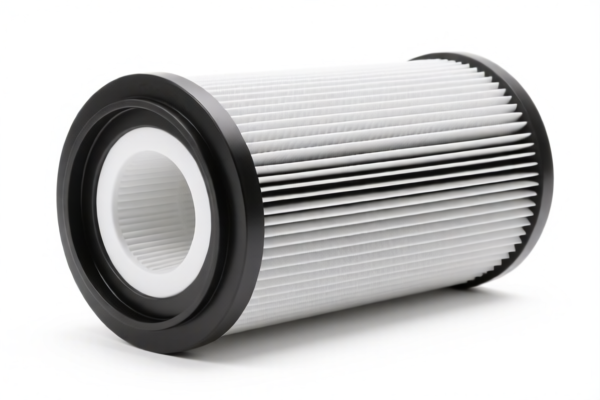
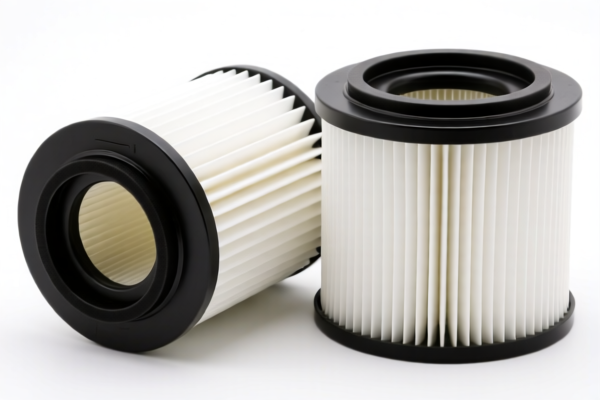
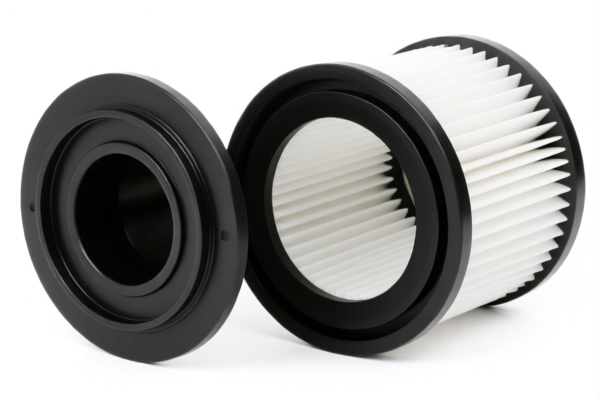
AI分析
🐿️ Squirrel Proof Baffles (Bird Feeder/Chimney Guards)
🌐 HS Code Reference & Customs Clearance Guide | 2026 Latest Tariff Analysis | Strategic Clearance Strategy for Metal & Plastic Components
📌 1. Product Definition & Classification: What is a "Squirrel Proof Baffle" really?
A Squirrel Proof Baffle is a device designed to prevent squirrels and other climbing animals from accessing bird feeders, chimneys, or structural supports. In international trade, the classification depends entirely on the material composition and intended function.
Key Distinctions: * Metal Baffles (Steel/Iron): Cylindrical or conical metal shields attached to poles or chimneys. They act as physical barriers. * Plastic Baffles: Polymer-based shields, often injection-molded. * Decorative vs. Functional: Some metal baffles are designed with aesthetic finishes, blurring the line between "tool/fixture" and "decoration."
⚠️ Critical Classification Point: * If made of Iron/Steel and used as a fixture/support → Often falls under 7326 (Other articles of iron/steel). * If made of Plastic → Falls under 3926 (Other articles of plastic). * If classified as Decoration/Fixture (less common for pure functional baffles, but possible for decorative metal covers) → 8306.
📦 2. HS Code Breakdown (Based on Provided Data)
| HS Code | Product Description | Material | Total Tax Rate | Tax Composition |
|---|---|---|---|---|
7326.90.86.88 |
Iron/Steel Plates/Barriers: Classified as parts/brackets of other iron/steel articles. | Iron/Steel | 87.9% | Base: 2.9% + Add-on: 25.0% + Section 122 (Steel): 10% + Other: 50% |
7326.19.00.80 |
Steel Articles: Catch-all category for other steel articles. | Iron/Steel | 87.9% | Base: 2.9% + Add-on: 25.0% + Section 122 (Steel): 10% + Other: 50% |
8306.29.00.00 |
Decorative/Functional Components: Other ornaments and parts (catch-all for decorations). | Mixed/Metal | 10.0% | Base: 0.0% + Add-on: 0.0% + Section 122: 10% |
8306.10.00.00 |
Base Metal Ornaments/Parts: Articles similar to parts/ornaments of base metal. | Base Metal | 15.8% | Base: 5.8% + Add-on: 0.0% + Section 122: 10% |
3926.30.50.00 |
Plastic Articles: Other plastic articles, including connectors, fasteners, or protective components. | Plastic | 22.8% | Base: 5.3% + Add-on: 7.5% + Section 122: 10% |
💰 3. Detailed Tariff Analysis (2026 Latest Rates)
🎯 Case A: Steel/Iron Baffles (7326 Series)
HS Codes: 7326.90.86.88 or 7326.19.00.80
| Component | Rate | Source |
|---|---|---|
| Base Duty | 2.9% | General WTO Rate |
| Section 301 Add-on | 25.0% | US Trade Act (China Origin) |
| Section 122 Steel Surcharge | 10.0% | Specific Steel Article Surcharge |
| Additional Surcharge (Aluminum/Steel/Copper) | 50.0% | Specific Metal Product Surcharge |
| TOTAL EFFECTIVE RATE | 87.9% | Extremely High |
📌 Why so high? Steel baffles are classified as "Other articles of iron or steel." They attract not only the standard Section 301 tariff (25%) but also specific surcharges on steel products (10% + 50%). This makes steel baffles prohibitively expensive to import from China if this classification is enforced strictly.
🎯 Case B: Plastic Baffles (3926 Series)
HS Code: 3926.30.50.00
| Component | Rate | Source |
|---|---|---|
| Base Duty | 5.3% | General WTO Rate |
| Section 301 Add-on | 7.5% | US Trade Act (China Origin) |
| Section 122 Plastic Surcharge | 10.0% | Specific Plastic Product Surcharge |
| TOTAL EFFECTIVE RATE | 22.8% | Moderate-High |
📌 Analysis: Plastic baffles face a significantly lower tariff burden (22.8%) compared to steel (87.9%). However, the classification as "Other plastic articles" requires careful description to ensure it doesn't fall under more specific plastic component codes with higher duties.
🎯 Case C: Decorative/Fixture Classification (8306 Series)
HS Codes: 8306.29.00.00 or 8306.10.00.00
| Component | Rate | Source |
|---|---|---|
| Base Duty | 0.0% - 5.8% | Varies by subheading |
| Section 301 Add-on | 0.0% | None (for 8306.29) or None (for 8306.10) |
| Section 122 Surcharge | 10.0% | Applies to both |
| TOTAL EFFECTIVE RATE | 10.0% - 15.8% | Lowest Option |
📌 Strategic Insight: If the baffle can be argued as a "decorative component" or "ornament" (e.g., a decorative metal cap on a chimney that also acts as a baffle), it may qualify for
8306. This avoids the heavy steel surcharges. However, purely functional baffles are often rejected from this category by customs if no decorative intent is proven.
🛠️ 4. Customs Clearance Strategy & Recommendations
✅ 1. Material Matters: Choose Plastic if Cost is Key
- Recommendation: If the product is purely functional and aesthetics are minimal, Plastic (
3926.30.50.00) is the most cost-effective entry at 22.8%. - Warning: Do not mix materials. A steel core with plastic coating may still be classified as steel (
7326), triggering the 87.9% rate.
✅ 2. Avoid Steel Classifications Unless Unavoidable
- Risk: Steel baffles (
7326) incur a 87.9% effective tariff. This is nearly 4x the rate of plastic. - Mitigation: If using steel, explore if it can be classified under
8306(Decorative/Ornamental).- Argument: If the baffle is designed with specific aesthetic patterns, finishes, or is sold as part of a decorative chimney cap set, you may argue for
8306.29.00.00(10% tax). - Proof Needed: Marketing materials showing decorative intent, product photos highlighting design, and descriptions emphasizing "ornamental value" alongside function.
- Argument: If the baffle is designed with specific aesthetic patterns, finishes, or is sold as part of a decorative chimney cap set, you may argue for
✅ 3. Detailed Description is Crucial
- Do Not Use: Generic terms like "Metal Part" or "Steel Plate."
- Use Precise Language:
- For Plastic: "Plastic bird feeder baffle, cylindrical, UV-resistant, used to prevent squirrel access."
- For Decorative Metal: "Decorative metal chimney cap with integrated squirrel guard, ornamental finish, base metal ornament."
✅ 4. Pre-Ruling (Advance Ruling)
- Action: Apply for a Binding Tariff Information (BTI) or Advance Ruling from US Customs and Border Protection (CBP).
- Why: Given the drastic difference between 10% (Decorative) and 87.9% (Steel), a pre-ruling is essential to avoid unexpected costs at the border.
🌍 5. Global Market Comparison (2026)
| Region | Recommended HS Code | Est. Total Duty | Notes |
|---|---|---|---|
| 🇺🇸 USA | 3926.30.50.00 (Plastic) |
22.8% | Best for functional plastic baffles. |
| 🇺🇸 USA | 7326.90.86.88 (Steel) |
87.9% | Avoid unless decorative argument is strong (8306 at 10-15.8%). |
| 🇪🇺 EU | 3926.90 (Plastic) |
~5-10% | No Section 301 surcharges. Lower duty. |
| 🇨🇳 China | 3926.90 (Plastic) |
5-10% | Import into China is cheaper for re-export. |
📌 6. Common Pitfalls & How to Avoid Them
❌ Pitfall 1: Classifying Steel as "General Metal Hardware" * Consequence: Customs may reject general hardware codes and apply specific steel surcharges (87.9%). * Solution: Always specify if it is a "plate," "barrier," or "baffle" in the context of Section 73.
❌ Pitfall 2: Ignoring Material Composition * Consequence: If a baffle has a steel bracket and plastic shield, it may be classified as steel. * Solution: Ship plastic and metal components separately if possible, or ensure the primary material is plastic.
❌ Pitfall 3: Overlooking "Decorative" Potential for Metal
* Consequence: Paying 87.9% on a metal baffle that could be argued as 10-15.8%.
* Solution: Highlight aesthetic features in product descriptions and images for 8306 classification.
🎯 7. Conclusion: Smart Classification Saves Money
🎯 Key Takeaway:
🐿️ Plastic Baffles = 22.8% Tax
🐿️ Steel Baffles = 87.9% Tax (Avoid!)
🐿️ Decorative Metal = 10-15.8% Tax (Optimize!)
✅ Action Plan:
1. Shift to Plastic: If design allows, use plastic to cut tariffs by 65%.
2. Argue Decorative Status: If steel is necessary, document and market the product as an "ornamental chimney cap" to target 8306.
3. Get Pre-Ruling: Confirm classification with CBP before shipping large volumes.
📣 Immediate Action:
📞 Consult with a customs broker to review product images and descriptions.
📄 Prepare marketing materials that emphasize decorative features if using metal.
🚀 Optimize your supply chain to avoid the 87.9% steel tax trap!
✨ Smart Classification, Smarter Profits! 💼 Every percentage point saved is profit earned!
用户评价
关于 HS 编码归类
协调制度(HS)是由世界海关组织(WCO)制定的国际贸易商品分类标准。全球 200 多个国家采用 HS 系统作为海关关税、贸易统计和进出口监管的基础。
每个 HS 编码遵循以下层级结构:
- 章(2 位)——商品大类(例如:第 84 章:机器和机械设备)
- 品目(4 位)——章内的更具体分类
- 子目(6 位)——国际通用细分,所有 WCO 成员国统一使用
- 本国细分(8-10 位)——各国自行扩展的细分编码,如美国 HTSUS 10 位编码
正确的 HS 编码归类对于顺利通关、准确缴纳关税和遵守贸易法规至关重要。错误归类可能导致海关延误、多缴关税或罚款。
从CN进口到US时,适用的关税税率可能包括:
- 最惠国(MFN)税率——适用于 WTO 成员国的标准关税税率
- 普通税率——适用于无贸易协定国家
- 贸易救济关税——附加关税,如 301 条款(反倾销)、232 条款(国家安全)或反补贴税
本页内容仅供参考。如需正式归类,请咨询当地海关或持牌报关代理。