Stainless Steel Flat Bar
CN → US| HS编码 | 关税税率 | 原产国 | 目的国 | 文档 |
|---|---|---|---|---|
| 7223009000 | 35.0% | CN | US | 官方文档 |
| 7220110000 | 17.5% | CN | US | 官方文档 |
| 7220201015 | 35.0% | CN | US | 官方文档 |
| 7225990090 | 35.0% | CN | US | 官方文档 |
| 7223005000 | 35.0% | CN | US | 官方文档 |
| 7219110060 | 35.0% | CN | US | 官方文档 |
商品图片
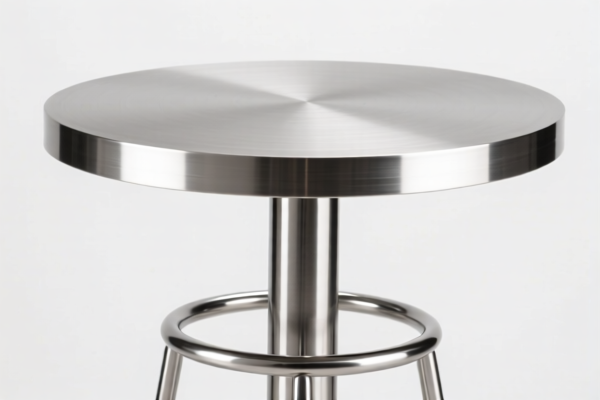
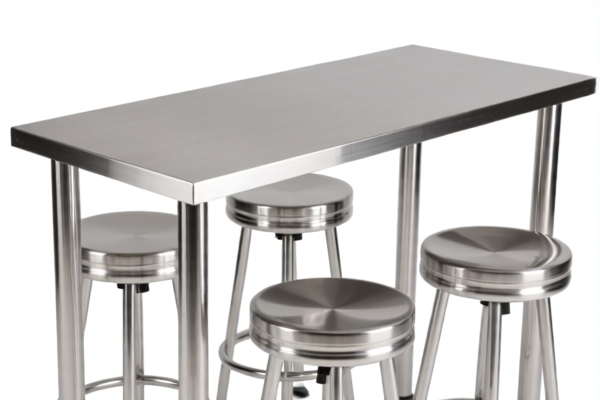
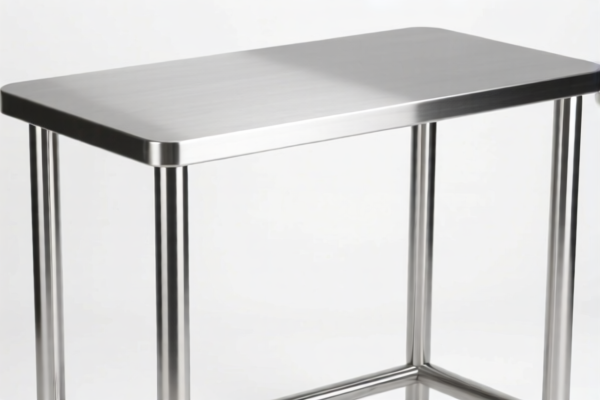
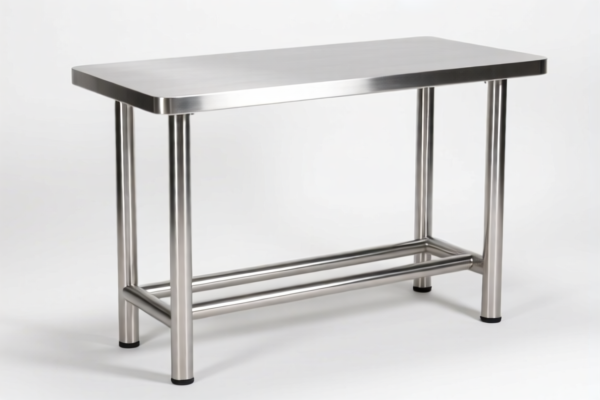
AI分析
🔩 Stainless Steel Flat Bars (扁平轧制产品)
🌐 HS Code Reference & Customs Clearance Guide | 2026 Latest Tariff Analysis | Professional Entry Strategy
📌 I. Product Definition & Classification: Understanding the "Form" vs. "Specs"
Stainless steel flat bars are elongated products with a uniform cross-section, primarily used for structural supports, architectural trim, machining blanks, and industrial fabrication. In international trade, the classification hinges on two critical factors: Chemical Composition (Ferritic, Austenitic, Martensitic, etc.) and Manufacturing Process (Hot Rolled vs. Cold Rolled/Finished).
Key Distinctions for Classification:
Hot-Rolled (HR): Thick, rough surface, generally coarser tolerance. Often falls under Chapter 72 subheadings starting with 7220 or 7225.
* Cold-Rolled/Finished (CR):* Smoother surface, tighter tolerances, often cut-to-size. Frequently classified under 7223 or specific 7219/7220 subheadings depending on width/thickness ratios.
⚠️ Critical Differentiator:
- If the product is a generic/uncategorized stainless steel flat bar not fitting specific sub-headings for width/thickness or specific grades (like high-chromium), it defaults to the "Other" category under 7223.00.90.00.
- If the product has a specific width/thickness profile matching standard hot-rolled definitions, it may fall under 7220.11.00.00 or 7220.20.10.15.
- If it is thin wire/filament form (flat wire), it may be classified as 7223.00.50.00.
📦 II. HS Code Classification Details (Based on Provided Data)
| HS Code | Product Description | Applicability Scenario | Tax Rate |
|---|---|---|---|
7223.00.90.00 |
Stainless steel flat-rolled products, other (Generic/Other) | General purpose stainless flat bars that do not fit specific sub-headings; often cold-finished or non-standard specs. | 35.0% |
7220.11.00.00 |
Stainless steel flat-rolled products, width < 600mm, hot-rolled, not clad/plated/coated | Standard hot-rolled flat bars, narrow width, basic surface finish. Best fit for specific industrial stock. | 17.5% |
7220.20.10.15 |
Stainless steel flat-rolled products, other (Specific Alloy/Category) | Flat bars with specific alloy compositions or widths that fall into this "Other" category within Chapter 72. | 35.0% |
7225.99.00.90 |
Other articles of iron or steel (Other Alloy Steel) | Caution: Sometimes classified here if the specific grade is considered "Other Alloy Steel" rather than pure Stainless per local customs interpretation, based on material consistency. | 35.0% |
7223.00.50.00 |
Stainless steel wire, other (Flat Wire) | If the "flat bar" is actually a flat wire (high length-to-width ratio, thin gauge), it is classified as wire, not bar. | 35.0% |
7219.11.00.60 |
Stainless steel flat-rolled products, width ≥ 600mm, cold-rolled, rectangular | High-volume, wide, cold-rolled flat bars. Perfect match for standard industrial supply chains. | 35.0% |
🔍 Key Insight:
- The lowest tax rate (17.5%) applies to7220.11.00.00, which typically covers hot-rolled bars under 600mm wide.
- Most other common configurations (cold-rolled, wide bars, or generic "other") fall into the 35.0% bracket.
- Misclassification of a "flat wire" as a "flat bar" (or vice versa) can lead to discrepancies in measurement units (kg vs. linear meter) and potential audits.
💰 III. 2026 Latest Tariff Rate Breakdown (Detailed Tax Components)
✅ Applicable Country: United States (US)
✅ Country of Origin: China (CN)
✅ Effective Date: Post-2025 Policy Implementation
🎯 1. The "High Tax" Scenario: 35.0% Total Rate
Applies to: 7223.00.90.00, 7220.20.10.15, 7225.99.00.90, 7223.00.50.00, 7219.11.00.60
| Tax Component | Rate | Description |
|---|---|---|
| Base Duty (MFN) | 0.0% | Most stainless steel flat-rolled products have a 0% Most Favored Nation base rate. |
| Section 301 Additional Duty | 25.0% | Imposed on Chinese-origin goods under US Trade Law Section 301. |
| Section 122 Additional Duty | 10.0% | Specific additional tariff applied to certain steel products (often referenced as "122 Clause" in customs data). |
| Total Effective Rate | 35.0% | Sum of Base (0%) + Sec 301 (25%) + Sec 122 (10%). |
| De Minimis Eligibility | ❌ NO | Steel products are strictly excluded from de minimis (Section 321) exemptions. |
📌 Explanation:
- The 25% is the standard Section 301 tariff for Chinese steel.
- The 10% is the specific steel/iron additional duty (often linked to Section 232 or specific legislative clauses like "122" in the provided data context).
- Total Cost Impact: For every $10,000 CIF value, you pay $3,500 in duties alone.
🎯 2. The "Lower Tax" Scenario: 17.5% Total Rate
Applies to: 7220.11.00.00
| Tax Component | Rate | Description |
|---|---|---|
| Base Duty (MFN) | 0.0% | 0% MFN rate. |
| Section 301 Additional Duty | 7.5% | Note: This indicates a potential exemption, partial reduction, or specific subheading benefit under current rules for this specific hot-rolled category. |
| Section 122 Additional Duty | 10.0% | The 10% steel-specific duty still applies. |
| Total Effective Rate | 17.5% | Sum of Base (0%) + Sec 301 (7.5%) + Sec 122 (10%). |
| De Minimis Eligibility | ❌ NO | Still excluded from de minimis. |
📌 Strategic Opportunity:
- If your product qualifies as hot-rolled, <600mm width, aiming for7220.11.00.00can save you 17.5% in duties compared to the standard 35% rate.
- Verification Required: Ensure the product is truly "Hot-Rolled" and meets the width specifications. Cold-rolled equivalents will not qualify for this lower rate.
🛠️ IV. Customs Clearance Practical Advice (Risk Mitigation)
✅ 1. Documentation Checklist (Mandatory)
| Document | Requirement | Purpose |
|---|---|---|
| Commercial Invoice | Must state "Stainless Steel Flat Bar" | Avoids misclassification as "General Steel" or "Wire". |
| Product Specification Sheet | Detail: Grade (e.g., 304, 316L), Width, Thickness, Length, Finish (2B, BA, Pickled). | Proves classification under specific subheadings (e.g., width <600mm). |
| Material Test Report (MTR) | Chemical composition analysis | Essential to prove "Stainless" content (e.g., Cr > 10.5%, Ni content) to avoid classification as "Iron/Steel" (higher duties). |
| Bill of Lading | Weight and Quantity | Verify units match the invoice (kg/lb). |
| Country of Origin Certificate | COO | Required for Section 301/122 duty assessment. |
✅ 2. Classification Strategy & Tips
🔥 "Correct Form, Correct Width, Correct Tax!"
| Scenario | Recommended HS Code | Why? |
|---|---|---|
| Hot-Rolled, Narrow (<600mm) | 7220.11.00.00 |
Lowest Tax (17.5%). Verify width and process. |
| Cold-Rolled or Wide (≥600mm) | 7219.11.00.60 or 7223.00.90.00 |
Standard classification for most commercial flat bars. Tax 35%. |
| Thin Flat Wire | 7223.00.50.00 |
If thickness is very low and length is long, it may be "wire," not "bar." Tax 35%. |
| Uncertain/Other Alloy | 7220.20.10.15 or 7225.99.00.90 |
Use only if product doesn't fit standard stainless definitions but is steel-based. Tax 35%. |
✅ 3. Common Pitfalls & Avoidance
| Mistake | Consequence | Solution |
|---|---|---|
| Misidentifying Hot vs. Cold Rolled | Paying 35% when 17.5% applies (or vice versa, leading to penalties) | Provide mill certificates specifying the manufacturing process. |
| Ignoring Width Specifications | Wrong subheading classification | Clearly state width in millimeters on all docs. |
| Confusing "Bar" with "Wire" | Audit risk for unit conversion errors | Define "Bar" as having a significant thickness/width ratio. Use "Wire" for high-aspect-ratio thin products. |
| Assuming De Minimis Applies | Seizure of goods | Steel is never eligible for Section 321 de minimis. Ensure full entry filing. |
🌍 V. Global Market Comparison (2026 Context)
| Region | Typical HS Code | Est. Tariff (China Origin) | Notes |
|---|---|---|---|
| 🇺🇸 USA | 7220.11.00.00 / 7223.00.90.00 |
17.5% / 35% | Includes Section 301 + Steel Specific Duties. High Barrier. |
| 🇨🇳 China | 7220 / 7223 |
0% - 5% | Import duty low. VAT applies (13%). |
| 🇪🇺 EU | 7220 / 7223 |
0% (Most cases) | No Section 301 equivalent. May have anti-dumping duties on specific Chinese steel. |
| 🇯🇵 Japan | 7220 / 7223 |
0% - 3.5% | Generally low tariffs. Verify FTAs. |
📌 Conclusion:
- The US market is the most expensive due to layered tariffs (301 + Steel Specific).
- Optimization Strategy: If your product is hot-rolled and narrow, actively pursue7220.11.00.00to reduce duty by half (from 35% to 17.5%).
- Supply Chain: For high-volume US imports, consider if origin rules or alternative processing can mitigate these costs.
📌 VI. Final Recommendations & Action Items
- Audit Your Product Specs: Measure width and verify the manufacturing process (Hot vs. Cold).
- Target the 17.5% Rate: If your bars are hot-rolled and <600mm wide, insist on
7220.11.00.00. This is a significant cost saving. - Prepare for 35%: For all other common configurations (cold-rolled, wide bars), budget for the 35% total duty.
- No De Minimis: Do not attempt to use low-value shipments to bypass duties; steel is strictly regulated.
- Professional Review: Given the complexity of "122 Clause" and Section 301 nuances, consult a licensed customs broker to validate the HS Code before shipment.
🎯 Summary Formula:
Total Duty = Base (0%) + Sec 301 (7.5% or 25%) + Steel Specific (10%)
Result: Either 17.5% (Optimal) or 35% (Standard).
✨ Precise Classification = Maximized Profit!
💼 Don't let classification errors erode your margins!
用户评价
关于 HS 编码归类
协调制度(HS)是由世界海关组织(WCO)制定的国际贸易商品分类标准。全球 200 多个国家采用 HS 系统作为海关关税、贸易统计和进出口监管的基础。
每个 HS 编码遵循以下层级结构:
- 章(2 位)——商品大类(例如:第 84 章:机器和机械设备)
- 品目(4 位)——章内的更具体分类
- 子目(6 位)——国际通用细分,所有 WCO 成员国统一使用
- 本国细分(8-10 位)——各国自行扩展的细分编码,如美国 HTSUS 10 位编码
正确的 HS 编码归类对于顺利通关、准确缴纳关税和遵守贸易法规至关重要。错误归类可能导致海关延误、多缴关税或罚款。
从CN进口到US时,适用的关税税率可能包括:
- 最惠国(MFN)税率——适用于 WTO 成员国的标准关税税率
- 普通税率——适用于无贸易协定国家
- 贸易救济关税——附加关税,如 301 条款(反倾销)、232 条款(国家安全)或反补贴税
本页内容仅供参考。如需正式归类,请咨询当地海关或持牌报关代理。