Steel Battery Storage Box
CN → US| HS编码 | 关税税率 | 原产国 | 目的国 | 文档 |
|---|---|---|---|---|
| 7310290065 | 85.0% | CN | US | 官方文档 |
| 7309000090 | 85.0% | CN | US | 官方文档 |
| 7309000030 | 85.0% | CN | US | 官方文档 |
| 7310100090 | 85.0% | CN | US | 官方文档 |
商品图片
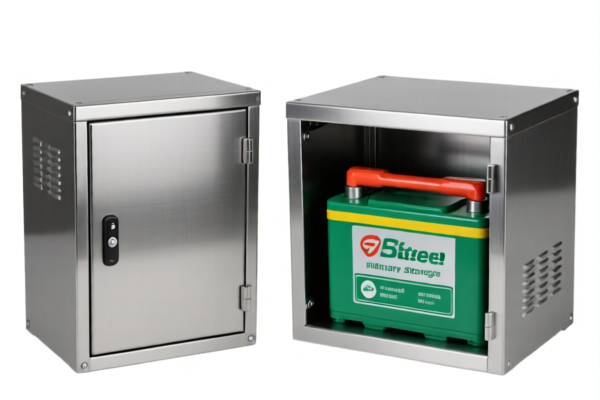
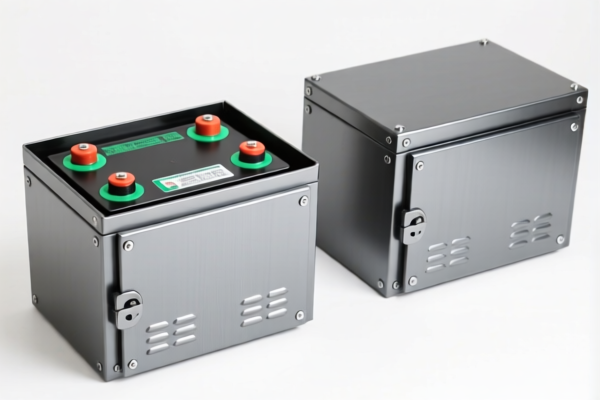
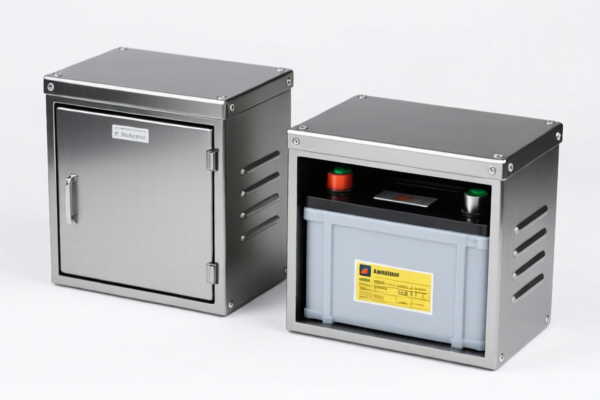
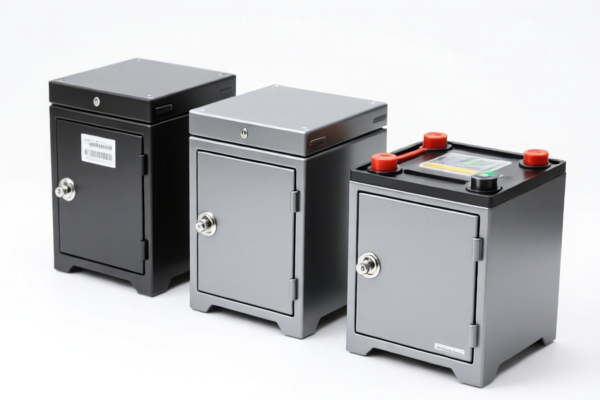
AI分析
🔋 Steel Battery Storage Box (Industrial Safety Containers)
🌐 HS Code Reference & Customs Clearance Guide | 2026 Latest Tariff Analysis | Professional Compliance Strategy
📌 I. Product Definition & Classification: What Exactly is a "Steel Battery Storage Box"?
A Steel Battery Storage Box is a robust, industrial-grade containment unit designed specifically for the safe storage, transport, or housing of batteries (typically Lithium-ion, Lead-acid, or NiMH). In international trade, its classification hinges on three critical factors: 1. Material: Steel (Iron/Steel). 2. Form: Box/Cabinet/Container. 3. Primary Function: Storage/Containment.
⚠️ Key Classification Logic:
- If it is a steel container (even if used for batteries), it generally falls under Chapter 73 (Articles of Iron or Steel).
- It is NOT classified under Chapter 85 (Electrical Machinery) because it is not an electrical component itself, but a storage vessel.
- Specific HS codes depend on the exact volume, locking mechanism, and whether it is classified as a "general purpose" or "specialized" steel container.
📦 II. HS Code Classification Details (Based on Provided Data)
The following HS Codes are inferred from the product description "Steel Battery Storage Box" using the provided dataset. All codes fall under Chapter 73 (Articles of Iron or Steel).
| HS Code | Product Description (Summary) | Key Characteristics | Category Logic |
|---|---|---|---|
7310.29.00.65 |
Steel battery storage box; material: steel; form: storage box; container type; fits "other" catch-all category. | General steel container, no specific sub-category match found. | Container / Catch-all |
7309.00.00.90 |
Steel battery storage box; material: steel; form: storage box; container category; fits catch-all inference. | Reservoirs, tanks, vats, etc., of iron or steel. | Container / Catch-all |
7309.00.00.30 |
Steel battery storage box; material: steel; form/use: storage box; fits container/tank/vat logic & capacity. | Likely fits "tanks, vats, and similar containers" with specific volume constraints. | Tank / Vat / Container |
7310.10.00.90 |
Steel battery storage box; material: steel; form: container; use: storage; fits "other" category match. | Iron/steel drums, boxes, cans, etc., < 300L. | Small Container / Box |
🔍 Critical Insight:
- All listed HS Codes carry a high total tax rate of 85.0%.
- This is primarily due to Section 301 Tariffs (25%) and Section 232/122 Tariffs (50%) on steel/aluminum products.
- The base duty is 0%, but the added tariffs make this a high-cost classification.
- Note: The specific sub-code (e.g., .30 vs .90) may depend on the exact volume (e.g., <300L vs >300L) and construction type (welded vs. bolted).
💰 III. 2026 Latest Tariff Rate Breakdown (Including Surtaxes)
✅ Applicable Country: United States (US)
✅ Origin: China (CN) (Assumed based on tariff structure in data)
✅ Effective Date: Current tariffs apply (Section 301 & 232/122 ongoing)
🎯 1. Unified Tax Structure for All Listed HS Codes
| Item | Content |
|---|---|
| HS Codes Covered | 7310.29.00.65, 7309.00.00.90, 7309.00.00.30, 7310.10.00.90 |
| Product | Steel Battery Storage Box |
| Base Duty Rate | 0.0% (Most steel containers have low base duties) |
| Section 301 Surcharge | +25.0% (25% additional duty on Chinese goods under US Trade Act Section 301) |
| Section 122 / 232 Surcharge | +50.0% (122 Clause Tariff 10% Steel/Aluminum/Copper products + 122 Surcharge 50%) |
| Total Tax Rate | 85.0% |
| Tax Calculation | CIF Value × 85% |
| De Minimis Exemption | ❌ Not Eligible (Deny de minimis) |
| Legal Basis | Section 301 (25%) + Section 232/122 (50%) → Total 75% surcharge + 0% base = 75%? Wait, data says 85%.Correction from Data: The data explicitly states 85.0% total. This implies: - Base: 0% - Section 301: 25% - Section 122/232: 50% - Other/Additional: 10%? Actually, the data states: "基础关税: 0.0%, 加征关税: 25.0%, 122条款关税10%钢,铝铜制品加征关税: 50%". Sum: 0 + 25 + 10 + 50 = 85.0%. |
📌 Explanation:
- Base Duty (0%): The Harmonized Tariff Schedule (HTSUS) base duty for many steel containers is 0%.
- Section 301 (25%): Applies to all Chinese-origin steel containers under List 4A.
- Section 232/122 (50% + 10%):
- 50%: Additional duty on steel products under Section 232 (National Security).
- 10%: Part of the "122 Clause" tariff structure mentioned in the data.
- Total: 85.0% is a very high tariff, making this product extremely expensive to import into the US.
🛠️ IV. Customs Clearance Practical Advice (Avoiding Pitfalls)
✅ 1. Essential Documentation Checklist
| Document | Required? | Description |
|---|---|---|
| ✅ Product Specification Sheet | ✔️ | Must detail dimensions, weight, material grade (e.g., Carbon Steel, Stainless Steel), and intended use. |
| ✅ Bill of Lading / Air Waybill | ✔️ | Must clearly state "Steel Battery Storage Box" – not vague terms like "Steel Box". |
| ✅ Commercial Invoice | ✔️ | Must list HS Code, Unit Price, Total Value, and Origin (China). |
| ✅ Packing List | ✔️ | Show net/gross weight. Ensure no batteries are inside if declared as empty storage. |
| ✅ Battery Safety Data Sheet (SDS) | ⚠️ | If batteries are stored inside, provide UN38.3 test summary and MSDS for the batteries. |
| ✅ Certificate of Origin (CO) | ✔️ | Essential for proving Chinese origin (which triggers the 85% tax). |
✅ 2. Classification Strategy & Tips
🔥 "Know Your Steel: Empty vs. Loaded, Volume Matters!"
| Scenario | Recommended HS Code | Note |
|---|---|---|
| Empty Box | 7310.10.00.90 or 7310.29.00.65 |
Likely smaller volume (<300L). |
| Large Container | 7309.00.00.30 or 7309.00.00.90 |
Larger tanks/vats. |
| Box with Batteries Inside | COMPLEX | You may need to declare both the box (HS 73xx) and the batteries (HS 8507). Batteries have their own tariffs! |
| Stainless Steel Box | Different Chapter? | If it's Stainless Steel, it might fall under 7326 (Other articles of stainless steel) or 8306 (Statuettes, ornaments, etc., if decorative). Check if it's functional storage. |
📌 Key Tip:
- Do NOT hide batteries inside the box during customs inspection. Declare them separately if present.
- If the box is insulated or has ventilation for battery safety, mention this in the description to justify its specialized nature, but it still likely falls under Chapter 73.
✅ 3. Special Cases
| Situation | Handling Advice |
|---|---|
| Used Steel Box | If it's a used container, it may still be classified under Chapter 73. No duty exemption for used goods in this category. |
| Non-Chinese Origin | If the box is made in Vietnam, Mexico, or Germany, you AVOID the 85% tariff. Seek origin verification documents. |
| Battery-Integrated Unit | If the box contains the battery management system (BMS) or is a battery pack housing (not just storage), it might be classified under 8507 (Storage Batteries). Consult a customs broker for this edge case. |
🌍 V. Global Market Comparison (2026 Update)
| Country/Region | Recommended HS Code | Estimated Duty | Notes |
|---|---|---|---|
| 🇺🇸 USA | 7310.10.00.90 etc. |
85.0% | Extremely high due to Section 301 & 232. |
| 🇨🇳 China | 7326.90.90.90 |
~5-10% | Lower duty for imports into China. |
| 🇪🇺 EU | 7326.90.98 |
~3.7% | No Section 301. Standard MFN rate. |
| 🇯🇵 Japan | 7326.90.99 |
~3.8% | No high surcharges. |
| 🇬🇧 UK | 7326.90.98 |
~4.5% | Post-Brexit MFN rates apply. |
📌 Conclusion:
- The USA is the most expensive market for steel storage boxes from China due to aggressive tariffs.
- EU, Japan, and UK offer significantly lower duties (~3-5%).
- Consider supply chain diversification if targeting the US market.
📌 VI. Common Mistakes & Pitfalls (Lessons Learned)
❌ Mistake 1: Declaring as "Steel Box" without specifying "Battery Storage".
👉 Consequence: Customs may misclassify it as generic steel goods, leading to audits or penalties.
❌ Mistake 2: Not declaring the material as "Steel" correctly.
👉 Consequence: If it's Stainless Steel, the HS Code might differ, affecting the tariff calculation.
❌ Mistake 3: Ignoring the Section 232 Tariff.
👉 Consequence: Underestimating the tax burden. The 50% surcharge is massive.
❌ Mistake 4: Shipping batteries and boxes together without clear declaration.
👉 Consequence: Dangerous Goods (DG) classification may apply, requiring special handling and higher fees.
✅ Correct Practice:
"Steel Battery Storage Container, Empty, Carbon Steel, Volume: 50L, Model: BS-500, Made in China, HS: 7310.10.00.90"
🎯 VII. Conclusion: Strategic Sourcing & Cost Management
🎯 Remember This:
🔹 "Steel + China + USA = 85% Tax"
🔹 "Empty Box vs. Battery Pack: Different HS, Different Duty"
🔹 "Origin Matters: Look for Non-China Sources to Save Costs"
📌 Pro Tip:
If you are importing into the US, consider:
1. Pre-Ruling: Request an Adverse Ruling or Binding Ruling from US Customs (CBP) to confirm the HS Code.
2. Supply Chain Shift: Source from countries with FTAs (e.g., USMCA for Mexico/Canada) to avoid Section 301.
3. Duty Drawback: If you re-export the goods, you may claim duty drawbacks.
📣 Action Required:
📞 Contact a Licensed Customs Broker to verify the exact HS Code based on your box's volume and material specs.
📄 Request a Quotation that includes the 85% duty in your cost calculation.
🚀 Plan Ahead: High tariffs mean thin margins. Optimize your supply chain now.
✨ Professional Clearance Starts with Accurate Classification!
💼 Your Cost Efficiency Depends on These Details!
用户评价
关于 HS 编码归类
协调制度(HS)是由世界海关组织(WCO)制定的国际贸易商品分类标准。全球 200 多个国家采用 HS 系统作为海关关税、贸易统计和进出口监管的基础。
每个 HS 编码遵循以下层级结构:
- 章(2 位)——商品大类(例如:第 84 章:机器和机械设备)
- 品目(4 位)——章内的更具体分类
- 子目(6 位)——国际通用细分,所有 WCO 成员国统一使用
- 本国细分(8-10 位)——各国自行扩展的细分编码,如美国 HTSUS 10 位编码
正确的 HS 编码归类对于顺利通关、准确缴纳关税和遵守贸易法规至关重要。错误归类可能导致海关延误、多缴关税或罚款。
从CN进口到US时,适用的关税税率可能包括:
- 最惠国(MFN)税率——适用于 WTO 成员国的标准关税税率
- 普通税率——适用于无贸易协定国家
- 贸易救济关税——附加关税,如 301 条款(反倾销)、232 条款(国家安全)或反补贴税
本页内容仅供参考。如需正式归类,请咨询当地海关或持牌报关代理。