Steel Kitchen Safety Door
CN → US| HS编码 | 关税税率 | 原产国 | 目的国 | 文档 |
|---|---|---|---|---|
| 7326908688 | 87.9% | CN | US | 官方文档 |
| 8301406030 | 23.2% | CN | US | 官方文档 |
| 7326190080 | 87.9% | CN | US | 官方文档 |
| 7308305050 | 85.0% | CN | US | 官方文档 |
| 7308301000 | 85.0% | CN | US | 官方文档 |
商品图片
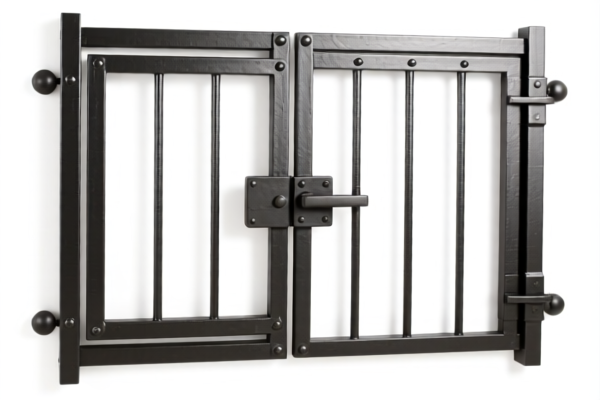
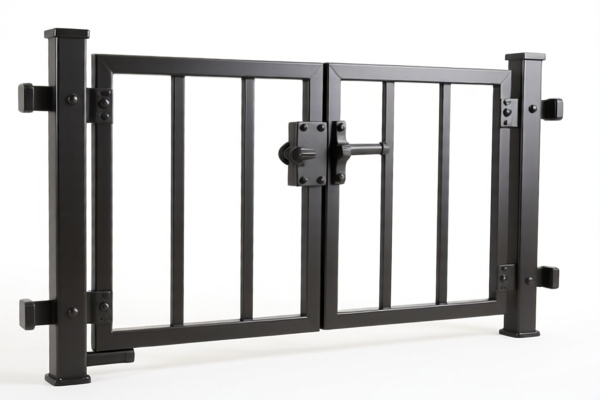
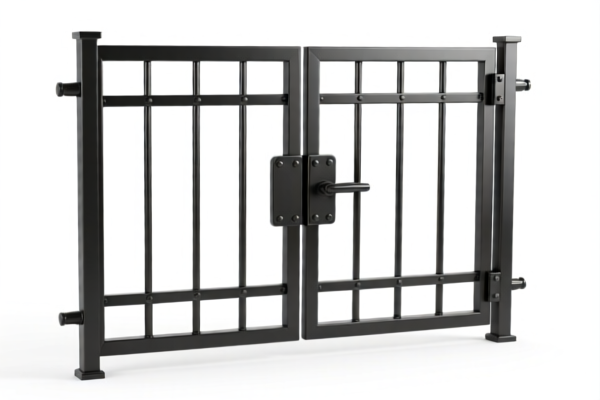
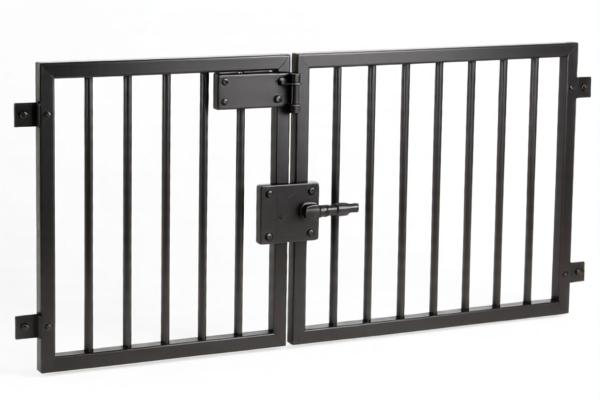
AI分析
🚪 Steel Kitchen Safety Door (Industrial/Security Grade)
🌐 HS Code Reference & Customs Clearance Guide | 2026 Latest Tariff Analysis | Professional Clearance Strategy
📌 I. Product Definition and Classification: What Exactly Is a "Steel Kitchen Safety Door"?
A "Steel Kitchen Safety Door" in an international trade context typically refers to a heavy-duty, fire-resistant, or security-focused door constructed primarily from steel, designed for commercial kitchens, industrial food processing plants, or high-security residential kitchens. Unlike standard interior wooden doors, these are classified based on their material composition and functional nature.
In US Customs terminology, the classification hinges on whether the door is viewed as: 1. A General Steel Fabrication: If the door is considered a generic manufactured item not specifically shaped for installation as a window/door frame. 2. A Locking Mechanism Component: If declared primarily as a part of a locking system for doors. 3. A Structural Building Component: If declared as part of the building's architecture (doors, windows, frames, and structures).
⚠️ Key Classification Point:
- If the door is heavy-duty, fire-rated, or made of solid steel plate without specific architectural framing integration → It often falls under Chapter 73 (Articles of Iron or Steel). - If it is specifically shaped for a door opening with integrated frames or hinges for immediate installation → It may fall under Chapter 73 (Specifically 7308 - Structures) or Chapter 83 (Miscellaneous Manufactures of Base Metal) if viewed as a door fitting/lock set component.
📦 II. HS Code Classification Details (Based on Provided Data)
| HS Code | Product Description (From Data) | Applicable Category | Total Tax Rate | Key Tax Details |
|---|---|---|---|---|
| 7326.90.86.88 | Steel kitchen safety door; material is steel; classified as other articles of iron or steel. | General Steel Articles | 87.9% | Base: 2.9%, Section 301: 25%, Section 232: 50% (Steel/Aluminum) |
| 8301.40.60.30 | Steel kitchen safety door; material is steel; classified as door locks/accessories. | Door Locks/Accessories | 23.2% | Base: 5.7%, Section 301: 7.5%, Section 122: 10% |
| 7326.19.00.80 | Steel kitchen safety door; material is steel; classified as other non-specific shape steel articles. | General Steel Articles | 87.9% | Base: 2.9%, Section 301: 25%, Section 232: 50% (Steel/Aluminum) |
| 7308.30.50.50 | Steel kitchen safety door; material is steel; classified as doors/windows/frames of structures. | Building Structures | 85.0% | Base: 0.0%, Section 301: 25%, Section 232: 50% (Steel/Aluminum) |
| 7308.30.10.00 | Steel kitchen safety door; material is steel; classified as parts of structures (doors/windows/frames). | Structural Parts | 85.0% | Base: 0.0%, Section 301: 25%, Section 232: 50% (Steel/Aluminum) |
🔍 Critical Observation:
- The lowest duty rate (23.2%) is found under HS 8301.40.60.30 (Locks/Accessories), but this classification is risky if the item is a full door. Customs may reclassify it as a steel article (Chapter 73) if it is not merely a lock. - The highest duty rates (85-87.9%) stem from the Section 232 (Steel/Aluminum) surcharge of 50%, which applies to most steel products unless specifically exempted. - Section 122 (10%) applies to some steel/aluminum products under specific conditions, but here it is combined with other tariffs.
💰 III. 2026 Latest Tariff Rate Breakdown (Including Add-on Tariffs)
✅ Applicable Country: United States (US)
✅ Origin: China (CN)
✅ Effective Time: Current (Post-2024 Trade Policies)
🎯 1. HS 7326.90.86.88 / 7326.19.00.80 — General Steel Articles (Highest Risk)
| Item | Detail |
|---|---|
| Base Tariff | 2.9% (Ad Valorem) |
| Section 301 (Trade War) | +25.0% |
| Section 232 (National Security) | +50.0% (On Steel/Aluminum) |
| Total Rate | 87.9% |
| Legal Path | USITC:7326.90.86.88 → FOOTNOTE:232 → IEEPA:9903.01.25 |
📌 Explanation:
- Section 232 imposes a 50% surcharge on imported steel articles, regardless of end-use, unless specifically exempted (e.g., certain construction materials might have different rules, but "articles of iron/steel" often fall under this). - Combined with 25% Section 301 and 2.9% base, the total hits 87.9%. - Impact: Extremely high cost. Only viable if the product value is low or if a specific exemption applies.
🎯 2. HS 8301.40.60.30 — Door Locks/Accessories (Lowest Rate, High Risk of Misclassification)
| Item | Detail |
|---|---|
| Base Tariff | 5.7% |
| Section 301 | +7.5% |
| Section 122 | +10.0% |
| Total Rate | 23.2% |
| Legal Path | USITC:8301.40.60.30 → FOOTNOTE:122 → IEEPA:9903.01.24 |
📌 Explanation:
- This classification assumes the item is primarily a locking mechanism or accessory, not a structural door. - Section 232 (50%) does NOT apply here, which is why the rate is much lower. - Risk: If Customs determines the item is a full door (not just a lock), they will reclassify it under Chapter 73, increasing the tax from 23.2% to 85-88%.
🎯 3. HS 7308.30.50.50 / 7308.30.10.00 — Structural Doors/Frames
| Item | Detail |
|---|---|
| Base Tariff | 0.0% |
| Section 301 | +25.0% |
| Section 232 | +50.0% (Steel/Aluminum) |
| Total Rate | 85.0% |
| Legal Path | USITC:7308.30.50.50 → FOOTNOTE:232 → IEEPA:9903.01.25 |
📌 Explanation:
- Doors and windows are typically "structures" (Chapter 7308). - Section 232 still applies because the material is steel. - Base duty is 0%, but the 25% + 50% surcharges make it 85%. - Note: Some steel construction products have specific exemptions from Section 232, but "safety doors" for kitchens may not qualify unless they are standard building components.
🛠️ IV. Customs Clearance Practical Advice (Actionable Strategies)
✅ 1. Documentation Requirements (Must-Have)
| Document | Required? | Description |
|---|---|---|
| ✅ Product Specification Sheet | ✔️ | Must detail: Steel thickness, fire-rating certification (if any), dimensions, weight. |
| ✅ Material Composition Certificate | ✔️ | Proof that the material is steel (to confirm Chapter 73 vs. 83). |
| ✅ Product Photos | ✔️ | Clear images showing: Full door, hinges, lockset, branding, model number. |
| ✅ Commercial Invoice | ✔️ | Must clearly state: "Steel Kitchen Safety Door" + HS Code + Country of Origin. |
| ✅ Bill of Lading / Air Waybill | ✔️ | Standard shipping docs. |
| ✅ Section 232 Exemption Proof (if applicable) | ✔️ | If claiming exemption, provide evidence that the product is not subject to the 50% surcharge. |
✅ 2. Classification Strategy (Crucial for Cost Saving)
🔥 "Classify as Accessory, Not Structure, If Possible!"
| Scenario | Recommended HS Code | Tax Rate | Risk Level |
|---|---|---|---|
| Full Door with Frame & Hinges | 7308.30.50.50 or 7326.90.86.88 | 85-88% | 🟡 Medium (Standard) |
| Door Only (No Frame) | 7326.90.86.88 | 87.9% | 🟡 Medium |
| Door Lockset/Security Fitting | 8301.40.60.30 | 23.2% | 🔴 High (Requires strong justification) |
| Part of a Larger Steel Structure | 7308.30.10.00 | 85.0% | 🟡 Medium |
⚠️ Warning:
- Do NOT attempt to misclassify a full door as "locks" (8301) unless it is primarily a locking device. If it is a solid steel door panel, Customs will reject this and reclassify it, leading to back taxes, penalties, and delays. - The 23.2% rate is attractive, but only justifiable if the product is accessory-focused (e.g., a heavy-duty lock assembly installed on the door, not the door itself).
✅ 3. Special Considerations for Section 232 (Steel/Aluminum)
- Section 232 Tariff (50%) applies to most steel imports from China.
- Exemptions: Some steel products used in construction may have specific quotas or exemptions. Check if your "kitchen safety door" qualifies as a construction material (Chapter 7308) with a potential exemption.
- Strategy: If the door is made of stainless steel or has a specific alloy composition, consult with a customs broker to see if it falls under a different subheading that might avoid the 232 surcharge.
🌍 V. Global Market Comparison (2026)
| Market | Recommended HS Code | Est. Total Duty | Notes |
|---|---|---|---|
| 🇺🇸 USA | 8301.40.60.30 (if justifiable) | 23.2% | Lowest rate, but high risk of reclassification. |
| 🇺🇸 USA | 7308.30.50.50 (standard) | 85.0% | Safe classification for structural doors. |
| 🇪🇺 EU | 7308.30.50.50 | ~0-5% | No Section 232/301 surcharges. Standard EU duty applies. |
| 🇨🇳 China | 7308.30.50.50 | ~5-10% | Import duty into China is lower. |
📌 Conclusion:
- The US market is the most challenging due to Section 301 and 232 tariffs. - If exporting to the US, strong documentation is required to support the 8301.40.60.30 classification to save 60%+ in taxes. Otherwise, budget for 85-88% duty.
📌 VI. Common Mistakes & Pitfalls
❌ Mistake 1: Declaring a full steel door as "Locks" (8301) without sufficient evidence.
👉 Result: Customs reclassifies to 7326/7308 → 60%+ additional tax + penalties.
❌ Mistake 2: Ignoring Section 232.
👉 Result: Underpayment of 50% surcharge → Audit and back taxes.
❌ Mistake 3: Using vague descriptions like "Kitchen Door" instead of "Steel Kitchen Safety Door".
👉 Result: Customs may classify as "General Steel Article" (7326) → 87.9% tax.
✅ Correct Practice:
- Clearly state: "Steel Kitchen Safety Door, Fire-Rated, Model XYZ, Made of Stainless Steel, Including Lockset."
- Provide technical drawings showing the lock mechanism if using HS 8301.
🎯 VII. Conclusion: Smart Classification Saves Millions!
🎯 Key Takeaway:
🔹 For USA Imports:
- If you can justify HS 8301.40.60.30 (Locks/Accessories), you save ~65% in duties.
- If not, accept HS 7308.30.50.50 (85%) or HS 7326.90.86.88 (87.9%) as standard.
🔹 Do NOT misclassify. The risk of reclassification and penalties outweighs the potential savings.
📌 Pro Tip:
- Apply for an Advance Ruling with US Customs and Border Protection (CBP) before shipping. This legally binds Customs to your classification, providing certainty and avoiding disputes at the border.
✨ Professional Clearance, Start with Precise Classification!
💼 Every percentage point of duty saved is pure profit!
用户评价
关于 HS 编码归类
协调制度(HS)是由世界海关组织(WCO)制定的国际贸易商品分类标准。全球 200 多个国家采用 HS 系统作为海关关税、贸易统计和进出口监管的基础。
每个 HS 编码遵循以下层级结构:
- 章(2 位)——商品大类(例如:第 84 章:机器和机械设备)
- 品目(4 位)——章内的更具体分类
- 子目(6 位)——国际通用细分,所有 WCO 成员国统一使用
- 本国细分(8-10 位)——各国自行扩展的细分编码,如美国 HTSUS 10 位编码
正确的 HS 编码归类对于顺利通关、准确缴纳关税和遵守贸易法规至关重要。错误归类可能导致海关延误、多缴关税或罚款。
从CN进口到US时,适用的关税税率可能包括:
- 最惠国(MFN)税率——适用于 WTO 成员国的标准关税税率
- 普通税率——适用于无贸易协定国家
- 贸易救济关税——附加关税,如 301 条款(反倾销)、232 条款(国家安全)或反补贴税
本页内容仅供参考。如需正式归类,请咨询当地海关或持牌报关代理。