Surface treated plastic monofilament
CN → US| HS编码 | 关税税率 | 原产国 | 目的国 | 文档 |
|---|---|---|---|---|
| 3916100000 | 40.8% | CN | US | 官方文档 |
| 3916903000 | 41.5% | CN | US | 官方文档 |
| 5404110000 | 41.9% | CN | US | 官方文档 |
| 5404198080 | 41.9% | CN | US | 官方文档 |
| 3916905000 | 40.8% | CN | US | 官方文档 |
商品图片
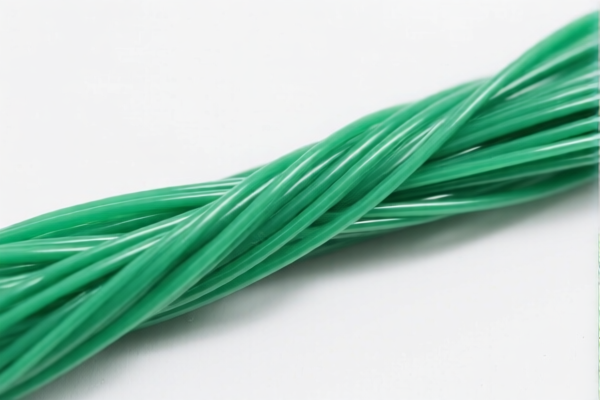
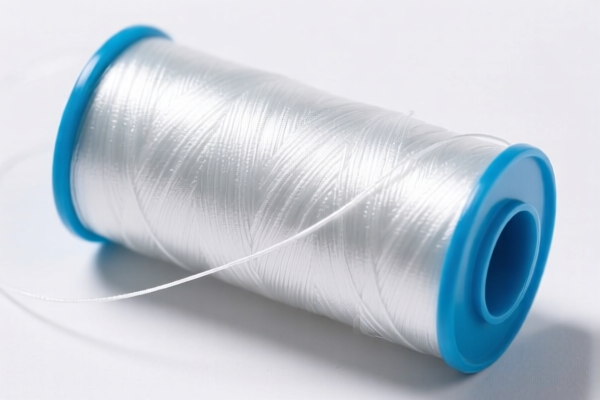
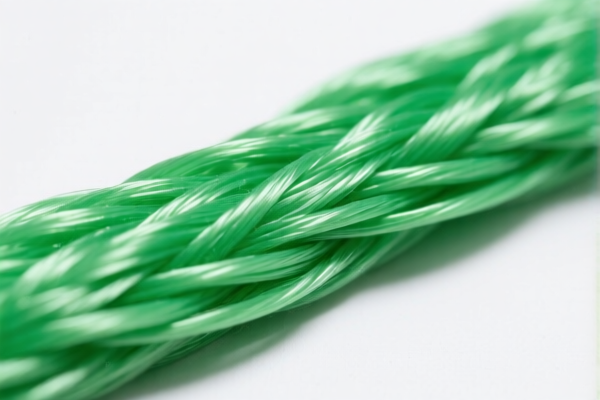
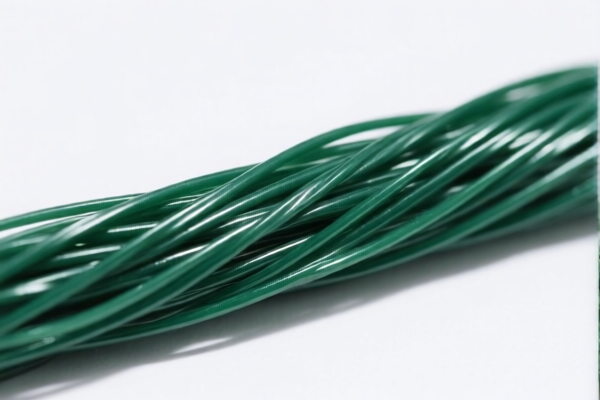
AI分析
🧵 Surface Treated Plastic Monofilament
🌐 HS Code Reference & Clearance Guide | 2026 Latest Tariff Analysis | Professional Clearance Strategy
📌 I. Product Definition & Classification: What exactly is "Surface Treated Plastic Monofilament"?
Surface treated plastic monofilament refers to single fibers or threads made from plastic polymers (such as polyethylene, polypropylene, or synthetic fibers like nylon/polyester) that have undergone specific surface treatments (e.g., corona treatment, flame treatment, chemical priming, or coating) to improve adhesion, printability, or bonding properties.
In international trade, the classification depends heavily on the base material (Plastic Polymer vs. Synthetic Fiber) and the specific form (Monofilament diameter/definition). Misclassification between plastic chapters (Chapter 39) and textile chapters (Chapter 54) is a common risk.
⚠️ Key Distinction Point:
- If the monofilament is made from Plastic Polymers (e.g., PE, PP) and does not meet the specific definition of "synthetic filament yarn" used for weaving, it typically falls under Chapter 39.
- If the monofilament is made from Synthetic Materials (e.g., Nylon, Polyester) and meets the definition of "filament yarn" (even if used for non-textile purposes like fishing lines or brushes), it may fall under Chapter 54.
📦 II. HS Code Classification Details (2026 Latest Tariff Authority Comparison)
| HS Code | Product Description | Applicable Scenario | Base Material Conflict? |
|---|---|---|---|
3916.10.00.00 |
Plastic Monofilament: Surface treated, conforming to ethylene polymer & monofilament material requirements | Monofilaments made from Polyethylene (PE) or Polypropylene (PP); used for brushes, ropes, or industrial meshes | ✅ None (Fits "Plastic" definition) |
3916.90.30.00 |
Plastic Monofilament: Surface treated, conforms to plastic monofilament definition & allowed surface treatment scope | General plastic monofilaments (other than ethylene polymers) with surface treatments; broad "Plastic" category | ✅ None (Fits "Plastic" definition) |
3916.90.50.00 |
Plastic Monofilament: Conforms to plastic material & monofilament form definition | Other plastic monofilaments not specified elsewhere; standard plastic fibers with surface treatment | ✅ None (Fits "Plastic" definition) |
5404.11.00.00 |
Synthetic Monofilament: Surface treated, conforms to synthetic monofilament material attribute & monofilament category | Monofilaments made from Synthetic Fibers (e.g., Nylon, PET); meets "Synthetic Yarn" definition despite surface treatment | ⚠️ Potential Conflict: Is it "Plastic" or "Textile Fiber"? |
5404.19.80.80 |
Synthetic Monofilament: Surface treated, conforms to synthetic material & monofilament form, no material conflict | Other synthetic monofilaments; used when specific synthetic type doesn't fit 5404.11 | ⚠️ Potential Conflict: Same as above |
🔍 Important Reminder:
- Chapter 39 (Plastics) vs. Chapter 54 (Synthetic Filament Yarn): The critical factor is the material composition and intended use.
- If the product is essentially a plastic rod/fiber (diameter > 1mm or rigid structure), it leans towards 3916.
- If it is a flexible filament comparable to textile yarn, even if plastic-based, it may be classified under 5404.
- Surface treatment alone does not change the chapter; it affects the specific subheading if available, but the base material dictates the chapter.
💰 III. 2026 Latest Tariff Rate Breakdown (Including Surtaxes & Policy Add-ons)
✅ Applicable Country: United States (US)
✅ Origin: China (CN)
✅ Effective Date: November 10, 2025 (and subsequent imports)
🎯 1. 3916.10.00.00 —— Plastic Monofilament (Ethylene Polymers)
| Item | Content |
|---|---|
| Base Tariff | 5.8% (Ad Valorem) |
| Section 301 Surcharge | +25.0% (U.S. Trade Law Section 301) |
| Section 122 Tariff | +10.0% (Specific trade action tariff) |
| Total Effective Rate | 40.8% |
| Tax Calculation | CIF Value × 40.8% |
| De Minimis Exemption | ❌ Not Eligible (denied_de_minimis) |
| Legal Basis Path | Section 301: 8524.11.10.00 (Generic Code Reference) → Section 122: Specific Action → USITC: 3916.10.00.00 → FOOTNOTE: 9903.88.01 |
📌 Explanation:
- The 5.8% base tariff is the standard MFN rate for plastic monofilaments.
- The 25% Section 301 tariff applies to most Chinese-origin plastics and polymer products.
- The 10% Section 122 tariff is an additional surcharge applied to specific Chinese imports.
- Total 40.8% is a significant cost factor. Must be factored into pricing strategy.
🎯 2. 3916.90.30.00 —— Plastic Monofilament (General Plastic)
| Item | Content |
|---|---|
| Base Tariff | 6.5% (Ad Valorem) |
| Section 301 Surcharge | +25.0% |
| Section 122 Tariff | +10.0% |
| Total Effective Rate | 41.5% |
| Tax Calculation | CIF Value × 41.5% |
| De Minimis Exemption | ❌ Not Eligible |
| Legal Basis Path | Section 301 → Section 122 → USITC: 3916.90.30.00 → FOOTNOTE: 9903.88.01 |
📌 Note:
- Slightly higher base tariff (6.5%) compared to ethylene polymers (5.8%).
- Same surcharges apply. Total 41.5%.
- Applies to plastic monofilaments not classified under 3916.10.
🎯 3. 5404.11.00.00 & 5404.19.80.80 —— Synthetic Monofilament
| Item | Content |
|---|---|
| Base Tariff | 6.9% (Ad Valorem) |
| Section 301 Surcharge | +25.0% |
| Section 122 Tariff | +10.0% |
| Total Effective Rate | 41.9% |
| Tax Calculation | CIF Value × 41.9% |
| De Minimis Exemption | ❌ Not Eligible |
| Legal Basis Path | Section 301 → Section 122 → USITC: 5404.11.00.00 / 5404.19.80.80 → FOOTNOTE: 9903.88.01 |
📌 Note:
- Synthetic filaments (nylon, polyester) have a higher base tariff (6.9%).
- Total 41.9% is the highest among the listed codes.
- Risk: If the product is actually plastic (PE/PP) but classified under 5404, it may be flagged for misclassification. If it is synthetic but classified under 3916, it may be under-taxed. Accurate material identification is crucial.
🛠️ IV. Clearance Practical Advice (Real-World Pitfall Avoidance Guide)
✅ 1. Required Documentation List (All are Mandatory)
| Document | Must Provide | Description |
|---|---|---|
| ✅ Product Specification Sheet | ✔️ | Includes material (PE/PP/Nylon/PET), diameter, tensile strength, surface treatment type (corona, flame, etc.) |
| ✅ Material Test Report | ✔️ | Certificate of Analysis (COA) proving polymer type. Critical for distinguishing Chapter 39 vs. 54. |
| ✅ Product Photos (Label & Cross-section) | ✔️ | Clear images showing surface treatment (if visible) and cross-section to determine if it's a "monofilament" or "filament yarn." |
| ✅ Commercial Invoice | ✔️ | Clearly state "Surface Treated Plastic Monofilament" or "Synthetic Monofilament" with correct HS Code. |
| ✅ Packing List | ✔️ | Detail weight, volume, and packaging type. |
| ✅ Origin Certificate (CO) | ✔️ | Required for origin verification; may affect eligibility for exemptions (if any). |
✅ 2. Declaration Tips (Key Mantras)
🔥 "Material First, Form Second, Surface Treatment is Detail, Not Chapter!"
| Situation | Correct Declaration | Wrong Action |
|---|---|---|
| Product is PE/PP Monofilament | 3916.10.00.00 or 3916.90.30.00 |
Misdeclare as Synthetic Fiber (5404) → Audit Risk |
| Product is Nylon/PET Monofilament | 5404.11.00.00 or 5404.19.80.80 |
Misdeclare as Plastic (3916) → Underpayment Risk |
| Product has Surface Treatment | Mention in description (e.g., "Corona Treated") | Claim treatment changes chapter → Rejected by CBP |
| Monofilament Diameter > 1mm | Strongly lean towards 3916 |
Declare as yarn → Unlikely to pass textile inspection |
✅ 3. Special Handling Cases
| Situation | Handling Advice |
|---|---|
| OEM Custom Monofilament | Provide design specs and material certs. Avoid vague terms like "plastic thread." |
| Mixed Shipments (Plastic + Synthetic) | Do not mix HS Codes in one line item. Declare separately to avoid confusion and potential penalties. |
| Import for Industrial Use (e.g., Fishing Lines) | If made of Nylon, it’s 5404. If made of PE, it’s 3916. Use determines classification only if material is ambiguous. |
| Product with Adhesive Coating | If the coating is integral, it may still be classified under the base monofilament. If it’s a separate layer, consult a ruling. |
🌍 V. Global Main Market Clearance Comparison (2026 Latest)
| Country/Region | Recommended HS Code | Tariff Rate (China Origin) | Certification Requirements | Notes |
|---|---|---|---|---|
| 🇺🇸 USA | 3916.10.00.00 / 5404.11.00.00 |
40.8% - 41.9% (incl. 301/122) | None specific for monofilament | High tariff burden; precise material ID is key. |
| 🇨🇳 China | 3916 / 5404 |
5% - 9% | None | Low tariffs, focus on domestic standards. |
| 🇪🇺 EU | 3916 / 5404 |
0% - 6.5% (depends on subheading) | REACH (if chemical treatment) | No Section 301/122 equivalent; lower overall cost. |
| 🇦🇺 Australia | 3916 / 5404 |
5% | None | Standard FTA rates may apply if origin is Australia/NZ. |
| 🇯🇵 Japan | 3916 / 5404 |
0% - 6.0% | None | Generally low tariffs, focus on quality standards. |
📌 Conclusion:
- The USA is the only major market imposing high additional tariffs (25% + 10%) on these products.
- China-origin products face a 40.8%–41.9% total duty rate in the US.
- Supply Chain Strategy: Consider sourcing from non-China origins (e.g., Vietnam, Thailand) if eligible for IEEPA exemptions or lower tariffs, or adjust pricing to absorb costs.
📌 VI. Common Mistakes & Pitfall Guide (Lessons Learned)
❌ Mistake 1: Classifying all "plastic threads" under 3916
👉 Consequence: If the product is Nylon/PET (Synthetic Fiber), CBP may reclassify to 5404 (higher base tariff) and impose penalties.
👉 Risk: Misclassification penalty + Back Duties.
❌ Mistake 2: Claiming "Surface Treatment" changes the HS Code Chapter
👉 Consequence: CBP rejects the claim. Surface treatment is a processing step, not a material change.
👉 Risk: Delayed clearance, additional inspection.
❌ Mistake 3: Ignoring the "Monofilament" definition
👉 Consequence: If the product is a multifilament yarn, it may not qualify for 3916 or 5404 monofilament subheadings.
👉 Risk: Incorrect code application, potential audit flag.
❌ Mistake 4: Not providing Material Test Reports
👉 Consequence: CBP cannot verify if it’s PE/PP (Chapter 39) or Nylon/PET (Chapter 54).
👉 Risk: Detention of goods, request for additional evidence, shipment delay.
✅ Correct Practice:
"Polyethylene (PE) Monofilament, 2mm diameter, Corona Treated for Adhesion, Model XYZ, Material Cert Attached"
🎯 VII. Conclusion: Professional Declaration, Cost Efficiency!
🎯 Remember the Mantras:
🔹 "Material Determines Chapter, Form Determines Subheading!"
🔹 "PE/PP → 3916 | Nylon/PET → 5404 | Surface Treatment → Just a Detail!"
🔹 "US Tariffs: 40.8% - 41.9%. Plan Ahead or Adjust Supply Chain!"
📌 Pro Tip:
If your monofilament is originally from Vietnam, Thailand, or Malaysia, you may be eligible for IEEPA Exemptions or lower Section 301 rates.
Recommend applying for an Advance Ruling from CBP if the material composition is ambiguous or if you are using a new supplier.
📣 Immediate Action:
📞 Contact your customs broker + Provide Material Certs + Verify HS Code with CBP if unsure.
🚀 Ensure smooth clearance, avoid delays, and protect your margins!
✨ Professional Clearance Starts with Accurate Classification!
💼 Every percentage point matters in today's trade environment!
用户评价
关于 HS 编码归类
协调制度(HS)是由世界海关组织(WCO)制定的国际贸易商品分类标准。全球 200 多个国家采用 HS 系统作为海关关税、贸易统计和进出口监管的基础。
每个 HS 编码遵循以下层级结构:
- 章(2 位)——商品大类(例如:第 84 章:机器和机械设备)
- 品目(4 位)——章内的更具体分类
- 子目(6 位)——国际通用细分,所有 WCO 成员国统一使用
- 本国细分(8-10 位)——各国自行扩展的细分编码,如美国 HTSUS 10 位编码
正确的 HS 编码归类对于顺利通关、准确缴纳关税和遵守贸易法规至关重要。错误归类可能导致海关延误、多缴关税或罚款。
从CN进口到US时,适用的关税税率可能包括:
- 最惠国(MFN)税率——适用于 WTO 成员国的标准关税税率
- 普通税率——适用于无贸易协定国家
- 贸易救济关税——附加关税,如 301 条款(反倾销)、232 条款(国家安全)或反补贴税
本页内容仅供参考。如需正式归类,请咨询当地海关或持牌报关代理。