Surface treated polymer rod
CN → US| HS编码 | 关税税率 | 原产国 | 目的国 | 文档 |
|---|---|---|---|---|
| 3926909989 | 22.8% | CN | US | 官方文档 |
| 8487900080 | 88.9% | CN | US | 官方文档 |
| 8487900040 | 38.9% | CN | US | 官方文档 |
商品图片

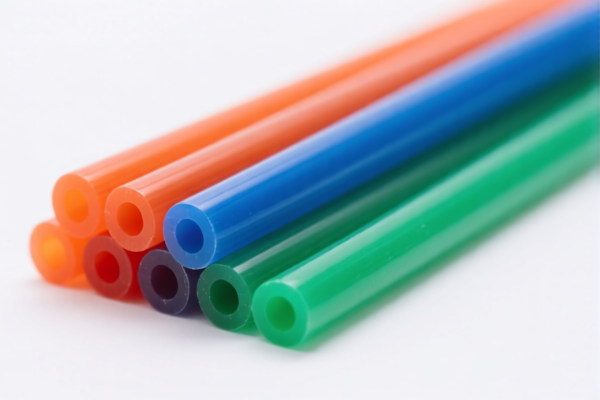

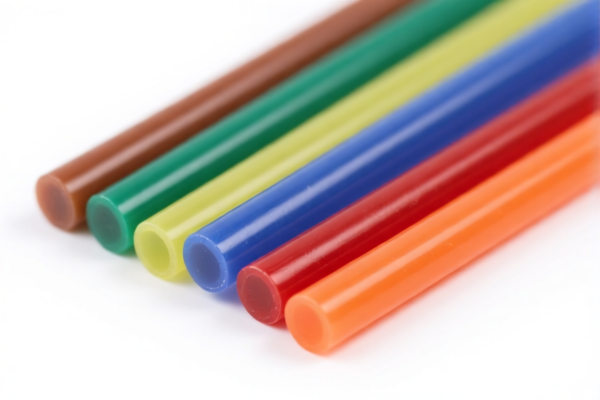
AI分析
🧱 Surface Treated Polymer Rod (Industrial Machinery Parts & Components)
🌐 HS Code Reference & Customs Clearance Guide | 2026 Latest Tariff Analysis | Professional Entry Strategy
📌 I. Product Definition & Classification: What is a "Surface Treated Polymer Rod"?
A Surface Treated Polymer Rod is typically an industrial component made from plastic materials (such as PTFE, PEEK, Nylon, UHMW-PE, etc.) that has undergone surface processing (e.g., anodizing, coating, lubrication, or chemical treatment) to enhance wear resistance, friction properties, or chemical stability.
In international trade, the classification depends heavily on whether the item qualifies as a "part of a machine" or simply as an "article of plastic."
⚠️ Key Distinction Point:
- If the rod is designed specifically for installation into machinery (e.g., guide rods, bushings, seals) and lacks electrical features → It is often classified under Chapter 84 (Machinery Parts).
- If it is a general-purpose plastic rod sold for various uses (cutting, crafting, general assembly) without specific machine integration → It may fall under Chapter 39 (Plastics and Articles Thereof).
📦 II. HS Code Classification Details (2026 Latest Tariff Authority Comparison)
Based on the provided data, here are the applicable HS Codes for "Surface Treated Polymer Rods" depending on their specific function and composition:
| HS Code | Product Description | Applicable Scenario | Key Characteristics |
|---|---|---|---|
8487.90.00.80 |
Machinery parts, not containing electrical connectors, insulators, coils, contacts or other electrical features, and not specified or included elsewhere in this chapter: Other Other | Custom machined polymer guide rods, non-standard bushings, specialized industrial components | ✅ Specific Machinery Part; No electrical features; Not specifically listed elsewhere in Ch. 84. |
8487.90.00.40 |
Machinery parts, not containing electrical connectors, insulators, coils, contacts or other electrical features, and not specified or included elsewhere in this chapter: Other Oil seals, other than those of chapter 40 | ⚠️ NOT APPLICABLE for general polymer rods. This code is strictly for oil seals. Do not use for rods unless it is a specialized seal component. | ❌ Exclusion: Only for oil seals. |
3926.90.99.89 |
Other articles of plastics and articles of other materials of headings 3901 to 3914: Other: Other Other | General-purpose plastic rods, bars, or profiles used for non-specific industrial or consumer applications | ✅ General Plastic Article; Not specifically identified as a machinery part in Ch. 84. |
🔍 Critical Reminder:
-8487.90.00.80is the most likely classification for custom, functional polymer rods used in machinery (e.g., linear motion guides, wear strips) that are not electrical parts.
-3926.90.99.89is the fallback for generic plastic rods that do not have a specific machine-part designation.
- Do NOT use8487.90.00.40unless the product is explicitly an oil seal. Misclassification here can lead to significant customs penalties.
💰 III. 2026 Latest Tariff Rate Breakdown (Including Surcharges & Policy Add-ons)
✅ Applicable Country: United States (US)
✅ Country of Origin: China (CN)
✅ Effective Date: Rates apply to imports from China.
🎯 1. 8487.90.00.80 —— Machinery Parts (Other Other)
| Item | Content |
|---|---|
| Base Tariff Rate | 3.9% |
| Retaliatory/Surcharge Tariff (Section 301) | +25.0% |
| Steel/Aluminum/Copper Product Surcharge | +50.0% (Note: Does NOT apply to polymer/plastic parts unless they contain significant steel/aluminum/copper components. Pure polymer rods are excluded.) |
| Total Tariff Rate | 28.9% |
| Tax Calculation | CIF Value × 28.9% |
| De Minimis Exemption Eligibility | ❌ Not Applicable (De Minimis applies to low-value shipments, but machinery parts often face scrutiny; however, strictly speaking, de minimis is a customs threshold, not a tax rate exclusion. But for high-value industrial parts, it's irrelevant.) |
| Legal Basis Path | HTSUS:8487.90.00.80 → Section 301: 25% surcharge for Chinese origin goods |
📌 Explanation:
- The 3.9% is the standard Most Favored Nation (MFN) rate for machinery parts.
- The 25% is the additional tariff imposed under Section 301 on Chinese goods.
- Total: 28.9%. This is a high tariff rate for polymer parts.
- Crucial: If the rod is pure polymer (no metal core), the 50% steel/aluminum surcharge does NOT apply. Ensure your material declaration clearly states "100% Polymer" or "PTFE/Nylon/etc." to avoid being misclassified as a metal part.
🎯 2. 3926.90.99.89 —— Other Articles of Plastics
| Item | Content |
|---|---|
| Base Tariff Rate | 5.3% |
| Surcharge Tariff (Section 301) | +7.5% |
| Total Tariff Rate | 12.8% |
| Tax Calculation | CIF Value × 12.8% |
| De Minimis Exemption Eligibility | ❌ Not Applicable (Standard de minimis threshold is $800, but commercial shipments are taxed.) |
| Legal Basis Path | HTSUS:3926.90.99.89 → Section 301: 7.5% surcharge |
📌 Explanation:
- If the rod is classified as a general plastic article, the tariff is significantly lower (12.8%).
- Strategic Opportunity: If the rod can be justified as a general-purpose plastic article (e.g., raw material for machining by the importer) rather than a finished machinery part, this classification saves 16.1% in tariffs. However, customs may challenge this if the rod is clearly a functional part (e.g., pre-drilled, specific dimensions for a machine).
🛠️ IV. Customs Clearance Practical Advice (Battle-Tested Pitfall Avoidance Guide)
✅ 1. Preparation Checklist (Essential Documents)
| Document | Required | Explanation |
|---|---|---|
| ✅ Product Specifications | ✔️ | Must include material composition (e.g., "PTFE, 100%"), dimensions, and surface treatment details (e.g., "dry lubricant coated"). |
| ✅ Material Safety Data Sheet (MSDS) | ✔️ | Proves chemical composition, especially if the "surface treatment" involves hazardous chemicals. |
| ✅ Product Photos (Clear) | ✔️ | Show the rod, its ends, and any markings. Label should indicate "Polymer Guide Rod." |
| ✅ Commercial Invoice | ✔️ | Must clearly state: "Surface Treated Polymer Rod, Material: [Specify], Use: [General/Machinery Part]." |
| ✅ Packing List | ✔️ | Weight and dimensions of each rod. |
| ✅ Declaration of Non-Electrical Features | ✔️ | Explicitly state: "No electrical connectors, insulators, coils, or contacts." |
✅ 2. Declaration Tips (Key Mantra)
🔥 “Material First, Function Second, No Electricity, Tariff Down!”
| Situation | Correct Declaration | Wrong Practice |
|---|---|---|
| Pure Polymer Rod | Declare as 3926.90.99.89 with "General Purpose Plastic Rod" |
Misdeclare as machinery part → 28.9% vs 12.8% |
| Specific Machine Part | Declare as 8487.90.00.80 with "Machinery Part, Non-Electrical" |
Declare as general plastic → Risk of reclassification penalty |
| Rod with Metal Core | Must declare as Metal Part or Composite | Declare as pure polymer → 50% Steel Surcharge may apply if misidentified |
| Oil Seal Component | Declare as 8487.90.00.40 ONLY if it is an oil seal |
Declare a rod as an oil seal → Rejection/Fraud |
✅ 3. Special Case Handling
| Scenario | Handling Advice |
|---|---|
| OEM Custom Rods | Provide CAD drawings and customer specifications to prove it is a custom machinery part (8487.90.00.80). |
| Generic Stock Rods | Use 3926.90.99.89 for cost savings, but ensure the invoice does not imply "exclusive use" in machinery. |
| Surface Treatment Claims | If the treatment changes the material identity (e.g., metal plating on plastic), it may be classified as a metal article, triggering the 50% surcharge. Keep it as polymer-based. |
| Electrical Features | If the rod has embedded conductors, it is NOT a machinery part under 8487.90. It may fall under Chapter 85 (Electrical Machinery), which has different rates. |
🌍 V. Global Market Customs Comparison (2026 Latest)
| Country/Region | Recommended HS Code | Tariff Rate | Certification Requirements | Notes |
|---|---|---|---|---|
| 🇺🇸 USA | 8487.90.00.80 (if machine part) |
28.9% | None specific | High tariff for machinery parts. 3926.90.99.89 is 12.8%. |
| 🇨🇳 China | 3926.90.99.89 |
5-10% (varies) | None | Lower tariffs for plastic articles. |
| 🇪🇺 EU | 3926.90.99 |
6.5% | REACH, RoHS | EU does not have Section 301 surcharges. |
| 🇲🇽 Mexico | 3926.90.99 |
5% | NOM Certification | Potential USMCA benefits if originating. |
📌 Conclusion:
- USA: Tariff differential between8487.90.00.80(28.9%) and3926.90.99.89(12.8%) is 16.1%.
- Strategy: If the polymer rod is a generic stock item, classify under 3926.90.99.89 to save money. If it is a custom-engineered part with no generic equivalent, use 8487.90.00.80.
- Warning: Do not attempt to misclassify a custom machinery part as a general plastic article. Customs audits may look at CAD drawings, customer POs, and product functionality.
📌 VI. Common Errors & Pitfall Guide (Blood & Tears Lessons)
❌ Error 1: Declaring a custom machined guide rod as a "General Plastic Rod" (3926.90.99.89)
👉 Consequence: Customs may reclassify it as 8487.90.00.80 → Back taxes of 16.1% + penalties.
❌ Error 2: Declaring a pure polymer rod as having steel/aluminum components (to try to justify 50% surcharge? No, this is bad practice)
👉 Consequence: If you claim it's metal but it's plastic, you risk fraud allegations. If you claim it's plastic but it has a steel core, you miss the 50% surcharge but also face reclassification.
❌ Error 3: Using 8487.90.00.40 for a polymer rod
👉 Consequence: Clearance Rejection. This code is only for oil seals. You will need to re-export or re-declare.
❌ Error 4: Ignoring Surface Treatment details
👉 Consequence: If the treatment involves hazardous chemicals, you may fail REACH (EU) or EPA (US) requirements. Ensure MSDS is provided.
✅ Correct Approach:
“PTFE Guide Rod, 10mm Diameter, 100mm Length, Surface Treated with Dry Lubricant, Material: PTFE (Polytetrafluoroethylene), Non-Electrical, For General Industrial Use.”
🎯 VII. Conclusion: Precision Classification Saves Money!
🎯 Remember the Mantra:
🔹 “Polymer Rod, No Metal, No Electricity, Check Function First!”
🔹 “General Use = 12.8%, Specific Part = 28.9%, Oil Seal = 28.9% (but wrong code for rod), Misclassification = Penalty!”📌 Pro Tip:
If your polymer rods are not specifically designed for a single machine (e.g., they are standard sizes sold to multiple machine builders), argue for3926.90.99.89(12.8%) to save 16.1% in tariffs. Keep documentation generic (e.g., "Raw Material for Machining") to support this classification.
📣 Immediate Action:
📞 Consult your customs broker with material specs and usage intent.
🚀 Declare accurately, pay the right tax, avoid delays!
✨ Professional clearance starts with precise classification!
💼 Every percentage point saved is pure profit!
用户评价
关于 HS 编码归类
协调制度(HS)是由世界海关组织(WCO)制定的国际贸易商品分类标准。全球 200 多个国家采用 HS 系统作为海关关税、贸易统计和进出口监管的基础。
每个 HS 编码遵循以下层级结构:
- 章(2 位)——商品大类(例如:第 84 章:机器和机械设备)
- 品目(4 位)——章内的更具体分类
- 子目(6 位)——国际通用细分,所有 WCO 成员国统一使用
- 本国细分(8-10 位)——各国自行扩展的细分编码,如美国 HTSUS 10 位编码
正确的 HS 编码归类对于顺利通关、准确缴纳关税和遵守贸易法规至关重要。错误归类可能导致海关延误、多缴关税或罚款。
从CN进口到US时,适用的关税税率可能包括:
- 最惠国(MFN)税率——适用于 WTO 成员国的标准关税税率
- 普通税率——适用于无贸易协定国家
- 贸易救济关税——附加关税,如 301 条款(反倾销)、232 条款(国家安全)或反补贴税
本页内容仅供参考。如需正式归类,请咨询当地海关或持牌报关代理。