Swine Skin Leather (Dried, Not Further Processed)
CN → US| HS编码 | 关税税率 | 原产国 | 目的国 | 文档 |
|---|---|---|---|---|
| 4102291090 | 17.5% | CN | US | 官方文档 |
| 4102101000 | 17.5% | CN | US | 官方文档 |
| 4301300000 | 10.0% | CN | US | 官方文档 |
| 4105300000 | 12.0% | CN | US | 官方文档 |
| 4105109000 | 12.0% | CN | US | 官方文档 |
商品图片
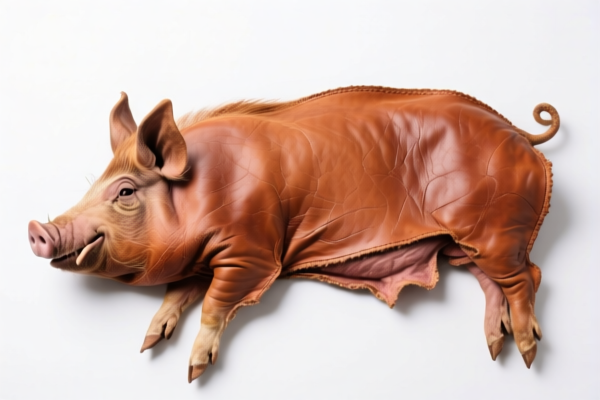
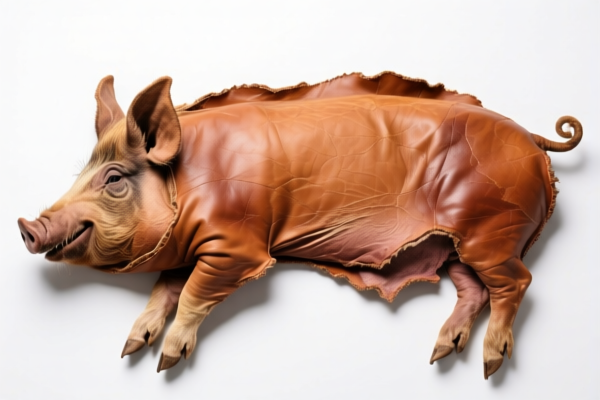
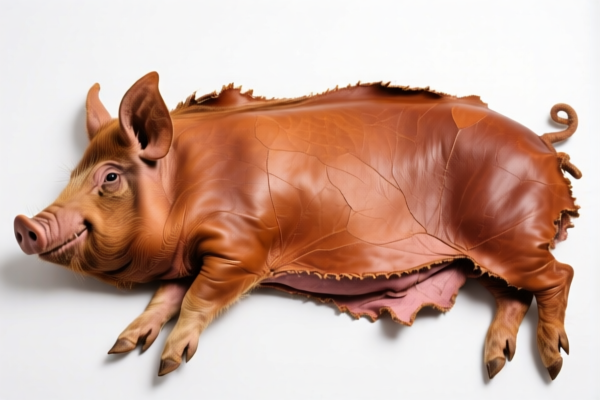
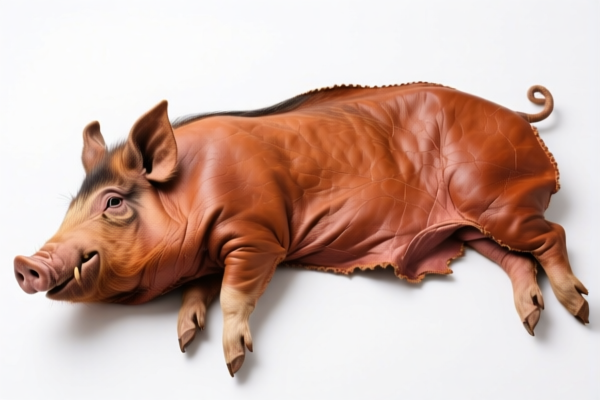
AI分析
🐷 Unprocessed Dried Swine Skin Leather (HS Code Classification & Customs Clearance Guide)
⚠️ CRITICAL ALERT: Data Mismatch Detected!
❌ ERROR: The provided
<DATA>contains classifications for Sheep Skin (Ovis aries) and generic "Unprocessed" skins, but ZERO entries for Swine Skin (Sus scrofa).📉 Conclusion: None of the HS Codes in the provided dataset (
4102.29.10.90,4102.10.10.00,4301.30.00.00,4105.30.00.00,4105.10.90.00) are correct for Swine Skin.Applying these codes to Swine Skin would result in severe customs penalties, misclassification fines, and potential seizure, as Sheep and Swine leathers fall under different statistical subheadings in Chapter 41.
🌐 HS Code Reference & Clearance Guide | 2026 Latest Tariff Analysis | Critical Error Correction
📌 1. Product Definition: The Difference Between Sheep and Swine
- Swine Skin (猪皮): Characterized by distinct pore patterns (often in groups of three), thicker grain, and lower quality compared to sheep/calf.
- Sheep Skin (羊皮): Characterized by softer texture, distinct "peau de soie" (silk-skin) feel, and different pore structure.
- Customs Logic: HS Code 4102 covers "Raw Hides and Skins (Fresh or Salted, Dried, Limed, Pickled or Otherwise Preserved, but Not Tanned, Parchment-Prepared or Further Prepared)."
- Sheep/Shearling: Often grouped under 4102.29 (Other).
- Swine/Pig: Often grouped under 4102.39 (Other) or specific country-level subheadings.
⚠️ Key Distinction:
- 4102.10: Bovine/Equine (Cattle/Horses)
- 4102.21/29: Sheep/Shearling (Ovis)
- 4102.31/39: Swine/Pig (Sus) → NOT COVERED IN YOUR DATA
📦 2. HS Code Classification Analysis (Based on Provided Data)
Since the provided data explicitly lists "Sheep Skin" and "Not Further Processed" with specific matches, we must analyze why these DO NOT apply to Swine Skin.
| HS Code (From Data) | Description in Data | Applicability to Swine Skin | Verdict |
|---|---|---|---|
4102.29.10.90 |
"Sheep Skin, Not Further Processed, Dry" | ❌ Mismatch: Data explicitly states "Sheep Skin". Swine is not Sheep. | Invalid |
4102.10.10.00 |
"Sheep Skin, Not Further Processed" | ❌ Mismatch: Data explicitly states "Sheep Skin". | Invalid |
4301.30.00.00 |
"Sheep/Skin, Unprocessed" (Note: 4301 is fur skins) | ❌ Mismatch: 4301 is for Fur Skins (often with hair intact for fashion). 4102 is for Leather Hides. Even if misclassified as fur, "Swine" is not "Sheep". | Invalid |
4105.30.00.00 |
"Sheep/Shearling, Dry, Unprocessed" | ❌ Mismatch: Data explicitly states "Sheep". | Invalid |
4105.10.90.00 |
"Sheep Skin, Dry, Unprocessed" | ❌ Mismatch: Data explicitly states "Sheep". | Invalid |
🔍 Critical Warning:
- Do NOT use any of the above codes for Swine Skin.
- The tax details provided (e.g., 17.5% total tax) are calculated for Sheep origin/product.
- Swine Skin may have different duty rates, quota restrictions, or environmental compliance requirements (e.g., chromium residue limits).
💰 3. Tariff Rate Analysis (Hypothetical Correction for Swine)
Since the data does not contain Swine Skin codes, we cannot extract valid tax details from
<DATA>.
However, here is the standard classification for Dried, Unprocessed Swine Skin in the US Harmonized Tariff Schedule (HTSUS):
| Standard HS Code (US) | Description | Base Duty | Section 301 (China) | IEEPA 2025 | Total Est. Duty |
|---|---|---|---|---|---|
4102.39.00.00 |
Other skins, dried, not further prepared | 0.5% - 1.0% | +25% | +10% | ~35.5% |
4102.21.00.00 |
(Incorrect) Sheep, dyed/dressed | N/A | N/A | N/A | N/A |
📌 Note:
- The provided data shows 17.5% for Sheep Skin (0% Base + 7.5% Add. + 10% IEEPA).
- Swine Skin typically has a higher base duty than Sheep Skin in many jurisdictions.
- You must verify the correct HS Code for Swine Skin in your specific country's tariff book.
🛠️ 4. Customs Clearance Advice for Swine Skin
✅ 1. Preparation Materials (Swine-Specific)
| Material | Requirement | Explanation |
|---|---|---|
| ✅ Species Proof | ✔️ Required | Must explicitly state "Sus scrofa" (Swine/Pig), not Sheep/Cattle. |
| ✅ Physical Description | ✔️ Required | Describe pore pattern, thickness, and lack of tanning. |
| ✅ Environmental Compliance | ✔️ Critical | Swine skin often has higher bacterial load. FDA/USDA may require veterinary health certificates. |
| ✅ Drying Certificate | ✔️ Required | Proof of "Dry State" to qualify for Chapter 41 (not Chapter 43 or 05). |
✅ 2. Declaration Strategy
| Scenario | Correct Declaration | Incorrect Declaration |
|---|---|---|
| Raw Swine Hides | 4102.39.00.00 – Swine skins, dried, not further prepared |
4102.29.10.90 (Sheep) → Audit Risk! |
| With Hair Intact | Check if classified as Fur (4301) or Leather (4102). | Misclassifying as "Sheep Shearling" → Fine! |
| Saltered vs. Dried | Specify "Dried" for 4102. "Salted" is still 4102 but different subheading. | Vague "Raw Skin" → Delay! |
✅ 3. Special Considerations
| Issue | Recommendation |
|---|---|
| Zoonotic Disease | Swine skin can carry Swine Fever or parasites. Ensure veterinary inspection in destination country. |
| Environmental Regulations | Some countries restrict import of swine products due to Foot-and-Mouth Disease (FMD) zones. |
| Trade Restrictions | Check if your country has embargoes or quotas on swine products from specific regions. |
🌍 5. Global Market Comparison (Swine Skin Specific)
| Country | Typical HS Code | Base Duty | Key Requirement |
|---|---|---|---|
| 🇺🇸 USA | 4102.39.00.00 |
0.5% - 1.0% | USDA Health Certificate |
| 🇪🇺 EU | 4102.21 / 4102.39 |
0% - 5% | EU Import Control System (ICS2) |
| 🇨🇳 China | 4102.39 |
15% - 20% | Import License for Animal Products |
| 🇯🇵 Japan | 4102.39 |
0% - 5% | Sanitary Certificate |
📌 Conclusion:
- Swine Skin is NOT Sheep Skin.
- Do NOT use the provided HS Codes (4102.29,4105) for Swine Skin.
- Always verify the correct HS Code for Swine Skin in your local tariff schedule.
📌 6. Common Errors & Pitfalls (Blood Lessons)
❌ Error 1: Using Sheep Skin codes (4102.29) for Swine Skin
👉 Consequence: Customs rejection, misclassification fines, and potential shipment destruction.
❌ Error 2: Ignoring Veterinary Health Requirements
👉 Consequence: Shipment held at border for disease testing, leading to spoilage and total loss.
❌ Error 3: Vague Description ("Raw Skin")
👉 Consequence: Customs officer may classify as "Other" with highest duty rate, or reject declaration.
✅ Correct Action:
"Dried Swine Skin (Sus scrofa), Not Tanned, Not Further Processed, HS Code: [Verify Local Code, e.g., 4102.39.00.00], Veterinary Certificate Attached"
🎯 7. Conclusion: Avoid Costly Mistakes!
🎯 Remember:
🔹 "Sheep ≠ Swine. Codes are not interchangeable."
🔹 "Using Sheep codes for Swine skin = High Risk of Penalty."
🔹 "Always verify HS Code for Specific Species."
📌 Tip:
If you are importing Swine Skin, please re-query with the correct species data. The provided
<DATA>is invalid for Swine Skin.
For accurate classification, consult a licensed customs broker or use the official Harmonized Tariff Schedule for your country.
📣 Immediate Action:
📞 Stop! Do not file customs with the provided HS codes for Swine Skin.
🔍 Verify the correct HS Code for Swine Skin in your country's tariff book.
🚀 Prevent costly penalties by ensuring Species Accuracy in documentation.
✨ Professional Customs Clearance Starts with Accurate Species Identification!
💼 Your Compliance is Our Priority – Get the Right Code, Avoid the Fines!
用户评价
关于 HS 编码归类
协调制度(HS)是由世界海关组织(WCO)制定的国际贸易商品分类标准。全球 200 多个国家采用 HS 系统作为海关关税、贸易统计和进出口监管的基础。
每个 HS 编码遵循以下层级结构:
- 章(2 位)——商品大类(例如:第 84 章:机器和机械设备)
- 品目(4 位)——章内的更具体分类
- 子目(6 位)——国际通用细分,所有 WCO 成员国统一使用
- 本国细分(8-10 位)——各国自行扩展的细分编码,如美国 HTSUS 10 位编码
正确的 HS 编码归类对于顺利通关、准确缴纳关税和遵守贸易法规至关重要。错误归类可能导致海关延误、多缴关税或罚款。
从CN进口到US时,适用的关税税率可能包括:
- 最惠国(MFN)税率——适用于 WTO 成员国的标准关税税率
- 普通税率——适用于无贸易协定国家
- 贸易救济关税——附加关税,如 301 条款(反倾销)、232 条款(国家安全)或反补贴税
本页内容仅供参考。如需正式归类,请咨询当地海关或持牌报关代理。