Synthetic Fiber Canvas Fabric for Workwear
CN → US| HS编码 | 关税税率 | 原产国 | 目的国 | 文档 |
|---|---|---|---|---|
| 5911310080 | 38.8% | CN | US | 官方文档 |
| 5512210050 | 47.0% | CN | US | 官方文档 |
| 5407922030 | 49.9% | CN | US | 官方文档 |
| 5407932030 | 47.0% | CN | US | 官方文档 |
| 5911900080 | 38.8% | CN | US | 官方文档 |
商品图片
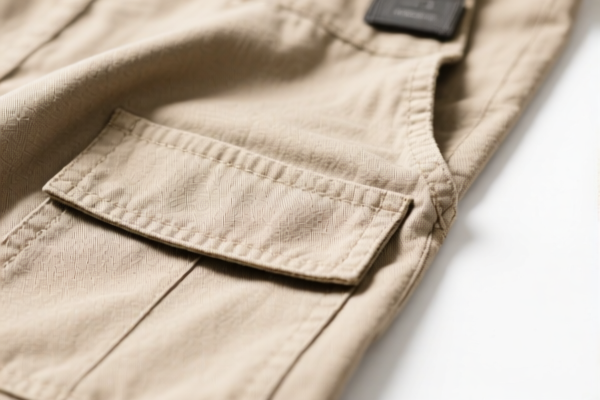
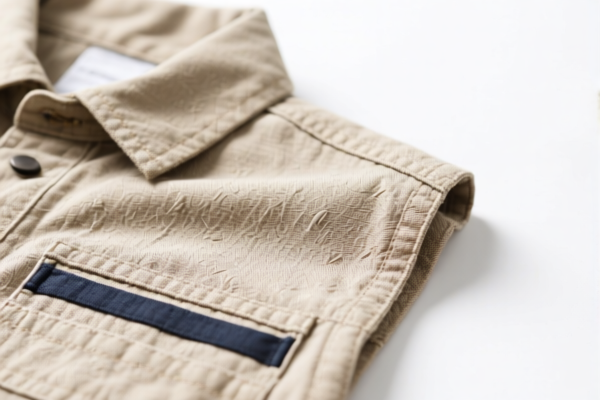
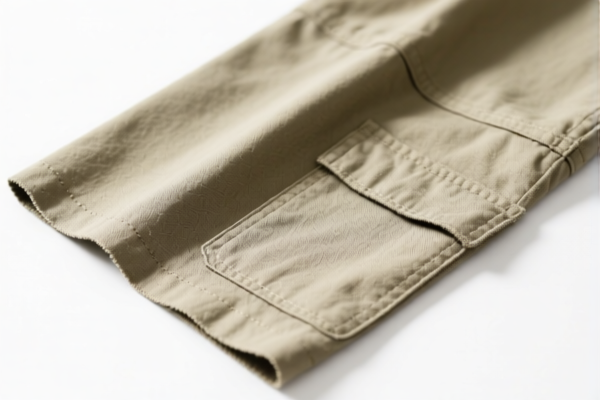
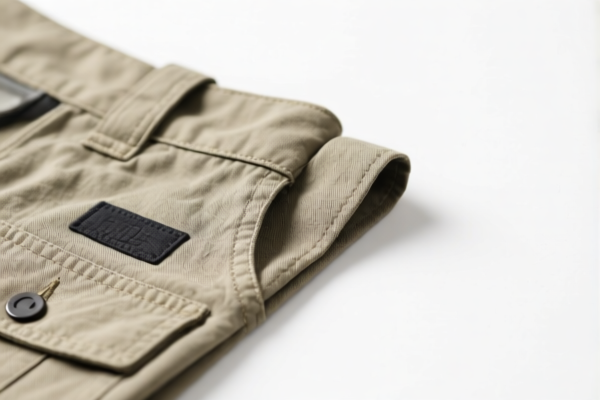
AI分析
🧵 Synthetic Fiber Canvas Fabric for Workwear
🌐 HS Code Classification & Customs Clearance Guide | 2026 Latest Tariff Analysis | Professional Compliance Strategy
📌 I. Product Definition: What is "Synthetic Fiber Canvas"?
"Synthetic Fiber Canvas Fabric for Workwear" refers to heavy-duty textile materials used primarily for industrial clothing, protective gear, and rugged apparel. In international trade, the classification hinges on three critical factors:
1. Material Composition: Whether it is made from Synthetic Staple Fibers (short fibers like polyester/cotton blends) or Synthetic Filament Yarns (continuous filaments like polyester/Nylon yarns).
2. Fabric Structure: Whether it fits specific technical textile definitions (e.g., coated, laminated, or technical cloth under Heading 59) or standard woven fabrics under Headings 54/55.
3. End Use: While intended for workwear, customs classification prioritizes material and structure over end use unless specifically exempted.
⚠️ Key Classification Distinction:
- If the fabric is considered a "Technical Textile" or "Special Woven Fabric" under Heading 59 (often due to coating, impregnation, or specific density), it falls under 5911.
- If it is a standard woven fabric made from short fibers, it falls under 5512.
- If it is a standard woven fabric made from filament yarns, it falls under 5407 or 5408 (though 5407 is more common for woven synthetics).
📦 II. HS Code Classification Details (2026 Latest Tariff Mapping)
Below are the 5 specific HS Codes identified for this product, based on the provided data. Each code reflects a different interpretation of material (staple vs. filament) and structural classification (general textile vs. technical textile).
| HS Code | Product Description | Material/Structure Basis | Tariff Rate |
|---|---|---|---|
| 5911.31.00.80 | Technical/Workwear Canvas | Classified as a technical textile/canvas under Heading 59. Assumes synthetic fiber material. | 38.8% |
| 5911.90.00.80 | Technical/Workwear Canvas (General) | Classified as other technical woven fabrics/fabrics for technical use. Assumes synthetic fiber material. | 38.8% |
| 5512.21.00.50 | Synthetic Staple Fiber Woven Fabric | Classified as woven fabric made from synthetic staple fibers (e.g., polyester short fibers). "Canvas" is treated as a twill/duck weave. | 47.0% |
| 5407.92.20.30 | Synthetic Filament Woven Fabric | Classified as woven fabric made from synthetic filament yarns (continuous fibers). Categorized under "Other" woven fabrics. | 49.9% |
| 5407.93.20.30 | Synthetic Filament Woven Fabric (Alt.) | Classified as woven fabric made from synthetic filament yarns/fibers. Categorized under "Other" woven fabrics. | 47.0% |
🔍 Critical Note:
- 5911 Codes generally offer the lowest tariff (38.8%) if the fabric meets the definition of "technical textiles" or specific canvas types listed under Heading 59.
- 5512 Code applies if the fabric is made from staple fibers (not continuous filaments).
- 5407 Codes apply if the fabric is made from filament yarns. The difference between .92 and .93 often lies in the specific fiber type (e.g., polyester vs. nylon) or weave structure, with .92 carrying a higher base rate (14.9% vs. 12.0%).
💰 III. 2026 Latest Tariff Rate Breakdown (Including Surcharges & Policy Add-ons)
✅ Applicable Country: United States (US)
✅ Country of Origin: China (CN)
✅ Effective Date: Tariffs apply to imports from China.
The total tariff rate consists of three components:
1. MFN Base Duty: The standard WTO-based duty rate.
2. Section 301 Tariff (25%): Additional duty imposed on Chinese goods.
3. Section 122 Tariff (10%): Additional duty under specific trade remedy provisions (often referred to as "122 clause" in internal compliance data).
🎯 1. HS Code 5911.31.00.80 & 5911.90.00.80
Best Tariff Option for Technical Canvas
| Item | Detail |
|---|---|
| Base Duty | 3.8% |
| Section 301 Surcharge | +25.0% |
| Section 122 Surcharge | +10.0% |
| Total Effective Rate | 38.8% |
| Calculation | CIF Value × 38.8% |
| De Minimis Exemption? | ❌ No (High value, not eligible for Section 321) |
| Legal Path | MFN 5911.31 → Section 301 Footnote → Section 122 |
📌 Explanation:
- This is the most cost-effective classification if the product can be justified as a "technical textile" or "canvas" under Heading 59.
- The base duty is low (3.8%), making the total tax burden significantly lower than filament/staple fabric classifications.
🎯 2. HS Code 5512.21.00.50
For Synthetic Staple Fiber Canvas
| Item | Detail |
|---|---|
| Base Duty | 12.0% |
| Section 301 Surcharge | +25.0% |
| Section 122 Surcharge | +10.0% |
| Total Effective Rate | 47.0% |
| Calculation | CIF Value × 47.0% |
| De Minimis Exemption? | ❌ No |
| Legal Path | MFN 5512.21 → Section 301 Footnote → Section 122 |
📌 Explanation:
- Applies if the fabric is made from short synthetic fibers (e.g., spun polyester) and does not qualify for Heading 59.
- Higher base duty (12%) results in a higher total cost.
🎯 3. HS Code 5407.92.20.30
For Synthetic Filament Woven Fabric (Highest Burden)
| Item | Detail |
|---|---|
| Base Duty | 14.9% |
| Section 301 Surcharge | +25.0% |
| Section 122 Surcharge | +10.0% |
| Total Effective Rate | 49.9% |
| Calculation | CIF Value × 49.9% |
| De Minimis Exemption? | ❌ No |
| Legal Path | MFN 5407.92 → Section 301 Footnote → Section 122 |
📌 Explanation:
- Applies to filament yarns (continuous fibers) with a base duty of 14.9%.
- Highest total tariff rate (49.9%). Avoid this classification if possible by proving filament status or moving to Heading 59.
🎯 4. HS Code 5407.93.20.30
For Synthetic Filament Woven Fabric (Alternative)
| Item | Detail |
|---|---|
| Base Duty | 12.0% |
| Section 301 Surcharge | +25.0% |
| Section 122 Surcharge | +10.0% |
| Total Effective Rate | 47.0% |
| Calculation | CIF Value × 47.0% |
| De Minimis Exemption? | ❌ No |
| Legal Path | MFN 5407.93 → Section 301 Footnote → Section 122 |
📌 Explanation:
- Similar to 5407.92 but with a slightly lower base duty (12.0%).
- Total rate is 47.0%, better than 5407.92 but still worse than 5911 codes.
🛠️ IV. Customs Clearance Operational Advice (Practical Pitfall Avoidance)
✅ 1. Preparation Checklist (Mandatory Documents)
| Document | Required | Reason |
|---|---|---|
| ✅ Technical Specification Sheet | ✔️ | Must detail: Fiber type (staple vs. filament), denier, weave structure, density, and any coatings/impregnations. |
| ✅ Composition Certificate | ✔️ | Proof of synthetic fiber content (e.g., 100% Polyester, 65/35 Poly/Cotton). |
| ✅ Product Photos | ✔️ | Close-ups of weave, edge, and any coatings to justify Heading 59 if claimed. |
| ✅ Commercial Invoice | ✔️ | Clear description: "Synthetic Fiber Canvas Fabric, Woven, for Workwear." |
| ✅ Packing List | ✔️ | Weight and dimensions for freight calculation. |
| ✅ Third-Party Test Report | ✔️ | ISO/GSTC tests for tensile strength, abrasion resistance (helps justify "technical textile" status for 5911). |
✅ 2. Declaration Strategy (Critical Keywords)
🔥 "Material Defines HS, Structure Confirms It, Technical Use Justifies 59!"
| Scenario | Recommended HS Code | Key Declaration Keywords | Risk if Incorrect |
|---|---|---|---|
| Best Case (Technical) | 5911.31.00.80 or 5911.90.00.80 |
"Technical Woven Fabric", "Impregnated Canvas", "Reinforced Synthetic Textile" | If rejected, reassessed to 5512/5407 (+10% to +11% tax increase). |
| Standard Staple | 5512.21.00.50 |
"Synthetic Staple Fiber Woven Fabric", "Duck Cloth", "Canvas" | Misclassifying as filament leads to 5407 penalties. |
| Standard Filament | 5407.93.20.30 |
"Synthetic Filament Woven Fabric", "Yarn-dyed Canvas" | Base duty 12% is better than 14.9%, but worse than 5911. |
⚠️ Warning:
- Do NOT use generic terms like "Textile Fabric" without specifying material.
- Do NOT claim Heading 59 status without evidence of technical properties (e.g., coating, specific density, or industrial reinforcement). Customs may challenge this and downgrade to 5512/5407, resulting in additional duty + penalties.
✅ 3. Special Circumstances
| Situation | Action |
|---|---|
| OEM Custom Canvas | Provide design specs showing technical requirements (e.g., fire-retardant, high-tenacity). |
| Blended Fabrics | If cotton/poly blend, check if it still qualifies as "Synthetic" for 5911/5512. Some blends may fall under different headings (e.g., 5208-5212 for cotton). |
| Coated/Laminated | Strongly consider 5911 if coated/impregnated. This is the best path to 38.8% tariff. |
🌍 V. Global Market Comparison (2026 Outlook)
| Market | Recommended HS Code | Est. Total Duty (China Origin) | Notes |
|---|---|---|---|
| 🇺🇸 USA | 5911.31.00.80 / 5911.90.00.80 |
38.8% | Lowest option due to low base duty. Avoid 5407.92 (49.9%). |
| 🇨🇳 China | 5911.31.00.80 |
~1-5% | Import duties are low; VAT applies. |
| 🇪🇺 EU | 5911.31.00.80 (8-digit match) |
0-4% | No Section 301/122 surcharges. Lower base duties. |
| 🇬🇧 UK | 5911.31.00.80 |
0-4% | Post-Brexit tariffs generally favorable for textiles. |
📌 Conclusion:
- USA is the most expensive market due to Section 301 (25%) and Section 122 (10%) surcharges.
- Maximize savings by aiming for HS Code 5911 (38.8% total) rather than 5407/5512 (47-50% total).
- Ensure your product documentation supports the "Technical Textile" classification to justify 5911.
📌 VI. Common Errors & Pitfall Guide (Lessons Learned)
❌ Error 1: Declaring "Synthetic Canvas" under 5407.92.20.30
👉 Result: Paying 49.9% instead of 38.8%.
👉 Fix: Provide technical specs to justify Heading 59 (5911).
❌ Error 2: Claiming Heading 59 for uncoated, standard weave fabric
👉 Result: Customs rejects 5911, reclassifies to 5512/5407, applies back-duties + penalties.
👉 Fix: Only use 5911 if the fabric has technical properties (coating, lamination, specific industrial density).
❌ Error 3: Ignoring Section 122 surcharges
👉 Result: Underestimating landed cost by 10%.
👉 Fix: Always add 10% to the 301 tariff calculation.
✅ Correct Declaration Example:
"Woven Synthetic Fiber Canvas Fabric, Technical Textile, Impregnated, for Industrial Workwear, Model XYZ, 100% Polyester Filament Yarn"
🎯 VII. Conclusion: Professional Classification, Cost Optimization!
🎯 Key Takeaway:
🔹 "Heading 59 is your golden ticket" — It reduces the total tariff from ~50% to 38.8%.
🔹 "Material Matters" — Staple fibers = 5512 (47%); Filament = 5407 (47-50%); Technical Canvas = 5911 (38.8%).
🔹 "Document Your Tech Specs" — Without proof of technical use, you cannot claim 5911.
📌 Pro Tip:
If your fabric is uncoated and standard, you may be forced into 5512/5407. In that case, 5407.93 (47%) is better than 5407.92 (49.9%).
Always request a Pre-Ruling (ISR) from US Customs if the classification is ambiguous.
📣 Next Steps:
📞 Consult a licensed customs broker.
📄 Provide detailed fabric tech sheets.
📉 Aim for HS 5911 to save ~11% in total duty.
✨ Precision in Classification = Precision in Profit!
💼 Every percentage point in duty rate is a point in margin!
用户评价
关于 HS 编码归类
协调制度(HS)是由世界海关组织(WCO)制定的国际贸易商品分类标准。全球 200 多个国家采用 HS 系统作为海关关税、贸易统计和进出口监管的基础。
每个 HS 编码遵循以下层级结构:
- 章(2 位)——商品大类(例如:第 84 章:机器和机械设备)
- 品目(4 位)——章内的更具体分类
- 子目(6 位)——国际通用细分,所有 WCO 成员国统一使用
- 本国细分(8-10 位)——各国自行扩展的细分编码,如美国 HTSUS 10 位编码
正确的 HS 编码归类对于顺利通关、准确缴纳关税和遵守贸易法规至关重要。错误归类可能导致海关延误、多缴关税或罚款。
从CN进口到US时,适用的关税税率可能包括:
- 最惠国(MFN)税率——适用于 WTO 成员国的标准关税税率
- 普通税率——适用于无贸易协定国家
- 贸易救济关税——附加关税,如 301 条款(反倾销)、232 条款(国家安全)或反补贴税
本页内容仅供参考。如需正式归类,请咨询当地海关或持牌报关代理。