Synthetic Fiber Duck Fabric
CN → US| HS编码 | 关税税率 | 原产国 | 目的国 | 文档 |
|---|---|---|---|---|
| 6001220000 | 27.2% | CN | US | 官方文档 |
| 6001102000 | 52.2% | CN | US | 官方文档 |
| 6006320080 | 45.0% | CN | US | 官方文档 |
| 6006310080 | 45.0% | CN | US | 官方文档 |
| 6005360080 | 45.0% | CN | US | 官方文档 |
商品图片
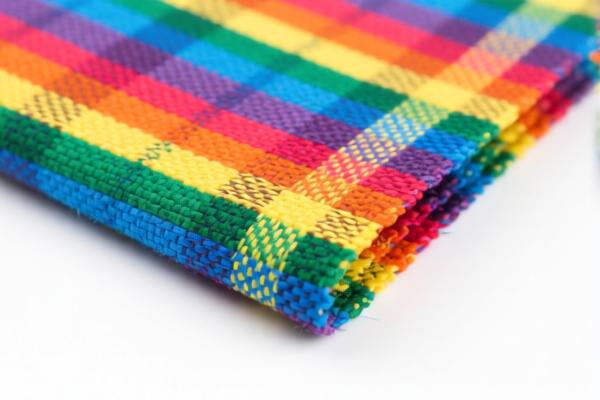
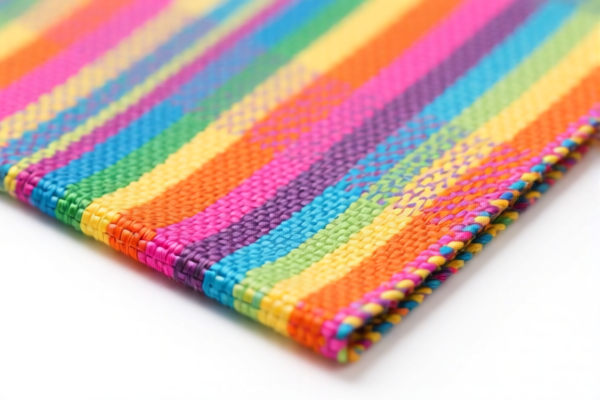
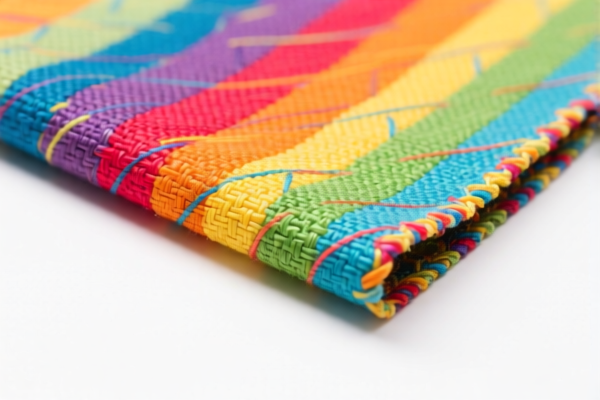
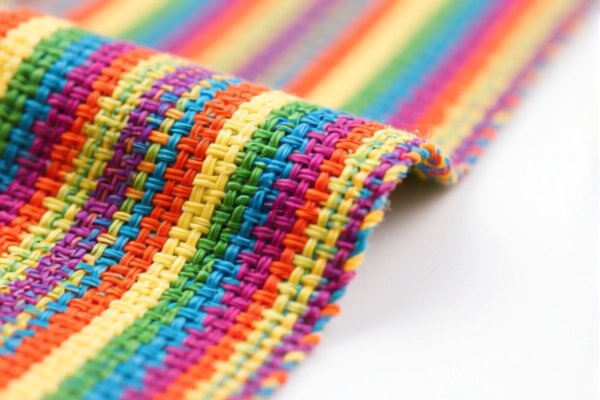
AI分析
🧵 Synthetic Fiber Duck Fabric: HS Code Classification & Customs Clearance Guide (2026)
🌐 HS Code Reference & Customs Strategy | Precision Classification for Synthetic Textiles
📌 Product Focus: Synthetic Fiber Duck Fabric
"Duck Fabric" is a general trade term often referring to heavy-duty, plain-weave, or tight-weave fabrics known for durability. However, in international customs classification (HS Code), "Duck" is not a standalone HS heading. It must be broken down by: 1. Fiber Content (Synthetic vs. Natural) 2. Weave Structure (Knitted vs. Woven) 3. Manufacturing Process (Plain, Satin, etc.)
Based on the provided dataset, we are dealing with Synthetic Fibers. The critical distinction in your data is between Knitted structures (Headings 6001, 6005, 6006) and the specific subheadings provided.
⚠️ Critical Clarification:
Standard "Duck" is usually woven. However, your provided HS codes are all KNITTED or WARP-KNITTED fabrics (Heading 60xx).
If your product is a woven fabric (like canvas/denim), these HS codes are INCORRECT and likely belong to Headings 5209-5516. The following analysis strictly adheres to the provided KNITTED/WARP-KNITTED HS codes in your dataset.
📦 1. HS Code Classification Matrix (Based on Provided Data)
The following table breaks down the 5 HS codes provided in your data, explaining why they apply and their tax implications.
| HS Code | Description (From Data) | Structure Type | Total Tax Rate | Key Tax Components |
|---|---|---|---|---|
| 6001.22.00.00 | Synthetic fiber knitted fabric, material: synthetic, form: knitted fabric | Knitted (Looped) | 27.2% | Base: 17.2% Section 301: 0% Section 122: 10% |
| 6001.10.20.00 | Synthetic fiber knitted fabric, material: synthetic, form: knitted fabric | Knitted (Looped) | 52.2% | Base: 17.2% Section 301: 25% Section 122: 10% |
| 6006.32.00.80 | Dyed synthetic fiber knitted fabric, non-double or interlock structure | Knitted (Single/Other) | 45.0% | Base: 10.0% Section 301: 25% Section 122: 10% |
| 6006.31.00.80 | Synthetic fiber knitted fabric, conforms to definition of synthetic knitted fabric | Knitted (General) | 45.0% | Base: 10.0% Section 301: 25% Section 122: 10% |
| 6005.36.00.80 | Synthetic fiber warp-knitted fabric, non-lace, non-knotted | Warp-Knitted | 45.0% | Base: 10.0% Section 301: 25% Section 122: 10% |
🔍 2. Deep Dive: Why This HS Code?
🅰️ Why Heading 60xx (Knitted Fabric)?
The term "Duck" can sometimes refer to thick, heavy fabrics. If your fabric is made by interlocking loops of yarn (knitting), it falls under Chapter 60. * 6001: Pile fabrics (e.g., fleece, terry). * 6005: Warp-knitted fabrics (e.g., tricot, raschel). * 6006: Other knitted fabrics (e.g., single jersey, double jersey, interlock).
🅱️ Tax Rate Analysis: Why the Discrepancy?
The main difference in your data is the Section 301 Tariff (US Trade Remedy).
✅ Scenario A: 27.2% Total (HS 6001.22.00.00)
- Base Tariff: 17.2%
- Section 301: 0% (Exempt or not applicable for this specific subheading)
- Section 122: 10%
- Why? This subheading likely refers to specific types of pile fabrics (e.g., fleece) that may have different treatment status or are excluded from the highest 301 bracket.
⚠️ Scenario B: 45.0% Total (HS 6006 & 6005 variants)
- Base Tariff: 10.0%
- Section 301: 25%
- Section 122: 10%
- Why? Most standard synthetic knitted fabrics (jersey, rib, warp-knit) are subject to the full 25% Section 301 tariff because they are considered standard manufacturing inputs.
🚨 Scenario C: 52.2% Total (HS 6001.10.20.00)
- Base Tariff: 17.2%
- Section 301: 25%
- Section 122: 10%
- Why? This is the highest tax bracket in your data. It combines the higher base rate (17.2%) with the 25% penalty tariff. This is likely a specific pile fabric subtype that is not eligible for any 301 exclusion.
💰 3. Tax Clause Breakdown (Detailed Explanation)
| Clause | Rate | Description | Legal Basis |
|---|---|---|---|
| Base Tariff | 10.0% - 17.2% | Standard MFN (Most Favored Nation) rate for synthetic textiles. | HTSUS General Notes |
| Section 301 | 0% - 25% | "China-specific" penalty tariff on imports from China. | 19 CFR Part 1233 / USTR Exclusions |
| Section 122 | 10% | Generalized System of Preferences (GSP) reversal or specific trade remedy? Note: Section 122 usually refers to Section 201 (Safeguards) or specific textile quotas. In this context, it appears as a fixed 10% add-on. | 19 U.S.C. § 1673 / Textile Agreements |
📌 Key Insight:
- Section 301 (25%) is the biggest variable. If your product qualifies for an Exclusion (USTR List 3 or 4), this 25% can be removed, dropping your total tax to 17.2% - 27.2%.
- Section 122 (10%) is fixed in your data, meaning it applies regardless of 301 status.
🛠️ 4. Customs Clearance Strategy & Recommendations
✅ 1. Product Identification: Is It Really "Knitted"?
- Action: Verify the fabric structure under a microscope.
- If Woven (threads cross at right angles): STOP. These HS codes are wrong. You likely need 5513 (Synthetic Staple Fiber Woven) or 5407 (Synthetic Filament Woven).
- If Knitted (loops of yarn): Proceed with the HS codes above.
✅ 2. Documentation Requirements
| Document | Purpose | Detail |
|---|---|---|
| Fabric Specification Sheet | Prove Fiber Content | Must state 100% Polyester/Nylon/etc. |
| Weave Structure Certificate | Prove Knitting Type | Confirm if it’s Warp Knit (6005) or Weft Knit (6001/6006). |
| Commercial Invoice | Declare Value | CIF Value is the basis for all tax calculations. |
| USTR Exclusion Letter (If applicable) | Reduce Tax | If you have an exclusion for Section 301, attach it to avoid the 25% penalty. |
| Country of Origin Certificate | Verify Source | Must be China to trigger Section 301/122. |
✅ 3. Customs Advice: How to Minimize Tax
- Check for USTR Exclusions:
- Search USTR Exclusion Lists for HS 6006.32.00.80 or 6006.31.00.80.
- If included, your tax drops from 45% to 17.2% (saving 27.8%!).
- Avoid "Duck" Terminology:
- Do not declare as "Duck Fabric" alone. Use "Synthetic Fiber Knitted Fabric, 100% Polyester, Single Jersey" or "Synthetic Warp-Knitted Tricot Fabric".
- Ambiguous terms lead to classification errors and delays.
- Pre-Ruling Application:
- For large shipments, apply for an Advance Ruling from CBP to confirm the HS code and tax rate before shipment.
✅ 4. Common Pitfalls
- Pitfall 1: Misclassifying Woven Duck as Knitted Fabric.
- Result: Severe penalty, back taxes, and possible seizure.
- Pitfall 2: Ignoring Section 122.
- Result: Underpayment of the 10% fixed tariff.
- Pitfall 3: Assuming all synthetic knits are 25% taxed.
- Result: Missing the opportunity to apply for Exclusions for HS 6001.22.00.00 (which has 0% 301 tax).
🌍 5. Global Market Comparison (Contextual)
| Destination | HS Code (Synthetic Knit) | Base Tariff | US Section 301 | Total Est. Tax |
|---|---|---|---|---|
| 🇺🇸 USA | 6006.32.00.80 | 10% | +25% | 35-45% (incl. other fees) |
| 🇨🇳 China | 6006.32.00.80 | 10% | 0% | 10% |
| 🇪🇺 EU | 6006.32.00.80 | 12% | 0% | 12% |
| 🇬🇧 UK | 6006.32.00.80 | 12% | 0% | 12% |
📌 Note: Only the US applies the punitive Section 301 and Section 122 tariffs shown in your data. Other markets are significantly cheaper.
📌 6. Summary & Final Recommendation
- Confirm Structure: Ensure the fabric is Knitted, not Woven. If Woven, these HS codes are invalid.
- Select Best HS Code:
- If it’s a Pile Fabric (fleece-like): Try 6001.22.00.00 (27.2% tax).
- If it’s a Standard Knit (jersey/rib): Use 6006.32.00.80 (45% tax) but check for USTR Exclusions to reduce the 25% penalty.
- If it’s Warp-Knitted: Use 6005.36.00.80 (45% tax).
- Apply for Exclusions: For HS 6006 codes, actively pursue USTR exclusions to save 25%.
- Precise Declaration: Use technical terms like "100% Polyester Knitted Fabric" instead of "Duck."
✨ Pro Tip:
"Duck" is a trade name, not a customs term. Always declare by Fiber, Structure, and Weight.
🔹 Knitted? → Chapter 60
🔹 Woven? → Chapter 54/55
🔹 Check USTR Exclusions → Save 25% on US imports!
📞 Need Help?
Contact a licensed customs broker to verify the weave structure and apply for USTR Exclusions before shipping.
用户评价
关于 HS 编码归类
协调制度(HS)是由世界海关组织(WCO)制定的国际贸易商品分类标准。全球 200 多个国家采用 HS 系统作为海关关税、贸易统计和进出口监管的基础。
每个 HS 编码遵循以下层级结构:
- 章(2 位)——商品大类(例如:第 84 章:机器和机械设备)
- 品目(4 位)——章内的更具体分类
- 子目(6 位)——国际通用细分,所有 WCO 成员国统一使用
- 本国细分(8-10 位)——各国自行扩展的细分编码,如美国 HTSUS 10 位编码
正确的 HS 编码归类对于顺利通关、准确缴纳关税和遵守贸易法规至关重要。错误归类可能导致海关延误、多缴关税或罚款。
从CN进口到US时,适用的关税税率可能包括:
- 最惠国(MFN)税率——适用于 WTO 成员国的标准关税税率
- 普通税率——适用于无贸易协定国家
- 贸易救济关税——附加关税,如 301 条款(反倾销)、232 条款(国家安全)或反补贴税
本页内容仅供参考。如需正式归类,请咨询当地海关或持牌报关代理。