Synthetic Fiber Fabric
CN → US| HS编码 | 关税税率 | 原产国 | 目的国 | 文档 |
|---|---|---|---|---|
| 5513130090 | 49.9% | CN | US | 官方文档 |
| 5407522020 | 49.9% | CN | US | 官方文档 |
| 5407420030 | 49.9% | CN | US | 官方文档 |
| 5512110090 | 24.0% | CN | US | 官方文档 |
| 5512190005 | 48.6% | CN | US | 官方文档 |
商品图片
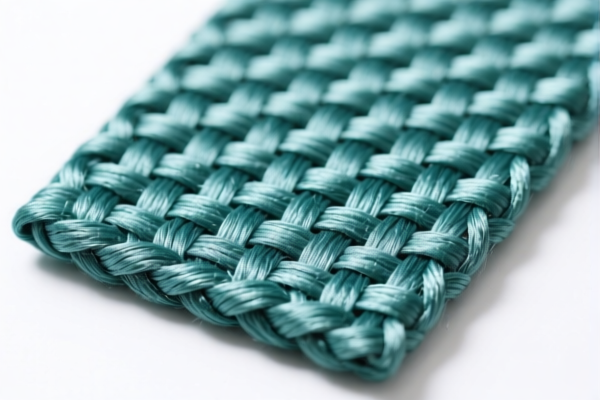
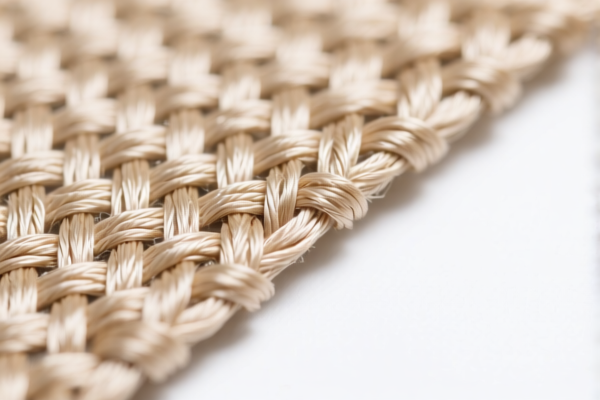
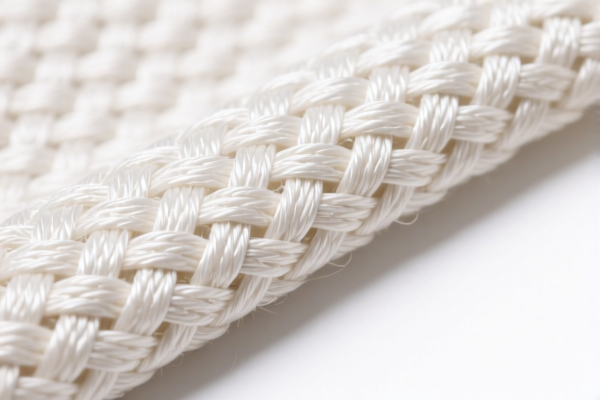
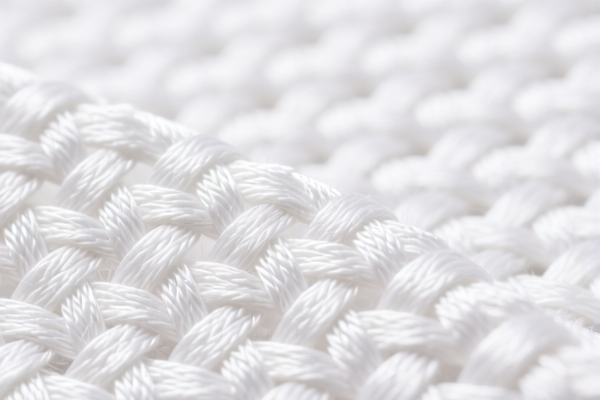
AI分析
🧵 Synthetic Fiber Fabric (Composite Apparel Materials)
🌐 HS Code Reference & Customs Clearance Guide | 2026 Latest Tariff Analysis | Professional Clearance Strategy
📌 I. Product Definition & Classification: Do You Really Understand "Synthetic Fiber Fabric"?
Synthetic Fiber Fabric refers to textiles made from man-made polymers (such as polyester, nylon, acrylic, etc.) rather than natural fibers like cotton or wool. In international trade, the classification depends heavily on two factors:
1. Fiber Type: Long filament (continuous thread) vs. Staple fiber (short chopped strands).
2. Fabric Structure: Woven, knitted, or other forms, and specific finishing processes.
⚠️ Key Distinction Point:
- If made from continuous filaments (long threads) → Typically falls under Chapter 54 (Man-made Filament Yarn; Strip...);
- If made from staple fibers (short fibers spun into yarn) → Typically falls under Chapter 55 (Man-made Staple Fibers).
- Misclassification Risk: Declaring a filament fabric as staple fiber (or vice versa) can lead to massive tariff differences (e.g., 49.9% vs. 24.0%).
📦 II. HS Code Classification Details (2026 Latest Tariff Authority Comparison)
Based on the provided data, here are the five possible HS Codes for Synthetic Fiber Fabrics, along with their specific scenarios and tax implications.
| HS Code | Product Description | Applicable Scenario | Fiber Structure |
|--------|----------|--------------------------|
| 5407.42.00.30 | Synthetic Filament Fabric, Woven | Defined synthetic filament material with fabric morphology; fits definition of synthetic filament woven fabric. | ✅ Long Filament |
| 5407.52.20.20 | Synthetic Filament Fabric, Other | Polyester/synthetic fiber material; based on "lack of specific description" principle, it defaults to this category. | ✅ Long Filament |
| 5513.13.00.90 | Synthetic Staple Fiber Fabric, Other | Synthetic material with fabric morphology; falls under the "other" catch-all category. | ✅ Staple Fiber |
| 5512.11.00.90 | Synthetic Staple Fiber Fabric, Unbleached/Colored | Matches synthetic staple fiber material with woven fabric morphology; no specific variety conflict; fits "other" category. | ✅ Staple Fiber |
| 5512.19.00.05 | Synthetic Staple Fiber Fabric, Other | Meets synthetic staple fiber fabric requirements; no exclusive conflicts. | ✅ Staple Fiber |
🔍 Important Reminder:
- Filament vs. Staple:5407.xxxxcodes are for filament (smooth, continuous threads, often used in shiny or technical fabrics);55xx.xxxxcodes are for staple (short fibers, often used in cotton-like or matte fabrics).
- "Other" Categories: Codes ending in.90or.05often imply they do not fit specific sub-categories (e.g., specific weights or weaves), making them the "default" if details are missing.
💰 III. 2026 Latest Tariff Rate Detailed Explanation (Including Surcharges & Policy Add-ons)
✅ Applicable Country: United States (US)
✅ Origin: China (CN)
✅ Effective Date: Current rates apply for imports from China.
🎯 1. High-Tariff Group: Filament Fabrics (5407.42.00.30, 5407.52.20.20, 5513.13.00.90, 5512.19.00.05)
These codes attract the highest combined tariff rate of 49.9% due to specific trade remedies.
| Item | Content |
|---|---|
| Base Tariff | 14.9% (Most Favored Nation rate) |
| Section 301 Surcharge | +25.0% (Additional tariff under Section 301) |
| Section 122 Tariff | +10.0% (Specific additional tariff provision) |
| Total Tax Rate | 49.9% |
| Tax Calculation | CIF Value × 49.9% |
| De Minimis Exemption | ❌ Not Eligible (High rate usually blocks de minimis benefits for large shipments) |
| Legal Basis Path | USITC:5407.xxxx/5513.xxxx → Section 301: Footnote 9903 → Section 122: Specific Trade Act |
📌 Interpretation:
- The 49.9% rate is extremely high. It consists of a base duty (14.9%) plus significant political surcharges.
- Section 301 (25%) targets Chinese imports broadly.
- Section 122 (10%) is a specific national security/import relief measure.
- Advice: For these codes, consider supply chain diversification (e.g., sourcing from Vietnam or India) to avoid these punitive tariffs.
🎯 2. Low-Tariff Group: Specific Staple Fiber Fabric (5512.11.00.90)
This code offers a significantly lower total rate of 24.0%.
| Item | Content |
|---|---|
| Base Tariff | 12.0% |
| Section 301 Surcharge | +2.0% (Note: Reduced surcharge for this specific sub-category) |
| Section 122 Tariff | +10.0% |
| Total Tax Rate | 24.0% |
| Tax Calculation | CIF Value × 24.0% |
| De Minimis Exemption | ❌ Not Eligible |
| Legal Basis Path | USITC:5512.11.00.90 → Section 301: Reduced Footnote → Section 122 |
📌 Interpretation:
- While still high, 24.0% is half the cost of the 49.9% group.
- The Section 301 surcharge is only 2% instead of 25%, indicating this specific staple fiber category may have different trade policy considerations.
- Advice: If your product can technically qualify as5512.11.00.90(e.g., specific unbleached/colored staple fiber weave), this is the most cost-effective option among the provided codes.
🛠️ IV. Customs Clearance Practical Advice (Battle-Tested Pitfall Guide)
✅ 1. Preparation Checklist (All Items Required)
| Document | Required | Explanation |
|---|---|---|
| ✅ Product Specification Sheet | ✔️ | Must clearly state: Fiber content (e.g., 100% Polyester), Denier/Weight, Weave type (Woven/Knitted), and Finish. |
| ✅ Fabric Swatch/Photo | ✔️ | Visual proof of filament vs. staple appearance (shiny vs. matte). |
| ✅ Manufacturing Process Description | ✔️ | Explain if it's filament or staple. Critical for distinguishing between Ch 54 and Ch 55. |
| ✅ Commercial Invoice | ✔️ | Must match HS Code exactly. Use precise terms like "Synthetic Filament Woven Fabric." |
| ✅ Packing List | ✔️ | Details on roll length, weight, and dimensions. |
| ✅ Certificate of Origin (CO) | ✔️ | Proof of Chinese origin triggers the 49.9% rate. |
✅ 2. Declaration Tips (Key Mnemonics)
🔥 “Filament is 54, Staple is 55; Wrong Code, Double Trouble! Check the Shine: Smooth is Filament, Matte is Staple!”
| Scenario | Correct Declaration | Incorrect Action | Consequence |
|---|---|---|---|
| Shiny, continuous thread fabric | 5407.42.00.30 or 5407.52.20.20 |
Declaring as Stapile Fiber | 49.9% vs. 24.0% (Overpayment) OR Customs seizure for misclassification. |
| Matte, short-fiber fabric | 5512.11.00.90 |
Declaring as Filament | Potential penalty for false declaration, but lower tariff risk. |
| Generic "Synthetic Fabric" | Must specify Filament or Staple | Vague description | Customs will assign the highest possible duty (49.9%) by default. |
| Mixed Blends | Declare main fiber content | Ignoring blend ratio | If staple is <85%, may still be classified as staple, but must prove %. |
✅ 3. Special Case Handling
| Scenario | Handling Advice |
|---|---|
| Unclear Fiber Type | Provide a laboratory test report from a third-party agency (e.g., SGS, Intertek) confirming filament vs. staple. |
| New/Unknown Fabric | Request an Advance Ruling (Ruling Letter) from CBP before shipping. This locks in the HS Code and tariff rate. |
| Section 122 Impact | Verify if the 10% Section 122 tariff is still active for your specific product line, as these policies change frequently. |
| Duty Drawback | If the fabric is later exported as finished garments, investigate Duty Drawback claims to recover the 49.9% paid. |
🌍 V. Global Market Comparison (2026 Update)
| Market | Recommended HS Code | Tariff Rate (China Origin) | Key Requirements |
|---|---|---|---|
| 🇺🇸 USA | 5407.42.00.30 / 5512.11.00.90 |
49.9% or 24.0% | Section 301 + Section 122 apply. High cost. |
| 🇨🇳 China | Same HS Codes | 5% - 9% | No Section 301. Low cost. |
| 🇪🇺 EU | Similar HS Codes | 0% - 6% | No Section 301. GSP/Free Trade Agreements may apply. |
| 🇬🇧 UK | Similar HS Codes | 0% - 6% | Post-Brexit tariffs. Generally lower than US. |
| 🇯🇵 Japan | Similar HS Codes | 0% - 5% | CPTPP agreements may reduce rates. |
📌 Conclusion:
- The US market is uniquely expensive for Chinese synthetic fabrics due to Section 301 and 122 tariffs.
- Strategy: For US-bound goods, duty engineering (correctly identifying staple vs. filament to target the 24.0% bracket) is critical. Consider third-country manufacturing (Vietnam, Bangladesh) if tariffs exceed margins.
📌 VI. Common Errors & Pitfall Guide (Lessons Learned)
❌ Error 1: Calling all synthetic fabric "Polyester" without specifying filament/staple.
👉 Consequence: Customs defaults to the highest applicable duty (49.9%).
❌ Error 2: Assuming "Lightweight" fabric is exempt from Section 301.
👉 Consequence: Section 301 applies to most textile categories; weight does not exempt it.
❌ Error 3: Using "Textile" as the generic description on the Invoice.
👉 Consequence: High audit risk, delays, and potential penalties for insufficient detail.
❌ Error 4: Ignoring Section 122.
👉 Consequence: Missing the 10% surcharge leads to underpayment, resulting in late fees and interest.
✅ Correct Practice:
"100% Polyester Synthetic Filament Woven Fabric, Unbleached, 150D, 60 Inch Width, HS 5407.42.00.30, Origin: China"
🎯 VII. Conclusion: Precision Classification Saves Money!
🎯 Remember the Mnemonic:
🔹 "Filament is 54, Staple is 55; 49.9% is Painful, 24.0% is Relief!"
🔹 "Shiny? Filament. Matte? Staple. Check your Code or Pay Double!"
📌 Pro Tip:
- If your fabric is staple fiber (matte/cotton-like), ensure it fits 5512.11.00.90 to save 25.9% in duties.
- If you cannot confirm the fiber structure, request a pre-shipping classification ruling.
- For US imports, consider supply chain relocation to avoid the 49.9% punitive tariff wall.
📣 Immediate Action:
📞 Consult a licensed customs broker.
📄 Provide fabric swatches and specs for accurate HS Code determination.
🚀 Don't let a 25% tariff difference wipe out your profit margin!
✨ Professional Clearance, Starting with Precise Classification!
💼 Every cent saved in duties is pure profit!
用户评价
关于 HS 编码归类
协调制度(HS)是由世界海关组织(WCO)制定的国际贸易商品分类标准。全球 200 多个国家采用 HS 系统作为海关关税、贸易统计和进出口监管的基础。
每个 HS 编码遵循以下层级结构:
- 章(2 位)——商品大类(例如:第 84 章:机器和机械设备)
- 品目(4 位)——章内的更具体分类
- 子目(6 位)——国际通用细分,所有 WCO 成员国统一使用
- 本国细分(8-10 位)——各国自行扩展的细分编码,如美国 HTSUS 10 位编码
正确的 HS 编码归类对于顺利通关、准确缴纳关税和遵守贸易法规至关重要。错误归类可能导致海关延误、多缴关税或罚款。
从CN进口到US时,适用的关税税率可能包括:
- 最惠国(MFN)税率——适用于 WTO 成员国的标准关税税率
- 普通税率——适用于无贸易协定国家
- 贸易救济关税——附加关税,如 301 条款(反倾销)、232 条款(国家安全)或反补贴税
本页内容仅供参考。如需正式归类,请咨询当地海关或持牌报关代理。