Synthetic Fiber Non woven Fabric
CN → US| HS编码 | 关税税率 | 原产国 | 目的国 | 文档 |
|---|---|---|---|---|
| 6006310080 | 45.0% | CN | US | 官方文档 |
| 6005360080 | 45.0% | CN | US | 官方文档 |
| 6005360020 | 45.0% | CN | US | 官方文档 |
| 6006320080 | 45.0% | CN | US | 官方文档 |
| 6001102000 | 52.2% | CN | US | 官方文档 |
商品图片
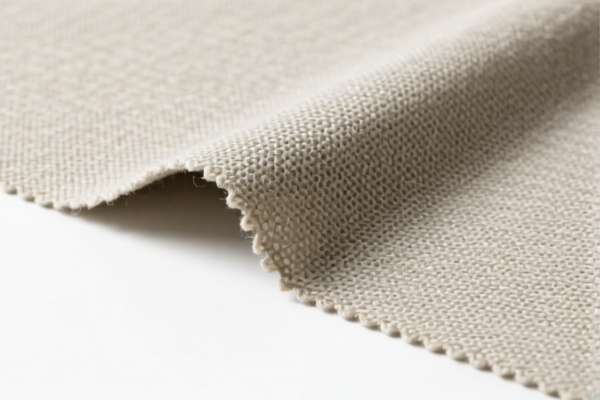
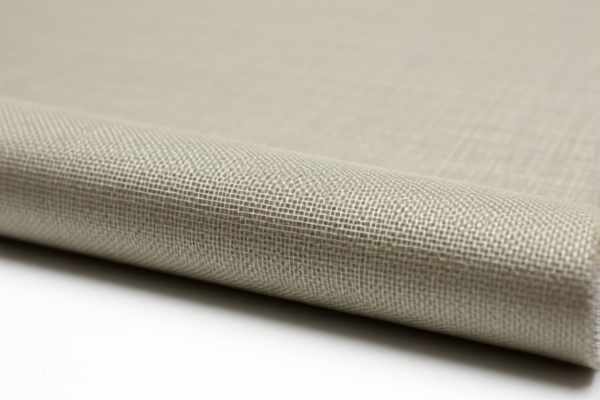
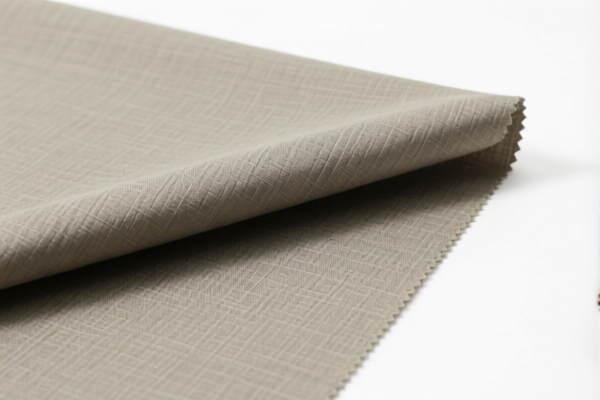

AI分析
🧵 Synthetic Fiber Non-Woven Fabric: HS Code Classification & Tax Breakdown (2026)
🌐 HS Code Reference & Customs Clearance Guide | 2026 Latest Tariff Analysis | Professional-Level Strategy
📌 I. Product Definition & Classification: Do You Truly Understand “Non-Woven Fabric”?
Synthetic Fiber Non-Woven Fabric is a broad category of textile materials manufactured by bonding fibers together through chemical, mechanical, heat, or solvent treatment, rather than weaving or knitting them. In international trade, these fabrics are primarily classified under Chapter 56 (Batting, felt and non-woven fabrics) or Chapter 60 (Knitted or crocheted fabrics), depending heavily on the structure and finishing process.
⚠️ Critical Distinction:
- True Non-Woven (Chapter 56): Fibers bonded mechanically, chemically, or thermally. No looped or knitted structure. → Often falls under 5603.xx.
- Knitted/Crocheted (Chapter 60): If the fabric is formed by interlacing loops of synthetic yarn, even if called "non-woven" in marketing, it must be classified under Chapter 60.
- Woven (Chapter 55): Less common for "non-woven" labels, but if fibers are woven, it goes to Chapter 55.
Key Determinants for Classification:
1. Construction Method: Bonded vs. Knitted vs. Woven.
2. Fiber Type: Polyester, Nylon, Polypropylene, etc.
3. Weight & Finish: Grammage (gsm), coating, lamination.
📦 II. HS Code Classification Details (2026 Latest Tariff Authority)
Note: The provided DATA focuses heavily on Knitted/Crocheted structures under Chapter 60, which often get misclassified as "non-woven" in loose marketing terms. True non-wovens (Chapter 56) are not in the provided DATA, so we focus strictly on the Chapter 60 items listed, which represent knitted synthetic fabrics that may be referred to as "non-woven-like" or are often confused in trade.
| HS Code | Product Description (Summary from DATA) | Structure Type | Tax Rate |
|---|---|---|---|
6006.31.00.80 |
Synthetic Fiber Knitted Fabric, meeting definition of synthetic fiber knitted textile | Knitted/Crocheted | 45.0% |
6005.36.00.80 |
Synthetic Fiber Warp Knitted Fabric, Other than Guipure or Knotted | Warp Knitted | 45.0% |
6005.36.00.20 |
Synthetic Fiber Warp Knitted Fabric, Meeting Knotted/Knitted Form | Warp Knitted (Knotted) | 45.0% |
6006.32.00.80 |
Dyed Synthetic Fiber Knitted Fabric, Non-Double/Interlock Structure | Knitted (Dyed) | 45.0% |
6001.10.20.00 |
Synthetic Fiber Knitted Fabric, Meeting Material & Form Requirements | Knitted (Pile/Looped) | 52.2% |
🔍 Critical Warning:
- If your product is truly non-woven (bonded, no loops), it likely belongs to 5603.13.00.00 or 5603.93.00.00 (Polyester non-wovens), which are NOT in the provided DATA.
- The HS Codes above (60xx) are for Knitted/Crocheted fabrics. If you label it "Non-Woven" but it is actually knitted, you risk misclassification penalties.
- "Non-Woven" in common parlance often refers to fabric that isn't woven, but legally, knitted ≠ non-woven.
💰 III. 2026 Latest Tariff Rate Breakdown (Including Additional Duties, Policy Add-ons)
✅ Applicable Country: United States (US)
✅ Origin: China (CN)
✅ Effective Date: November 10, 2025 (including subsequent imports)
🎯 1. 6006.31.00.80 — Synthetic Fiber Knitted Fabric (General)
| Item | Detail |
|---|---|
| Base Tariff | 10.0% (Basic Duty) |
| Section 301 Additional Tariff | 25.0% |
| Section 122 Tariff | 10.0% |
| Total Tariff Rate | 45.0% |
| Tax Calculation | CIF Value × 45% |
| De Minimis Exemption | ❌ Not Eligible (Deny de minimis) |
| Legal Basis Path | Base: 6006.31.00.80 → Sec 301: 25% → Sec 122: 10% |
📌 Explanation:
- Base 10%: Standard MFN rate for synthetic knitted fabrics.
- 25% (Section 301): Trade Remedies Act tariffs on Chinese goods.
- 10% (Section 122): National Security tariffs on steel/aluminum or related textile inputs (specific to this data set).
- Total 45%: High barrier to entry for standard synthetic knitted textiles.
🎯 2. 6005.36.00.80 & 6005.36.00.20 — Synthetic Fiber Warp Knitted Fabric
| Item | Detail |
|---|---|
| Base Tariff | 10.0% |
| Section 301 Additional Tariff | 25.0% |
| Section 122 Tariff | 10.0% |
| Total Tariff Rate | 45.0% |
| Tax Calculation | CIF Value × 45% |
| De Minimis Exemption | ❌ Not Eligible |
| Legal Basis Path | Base: 6005.36.xx → Sec 301: 25% → Sec 122: 10% |
📌 Note:
- Whether the warp knitted fabric is "Guipure" or "Knotted" (.20) or "Other" (.80), the tax structure is identical.
- Warp knitting (e.g., tricot, raschel) is common in mesh, lace, and technical textiles.
🎯 3. 6006.32.00.80 — Dyed Synthetic Fiber Knitted Fabric (Non-Double/Interlock)
| Item | Detail |
|---|---|
| Base Tariff | 10.0% |
| Section 301 Additional Tariff | 25.0% |
| Section 122 Tariff | 10.0% |
| Total Tariff Rate | 45.0% |
| Tax Calculation | CIF Value × 45% |
| De Minimis Exemption | ❌ Not Eligible |
📌 Note:
- Dyed vs. Not Dyed: Some knitted fabrics have lower rates if not dyed, but this specific HS code (6006.32.00.80) is for dyed fabrics and incurs the full 45%.
- Structure: Single jersey, not double-knit or interlock.
🎯 4. 6001.10.20.00 — Synthetic Fiber Knitted Fabric (Pile/Looped)
| Item | Detail |
|---|---|
| Base Tariff | 17.2% |
| Section 301 Additional Tariff | 25.0% |
| Section 122 Tariff | 10.0% |
| Total Tariff Rate | 52.2% |
| Tax Calculation | CIF Value × 52.2% |
| De Minimis Exemption | ❌ Not Eligible |
📌 Note:
- Higher Base Rate: This category typically includes pile fabrics, velvet, or towel-like knitted materials.
- Highest Tax: At 52.2%, this is the most expensive category in the provided data. Avoid if your product can be classified under other Chapter 60 codes.
🛠️ IV. Customs Clearance Practical Advice (Battle-Tested Pitfall Guide)
✅ 1. Documentation Checklist (Essential)
| Document | Required? | Notes |
|---|---|---|
| ✅ Product Specification Sheet | ✔️ | Must specify: Fiber Content (100% Polyester, etc.), Weaving Method (Warp Knit, Circular Knit, etc.), GSM, Width. |
| ✅ Technical Diagram | ✔️ | Show loop structure to prove it's knitted, not woven or non-woven. |
| ✅ Commercial Invoice | ✔️ | Clearly state: "Synthetic Fiber Knitted Fabric, Not Woven, Not Non-Woven (Bonded)" to avoid confusion. |
| ✅ Bill of Lading | ✔️ | Ensure HS Code matches. |
| ✅ Fiber Content Analysis Report | ✔️ | Third-party lab test (e.g., SGS, BV) to confirm synthetic fiber content. |
✅ 2. Declaration Strategy (Key Mantras)
🔥 "Structure is King! Knitted ≠ Non-Woven!"
| Scenario | Correct Declaration | Incorrect Declaration | Consequence |
|---|---|---|---|
| Product is Knitted (loops visible) | 6006.31.00.80 or 6005.36.00.80 |
"Non-Woven Fabric" | Misclassification → Penalty + Back Duty |
| Product is Truly Non-Woven (bonded fibers) | 5603.13.00.00 (Not in DATA) |
6006.31.00.80 |
Overpayment of tax + potential audit |
| Product is Dyed | Specify "Dyed" in description | Omit color status | May lead to incorrect sub-classification |
| Product is Pile/Velvet | 6001.10.20.00 |
6006.31.00.80 |
52.2% vs 45% → Unnecessary cost |
✅ 3. Special Cases
| Scenario | Recommendation |
|---|---|
| "Non-Woven" Marketing Term | If you sell as "Non-Woven" but it's knitted, correct the label to "Knitted Fabric" to avoid customs confusion. |
| Polypropylene (PP) Spunbond | This is true non-woven (Chapter 56). Not covered in this DATA. Use 5603.13.00.00 if applicable. |
| Laminated Fabrics | If laminated with plastic, check if Chapter 59 applies. Otherwise, stay in Chapter 60. |
🌍 V. Global Market Comparison (2026)
| Country/Region | Recommended HS Code (Based on DATA) | Tariff Rate | Notes |
|---|---|---|---|
| 🇺🇸 USA | 6006.31.00.80 etc. |
45.0% - 52.2% | High due to Sec 301 + Sec 122. |
| 🇨🇳 China | 6006.31.00.00 |
~8-10% | No Section 301/122. |
| 🇪🇺 EU | 6006.31.00.00 |
~8-12% | No additional tariffs. |
| 🇯🇵 Japan | 6006.31.00.00 |
~8-10% | No additional tariffs. |
📌 Conclusion:
- USA is the most expensive market for these goods due to layered tariffs.
- Non-woven fabrics (Chapter 56) are not listed in the provided DATA. If you are selling true non-wovens, you are using the wrong HS codes from this list.
📌 VI. Common Mistakes & Pitfalls (Lessons Learned)
❌ Mistake 1: Labeling Knitted Fabric as "Non-Woven"
👉 Result: Customs may reclassify under Chapter 56 (if they believe it's true non-woven) or penalize for misdeclaration. Always declare the actual structure.
❌ Mistake 2: Ignoring the Dyed status
👉 Result: 6006.32.00.80 (Dyed) has a higher base than undyed versions. Misdeclaration can lead to audits.
❌ Mistake 3: Assuming all Chapter 60 goods have the same tax
👉 Result: Pile fabrics (6001.xx) are taxed at 52.2%, while standard knits (6006.xx) are 45.0%. Incorrect classification costs 7.2% extra.
🎯 VII. Conclusion: Precise Classification Saves Money!
🎯 Remember the Mantra:
🔹 "Knitted ≠ Non-Woven! Check the Loops!"
🔹 "USA Tariff = 45% for Knits, 52.2% for Piles!"
🔹 "True Non-Wovens are Chapter 56, Not in this DATA!"
📌 Pro Tip:
If your product is truly non-woven (e.g., PP spunbond, meltblown), do NOT use the HS codes above. Use 5603.xx instead, which may have different tax rates.
Consult a customs broker to verify if your product is Knitted (Ch 60) or Non-Woven (Ch 56) before shipping.
📣 Immediate Action:
📞 Verify Fabric Structure: Send a sample to a lab for Weaving Method Analysis.
🚀 Accurate Declaration: Use "Synthetic Fiber Knitted Fabric" if looped, "Non-Woven Fabric" if bonded, to ensure Smooth Customs Clearance.
✨ Professional Customs Clearance Starts with Accurate Classification!
💼 Your Bottom Line Depends on the Right HS Code!
用户评价
关于 HS 编码归类
协调制度(HS)是由世界海关组织(WCO)制定的国际贸易商品分类标准。全球 200 多个国家采用 HS 系统作为海关关税、贸易统计和进出口监管的基础。
每个 HS 编码遵循以下层级结构:
- 章(2 位)——商品大类(例如:第 84 章:机器和机械设备)
- 品目(4 位)——章内的更具体分类
- 子目(6 位)——国际通用细分,所有 WCO 成员国统一使用
- 本国细分(8-10 位)——各国自行扩展的细分编码,如美国 HTSUS 10 位编码
正确的 HS 编码归类对于顺利通关、准确缴纳关税和遵守贸易法规至关重要。错误归类可能导致海关延误、多缴关税或罚款。
从CN进口到US时,适用的关税税率可能包括:
- 最惠国(MFN)税率——适用于 WTO 成员国的标准关税税率
- 普通税率——适用于无贸易协定国家
- 贸易救济关税——附加关税,如 301 条款(反倾销)、232 条款(国家安全)或反补贴税
本页内容仅供参考。如需正式归类,请咨询当地海关或持牌报关代理。