Synthetic Fiber Polyurethane Textile Composite Sheet
CN → US| HS编码 | 关税税率 | 原产国 | 目的国 | 文档 |
|---|---|---|---|---|
| 5911101000 | 37.9% | CN | US | 官方文档 |
| 5911102000 | 38.8% | CN | US | 官方文档 |
商品图片
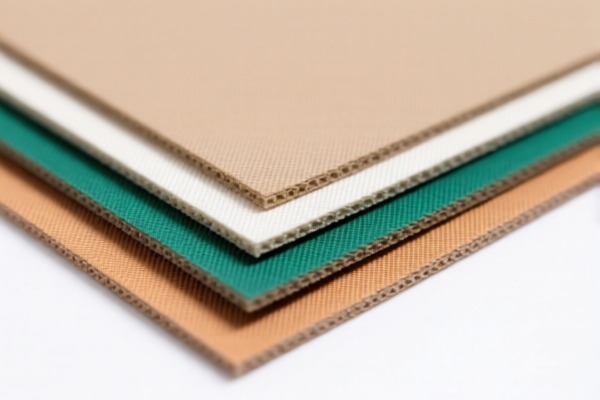
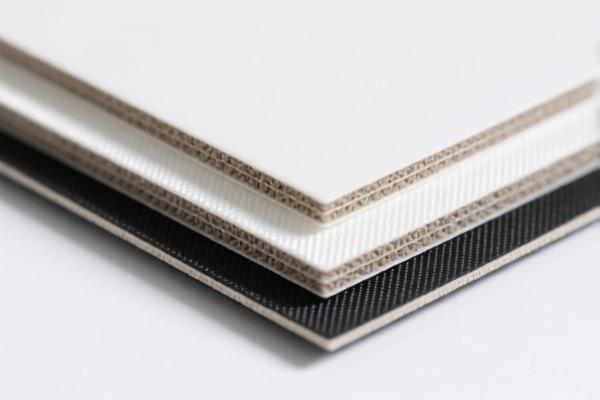
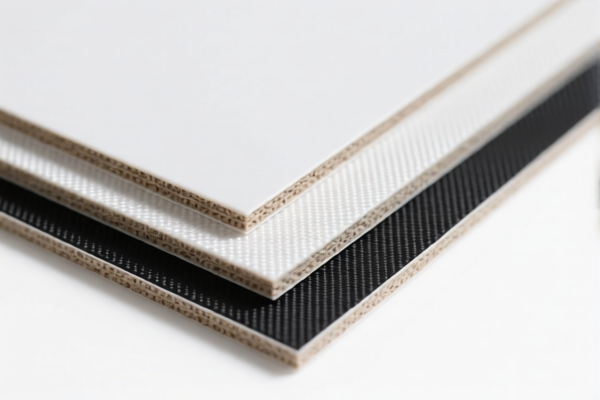
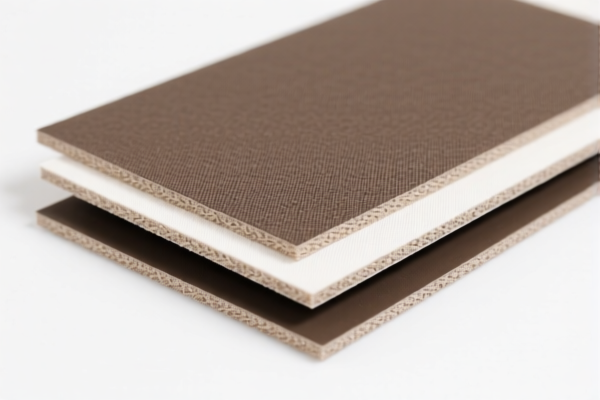
AI分析
🧵 Synthetic Fiber Polyurethane Textile Composite Sheet (Technical Textile)
🌐 HS Code Reference & Customs Clearance Guide | 2026 Latest Tariff Analysis | Professional Clearance Strategy
📌 I. Product Definition & Classification: Do You Really Understand "PU Composite Sheets"?
A Synthetic Fiber Polyurethane (PU) Textile Composite Sheet is a specialized technical textile product. It consists of a base fabric (usually synthetic fibers like polyester or nylon) that has been coated, covered, or laminated with polyurethane rubber or similar materials.
In international trade, this product is strictly categorized under Chapter 59, specifically as Technical Textiles. It is not considered a general consumer fabric (like clothing material) nor a finished article. Its classification depends heavily on its specific technical application.
⚠️ Key Distinction Point:
- If used for printing purposes (e.g., blanket cylinders for textile printing machines) → It falls under Printers' Rubberized Blankets.
- If used for other technical purposes (e.g., card clothing for fiber processing, industrial conveyor covers, filtration, etc.) → It falls under Other Technical Textiles.
📦 II. HS Code Classification Details (2026 Latest Tariff Authority Alignment)
Based on the provided data, the product is classified under HS Code 5911.10. This heading covers "Textile products and articles, for technical uses... coated, covered or laminated with rubber... of a kind used for other technical purposes."
| HS Code | Product Description | Specific Application | Key Features |
|---|---|---|---|
5911.10.10.00 |
Printers' Rubberized Blankets | Textile Printing Machinery | Used as impression blankets in rotary printing; coated/laminated with rubber. |
5911.10.20.00 |
Other | General Technical Uses | Used for card clothing, weaving beam covers, filtration, industrial belts, etc. |
🔍 Crucial Note:
- The base description for both codes is: "Textile fabrics, felt and felt-lined woven fabrics, coated, covered or laminated with rubber, leather or other material, of a kind used for card clothing, and similar fabrics of a kind used for other technical purposes..."
- Polyurethane (PU) is treated under the legal framework of "rubber or other material" in Chapter 59 Note 8.
- Do not classify these under Chapter 39 (Plastics) or Chapter 60 (Knitted Fabrics) because the rubber/PU coating defines the essential character for technical use.
💰 III. 2026 Latest Tariff Rate Detail (Including Surtaxes & Policy Surcharges)
✅ Applicable Country: United States (US)
✅ Country of Origin: China (CN)
✅ Effective Time: 2026 (Current Tariff Schedule)
🎯 1. 5911.10.10.00 —— Printers' Rubberized Blankets
| Item | Content |
|---|---|
| Base Tariff Rate | 0.0% |
| Section 301 Surtax | 0.0% |
| Total Tax Rate | 0.0% |
| Tax Calculation | CIF Value × 0% = $0 |
| De Minimis Eligibility | ✅ Yes (if value < $800) |
| Legal Basis | HTSUS 5911.10.10.00 |
📌 Explanation:
- These specialized printing blankets currently enjoy zero duty.
- No additional USITC or IEEPA surtaxes apply to this specific subheading in the provided data.
- This is a highly favorable classification for importers of printing machinery accessories.
🎯 2. 5911.10.20.00 —— Other Technical Textiles (PU Coated)
| Item | Content |
|---|---|
| Base Tariff Rate | 0.0% |
| Section 301 Surtax | 0.0% |
| Total Tax Rate | 0.0% |
| Tax Calculation | CIF Value × 0% = $0 |
| De Minimis Eligibility | ✅ Yes (if value < $800) |
| Legal Basis | HTSUS 5911.10.20.00 |
📌 Explanation:
- General technical textiles (e.g., industrial felt, filter cloths, card clothing) also currently have 0% duty.
- This applies to synthetic fiber PU composites used in non-printing industrial applications.
- No hidden taxes in the provided dataset for this category.
🛠️ IV. Customs Clearance Practical Advice (Real-World Pitfall Avoidance)
✅ 1. Preparation Checklist (Essential Documents)
| Document | Required | Description |
|---|---|---|
| ✅ Product Specification Sheet | ✔️ | Must specify: Base fabric type (e.g., Polyester), PU Coating thickness/density, tensile strength, and intended technical use. |
| ✅ Technical Data Sheet (TDS) | ✔️ | Shows performance metrics (e.g., abrasion resistance, chemical resistance) to prove "technical use." |
| ✅ Product Photos | ✔️ | Clear images of the sheet, cross-section (showing fabric + PU layer), and any logos/labels. |
| ✅ Commercial Invoice | ✔️ | Must clearly state: "Synthetic Fiber Polyurethane Coated Textile for [Specific Technical Use]". Avoid vague terms like "Fabric." |
| ✅ Packing List | ✔️ | Weight and dimensions per roll/sheet. |
⚠️ Critical Warning:
- If you declare it as "PU Fabric" or "Plastic-Coated Cloth" without specifying Chapter 59 Technical Use, Customs may reclassify it under Chapter 39 (Plastics) or Chapter 60 (Textiles), leading to higher duties or detention.
- You must prove the product is used for technical purposes (Note 8 to Chapter 59).
✅ 2. Declaration Strategy (Key Tips)
| Scenario | Correct Declaration | Incorrect Declaration |
|---|---|---|
| For Textile Printing Machines | 5911.10.10.00 – "Printers' Rubberized Blanket" |
"PU Coated Fabric" → Risk of misclassification |
| For Industrial Filtration | 5911.10.20.00 – "Technical Textile for Filtration" |
"Filter Cloth" → May require additional certification |
| For Card Clothing (Fiber Processing) | 5911.10.20.00 – "Card Clothing Fabric" |
"Textile Article" → Too vague |
| General Industrial Use | 5911.10.20.00 – "Other Technical Textile" |
"Plastic Sheet" → Wrong Chapter (39) |
🔥 "Golden Rule":
"Technical Use is Key, Chapter 59 is Safe, Vague Names Lead to Delay!"
✅ 3. Special Circumstances Handling
| Situation | Handling Advice |
|---|---|
| Mixed Use | If the sheet can be used for both printing and general tech, declare based on primary intended use. Provide a letter of intent from the buyer. |
| PU vs. Rubber | Polyurethane (PU) is legally treated as "rubber or other material" in Chapter 59. Do not argue for Chapter 39 unless it's purely plastic film without textile backing. |
| Sample Imports | Under $800 (De Minimis), you can clear under 5911.10.10.00 or 5911.10.20.00 with 0% duty. No formal entry needed. |
| Bulk Imports | Ensure the Bill of Lading matches the commercial invoice description. Consistency is key to avoiding exams. |
🌍 V. Global Market Comparison (2026 Latest)
| Country/Region | Recommended HS Code | Duty Rate | Certification Requirement | Notes |
|---|---|---|---|---|
| 🇺🇸 USA | 5911.10.10.00 / 5911.10.20.00 |
0% | None specific | 0% duty is highly competitive. |
| 🇨🇳 China | 5911.10.10.00 / 5911.10.20.00 |
Varies | CCC (if applicable) | Import duty may apply depending on origin. |
| 🇪🇺 EU | 5911.10.10 / 5911.10.90 |
~0-4% | REACH (Chemical Compliance) | PU may require REACH registration if >1 ton/year. |
| 🇯🇵 Japan | 5911.10.000 |
0-3% | JIS Standards | Check for specific industrial standards. |
📌 Conclusion:
- The USA offers 0% duty for these technical textiles, making it a cost-effective destination.
- EU markets may require REACH compliance due to PU content, which is a hidden cost/time factor.
📌 VI. Common Errors & Pitfalls (Lessons Learned)
❌ Error 1: Declaring as "Plastic Sheet" (Chapter 39)
👉 Consequence: Incorrect chapter. Customs may impose higher duties and penalties for misclassification.
❌ Error 2: Not specifying Technical Use
👉 Consequence: Customs may question if it qualifies for Chapter 59. If deemed a general fabric, it could fall under Chapter 60 or 62, with different duty rates.
❌ Error 3: Using vague descriptions like "PU Fabric"
👉 Consequence: Increased risk of Customs Exam and delay. Always specify "Coated with Polyurethane for Technical Use."
❌ Error 4: Ignoring REACH/Chemical Compliance for EU exports
👉 Consequence: Goods held at border until chemical safety documentation is provided.
✅ Correct Declaration Example:
"Synthetic Polyester Fabric, Coated with Polyurethane, for Use in Textile Printing Machinery as Rubberized Blanket, HS 5911.10.10.00"
🎯 VII. Conclusion: Professional Classification Saves Money!
🎯 Remember:
🔹 "Chapter 59 is for Tech Use, 0% Duty in USA is a Blessing!"
🔹 "Be Specific: Printing vs. Other, Don't Leave it to Guessing!"
🔹 "PU is Rubber in Law, Don't Confuse with Plastic Sheets!"
📌 Pro Tip:
If your product is used for non-standard technical applications not explicitly listed, contact a customs broker to file an Advance Ruling with US Customs and Border Protection (CBP). This ensures your HS code is locked in, preventing future disputes or back-taxes.
📣 Immediate Action:
📞 Verify Intended Use with your buyer.
📄 Prepare Technical Datasheet.
🚀 Clear with 0% Duty, Smooth Entry, Happy Business!
✨ Professional Customs Clearance Starts with Precise Classification!
💼 Every Penny Saved in Duty is Pure Profit!
用户评价
关于 HS 编码归类
协调制度(HS)是由世界海关组织(WCO)制定的国际贸易商品分类标准。全球 200 多个国家采用 HS 系统作为海关关税、贸易统计和进出口监管的基础。
每个 HS 编码遵循以下层级结构:
- 章(2 位)——商品大类(例如:第 84 章:机器和机械设备)
- 品目(4 位)——章内的更具体分类
- 子目(6 位)——国际通用细分,所有 WCO 成员国统一使用
- 本国细分(8-10 位)——各国自行扩展的细分编码,如美国 HTSUS 10 位编码
正确的 HS 编码归类对于顺利通关、准确缴纳关税和遵守贸易法规至关重要。错误归类可能导致海关延误、多缴关税或罚款。
从CN进口到US时,适用的关税税率可能包括:
- 最惠国(MFN)税率——适用于 WTO 成员国的标准关税税率
- 普通税率——适用于无贸易协定国家
- 贸易救济关税——附加关税,如 301 条款(反倾销)、232 条款(国家安全)或反补贴税
本页内容仅供参考。如需正式归类,请咨询当地海关或持牌报关代理。