Synthetic Filament
CN → US| HS编码 | 关税税率 | 原产国 | 目的国 | 文档 |
|---|---|---|---|---|
| 5513130090 | 49.9% | CN | US | 官方文档 |
| 5407420030 | 49.9% | CN | US | 官方文档 |
| 5407522020 | 49.9% | CN | US | 官方文档 |
| 5512190005 | 48.6% | CN | US | 官方文档 |
| 5512110090 | 24.0% | CN | US | 官方文档 |
商品图片
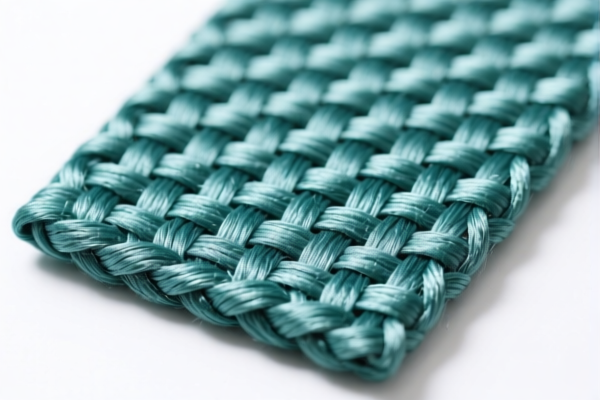
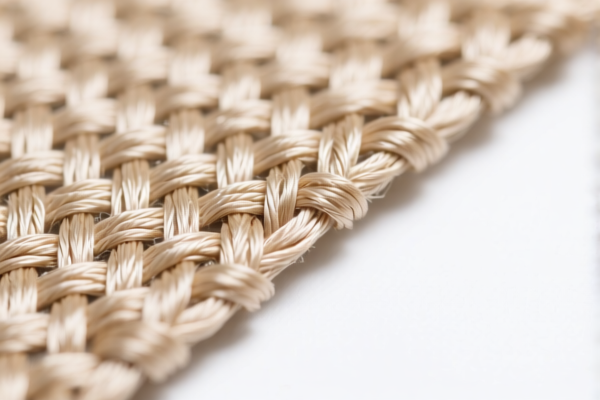
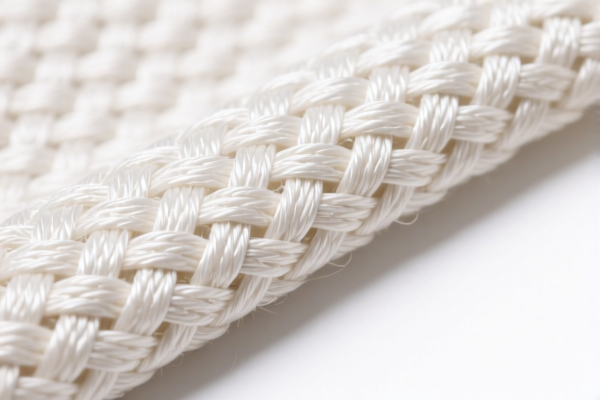
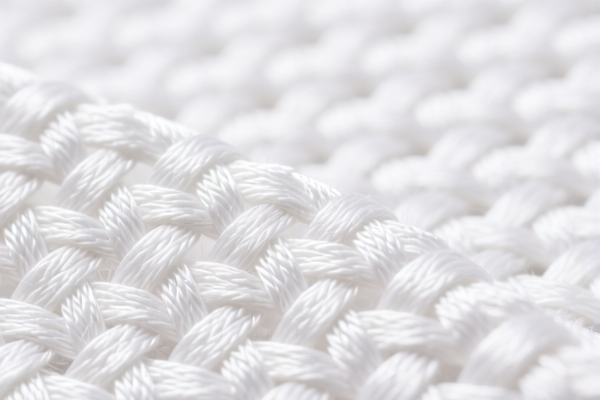
AI分析
🧵 Synthetic Filament Apparel Fabrics
🌐 HS Code Reference & Customs Clearance Guide | 2026 Latest Tariff Analysis | Professional Clearance Strategy
📌 1. Product Definition & Classification: Do You Really Understand "Synthetic Filament Fabrics"?
Synthetic Filament Apparel Fabrics are textile materials used for clothing, manufactured from synthetic man-made filaments (long continuous fibers) or staple fibers (short cut fibers). In international trade, classification depends on the fiber type (monofilament, staple, filament yarn), weave structure, and material composition (polyester, nylon, etc.).
⚠️ Key Distinction Points:
- Filament Yarn (Continuous) vs. Staple Fiber (Short): Determines if the fabric falls under Chapter 54 (Filament) or Chapter 55 (Staple).
- Polyester vs. Other Synthetics: Polyester often has specific subheadings.
- Weight & Density: Light vs. heavy fabrics may have different codes.
- Specific Use: "Apparel fabric" implies it is cut/sewn, not yet made into finished garments.
📦 2. HS Code Classification Details (2026 Latest Tariff Authoritative对照)
Based on the provided data, here are the 5 applicable HS Codes for Synthetic Filament Apparel Fabrics:
| HS Code | Product Description | Summary | Key Characteristics |
|---|---|---|---|
5513.13.00.90 |
Synthetic Apparel Fabric | "Other" residual category; matches synthetic fiber material & fabric form but doesn't fit specific named subcategories. | Catch-all for specific synthetics not listed elsewhere. |
5407.42.00.30 |
Synthetic Apparel Fabric | Fits the core definition of synthetic filament woven fabrics. | Filament based, woven, specific synthetic type. |
5407.52.20.20 |
Synthetic Apparel Fabric | Corresponds to Polyester/Dacron material & fabric form. | Specifically for Polyester filament fabrics. |
5512.19.00.05 |
Synthetic Apparel Fabric | Matches Synthetic Staple Fiber woven fabrics. | Staple fiber (short cut), not continuous filament. |
5512.11.00.90 |
Synthetic Apparel Fabric | Fits Synthetic Staple Fiber requirements & woven category, no specific variety conflict. | Staple fiber, general category. |
🔍 Critical Reminder:
- Filament (Chapter 54) vs. Staple (Chapter 55): If your fabric is made from continuous filaments (like nylon stockings or polyester shirts), it usually goes to 5407. If it is made from short staple fibers (like cotton-like polyester fabrics), it goes to 5512 or 5513.
- Polyester Specificity: If the fabric is 100% polyester filament,5407.52.20.20is often the most precise.
- "Other" Codes: Codes ending in.90or.05often indicate "other" or "not elsewhere specified," which may carry higher duty risks if not properly documented.
💰 3. 2026 Latest Tariff Rate Breakdown (Including Surcharge & Policy Surcharges)
✅ Applicable Country: United States (US)
✅ Origin: China (CN)
✅ Effective Time: Current rates apply as per 2026 context (based on 301/122 clauses)
🎯 1. 5513.13.00.90 & 5407.42.00.30 & 5407.52.20.20 —— High-Tariff Synthetic Fabrics
| Item | Content |
|---|---|
| Base Tariff | 14.9% |
| Section 301 Surcharge | +25.0% |
| Section 122 Surcharge | +10.0% |
| Total Tariff Rate | 49.9% |
| Tax Calculation | CIF Value × 49.9% |
| De Minimis Eligibility | ❌ Not Applicable (Deny De Minimis for textiles from China under these sections) |
| Legal Basis | Base: HTSUS 14.9%; 301: Footnote 3; 122: IEEPA Section 122 |
📌 Explanation:
- These codes represent standard synthetic apparel fabrics. The 49.9% total rate is extremely high due to the combination of Base + 301 + 122 tariffs.
- Section 122 (IEEPA) adds 10% specifically for national security reasons on certain textile imports.
- Section 301 adds 25% for "unfair trade practices."
- Base is the standard MFN rate for these synthetic woven fabrics.
🎯 2. 5512.19.00.05 —— Synthetic Staple Fiber Fabric
| Item | Content |
|---|---|
| Base Tariff | 13.6% |
| Section 301 Surcharge | +25.0% |
| Section 122 Surcharge | +10.0% |
| Total Tariff Rate | 48.6% |
| Tax Calculation | CIF Value × 48.6% |
| De Minimis Eligibility | ❌ Not Applicable |
| Legal Basis | Same as above, but base rate is slightly lower for staple fibers. |
📌 Note:
- Slightly lower total rate (48.6%) compared to filament fabrics (49.9%) due to a lower base tariff (13.6% vs 14.9%).
- Applies to fabrics made from synthetic staple fibers (e.g., polyester fiber cut and spun like cotton).
🎯 3. 5512.11.00.90 —— Special Low-Tariff Synthetic Staple Fabric
| Item | Content |
|---|---|
| Base Tariff | 12.0% |
| Section 301 Surcharge | +2.0% |
| Section 122 Surcharge | +10.0% |
| Total Tariff Rate | 24.0% |
| Tax Calculation | CIF Value × 24.0% |
| De Minimis Eligibility | ❌ Not Applicable |
| Legal Basis | Base: HTSUS 12.0%; 301: Reduced rate under specific provisions; 122: IEEPA 10% |
📌 Special Note:
- This code offers a significantly lower total tariff of 24.0%!
- The Section 301 surcharge is only 2.0% instead of 25%, which suggests it may be a specific subcategory eligible for reduced penalties or a different classification nuance.
- Crucial: Only use this if the product perfectly matches the "Synthetic Staple Fiber" definition and no specific variety conflict exists. Misclassification here can lead to severe penalties.
🛠️ 4. Customs Clearance Practical Advice (Real-World Pitfall Guide)
✅ 1. Required Documents Checklist (Non-Negotiable)
| Document | Required | Description |
|---|---|---|
| ✅ Product Specification Sheet | ✔️ | Must clearly state: Fiber content (%), Fabric weight (GSM), Weave type (Plain, Twill, Satin), and Intended Use (Apparel). |
| ✅ Composition Test Report | ✔️ | Third-party lab report confirming Synthetic Filament vs. Staple and specific polymer type (e.g., 100% Polyester). |
| ✅ Fabric Swatches/Photos | ✔️ | Clear images showing texture, weave, and any labels. |
| ✅ Commercial Invoice | ✔️ | Must list HS Code, Country of Origin (CN), and accurate CIF value. |
| ✅ Packing List | ✔️ | Details roll lengths, weights, and packaging. |
| ✅ Bill of Lading/Air Waybill | ✔️ | Standard shipping document. |
✅ 2. Declaration Tips (Key Mantras)
🔥 "Fiber Type is King, Weave is Queen, Code is Life!"
| Scenario | Correct Declaration | Wrong Action | Consequence |
|---|---|---|---|
| Polyester Filament Fabric | 5407.52.20.20 |
Use 5512 codes |
49.9% vs 24.0%: Massive tax difference! |
| Polyester Staple Fabric | 5512.11.00.90 (if eligible) |
Use 5407 codes |
Misclassification → Audit risk |
| Unknown Specific Synthetic | 5513.13.00.90 |
Assume lowest tax | High risk of penalty if not truly "other" |
| Finished Garment | Do NOT declare as Fabric | Declare as "Fabric" | Wrong chapter (61/62 vs 50-60) → Severe penalty |
✅ 3. Special Circumstances Handling
| Situation | Handling Advice |
|---|---|
| OEM Custom Fabric | Provide design specs and buyer confirmation to prove "Apparel Fabric" status. |
| Blended Fabrics | If >50% synthetic by weight, classify under synthetic rules. If mixed with cotton, rules change significantly (Chapter 52/54 intersection). |
| Sample Shipments | Even samples are subject to 49.9% tax unless shipped under de minimis (but textiles from China are often excluded). |
| Transshipment via Third Country | High risk. Origin is still China. 301/122 tariffs apply. |
🌍 5. Global Market Comparison (2026 Latest)
| Country/Region | Recommended HS Code | Estimated Total Tariff (China Origin) | Certification Requirements | Notes |
|---|---|---|---|---|
| 🇺🇸 USA | 5407.52.20.20 or 5512.11.00.90 |
24.0% - 49.9% | None for fabric | High tariffs due to 301/122. |
| 🇨🇳 China | Same | ~5-10% (Import Duty) | N/A | Domestic production tax may apply. |
| 🇪🇺 EU | Same | ~4-12% | REACH, OEKO-TEX | No 301/122 equivalent. |
| 🇬🇧 UK | Same | ~4-12% | UKCA, REACH | Post-Brexit tariffs. |
| 🇨🇦 Canada | Same | ~5-12% | N/A | CUSMA/USMCA not applicable for China. |
📌 Conclusion:
- USA is the most expensive market for synthetic apparel fabrics from China due to Section 122 and 301 tariffs.
- Cost Saving Tip: If possible, classify under5512.11.00.90(24.0%) instead of filament codes (49.9%) by ensuring the fabric is made from staple fibers (e.g., spun polyester) rather than continuous filaments.
- Documentation is Key: Misdeclaring staple as filament (or vice versa) is a common audit trigger.
📌 6. Common Errors & Pitfall Guide (Blood & Tears Lessons)
❌ Error 1: Declaring Polyester Filament (shiny, smooth) as Staple Fiber to get 24% tax.
👉 Result: Customs lab test reveals continuous filaments → 49.9% + Penalties + Interest!
❌ Error 2: Using "Other" code (5513.13.00.90) without justification.
👉 Result: Customs officer may dispute "Other" status, leading to delays and potential reclassification to a higher-tariff specific code.
❌ Error 3: Ignoring Section 122 (10% surcharge).
👉 Result: Underpayment by 10% on every shipment → Cumulative debt grows fast.
❌ Error 4: Confusing Fabric with Finished Garments.
👉 Result: Apparel (Ch 61/62) has different rates and quota rules. Misclassification leads to seizure.
✅ Correct Practice:
"100% Polyester Staple Fiber Woven Fabric, 150 GSM, Plain Weave, White, For Apparel Use, HS 5512.11.00.90"
🎯 7. Conclusion: Professional Classification Saves Millions!
🎯 Remember the Mantra:
🔹 "Filament = 49.9%, Staple = 24% (if eligible). Test your fiber!"
🔹 "Code decides cost, Origin decides war, Document decides speed."
📌 Pro Tip:
If your fabric is Polyester Staple, always verify if it qualifies for 5512.11.00.90. This 25% tariff difference is huge. Get a pre-classification ruling from a customs broker or lawyer before shipping large volumes.
📣 Immediate Action:
📞 Contact a Licensed Customs Broker + Submit Lab Report + Apply for Advance Ruling
🚀 Let your synthetic fabrics clear smoothly, stay profitable, and avoid customs nightmares!
✨ Professional Clearance Starts with Accurate Classification!
💼 Every percent of tax savings is direct profit!
用户评价
关于 HS 编码归类
协调制度(HS)是由世界海关组织(WCO)制定的国际贸易商品分类标准。全球 200 多个国家采用 HS 系统作为海关关税、贸易统计和进出口监管的基础。
每个 HS 编码遵循以下层级结构:
- 章(2 位)——商品大类(例如:第 84 章:机器和机械设备)
- 品目(4 位)——章内的更具体分类
- 子目(6 位)——国际通用细分,所有 WCO 成员国统一使用
- 本国细分(8-10 位)——各国自行扩展的细分编码,如美国 HTSUS 10 位编码
正确的 HS 编码归类对于顺利通关、准确缴纳关税和遵守贸易法规至关重要。错误归类可能导致海关延误、多缴关税或罚款。
从CN进口到US时,适用的关税税率可能包括:
- 最惠国(MFN)税率——适用于 WTO 成员国的标准关税税率
- 普通税率——适用于无贸易协定国家
- 贸易救济关税——附加关税,如 301 条款(反倾销)、232 条款(国家安全)或反补贴税
本页内容仅供参考。如需正式归类,请咨询当地海关或持牌报关代理。