Synthetic Leather Briefcases
CN → US| HS编码 | 关税税率 | 原产国 | 目的国 | 文档 |
|---|---|---|---|---|
| 4202929336 | 52.6% | CN | US | 官方文档 |
| 4202929100 | 52.6% | CN | US | 官方文档 |
| 3926901000 | 20.9% | CN | US | 官方文档 |
| 3926909989 | 22.8% | CN | US | 官方文档 |
| 4202929336 | 52.6% | CN | US | 官方文档 |
商品图片
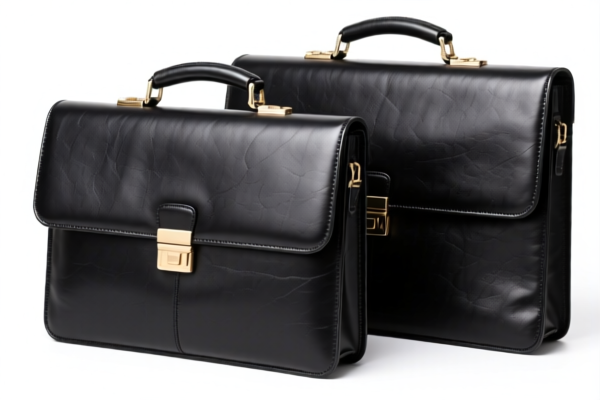
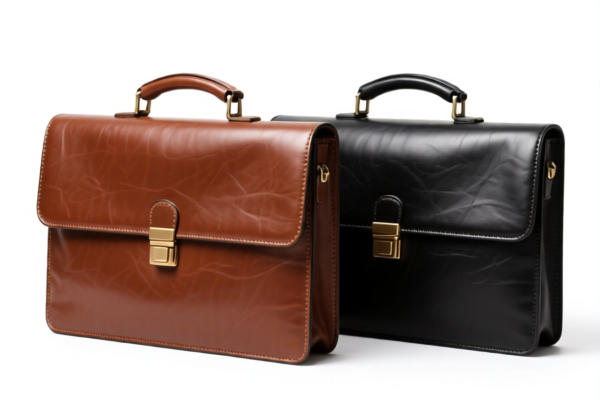
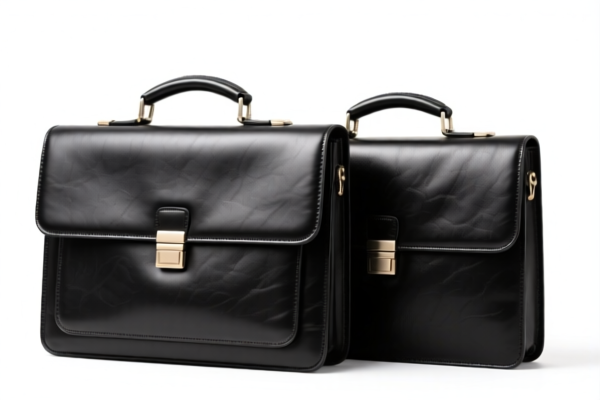
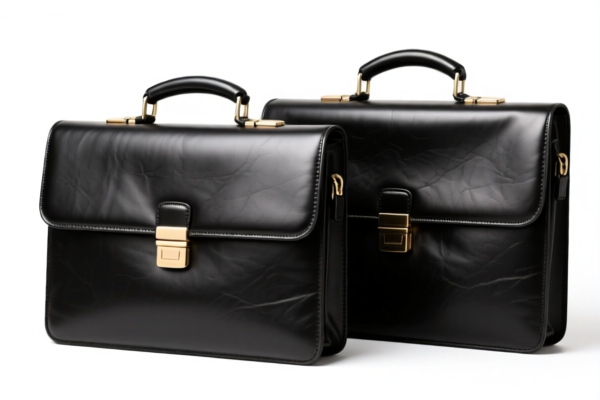
AI分析
🧳 Synthetic Leather Briefcases: HS Code Classification & Customs Clearance Guide (2026 Update)
🌐 HS Code Reference & Clearance Strategy | Comprehensive Tariff Analysis for US-China Trade
📌 I. Product Definition & Classification Logic: What Defines a "Synthetic Leather Briefcase"?
A Synthetic Leather Briefcase is a portable container used for carrying documents, laptops, and business accessories. In international trade, the classification hinges on two critical factors: 1. Material Composition: Is it "Leather/Substitute Leather" (Chapter 42) or "Plastic/Manufactured Textiles" (Chapter 39)? 2. Structure/Form: Is it a rigid/flexible container with a specific use?
⚠️ Critical Distinction:
- "Synthetic Leather" (Chapter 42): Usually refers to coated fabrics or non-woven materials impregnated with plastics but treated to resemble leather. If the outer surface is primarily defined as "substitute leather," it falls under Heading 42.02.
- "Plastic/Man-Made Fibers" (Chapter 39): If the material is strictly identified as plastic sheets, synthetic resin, or textile-based without the "leather-like" treatment qualification, it may fall under Heading 39.26.
📦 II. HS Code Classification Matrix (2026 Latest Data)
Based on the provided data, here are the four potential HS Codes for Synthetic Leather Briefcases, with detailed tax implications for imports from China (CN) to the United States (US).
| HS Code | Product Description | Material Logic | Key Characteristic |
|---|---|---|---|
| 4202.92.93.36 | Synthetic Leather Toolbox/Case | Outer surface: Leather or Substitute Leather | Fits the logic of containers made with leather-like materials. |
| 4202.92.91.00 | Synthetic Leather Toolbox/Case | Outer Surface: Textile Material | Classifies as a container made of man-made fibers/textiles. |
| 3926.90.10.00 | Plastic/Synthetic Products | Finished Consumer Goods | Classified as plastic products or goods of other materials. |
| 3926.90.99.89 | Plastic/Synthetic Products | Generic Plastic/Resin Article | Generic classification for plastic articles without specific sub-category. |
🔍 Classification Warning:
- 4202 vs. 3926: The primary debate is whether "Synthetic Leather" qualifies as "Substitute Leather" (42.02) or simply as a "Plastic/Textile Article" (39.26).
- Customs Practice: If the material has a leather grain, texture, and finish, 42.02 is often preferred. However, if it is plain plastic or basic synthetic fabric, 39.26 is used.
- Tax Impact: The difference is significant! 42.02 codes carry ~52.6% total tax, while 39.26 codes carry ~20-23% total tax.
💰 III. 2026 Tariff Rate Breakdown (US Imports from China)
✅ Applicable Country: United States (US)
✅ Origin: China (CN)
✅ Effective Date: Current Trade War Policies (Section 301 + IEEPA)
🎯 1. 4202.92.93.36 & 4202.92.91.00 —— The "High Tariff" Trap (Leather/Substitute Leather)
| Item | Content |
|---|---|
| Base MFN Rate | 17.6% (Ad Valorem) |
| Section 301 Additional Tariff | +25.0% (High-value list) |
| IEEPA 122 Section Tariff | +10.0% (Specific到中国 product surcharge) |
| Total Effective Tax Rate | 52.6% |
| De Minimis Exemption | ❌ NOT AVAILABLE (Deny De Minimis) |
| Legal Path | USITC:4202.92 → SECTION301:25% → IEEPA:10% |
📌 Explanation:
- These codes are classified as "Articles of leather or substitute leather."
- Under current US trade policy, these items are subject to the full 25% Section 301 tariff.
- Additionally, a 10% IEEPA surcharge is applied.
- Result: For every $100 of CIF value, you pay $52.60 in taxes. This is a massive cost driver.
🎯 2. 3926.90.10.00 & 3926.90.99.89 —— The "Lower Tariff" Alternative (Plastic/Textile)
A. 3926.90.10.00 (Plastic Products/Consumer Goods)
| Item | Content |
|---|---|
| Base MFN Rate | 3.4% |
| Section 301 Additional Tariff | +7.5% (Lower tier list) |
| IEEPA 122 Section Tariff | +10.0% |
| Total Effective Tax Rate | 20.9% |
| De Minimis Exemption | ❌ NOT AVAILABLE |
B. 3926.90.99.89 (Other Plastic Articles)
| Item | Content |
|---|---|
| Base MFN Rate | 5.3% |
| Section 301 Additional Tariff | +7.5% |
| IEEPA 122 Section Tariff | +10.0% |
| Total Effective Tax Rate | 22.8% |
| De Minimis Exemption | ❌ NOT AVAILABLE |
📌 Explanation:
- These codes classify the briefcase as a "Plastic Product" or "Other Manufactured Article."
- They benefit from a lower Section 301 surcharge of only 7.5% (instead of 25%).
- Result: For every $100 of CIF value, you pay ~$21–$23 in taxes.
- Savings: Choosing the correct 39.26 code over 42.02 can save you ~30% in total duty costs.
🛠️ IV. Customs Clearance Strategic Advice
✅ 1. Material Documentation is Key
To justify using the lower-tariff 39.26 codes, you must carefully define the material in your commercial invoice and packing list. - If using 39.26: Describe material as "Synthetic plastic-based fabric," "Polyester shell with plastic coating," or "Man-made fiber container." Avoid using the term "Leather-like" or "Substitute Leather" unless necessary. - If using 42.02: You must prove the material meets the definition of "Substitute Leather" (e.g., coated textile with specific finish). This triggers the 52.6% tax.
✅ 2.申报技巧 (Declaration Tips)
| Strategy | Action | Outcome |
|---|---|---|
| Material Description | Use "Plastic-coated synthetic fabric" instead of "Synthetic Leather" | May qualify for 39.26 (20.9% tax) |
| Product Name | Use "Synthetic Travel Case" or "Plastic Organizer Box" | Reduces association with "Leather Goods" |
| HS Code Selection | Pre-clearance ruling requested for 3926.90.99.89 | Lowest risk if material is clearly non-leather |
| Avoid | Labeling as "Genuine Leather" or "Premium Leather" | Triggers 42.02 + 52.6% tax |
✅ 3. Special Scenarios
| Scenario | Recommendation |
|---|---|
| Mixed Materials | If the case has leather trim but plastic body, argue for the dominant material (Plastic 39.26). |
| High-End Fashion | If marketed as "Luxury Synthetic Leather," customs may insist on 42.02. Prepare material samples. |
| Bulk Shipping | Ensure all boxes have consistent material descriptions. Mixed descriptions cause delays. |
🌍 V. Global Market Comparison (Quick Reference)
| Market | Preferred HS Code | Est. Total Duty (China Origin) | Note |
|---|---|---|---|
| 🇺🇸 USA | 3926.90.99.89 |
22.8% | Use 39.26 to save ~30% vs 42.02 |
| 🇪🇺 EU | 4202.92.90 |
~10-12% | No Section 301 or IEEPA |
| 🇨🇳 China | 4202.92.93 |
~5-7% | Domestic import duty is low |
| 🇬🇧 UK | 4202.92.90 |
~10-12% | Post-Brexit tariff alignment with EU |
📌 Conclusion:
- The US market is the most punitive due to Section 301 and IEEPA tariffs.
- Classification Strategy: Aggressively pursue 39.26 (Plastic/Textile) classification if the material composition allows.
- Cost Saving: Switching from 42.02 (52.6%) to 39.26 (22.8%) saves $29.80 per $100 of goods.
📌 VI. Common Pitfalls & How to Avoid Them
❌ Pitfall 1: Using "Synthetic Leather" in the description without supporting material specs.
👉 Result: Customs defaults to 42.02 → 52.6% Tax.
✅ Fix: Provide material test reports showing it is a polyester/plastic composite, not a leather substitute.
❌ Pitfall 2: Assuming all "Cases" are equal.
👉 Result: Misclassification penalties.
✅ Fix: Differentiate between "Leather Goods" (42.02) and "Plastic/Textile Goods" (39.26).
❌ Pitfall 3: Ignoring the IEEPA 10% Surcharge.
👉 Result: Unexpected bills at customs.
✅ Fix: Always include the +10% IEEPA calculation in your landed cost model for China-origin goods.
🎯 VII. Conclusion: Maximize Profit with Precise Classification
🎯 Key Takeaway:
🔹 "Plastic/Textile Logic = 39.26 = 20-23% Tax"
🔹 "Leather Logic = 42.02 = 52.6% Tax"
🔹 "Save 30% by Proving It's Not Leather!"
📌 Action Plan:
1. Review Material: Is it truly "substitute leather" or just plastic-coated fabric?
2. Update Descriptions: Change "Synthetic Leather Briefcase" to "Synthetic Plastic/Textile Briefcase."
3. Apply for Ruling: If unsure, file a US Customs Ruling Request for 3926.90.99.89.
4. Landed Cost Calculation: Always include the 10% IEEPA surcharge in your pricing models.
📣 Final Advice:
📞 Consult a Customs Broker: Before shipping, verify if your specific material formulation qualifies for 39.26.
🚀 Optimize Now: A 30% tax difference is huge. Get it right from the start!
✨ Smart Classification = Higher Margins!
💼 Don't let misclassification eat your profits!
用户评价
关于 HS 编码归类
协调制度(HS)是由世界海关组织(WCO)制定的国际贸易商品分类标准。全球 200 多个国家采用 HS 系统作为海关关税、贸易统计和进出口监管的基础。
每个 HS 编码遵循以下层级结构:
- 章(2 位)——商品大类(例如:第 84 章:机器和机械设备)
- 品目(4 位)——章内的更具体分类
- 子目(6 位)——国际通用细分,所有 WCO 成员国统一使用
- 本国细分(8-10 位)——各国自行扩展的细分编码,如美国 HTSUS 10 位编码
正确的 HS 编码归类对于顺利通关、准确缴纳关税和遵守贸易法规至关重要。错误归类可能导致海关延误、多缴关税或罚款。
从CN进口到US时,适用的关税税率可能包括:
- 最惠国(MFN)税率——适用于 WTO 成员国的标准关税税率
- 普通税率——适用于无贸易协定国家
- 贸易救济关税——附加关税,如 301 条款(反倾销)、232 条款(国家安全)或反补贴税
本页内容仅供参考。如需正式归类,请咨询当地海关或持牌报关代理。