Synthetic Leather Rubber Sole Shoes
CN → US| HS编码 | 关税税率 | 原产国 | 目的国 | 文档 |
|---|---|---|---|---|
| 3926909989 | 22.8% | CN | US | 官方文档 |
| 6402993145 | 16.0% | CN | US | 官方文档 |
| 6402993115 | 16.0% | CN | US | 官方文档 |
商品图片
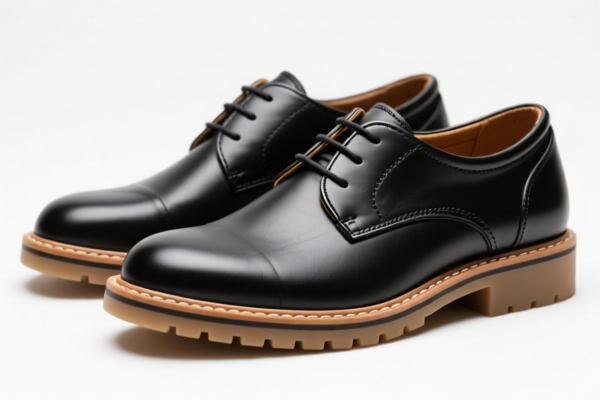
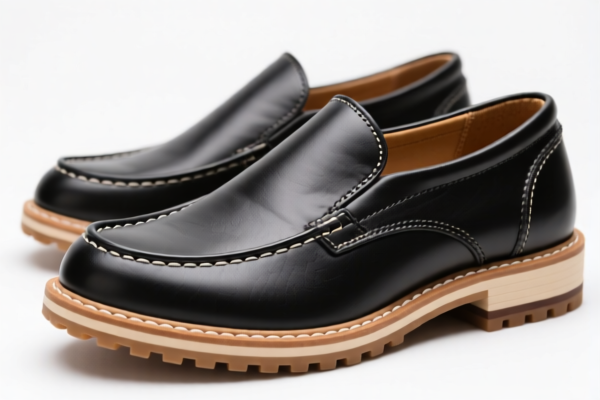
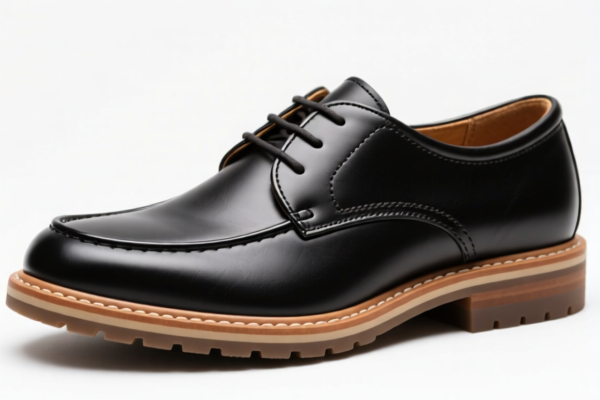
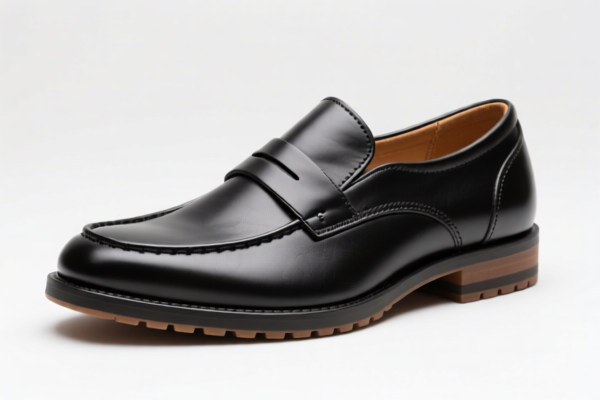
AI分析
👟 Synthetic Leather Rubber Sole Shoes (Synthetic Leather Uppers, Rubber Outsoles)
🌐 HS Code Reference & Customs Clearance Guide | 2026 Latest Tariff Analysis | Professional Compliance Strategy
📌 1. Product Definition & Classification: Understanding "Synthetic Leather & Rubber Shoes"
These shoes are footwear where the upper is made of synthetic leather (a man-made material, typically polyurethane or PVC) and the outsole is made of rubber. In international trade, the classification depends heavily on whether customs authorities view the item as a "footwear component" (part) or a "complete article of footwear" (end product).
⚠️ Key Distinction:
- If the item is a standalone shoe with an upper and sole attached → Classified under Chapter 64 (Footwear).
- If the item is just a synthetic leather panel intended to be made into a shoe later → Classified under Chapter 39 (Plastics).
📦 2. HS Code Classification Details (2026 Latest Tariff Authority Comparison)
| HS Code | Product Description | Application Scenario | Material Logic |
|---|---|---|---|
3926.90.99.89 |
Synthetic Leather Upper (as a component/part) | Standalone synthetic leather panels, not yet assembled into shoes | ✅ Treated as Plastic/Synthetic Resin Article |
6402.99.31.45 |
Complete Shoe (Synthetic Leather Upper + Rubber Sole) | Finished retail shoes, consumer-ready footwear | ✅ Treated as Footwear with Rubber/Plastic Outer Sole |
6402.99.31.15 |
Complete Shoe (Composite: Rubber/Plastic Materials) | Footwear where both upper and sole meet rubber/plastic criteria | ✅ Treated as Footwear Component/Article |
🔍 Critical Reminder:
-3926.90.99.89: Applies if the goods are declared as "Synthetic Leather Parts" (e.g., loose uppers).
-6402.99.31.45/6402.99.31.15: Applies if the goods are declared as "Finished Shoes" (uppers already attached to soles).
- Risk: Misclassifying finished shoes as "parts" (3926) or vice versa can lead to significant tax differences and customs delays.
💰 3. 2026 Latest Tariff Rate Breakdown (Including Duties, Surtaxes, Policy Surcharges)
✅ Applicable Country: United States (US)
✅ Origin: China (CN)
✅ Effective Date: 2025 November 10 onwards (including subsequent imports)
🎯 1. 3926.90.99.89 —— Synthetic Leather Upper (Plastic Article)
| Item | Content |
|---|---|
| Base Duty Rate | 5.3% (ad valorem) |
| Surtax (Section 301) | +7.5% |
| Section 122 Surtax | +10% (Specific to this classification) |
| Total Rate | 22.8% |
| Tax Calculation | CIF Value × 22.8% |
| De Minimis Eligibility | ❌ Not Eligible (High tariff rate exceeds threshold) |
| Legal Basis Path | USITC:3926.90.99.89 → Section 301: 7.5% → Section 122: 10% |
📌 Explanation:
- Since this code treats the item as a plastic/synthetic resin product, it attracts the Section 122 surcharge (10%) in addition to Section 301 tariffs.
- Total 22.8% is moderate but higher than standard footwear due to the "plastic component" classification.
🎯 2. 6402.99.31.45 & 6402.99.31.15 —— Complete Footwear (Rubber/Plastic Sole)
| Item | Content |
|---|---|
| Base Duty Rate | 6.0% (ad valorem) |
| Surtax (Section 301) | 0.0% (Exempt from general 301 surtax in this specific subheading) |
| Section 122 Surtax | +10% (Applies to footwear components/articles under specific conditions) |
| Total Rate | 16.0% |
| Tax Calculation | CIF Value × 16.0% |
| De Minimis Eligibility | ❌ Not Eligible |
| Legal Basis Path | USITC:6402.99.31.xx → Section 122: 10% |
📌 Key Advantage:
- Only 16.0% Total Tax vs. 22.8% for plastic parts.
- Zero Section 301 Surcharge: Unlike general plastics, this specific footwear subheading does not carry the standard 7.5% Section 301 surtax, saving significant costs.
- Note: Both6402.99.31.45and6402.99.31.15share the same 16.0% rate. The choice depends on precise material definition (e.g., exact rubber vs. plastic sole ratio).
🛠️ 4. Customs Clearance Practical Advice (Field Pitfall Avoidance Guide)
✅ 1. Required Documentation Checklist
| Document | Mandatory? | Description |
|---|---|---|
| ✅ Product Specification Sheet | ✔️ | Must clearly state: Upper Material: Synthetic Leather; Sole Material: Rubber. |
| ✅ Physical Samples / Photos | ✔️ | Show attached sole and upper. Must look like a finished shoe, not a loose panel. |
| ✅ Commercial Invoice | ✔️ | Description must read: "Synthetic Leather Rubber Sole Shoes" or "Finished Footwear". Do not write "Synthetic Leather Parts". |
| ✅ Material Composition Statement | ✔️ | Confirm sole is Rubber (not plastic/TPU) to qualify for 6402 rather than 6405/6406 if applicable. |
| ✅ Packing List | ✔️ | Indicate quantity, weight, and packaging type. |
✅ 2. Declaration Tips (Key Mnemonic)
🔥 "Shoes as Shoes, Tax is 16%; Parts as Plastic, Tax is 22.8%!"
| Scenario | Correct Declaration | Wrong Approach |
|---|---|---|
| Finished Shoes (Upper + Sole attached) | HS: 6402.99.31.45 or .15Desc: "Synthetic Leather Rubber Sole Shoes" |
Declaring as "Synthetic Leather Parts" → 22.8% Tax + High Risk |
| Loose Uppers Only (Not attached to sole) | HS: 3926.90.99.89Desc: "Synthetic Leather Shoe Uppers" |
Declaring as "Shoes" → Misdeclaration + Penalty |
| Mixed Orders (Some finished, some parts) | Separate Lines on Invoice | Combining into one line → Customs Audit |
✅ 3. Special Handling Cases
| Case | Recommendation |
|---|---|
| OEM Custom Shoes | Provide design sketches to prove it is a finished article, not a component. |
| Rubber vs. Plastic Sole | Ensure sole is natural or synthetic rubber. If it is TPU/Plastic, it may still fall under 6402 but verify exact HTS subheading. |
| Section 122 Applicable? | Both codes above include 10% Section 122. Ensure origin is China to apply correctly. Non-China origins may have different rates. |
| De Minimis (Section 321) | Not Applicable. Both 16% and 22.8% exceed the de minimis threshold for duty-free entry. |
🌍 5. Global Market Comparison (2026 Latest)
| Country/Region | Recommended HS Code | Total Tax Rate | Notes |
|---|---|---|---|
| 🇺🇸 USA | 6402.99.31.45 |
16.0% | Best option. Avoid 3926 (22.8%). |
| 🇨🇳 China | 6402.99.31.45 |
5-10% | Standard import duty + VAT. |
| 🇪🇺 EU | 6402.99.31.45 |
~10% | No Section 122/301 surcharges. |
| 🇬🇧 UK | 6402.99.31.45 |
~10% | Post-Brexit tariffs. |
📌 Conclusion:
- For US Imports: Always declare as Finished Footwear (6402) if the shoes are assembled. This saves 6.8% in total tax compared to classifying as plastic parts (3926).
- Documentation is Key: The invoice must clearly state "Shoes" and "Rubber Sole" to justify the6402classification.
📌 6. Common Mistakes & Pitfalls (Lessons Learned)
❌ Mistake 1: Declaring finished shoes as "Synthetic Leather Parts" to avoid footwear quotas (if any).
👉 Result: Higher tax (22.8% vs 16.0%) + Potential penalty for misclassification.
❌ Mistake 2: Not specifying "Rubber Sole" in the description.
👉 Result: Customs may default to higher-duty plastic footwear codes or demand reclassification.
❌ Mistake 3: Assuming Section 301 applies to all footwear.
👉 Result: Unexpected costs. Section 301 surcharge is 0% for these specific 6402 codes!
✅ Correct Practice:
"Finished Synthetic Leather Shoes, Rubber Sole, Model XYZ, Lining: Fabric, Outsole: Rubber, Upper: Synthetic Leather"
🎯 7. Conclusion: Professional Declaration, Cost Optimization!
🎯 Remember the Rule:
🔹 "Finished Shoes = 16% Tax (Best Option)"
🔹 "Loose Parts = 22.8% Tax (Higher Cost)"
🔹 "Always Declare as Footwear if Assembled!"
📌 Pro Tip:
- If you are importing large volumes, consider Advance Rulings from CBP to lock in the 6402 classification.
- Verify if your specific rubber sole material qualifies for any exemptions under Section 122.
📣 Immediate Action:
📞 Consult your customs broker with product photos.
📄 Update your Commercial Invoice to explicitly state "Rubber Sole" and "Synthetic Leather Upper".
🚀 Optimize your tariff cost by 6.8% with correct classification!
✨ Professional Clearance, Start with Accurate Classification!
💼 Every Percent Matters in International Trade!
用户评价
关于 HS 编码归类
协调制度(HS)是由世界海关组织(WCO)制定的国际贸易商品分类标准。全球 200 多个国家采用 HS 系统作为海关关税、贸易统计和进出口监管的基础。
每个 HS 编码遵循以下层级结构:
- 章(2 位)——商品大类(例如:第 84 章:机器和机械设备)
- 品目(4 位)——章内的更具体分类
- 子目(6 位)——国际通用细分,所有 WCO 成员国统一使用
- 本国细分(8-10 位)——各国自行扩展的细分编码,如美国 HTSUS 10 位编码
正确的 HS 编码归类对于顺利通关、准确缴纳关税和遵守贸易法规至关重要。错误归类可能导致海关延误、多缴关税或罚款。
从CN进口到US时,适用的关税税率可能包括:
- 最惠国(MFN)税率——适用于 WTO 成员国的标准关税税率
- 普通税率——适用于无贸易协定国家
- 贸易救济关税——附加关税,如 301 条款(反倾销)、232 条款(国家安全)或反补贴税
本页内容仅供参考。如需正式归类,请咨询当地海关或持牌报关代理。