Synthetic Rubber
CN → US| HS编码 | 关税税率 | 原产国 | 目的国 | 文档 |
|---|---|---|---|---|
| 3901901000 | 35.0% | CN | US | 官方文档 |
| 4002190019 | 35.0% | CN | US | 官方文档 |
| 4002190014 | 35.0% | CN | US | 官方文档 |
| 3901909000 | 41.5% | CN | US | 官方文档 |
| 3911907000 | 35.0% | CN | US | 官方文档 |
商品图片
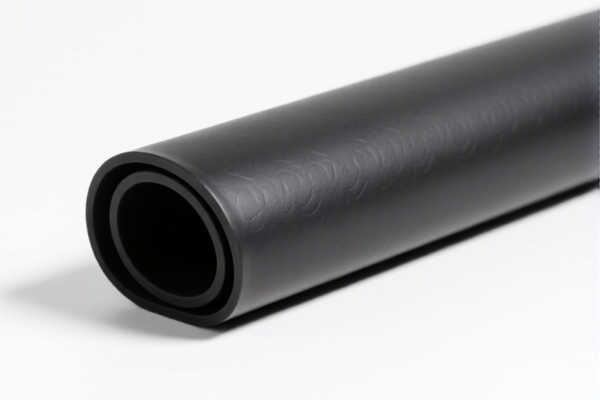
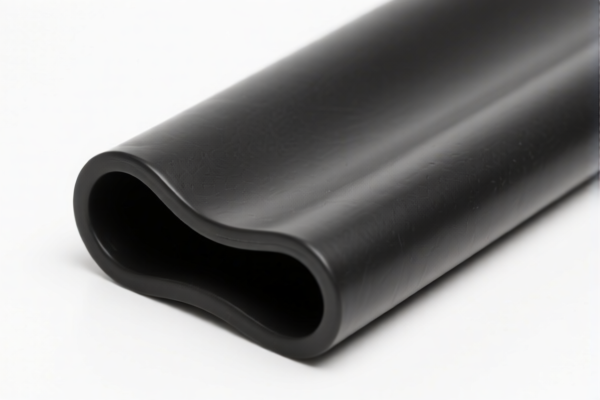
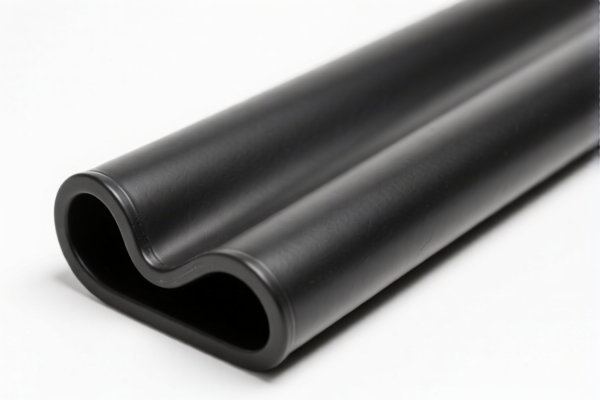
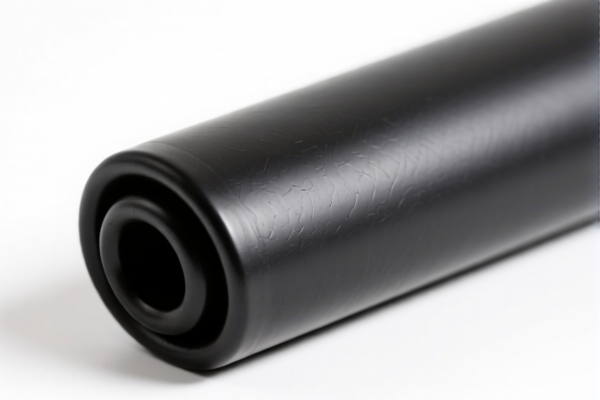
AI分析
🧪 Synthetic Rubber Powders & Pellets: HS Code Classification & US Import Strategy (2026)
🌐 HS Code Reference & Customs Clearance Guide | 2026 Latest Tariff Analysis | Professional Entry Strategy
📌 Part I: Product Definition – What Exactly Is “Synthetic Rubber”?
Synthetic rubber is a man-made elastomer, engineered to mimic natural rubber’s elasticity and durability. In international trade, it is primarily imported in powder, pellet, crumb, or fragmented forms, used as raw materials for manufacturing tires, gaskets, seals, footwear, and industrial components.
The critical distinction in customs classification lies in: - Chemical Composition: Whether it is an elastomer (polymer with elastic properties) or a non-elastomeric polymer. - Physical Form: Powder, granules, flakes, or solid blocks. - Primary Use: Raw material vs. finished good.
⚠️ Key Classification Point:
- If the product is a thermoplastic elastomer (TPE) or ethylene-based polymer that does not meet the legal definition of “rubber” under Chapter 40, it may be classified under Chapter 39 (Plastics).
- If it is a conventional synthetic rubber (e.g., SBR, XSBR, neoprene) in powder/granular form, it falls under Chapter 40 (Rubber).
📦 Part II: HS Code Classification Details (2026 Latest Tariff Authority Alignment)
| HS Code | Product Description | Application Scenario | Chemical/Physical Nature |
|---|---|---|---|
3901.90.10.00 |
Synthetic rubber powder, powder form, made of synthetic rubber, classified under ethylene polymers (elastomers) | Powdered thermoplastic elastomers, ethylene-based rubbers | ✅ Ethylene polymer-based elastomer |
4002.19.00.19 |
Synthetic rubber powder, made of synthetic rubber (SBR/XSBR), powder form, fits raw material/powder definition | Styrene-butadiene rubber powder, cross-linked SBR powder | ✅ Conventional synthetic rubber (SBR/XSBR) |
4002.19.00.14 |
Synthetic rubber powder, made of synthetic rubber, powder form, fits granule/chip/powder definition | Granulated rubber, crumb rubber, powdered elastomer | ✅ Granular/chip/powder form |
3901.90.90.00 |
Synthetic rubber powder, powder form, made of synthetic rubber, fits other ethylene polymer categories | Non-standard ethylene polymers, specialty powders | ✅ Ethylene polymer, non-standard |
3911.90.70.00 |
High-temperature resistant synthetic rubber, made of synthetic rubber, belongs to chlorinated synthetic rubber category | Chlorinated rubber powders, heat-resistant elastomers | ✅ Chlorinated synthetic rubber |
🔍 Key Note:
- Chapter 40 applies to true elastomers (rubber-like polymers).
- Chapter 39 applies to plastics/polymer powders that do not meet the elastomer definition, even if they contain rubber-like properties.
- Misclassification between Chapter 39 and 40 is a common customs audit trigger.
💰 Part III: 2026 Latest Tariff Rate Breakdown (Including Additional Duties & Policy Surcharges)
✅ Applicable Country: United States (US)
✅ Origin: China (CN)
✅ Effective Date: November 10, 2025 onwards (including future imports)
🎯 1. 3901.90.10.00 – Synthetic Rubber Powder (Ethylene Polymer Elastomer)
| Item | Content |
|---|---|
| Base Tariff | 0% (ad valorem) |
| USITC Additional Duty | +25% (from USITC Footnote 9903.88.01) |
| IEEPA Surcharge | +10% (targeting Chinese/Hong Kong products, effective Nov 10, 2025) |
| Total Tariff | 35% |
| Tax Calculation | CIF Value × 35% |
| De Minimis Eligibility | ❌ Not Eligible (deny_de_minimis) |
| Legal Basis Path | IEEPA:9903.01.25 → IEEPA:9903.01.24 → USITC:3901.90.10.00 → FOOTNOTE:9903.88.01 |
📌 Explanation:
- The 25% USITC duty is imposed under Section 301 of the Trade Act for specific polymer categories.
- The 10% IEEPA surcharge is part of broader economic measures against Chinese imports.
- Total 35%, which is high – must be factored into landed cost calculations.
🎯 2. 4002.19.00.19 – Synthetic Rubber Powder (SBR/XSBR)
| Item | Content |
|---|---|
| Base Tariff | 0% |
| USITC Additional Duty | +25% |
| IEEPA Surcharge | +10% |
| Total Tariff | 35% |
| Tax Calculation | CIF × 35% |
| De Minimis Eligibility | ❌ Not Eligible |
| Legal Basis Path | IEEPA:9903.01.24 → USITC:4002.19.00.19 → FOOTNOTE:9903.88.01 |
📌 Note:
- Same tariff structure as above; applies to SBR (Styrene-Butadiene Rubber) and XSBR (Cross-linked SBR).
- Commonly used in tire manufacturing, shoe soles, and industrial mats.
🎯 3. 4002.19.00.14 – Synthetic Rubber Powder (Granular/Chip/Powder Form)
| Item | Content |
|---|---|
| Base Tariff | 0% |
| USITC Additional Duty | +25% |
| IEEPA Surcharge | +10% |
| Total Tariff | 35% |
| Tax Calculation | CIF × 35% |
| De Minimis Eligibility | ❌ Not Eligible |
| Legal Basis Path | IEEPA:9903.01.24 → USITC:4002.19.00.14 → FOOTNOTE:9903.88.01 |
📌 Note:
- Applies to all forms of synthetic rubber in granular, crumb, or powdered state.
- Includes recycled rubber powders if they meet synthetic elastomer criteria.
🎯 4. 3901.90.90.00 – Synthetic Rubber Powder (Other Ethylene Polymers)
| Item | Content |
|---|---|
| Base Tariff | 6.5% |
| USITC Additional Duty | +25% |
| IEEPA Surcharge | +10% |
| Total Tariff | 41.5% |
| Tax Calculation | CIF × 41.5% |
| De Minimis Eligibility | ❌ Not Eligible |
| Legal Basis Path | IEEPA:9903.01.25 → IEEPA:9903.01.24 → USITC:3901.90.90.00 → FOOTNOTE:9903.88.01 |
📌 Warning:
- Higher base tariff (6.5%) due to non-standard ethylene polymer classification.
- Total 41.5% – one of the highest rates in this category.
🎯 5. 3911.90.70.00 – High-Temperature Resistant Synthetic Rubber (Chlorinated)
| Item | Content |
|---|---|
| Base Tariff | 0% |
| USITC Additional Duty | +25% |
| IEEPA Surcharge | +10% |
| Total Tariff | 35% |
| Tax Calculation | CIF × 35% |
| De Minimis Eligibility | ❌ Not Eligible |
| Legal Basis Path | IEEPA:9903.01.24 → USITC:3911.90.70.00 → FOOTNOTE:9903.88.01 |
📌 Note:
- Applies to chlorinated synthetic rubber powders, often used in high-heat industrial applications.
- Despite being in Chapter 39, it is classified as “other” polymer, not true rubber.
🛠️ Part IV: Customs Clearance Practical Advice (Real-World Pitfall Prevention)
✅ 1. Required Documentation Checklist (None Can Be Skipped)
| Document | Mandatory | Explanation |
|---|---|---|
| ✅ Product Specification Sheet | ✔️ | Must include polymer type, molecular weight, melting point, particle size |
| ✅ Chemical Composition Report | ✔️ | Confirms whether it is SBR, XSBR, chlorinated rubber, or ethylene polymer |
| ✅ Product Photos (Including Packaging) | ✔️ | Clear images showing powder/granule form, label, batch number |
| ✅ Third-Party Lab Test Report | ✔️ | ASTM D2000, ISO 37, or equivalent elastomer testing standards |
| ✅ Commercial Invoice | ✔️ | Must state “Synthetic Rubber Powder, HS Code: [XX.XX.XX.XX]” |
| ✅ Certificate of Origin (CO) | ✔️ | Required for preferential treatment if not from China |
| ✅ Packing List | ✔️ | Shows gross/net weight, number of bags/drums, tare weight |
✅ 2. Declaration Tips (Critical Mnemonics)
🔥 “Form Defines Code, Chemistry Defines Chapter, Name Must Be Precise!”
| Scenario | Correct Declaration | Wrong Practice |
|---|---|---|
| True SBR/XSBR powder | 4002.19.00.19 or 4002.19.00.14 |
Misdeclare as 3901.90.10.00 → 35% vs 35% (same, but audit risk) |
| Ethylene polymer elastomer | 3901.90.10.00 |
Declare as “rubber” → Chapter 40 error |
| Chlorinated rubber powder | 3911.90.70.00 |
Declare as “SBR” → 35% vs 35% (same rate, but misclassification) |
| Non-elastomeric polymer powder | 3901.90.90.00 |
Declare as “rubber” → 41.5% vs 35% → 6.5% extra tax! |
✅ 3. Special Case Handling
| Scenario | Handling Advice |
|---|---|
| OEM Custom Powder | Provide customer order + chemical formula to prove elastomer nature |
| Recycled Rubber Powder | Must provide recycling process documentation; if >50% recycled, may still qualify under 4002.19.00.14 |
| Blended Powders | If mixed with non-rubber fillers, classify based on primary material; declare blend ratio |
| Used in Medical Devices | If classified as “synthetic rubber,” may require FDA registration; but tariff remains 35% |
🌍 Part V: Global Market Comparison for Synthetic Rubber (2026 Latest)
| Country/Region | Recommended HS Code | Tariff (China Origin) | Certification Requirements | Notes |
|---|---|---|---|---|
| 🇺🇸 United States | 4002.19.00.19 / 3901.90.10.00 |
35% (elastomers) / 41.5% (non-standard) | No specific cert, but ASTM/ISO tests recommended | High tariffs due to Section 301 + IEEPA |
| 🇨🇳 China | 4002.19.00.19 |
0–5% | GB/T standards | No additional duties |
| 🇪🇺 European Union | 4002.19.00 |
0% (if CE-compliant) | REACH, RoHS | No surcharges |
| 🇯🇵 Japan | 4002.19.00 |
0–3.5% | JIS standards | Low tariffs |
| 🇮🇳 India | 4002.19.00 |
7.5–10% | BIS certification | Moderate tariffs |
📌 Conclusion:
- USA is the most expensive market for importing synthetic rubber from China.
- China, EU, and Japan offer minimal or zero tariffs, making them preferable destinations if supply chain flexibility allows.
- Consider third-country sourcing (Vietnam, Thailand, Mexico) to mitigate US tariffs.
📌 Part VI: Common Mistakes & Pitfalls (Blood-Stained Lessons)
❌ Mistake 1: Declaring “synthetic rubber powder” as 4002.19.00.19 when it is actually an ethylene polymer
👉 Consequence: Customs audit → 41.5% assessed instead of 35% → Back taxes + penalties
❌ Mistake 2: Failing to provide chemical composition report
👉 Consequence: Customs cannot verify elastomer status → Delay in clearance, possible return
❌ Mistake 3: Using vague terms like “rubber granules” without specifying SBR/XSBR/chlorinated
👉 Consequence: Incorrect HS code → Tax discrepancy, fines
❌ Mistake 4: Assuming de minimis exemption applies
👉 Consequence: Package seized, duties charged on full value
✅ Correct Declaration Example:
“Synthetic Rubber Powder, SBR Type, Particle Size 50–100 micron, ASTM D2000 Compliant, HS Code: 4002.19.00.19, Origin: China”
🎯 Part VII: Conclusion – Precise Classification Saves Money & Time
🎯 Remember the Mantra:
🔹 “Form dictates code, chemistry dictates chapter, name must be precise!”
🔹 “HS Code determines destiny, 35% vs 41.5% can make or break your margin!”
📌 Pro Tip:
If your synthetic rubber powder is sourced from Vietnam, Thailand, Mexico, or Malaysia, you may qualify for IEEPA exemption, reducing tariffs to 0–5%.
Recommend applying for an Advance Ruling (Ruling Letter) from U.S. Customs and Border Protection (CBP) to confirm HS code and duty liability.
📣 Immediate Action Required:
📞 Contact a licensed customs broker + provide product samples + request HS Code Advance Ruling
🚀 Ensure your synthetic rubber imports clear smoothly, reduce costs, and maximize profitability!
✨ Professional clearance starts with accurate classification!
💼 Every cent of your cost deserves precise calculation!
用户评价
关于 HS 编码归类
协调制度(HS)是由世界海关组织(WCO)制定的国际贸易商品分类标准。全球 200 多个国家采用 HS 系统作为海关关税、贸易统计和进出口监管的基础。
每个 HS 编码遵循以下层级结构:
- 章(2 位)——商品大类(例如:第 84 章:机器和机械设备)
- 品目(4 位)——章内的更具体分类
- 子目(6 位)——国际通用细分,所有 WCO 成员国统一使用
- 本国细分(8-10 位)——各国自行扩展的细分编码,如美国 HTSUS 10 位编码
正确的 HS 编码归类对于顺利通关、准确缴纳关税和遵守贸易法规至关重要。错误归类可能导致海关延误、多缴关税或罚款。
从CN进口到US时,适用的关税税率可能包括:
- 最惠国(MFN)税率——适用于 WTO 成员国的标准关税税率
- 普通税率——适用于无贸易协定国家
- 贸易救济关税——附加关税,如 301 条款(反倾销)、232 条款(国家安全)或反补贴税
本页内容仅供参考。如需正式归类,请咨询当地海关或持牌报关代理。