Synthetic Rubber Latex for Fiber Processing
CN → US| HS编码 | 关税税率 | 原产国 | 目的国 | 文档 |
|---|---|---|---|---|
| 3913901000 | 35.0% | CN | US | 官方文档 |
| 4002110000 | 35.0% | CN | US | 官方文档 |
| 3913905000 | 41.5% | CN | US | 官方文档 |
| 4002910000 | 35.0% | CN | US | 官方文档 |
| 4002110000 | 35.0% | CN | US | 官方文档 |
商品图片


AI分析
🧪 Synthetic Rubber Latex for Fiber Processing
🌐 HS Code Reference & Customs Clearance Guide | 2026 Latest Tariff Analysis | Professional Entry Strategy
📌 I. Product Definition & Classification: What Exactly is "Synthetic Rubber Latex"?
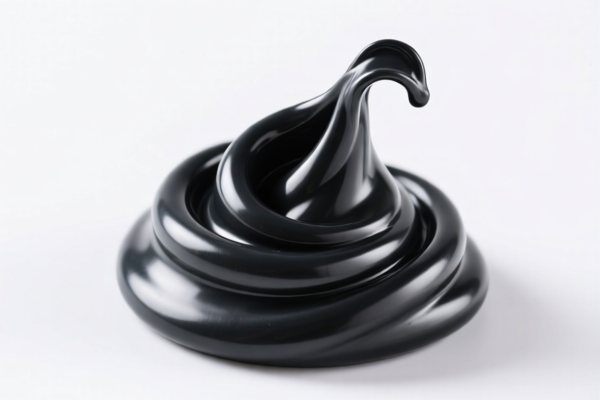
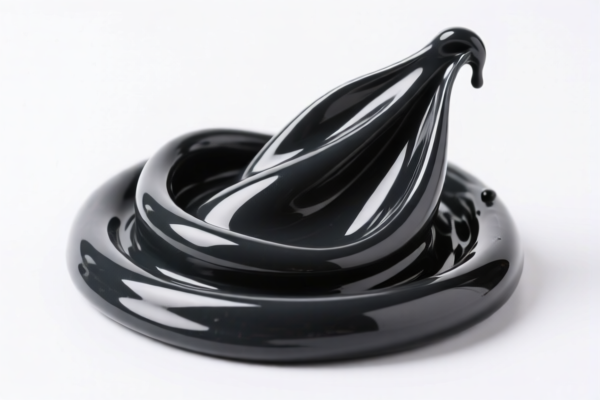
Synthetic Rubber Latex, specifically designated for fiber processing, is a water-based emulsion of synthetic polymers. In international trade, it is primarily categorized based on its chemical composition (material) and physical state (latex/emulsion). It is crucial to distinguish between the chemical nature (polymer) and the form (latex) to avoid misclassification, which can lead to significant tariff discrepancies.
⚠️ Key Distinction Point:
- If classified under Chapter 39 (Plastics and Articles Thereof) as a polymer in primary form → Usually attracts higher duties due to the "6.5% base rate" trap in certain subheadings.
- If classified under Chapter 40 (Rubber and Articles Thereof) as an emulsion of synthetic rubber → Typically enjoys a 0% base duty, though subject to additional trade remedies.
- Critical Error: Do not classify under 3913.90.50.00 if the product meets the specific definition of synthetic rubber emulsion (Chapter 40), as this results in an unnecessary 6.5% base tax increase.
📦 II. HS Code Classification Details (2026 Latest Tariff Authority Mapping)
Based on the provided data, here are the valid classifications for "Synthetic Rubber Latex for Fiber Processing," analyzed by their specific characteristics:
| HS Code | Product Description | Key Characteristics | Tax Implication |
|---|---|---|---|
3913.90.10.00 |
Synthetic Rubber Latex (Polymer Category) | Material: Synthetic Rubber. Considered a chemical derivative of natural rubber/natural polymer category. | Total: 35% (Base 0% + Addl 25% + Sec 122 10%) |
4002.11.00.00 |
Synthetic Rubber Latex (Emulsion Category) | Form: Latex (Emulsion). Specifically fits SBR (Styrene-Butadiene Rubber) or Carboxylated SBR emulsion definitions. | Total: 35% (Base 0% + Addl 25% + Sec 122 10%) |
3913.90.50.00 |
Synthetic Rubber Latex (Other Polymers) | Material: Synthetic Rubber. Form: Latex. Classified as "Other" polymers in primary form. | Total: 41.5% (Base 6.5% + Addl 25% + Sec 122 10%) |
4002.91.00.00 |
Other Synthetic Rubber Emulsions | Material: Synthetic Rubber. Form: Latex (Emulsion). Fits general synthetic rubber emulsion definitions. | Total: 35% (Base 0% + Addl 25% + Sec 122 10%) |
4002.11.00.00 |
Synthetic Rubber Emulsion (Valid Match) | High consistency in material and form. Valid match for SBR/Carboxylated SBR latex. | Total: 35% (Base 0% + Addl 25% + Sec 122 10%) |
🔍 Strategic Insight:
- Avoid3913.90.50.00if possible. It imposes a 6.5% Base Tariff, pushing the total to 41.5%.
- Prefer4002.x1.x1or3913.90.10where the Base Tariff is 0%, keeping the total at 35%.
- Note:4002.11.00.00appears twice in the data with slightly different summaries but identical tax outcomes, indicating it is a strong candidate for SBR-type latexes.
💰 III. 2026 Latest Tariff Rate Breakdown (Including Surcharges & Policy Levies)
✅ Applicable Country: United States (US)
✅ Country of Origin: China (CN)
✅ Effective Time: Current trade policy (Includes Section 301 and IEEPA measures)
🎯 1. 3913.90.10.00 & 4002.11.00.00 & 4002.91.00.00 —— Optimized Clustering (0% Base)
These codes share the same tax structure, which is the most cost-effective pathway for standard synthetic rubber latexes.
| Item | Content |
|---|---|
| Base Tariff | 0.0% (Ad valorem) |
| Section 301 Additional Tariff | +25.0% (Trade Remedy for Chinese Goods) |
| Section 122 Tariff | +10.0% (Additional levy on specific chemical/polymer imports) |
| Total Effective Rate | 35.0% |
| Tax Calculation | CIF Value × 35% |
| De Minimis Exemption | ❌ Not Applicable (Denied for these codes) |
| Legal Basis Path | USITC:3913.90.10.00 / USITC:4002.11.00.00 → Section 301: Footnote 9903.88.01 → Section 122 Authority |
📌 Explanation:
- The 0% base rate is critical. Even though the product is "latex," classifying it under the correct rubber (Ch 40) or specific polymer (Ch 39.10/39.13 subheadings) avoids the 6.5% base.
- The 25% Section 301 is standard for most Chinese-origin goods.
- The 10% Section 122 is a specific additional duty often applied to chemical intermediates or polymers under certain conditions.
🎯 2. 3913.90.50.00 —— High-Cost Trap (6.5% Base)
| Item | Content |
|---|---|
| Base Tariff | 6.5% (Ad valorem) |
| Section 301 Additional Tariff | +25.0% |
| Section 122 Tariff | +10.0% |
| Total Effective Rate | 41.5% |
| Tax Calculation | CIF Value × 41.5% |
| De Minimis Exemption | ❌ Not Applicable |
| Legal Basis Path | USITC:3913.90.50.00 → Section 301: Footnote 9903.88.01 → Section 122 Authority |
📌 Warning:
- This code classifies the latex as "Other Polymers in Primary Form" not elsewhere specified.
- The 6.5% base makes this 6.5% more expensive than the optimal codes.
- Only use this if the product cannot be classified under SBR (4002.11) or other specific rubber emulsions (4002.91).
🛠️ IV. Customs Clearance Practical Advice (Real-World Pitfall Guide)
✅ 1. Required Documentation Checklist (Non-Negotiable)
| Document | Must Provide | Description |
|---|---|---|
| ✅ Product Specification Sheet | ✔️ | Must detail: Polymer type (e.g., SBR, NBR),固含量 (Solid Content), Viscosity, pH, and intended use (Fiber Processing). |
| ✅ MSDS (Material Safety Data Sheet) | ✔️ | Required for chemical classification and safety compliance. |
| ✅ Certificate of Origin (CO) | ✔️ | To determine applicability of Section 301 (if CN origin, 25% applies). |
| ✅ Commercial Invoice | ✔️ | Must clearly state: "Synthetic Rubber Latex, Emulsion, [Specific Type], For Fiber Processing." |
| ✅ Packing List | ✔️ | Net/Gross weight, container details. |
| ✅ Prior Ruling (Optional but Recommended) | ✔️ | If possible, obtain an Advance Ruling from CBP to lock in the HS Code and avoid post-entry audits. |
✅ 2. Declaration Strategy (Key Mantra)
🔥 “Emulsion Form, Chapter 40 Preferred; 0% Base Saves 6.5%!”
| Scenario | Correct Declaration | Incorrect Action | Consequence |
|---|---|---|---|
| Standard SBR Latex | 4002.11.00.00 |
Declare as 3913.90.50.00 |
Overpay 6.5% on CIF value. |
| General Synthetic Latex | 4002.91.00.00 |
Declare as 3913.90.10.00 (if not specific polymer) |
Risk of misclassification audit; verify if 3913.90.10 is strictly for "Natural Rubber Derivatives." |
| Fiber Processing Additive | 4002.11.00.00 |
Declare as "Chemical Adhesive" | Misclassification leads to duty underestimation + penalties. |
📌 Note on "Fiber Processing":
The end-use (fiber processing) does not change the HS Code, but it supports the description in the declaration. Ensure the product description matches the chemical/physical nature, not just the application.
✅ 3. Special Cases & Handling
| Situation | Handling Advice |
|---|---|
| High-Solid Content Latex | Still classified as emulsion if water-based. Do not switch to solid polymer codes. |
| Mixed Rubber Blends | Classify based on the principal material or the specific emulsion type (e.g., SBR dominates → 4002.11). |
| Section 122 Applicability | Verify if the specific synthetic rubber type is exempt from Section 122. In this dataset, it is included (+10%). |
| USMCA/Mexico Origin | If re-exported from Mexico, Section 301 may not apply if proper transformation occurs. Check Rule of Origin. |
🌍 V. Global Market Comparison (2026 Update)
| Country/Region | Recommended HS Code | Estimated Duty (CN Origin) | Key Certifications | Remarks |
|---|---|---|---|---|
| 🇺🇸 USA | 4002.11.00.00 |
35% | No specific FDA/CPSC for latex itself, but industrial use may require compliance. | High duty burden. |
| 🇨🇳 China | 4002.11.00.00 |
20% | None for import. | Standard MFN rate. |
| 🇪🇺 EU | 4002.11.00.00 |
5% | REACH Registration required for chemical substances. | Lower base duty, but REACH costs are high. |
| 🇯🇵 Japan | 4002.11.00.00 |
5% | JIS Standards. | FTA benefits may apply if eligible. |
📌 Conclusion:
- The US market is the most expensive due to the combination of Section 301 (25%) and Section 122 (10%).
- EU and Japan offer significantly lower base duties but have stricter chemical compliance (REACH/JIS).
- Optimization: Focus on classifying under 4002.11.00.00 (SBR) or 4002.91.00.00 to secure the 0% base rate.
📌 VI. Common Errors & Pitfall Guide (Lessons Learned)
❌ Error 1: Classifying synthetic latex under 3913.90.50.00 when it fits 4002.11.00.00.
👉 Consequence: Pay 41.5% instead of 35%. Loss: 6.5% of CIF value.
❌ Error 2: Ignoring the "Latex/Emulsion" form and declaring as solid rubber.
👉 Consequence: Incorrect chapter assignment; potential detention of goods.
❌ Error 3: Omitting "Section 122" awareness.
👉 Consequence: Underestimating total landed cost by 10%. This is not part of standard MFN rates.
❌ Error 4: Using vague descriptions like "Rubber Compound" without specifying "Latex/Emulsion."
👉 Consequence: Customs may downgrade or audit, leading to delays and additional examination fees.
✅ Correct Declaration Example:
"Synthetic Rubber Latex, Styrene-Butadiene Rubber (SBR) Emulsion, 60% Solid Content, pH 9.0, For Textile Fiber Processing, HS Code: 4002.11.00.00"
🎯 VII. Conclusion: Precision in Classification Saves Millions!
🎯 Remember the Mantra:
🔹 "Latex is Emulsion, Chapter 40 is King; 0% Base Rate, Avoid the 6.5% Ring."
🔹 "35% Total is the Target; 41.5% is the Trap. Don't Pay for 'Other'!"
📌 Pro Tip:
If your synthetic rubber latex is SBR-based, aggressively push for 4002.11.00.00. It is the most precise and cost-effective code in the provided dataset.
For non-SBR synthetic rubbers (e.g., NBR, BR), use 4002.91.00.00 to maintain the 0% base status.
📣 Immediate Action Plan:
📞 Consult a Customs Broker to verify if your specific polymer fits the "SBR" or "Other" definition under Chapter 40.
📄 Request an Advance Ruling from CBP to lock in the4002.11.00.00or4002.91.00.00classification.
📉 Calculate Landed Cost: Ensure your pricing model includes the 35% total duty, not just the base rate.
✨ Professional Customs Clearance Starts with Accurate Classification!
💼 Every 6.5% Saved is Pure Profit!
用户评价
关于 HS 编码归类
协调制度(HS)是由世界海关组织(WCO)制定的国际贸易商品分类标准。全球 200 多个国家采用 HS 系统作为海关关税、贸易统计和进出口监管的基础。
每个 HS 编码遵循以下层级结构:
- 章(2 位)——商品大类(例如:第 84 章:机器和机械设备)
- 品目(4 位)——章内的更具体分类
- 子目(6 位)——国际通用细分,所有 WCO 成员国统一使用
- 本国细分(8-10 位)——各国自行扩展的细分编码,如美国 HTSUS 10 位编码
正确的 HS 编码归类对于顺利通关、准确缴纳关税和遵守贸易法规至关重要。错误归类可能导致海关延误、多缴关税或罚款。
从CN进口到US时,适用的关税税率可能包括:
- 最惠国(MFN)税率——适用于 WTO 成员国的标准关税税率
- 普通税率——适用于无贸易协定国家
- 贸易救济关税——附加关税,如 301 条款(反倾销)、232 条款(国家安全)或反补贴税
本页内容仅供参考。如需正式归类,请咨询当地海关或持牌报关代理。