Synthetic Rubber Sheet
CN → US| HS编码 | 关税税率 | 原产国 | 目的国 | 文档 |
|---|---|---|---|---|
| 4002190019 | 35.0% | CN | US | 官方文档 |
| 4002190014 | 35.0% | CN | US | 官方文档 |
| 3901901000 | 35.0% | CN | US | 官方文档 |
| 3901909000 | 41.5% | CN | US | 官方文档 |
商品图片
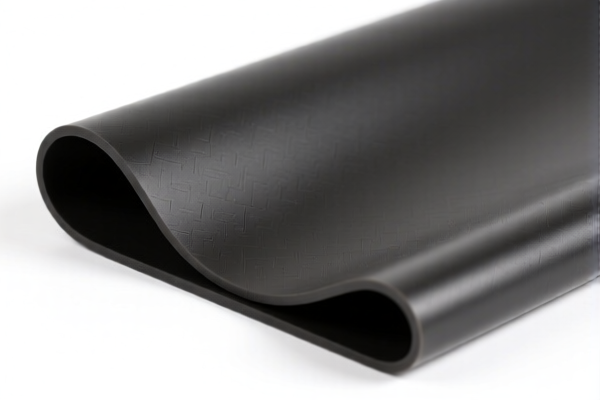
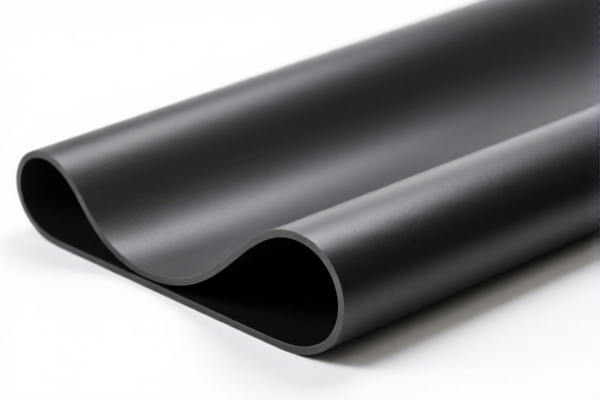
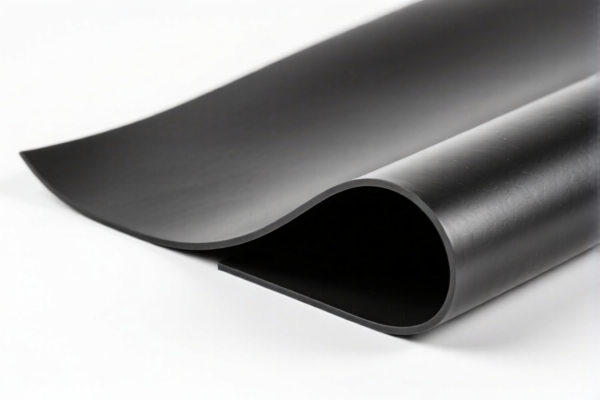
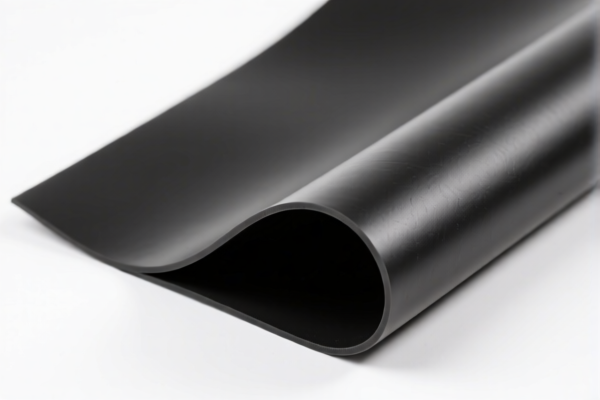
AI分析
🛢️ Synthetic Rubber Sheet (Clay/Powder Forms in Data)
🌐 HS Code Reference & Customs Clearance Guide | 2026 Latest Tariff Analysis | Professional Entry Strategy
📌 I. Product Definition & Classification: Understanding "Synthetic Rubber Powder"
The data provided specifically identifies "Synthetic Rubber Powder" (not sheets) as the subject of classification. In international trade, synthetic rubber is categorized based on its chemical composition (polymer type) and physical state. The data highlights two main chemical groups for powdered forms: 1. General Synthetic Rubber: Unspecified generic synthetic rubber in powder form. 2. Ethylene Polymers: Synthetic rubber derived specifically from ethylene polymers.
⚠️ Critical Distinction:
- The data explicitly lists "Powder" (粉末) forms. If you are importing Sheets, these HS codes may NOT apply directly, as sheet forms typically fall under different subheadings (e.g., 4002.99). However, based strictly on the provided , we analyze the "Powder" classifications provided.
- If your product is indeed a Sheet, please verify if it matches the description of "Ethylene Polymer" or "General Synthetic Rubber" in powder form, or if a re-evaluation of the HS code is required for sheet goods.
📦 II. HS Code Classification Details (2026 Latest Tariff Authority对照)
| HS Code | Product Description | Applicable Scenario | Chemical Nature |
|--------|----------|--------------------------|
| 4002.19.00.19 | Synthetic Rubber Powder (General) | Generic synthetic rubber in powder form, not specified as ethylene-based | General Synthetic Rubber |
| 4002.19.00.14 | Synthetic Rubber Powder (General) | Generic synthetic rubber in powder form, not specified as ethylene-based | General Synthetic Rubber |
| 3901.90.10.00 | Synthetic Rubber Powder (Ethylene Polymer) | Specifically derived from ethylene polymers, powder form | Ethylene Polymer |
| 3901.90.90.00 | Synthetic Rubber Powder (Ethylene Polymer) | Specifically derived from ethylene polymers, powder form | Ethylene Polymer |
🔍 Key Insight:
- HS Codes4002...generally cover general synthetic rubbers. - HS Codes3901...cover ethylene polymers (often classified under plastics/chapter 39 if not meeting the definition of rubber in Chapter 40, or depending on specific regulatory interpretations). - ⚠️ Warning: The prompt asks for "Synthetic Rubber Sheet," but the data only contains "Powder" descriptions. Do not use these codes for actual sheets without verifying the physical form.
💰 III. 2026 Latest Tariff Rate Breakdown (Including Surcharges & Policy Add-ons)
✅ Applicable Country: United States (US)
✅ Origin: China (CN)
✅ Effective Date: 2025/2026 Period (as per data)
🎯 1. 4002.19.00.19 & 4002.19.00.14 —— General Synthetic Rubber Powder
| Item | Content |
|---|---|
| Base Duty Rate | 0.0% (ad valorem) |
| Section 301 Surcharge | +25.0% |
| Section 122 Tariff | +10.0% |
| Total Tax Rate | 35.0% |
| Tax Calculation | CIF Value × 35% |
| De Minimis Eligibility | ❌ Not Eligible (Deny De Minimis) |
| Legal Basis Path | Section 301: 25% + Section 122: 10% → Total 35% |
📌 Explanation:
- These codes attract a 0% base duty, but the 35% total rate is driven entirely by punitive tariffs (Section 301 and Section 122). - Section 301 (25%): Standard US trade remedy tariff on many Chinese goods. - Section 122 (10%): Additional surcharge targeting specific categories. - Result: A high-cost entry into the US market.
🎯 2. 3901.90.10.00 —— Ethylene Polymer Powder
| Item | Content |
|---|---|
| Base Duty Rate | 0.0% |
| Section 301 Surcharge | +25.0% |
| Section 122 Tariff | +10.0% |
| Total Tax Rate | 35.0% |
| Tax Calculation | CIF Value × 35% |
| De Minimis Eligibility | ❌ Not Eligible |
| Legal Basis Path | Section 301: 25% + Section 122: 10% → Total 35% |
📌 Explanation:
- Despite being classified under Chapter 39 (Ethylene Polymers), this item is treated similarly to synthetic rubber in terms of tariffs if identified as a polymer rubber compound. - Total Rate: 35%.
🎯 3. 3901.90.90.00 —— Ethylene Polymer Powder (Other)
| Item | Content |
|---|---|
| Base Duty Rate | 6.5% |
| Section 301 Surcharge | +25.0% |
| Section 122 Tariff | +10.0% |
| Total Tax Rate | 41.5% |
| Tax Calculation | CIF Value × 41.5% |
| De Minimis Eligibility | ❌ Not Eligible |
| Legal Basis Path | Base: 6.5% + Section 301: 25% + Section 122: 10% → Total 41.5% |
📌 Explanation:
- This is the most expensive category in the dataset. - It incurs a 6.5% base duty plus the 35% in surcharges. - Total Rate: 41.5%. High impact on profit margins.
🛠️ IV. Customs Clearance Practical Advice (实战避坑指南)
✅ 1. Preparation Checklist (All Required)
| Document | Must Provide | Explanation |
|---|---|---|
| ✅ Product Spec Sheet | ✔️ | Must clearly state "Powder" form, chemical composition (e.g., Ethylene Polymer), and CAS number if applicable. |
| ✅ Material Safety Data Sheet (MSDS) | ✔️ | Required for chemical/polymer imports. |
| ✅ Commercial Invoice | ✔️ | Clearly describe as "Synthetic Rubber Powder" or "Ethylene Polymer Powder." Do NOT use "Sheet" if it is powder. |
| ✅ Certificate of Origin | ✔️ | To prove CN origin for tariff application. |
| ✅ Packaging List | ✔️ | Detail net/gross weight, confirm powder packaging (e.g., bags, drums). |
✅ 2. Declaration Tips (Key Mantra)
🔥 "Form Matters: Powder vs. Sheet"
- If your product is Sheet, do NOT use these HS Codes (4002.19.00.19/14,3901.90.10/90) unless the customs authority confirms they apply to your specific sheet composition.
- Correct Description: "Synthetic Rubber Powder" or "Ethylene Polymer Powder."
- Incorrect Description: "Synthetic Rubber Sheet" (Mismatch leads to detention).
✅ 3. Special Handling
| Scenario | Handling Advice |
|---|---|
| Misdeclaration (Sheet vs. Powder) | If you declare "Sheet" but use powder HS codes, customs may reclassify and apply different rates (potentially higher or lower, but likely triggering penalties). |
| Ethylene Polymer Identification | Ensure chemical analysis confirms "Ethylene Polymer" for 3901 codes. Misclassification can lead to 6.5% base duty vs 0% base duty differences. |
| High Tariff Planning | With rates of 35%-41.5%, consider: 1. Pre-Ruling: Apply for an Advance Ruling to confirm HS Code. 2. Supply Chain Shift: Explore origins with lower tariffs (if applicable). 3. Cost Absorption: Factor 35-41.5% into landed cost. |
🌍 V. Global Market Comparison (2026 Latest)
| Country/Region | Recommended HS Code (if Powder) | Total Tariff (China Origin) | Key Requirements | Notes |
|---|---|---|---|---|
| 🇺🇸 USA | 4002.19.00.19 / 3901.90.xxxx |
35% - 41.5% | Section 301 & 122 Apply | Highest Cost |
| 🇨🇳 China | 4002.19.00.19 / 3901.90.xxxx |
0% - 6.5% (Base) | CCC (if applicable) | No punitive tariffs |
| 🇪🇺 EU | Check TARIC for "Rubber Powder" | Varies (Usually 5-7%) | REACH Registration | No Section 301/122 |
| 🇦🇺 Australia | 4002.19.00.00 (General) |
5% | ADR (Transport) | No punitive tariffs |
📌 Conclusion:
- USA imposes 35%-41.5% tariffs on these powdered synthetic rubber/ethylene polymer goods.
- Non-US Markets typically have significantly lower base tariffs but may have other regulatory barriers (e.g., REACH in EU).
📌 VI. Common Errors & Pitfalls (Blood Lessons)
❌ Error 1: Declaring "Synthetic Rubber Sheet" but using Powder HS Codes
👉 Consequence: Customs may detain the shipment for misdescription. Risk of penalty and re-classification.
👉 Fix: Verify physical form. If Sheet, find the correct HS Code for Sheets (e.g., 4002.99 or 4008).
❌ Error 2: Ignoring Section 122 (10%)
👉 Consequence: Underpayment of duties. Audits may reveal unpaid 10% surcharge + interest.
👉 Fix: Ensure total rate calculation includes Base + 301 + 122.
❌ Error 3: Confusing Ethylene Polymer (3901) with General Rubber (4002)
👉 Consequence: 3901.90.90.00 has a 6.5% base duty, while 4002 codes have 0%. Misclassification leads to under/over payment.
👉 Fix: Conduct chemical analysis to confirm polymer type.
✅ Correct Practice:
"Synthetic Rubber Powder, 90% Ethylene Polymer, CAS No. XXXXX, Packaged in 25kg Bags, For Use in [Specific Application]."
🎯 VII. Conclusion: Precise Declaration Saves Money
🎯 Remember:
🔹 "Powder vs. Sheet: Know Your Form!"
🔹 "35-41.5% Total Duty: Plan Your Budget!"
🔹 "Ethylene Polymer? Check 3901. General Rubber? Check 4002."
📌 Tip:
If your product is truly a Sheet, these HS codes are likely incorrect. Please consult a customs broker to identify the correct HS Code for Synthetic Rubber Sheets (e.g.,
4002.99.xxxx). Using powder codes for sheets can lead to severe penalties.
📣 Immediate Action:
📞 Contact a Licensed Customs Broker to verify if your "Sheet" product can legally be classified under these powder codes or if a re-evaluation is needed.
🚀 Accurate Classification = Smooth Clearance + Cost Control.
✨ Professional Clearance Starts with Precise Classification!
💼 Your Every Dollar Deserves to Be Accounted For!
用户评价
关于 HS 编码归类
协调制度(HS)是由世界海关组织(WCO)制定的国际贸易商品分类标准。全球 200 多个国家采用 HS 系统作为海关关税、贸易统计和进出口监管的基础。
每个 HS 编码遵循以下层级结构:
- 章(2 位)——商品大类(例如:第 84 章:机器和机械设备)
- 品目(4 位)——章内的更具体分类
- 子目(6 位)——国际通用细分,所有 WCO 成员国统一使用
- 本国细分(8-10 位)——各国自行扩展的细分编码,如美国 HTSUS 10 位编码
正确的 HS 编码归类对于顺利通关、准确缴纳关税和遵守贸易法规至关重要。错误归类可能导致海关延误、多缴关税或罚款。
从CN进口到US时,适用的关税税率可能包括:
- 最惠国(MFN)税率——适用于 WTO 成员国的标准关税税率
- 普通税率——适用于无贸易协定国家
- 贸易救济关税——附加关税,如 301 条款(反倾销)、232 条款(国家安全)或反补贴税
本页内容仅供参考。如需正式归类,请咨询当地海关或持牌报关代理。