Table Tennis
CN → US| HS编码 | 关税税率 | 原产国 | 目的国 | 文档 |
|---|---|---|---|---|
| 9506594040 | 15.6% | CN | US | 官方文档 |
| 9506512000 | 15.3% | CN | US | 官方文档 |
| 9506594040 | 15.6% | CN | US | 官方文档 |
| 9506512000 | 15.3% | CN | US | 官方文档 |
商品图片
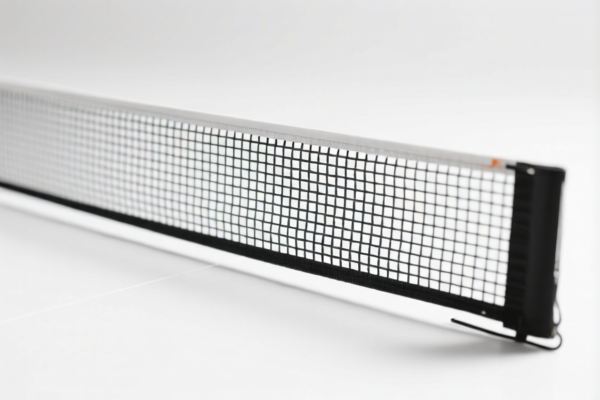
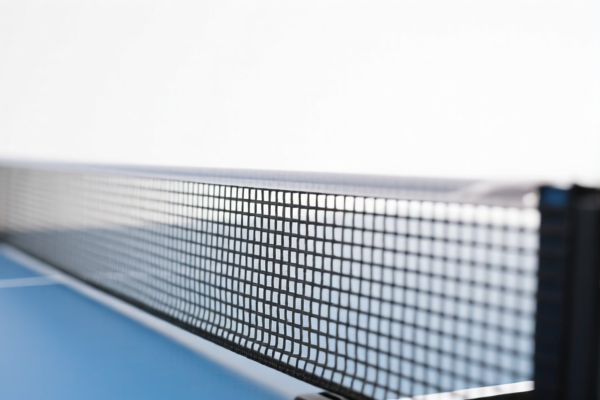
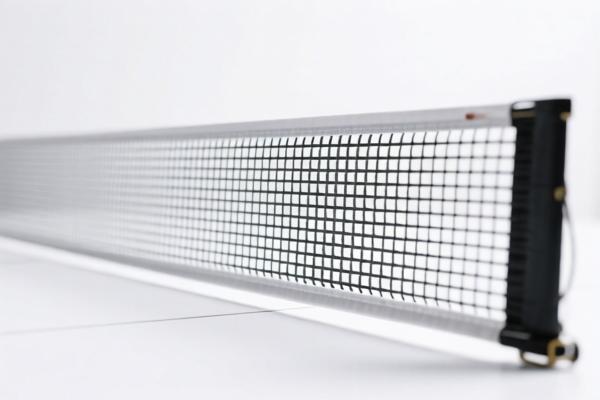
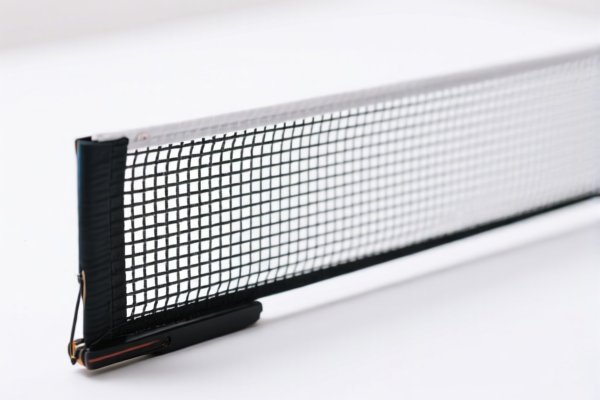
AI分析
🏓 Table Tennis (Ping Pong Paddles & Balls)
🌐 HS Code Reference & Customs Clearance Guide | 2026 Latest Tariff Analysis | Professional Entry Strategies
📌 I. Product Definition & Classification: Do You Really Understand "Table Tennis Equipment"?
Table tennis equipment is a specialized category of sporting goods. In international trade, it is strictly divided based on form and usage. The core items usually include rackets (paddles) and balls.
1. Rackets (Paddles):
These are classified based on whether they are made of specific materials (steel, aluminum, copper) or general sports materials. The key distinction lies in the material composition, which directly triggers different additional tariffs.
2. Balls:
While the provided data focuses heavily on rackets, table tennis balls generally fall under heading 9506.69 (not explicitly detailed in the source data below, but rackets are the primary focus here).
⚠️ Key Distinction Point:
- Rackets with Steel/Aluminum/Copper components: Subject to heavy "Section 122" additional tariffs.
- Standard Composite/Plastic Rackets: Subject to standard base tariffs + IEEPA surcharges.
- Unstrung vs. Strung: The classification logic prefers matching the "paddle" description even if unstrung, provided no material conflict exists.
📦 II. HS Code Classification Details (2026 Latest Tariff Authority Comparison)
Based on the provided data, here are the specific HS Codes for Table Tennis Rackets:
| HS Code | Product Description | Application Scenario | Material Note |
|---|---|---|---|
9506.51.20.00 |
Table Tennis Rackets (General) | Standard composite/wood/plastic rackets | No steel/aluminum/copper core mentioned; standard sports gear |
9506.59.40.40 |
Table Tennis Rackets & Frames (Special Material) | Rackets specifically containing Steel, Aluminum, or Copper parts | Triggers "Section 122" additional tariff |
🔍 Critical Reminder:
-9506.51.20.00: This is the standard code for most table tennis rackets. It matches the description "rackets for table tennis" in form and function.
-9506.59.40.40: This code is used when the racket or frame contains steel, aluminum, or copper. If your product uses these materials, you must use this code, or face misclassification penalties.
- Unstrung Paddles: According to customs rules, if the material does not conflict, unstrung rackets are still classified under the appropriate racket HS code.
💰 III. 2026 Latest Tariff Rate Detailed Breakdown (Including Surcharge & Policy Add-ons)
✅ Applicable Country: United States (US)
✅ Origin: China (CN)
✅ Effective Time: Current 2026 Tariff Schedule
🎯 1. 9506.51.20.00 —— Standard Table Tennis Rackets
| Item | Content |
|---|---|
| Base Tariff | 5.3% (Ad Valorem) |
| Additional Tariff (Section 301/IEEPA) | +10% (122 Clause Tariff for China-origin goods) |
| Material-Specific Surcharge | 0.0% (No steel/aluminum/copper components) |
| Total Effective Tax Rate | 15.3% |
| Tax Calculation | CIF Value × 15.3% |
| De Minimis Eligibility | ❌ Not Eligible (High tariff rates typically exclude low-value shipments from de minimis benefits) |
| Legal Basis Path | Base: 5.3% + 122 Clause: 10% |
📌 Explanation:
- The 5.3% is the standard MFN (Most Favored Nation) base duty for sporting goods under heading 9506.51.
- The +10% is the additional tariff applied under the "122 Clause" (often linked to Section 301 or specific executive orders targeting Chinese goods).
- Total: 15.3%. This is a moderate-to-high tariff but lower than the metal-based racket category.
🎯 2. 9506.59.40.40 —— Table Tennis Rackets with Metal Components (Steel/Aluminum/Copper)
| Item | Content |
|---|---|
| Base Tariff | 5.6% (Ad Valorem) |
| Additional Tariff (Section 301/IEEPA) | +10% (122 Clause Tariff for China-origin goods) |
| Steel/Aluminum/Copper Surcharge | +50% (Section 232 or related metal tariffs) |
| Total Effective Tax Rate | 65.6% |
| Tax Calculation | CIF Value × 65.6% |
| De Minimis Eligibility | ❌ Not Eligible |
| Legal Basis Path | Base: 5.6% + 122 Clause: 10% + Steel/Al/Cu Surcharge: 50% |
📌 Warning:
- The +50% surcharge is the critical differentiator. If your racket frame or blade contains steel, aluminum, or copper, this tariff applies.
- Total: 65.6%. This is an extremely high tariff.
- Action: Ensure your product does not contain these metals if you wish to use the lower-tariff code9506.51.20.00. If it does, you must declare accurately to avoid fraud charges, but consider supply chain adjustments to mitigate cost.
🛠️ IV. Customs Clearance Practical Advice (Real-World Pitfall Guide)
✅ 1. Documentation Checklist (Non-Negotiable)
| Document | Required | Explanation |
|---|---|---|
| ✅ Product Specification Sheet | ✔️ | Must clearly state materials (e.g., "5-ply wood," "carbon fiber," "no metal core"). |
| ✅ Photos (Clear & Detailed) | ✔️ | Show the racket blade, handle, and any metallic parts (or lack thereof). |
| ✅ Commercial Invoice | ✔️ | Description must match HS Code: "Table Tennis Racket, Wood/Composite" vs. "Table Tennis Racket with Metal Frame." |
| ✅ Packing List | ✔️ | List quantity, weight, and unit price. |
| ✅ Material Declaration | ✔️ | Explicitly state: "Contains NO steel, aluminum, or copper components" (for 9506.51.20.00). |
✅ 2. Declaration Tips (Key Mantras)
🔥 "Material is King, Metal Means Penalty, Accuracy Saves Millions!"
| Scenario | Correct Declaration | Wrong Action | Consequence |
|---|---|---|---|
| Standard Wood/Carbon Racket | 9506.51.20.00 (15.3%) |
Declared as 9506.59.40.40 |
Overpaying tariffs (50.3% extra cost!) |
| Racket with Aluminum Frame | 9506.59.40.40 (65.6%) |
Declared as 9506.51.20.00 |
Underpayment + Penalties + Seizure Risk |
| Unstrung Paddle | 9506.51.20.00 (if non-metal) |
Refused clearance | Delayed shipment |
| Mixed Box (Balls + Rackets) | Separate HS Codes per item | Lump sum declaration | Audit risk |
✅ 3. Special Cases Handling
| Case | Handling Advice |
|---|---|
| Carbon Fiber Rackets | Typically classified under 9506.51.20.00 (15.3%) as carbon is not steel/aluminum/copper. |
| Metal-Alloy Handles | If the handle contains steel/aluminum/copper, it must go to 9506.59.40.40 (65.6%). Do not hide this. |
| OEM Custom Rackets | Provide design specs. If the client specifies "metal-free," declare accordingly. |
| Used/Retail vs. New | New sportswear generally has higher scrutiny. Ensure invoices reflect "New" and proper value. |
🌍 V. Global Market Clearance Comparison (2026 Latest)
| Country/Region | Recommended HS Code | Tariff (China Origin) | Notes |
|---|---|---|---|
| 🇺🇸 United States | 9506.51.20.00 |
15.3% | Avoid 9506.59.40.40 unless necessary (65.6%) |
| 🇺🇸 United States | 9506.59.40.40 |
65.6% | High cost due to metal surcharge |
| 🇨🇳 China | 9506.51.20.00 |
~5-10% | Lower import duties for China |
| 🇪🇺 EU | 9506.51.00 |
~6.5% | No Section 122 or 50% metal surcharge |
| 🇬🇧 UK | 9506.51.00 |
~6.5% | Post-Brexit tariffs similar to EU |
📌 Conclusion:
- The US market is significantly more expensive for table tennis equipment due to the 10% IEEPA surcharge and the 50% metal surcharge.
- Metal content is the biggest cost driver. Switching to non-metal materials (wood, carbon fiber, plastic) can save you over 50% in tariffs.
📌 VI. Common Errors & Pitfall Guide (Blood & Tears Lessons)
❌ Error 1: Declaring a metal-framed racket as 9506.51.20.00
👉 Consequence: Customs will audit, find the metal, and demand back-taxes + fines. The rate difference is 50.3%!
❌ Error 2: Assuming "Sporting Goods" means a single tariff code
👉 Consequence: Misclassification. 9506.51 (Rackets) and 9506.69 (Balls) are different. Even if data focuses on rackets, keep them separate.
❌ Error 3: Ignoring the "Unstrung" status
👉 Consequence: While unstrung rackets can still be classified as rackets, providing a material declaration is crucial to prove no metal content exists, justifying the lower 15.3% rate.
❌ Error 4: Vague Description "Ping Pong Paddle"
👉 Consequence: Customs officers may guess the material. Always specify: "Table Tennis Racket, Carbon Fiber Blade, No Metal Components".
✅ Correct Practice:
"Table Tennis Racket, Model XYZ, 5-Ply Wood/Carbon Fiber, Handle: Wood, Zero Steel/Aluminum/Copper, New, 10 Units."
🎯 VII. Conclusion: Professional Declaration, Save Money, Ensure Compliance!
🎯 Remember the Mantra:
🔹 "No Metal = 15.3% Tax" (
9506.51.20.00)
🔹 "Metal Inside = 65.6% Tax!" (9506.59.40.40)
🔹 "Check the Blade, Check the Handle, Check the Cost!"
📌 Pro Tip:
If your supply chain can switch from metal-alloy frames to high-end carbon fiber, you can reduce your tax burden from 65.6% to 15.3%. This is a 50% cost saving solely through material optimization!
📣 Immediate Action:
📞 Contact your freight forwarder with detailed material specs.
📄 Apply for an Advance Ruling if your product has mixed materials.
🚀 Ensure your commercial invoice explicitly states "Non-Metal" to qualify for the 15.3% rate.
✨ Professional Clearance Starts with Accurate Classification!
💼 Every percentage point of tax matters in your profit margin!
用户评价
关于 HS 编码归类
协调制度(HS)是由世界海关组织(WCO)制定的国际贸易商品分类标准。全球 200 多个国家采用 HS 系统作为海关关税、贸易统计和进出口监管的基础。
每个 HS 编码遵循以下层级结构:
- 章(2 位)——商品大类(例如:第 84 章:机器和机械设备)
- 品目(4 位)——章内的更具体分类
- 子目(6 位)——国际通用细分,所有 WCO 成员国统一使用
- 本国细分(8-10 位)——各国自行扩展的细分编码,如美国 HTSUS 10 位编码
正确的 HS 编码归类对于顺利通关、准确缴纳关税和遵守贸易法规至关重要。错误归类可能导致海关延误、多缴关税或罚款。
从CN进口到US时,适用的关税税率可能包括:
- 最惠国(MFN)税率——适用于 WTO 成员国的标准关税税率
- 普通税率——适用于无贸易协定国家
- 贸易救济关税——附加关税,如 301 条款(反倾销)、232 条款(国家安全)或反补贴税
本页内容仅供参考。如需正式归类,请咨询当地海关或持牌报关代理。