Tableware Box
CN → US| HS编码 | 关税税率 | 原产国 | 目的国 | 文档 |
|---|---|---|---|---|
| 4420908000 | 38.2% | CN | US | 官方文档 |
| 4202929315 | 52.6% | CN | US | 官方文档 |
| 3926901000 | 20.9% | CN | US | 官方文档 |
| 4202926010 | 41.3% | CN | US | 官方文档 |
| 3926909989 | 22.8% | CN | US | 官方文档 |
商品图片
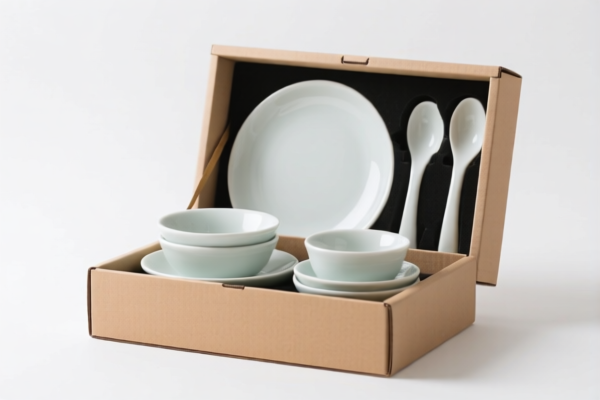
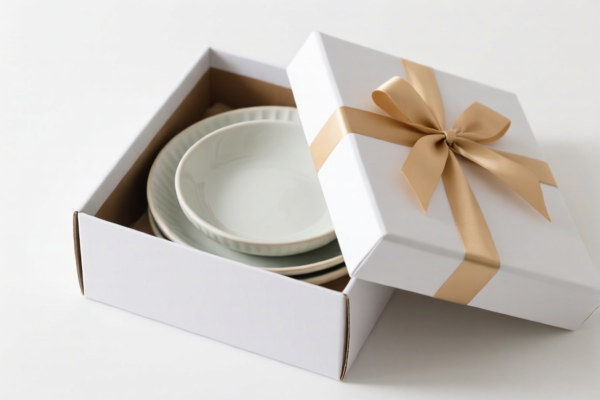
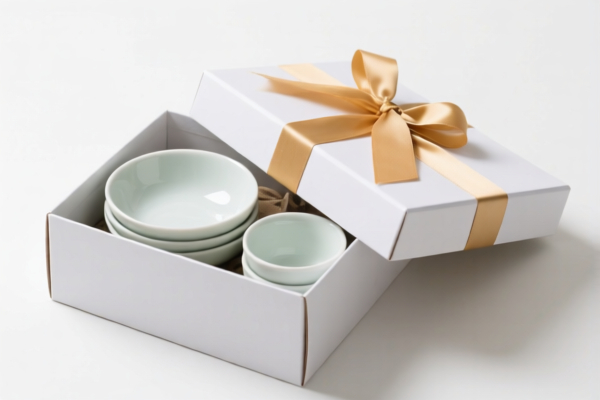
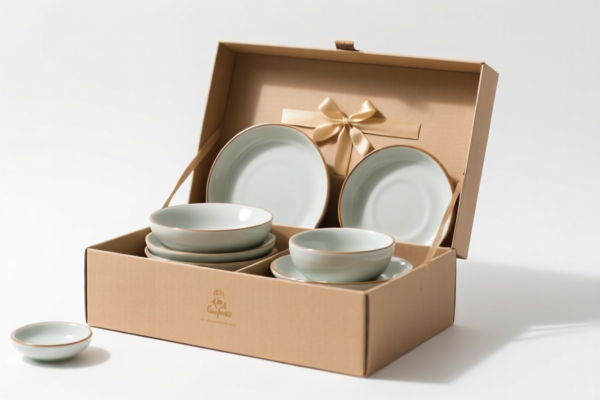
AI分析
🍽️ Tableware Box (Crockery/Tabletop Storage)
🌐 HS Code Reference & Customs Clearance Guide | 2026 Latest Tariff Analysis | Professional Entry Strategy
📌 I. Product Definition & Classification: What Exactly Is a "Tableware Box"?
A Tableware Box is a general term for a container designed to store, protect, and organize tableware (plates, bowls, cutlery, etc.). In international trade, the Harmonized System (HS) classification does not have a single dedicated code for "Tableware Box." Instead, classification is strictly determined by Material Composition and Specific Design.
⚠️ Key Classification Logic:
- Wooden? → Classified under Chapter 44 (Wood articles) or Chapter 96 (if specifically for jewelry/toiletries, but often 44 for general storage).
- Plastic? → Classified under Chapter 39 (Plastic articles).
- Textile/Vinyl/Covered? → Classified under Chapter 42 (Articles of leather/plastic sheeting/textile materials).
- Metal? → Not listed in the provided data, but typically Chapter 73 or 83.📌 Critical Distinction:
- If it is a rigid wooden box for storage → 4420.90.80.00
- If it is a textile-covered or plastic-lined case (like a jewelry box shape but for dishes) → 4202.92.93.15 or 4202.92.60.10
- If it is a pure plastic container (buckety/pail style) → 3926.90.10.00 or 3926.90.99.89
📦 II. HS Code Classification Details (2026 Latest Tariff Alignment)
Based on the provided data, here are the 5 possible classifications for a "Tableware Box," depending on its inferred material. The tax rates vary significantly based on this choice.
| HS Code | Product Description (Inferred) | Material Basis | Total Tax Rate | Primary Conflict/Note |
|---|---|---|---|---|
4420.90.80.00 |
Wooden Tableware/Jewelry Box & Similar | Wood | 38.2% | High due to 25% Section 301 Tariff. No material conflict. |
4202.92.93.15 |
Container with Textile Surface | Textile/Fabric | 52.6% | Highest Tax. Assumes outer surface is textile. Heavy Section 301 penalty. |
3926.90.10.00 |
Plastic Container (Buckets/Pails style) | Plastic | 20.9% | Lowest Tax. Assumes plastic material, bucket/pail shape. Lower Section 301 (7.5%). |
4202.92.60.10 |
Jewelry Box / Similar Container | Plastic/Textile (Mixed) | 41.3% | "Other" category. Assumes plastic or textile exterior. High Section 301 (25%). |
3926.90.99.89 |
Plastic Other Articles | Plastic | 22.8% | Low Tax. Assumes generic plastic container. Lower Section 301 (7.5%). |
🔍 Key Insight:
- Material is King: The same physical box can incur 20.9% tax (if plastic) or 52.6% tax (if textile-covered) depending on how it is described and constructed. - Section 301 Impact: The 25% additional tariff (Section 301) applies heavily to wood, textiles, and general plastic articles, driving rates up. - IEEPA 122 Clause: A 10% surcharge applies to almost all Chinese-origin goods in this category, significantly impacting the total cost.
💰 III. 2026 Latest Tariff Rate Breakdown (Detailed)
✅ Applicable Country: United States (US)
✅ Country of Origin: China (CN)
✅ Effective Time: Current rates apply (Section 301 & IEEPA active)
🎯 1. 3926.90.10.00 —— Plastic Container (Buckets/Pails) [MOST ECONOMICAL]
| Item | Detail |
|---|---|
| Base Tariff | 3.4% (ad valorem) |
| USITC Section 301 | +7.5% (Specific to this subheading for Chinese goods) |
| IEEPA 122 Clause | +10% (China/HK origin surcharge) |
| Total Effective Rate | 20.9% |
| Tax Calculation | CIF Value × 20.9% |
| De Minimis Exemption | ❌ Not Applicable (Section 301 applies) |
| Legal Basis | IEEPA:9903.01.25 → USITC:3926.90.10.00 |
📌 Explanation:
- This is the lowest tax bracket among the options. - It assumes the product is a plastic container resembling a bucket or pail. - The Section 301 rate is 7.5%, not 25%, making it highly cost-effective if the product can be classified here.
🎯 2. 3926.90.99.89 —— Plastic Other Articles [LOW TAX]
| Item | Detail |
|---|---|
| Base Tariff | 5.3% (ad valorem) |
| USITC Section 301 | +7.5% |
| IEEPA 122 Clause | +10% |
| Total Effective Rate | 22.8% |
| Tax Calculation | CIF Value × 22.8% |
| De Minimis Exemption | ❌ Not Applicable |
| Legal Basis | IEEPA:9903.01.25 → USITC:3926.90.99.89 |
📌 Explanation:
- Similar to above, but categorized as "Other plastic articles." - Slightly higher base rate (5.3% vs 3.4%) leads to a 22.8% total. - Still significantly cheaper than textile or wood options.
🎯 3. 4420.90.80.00 —— Wooden Box (Jewelry/Tableware) [MEDIUM-HIGH TAX]
| Item | Detail |
|---|---|
| Base Tariff | 3.2% (ad valorem) |
| USITC Section 301 | +25.0% |
| IEEPA 122 Clause | +10% |
| Total Effective Rate | 38.2% |
| Tax Calculation | CIF Value × 38.2% |
| De Minimis Exemption | ❌ Not Applicable |
| Legal Basis | IEEPA:9903.01.25 → USITC:4420.90.80.00 |
📌 Explanation:
- If the box is wooden, it falls here. - The 25% Section 301 tariff is the main cost driver. - Despite a low base rate (3.2%), the total is high due to trade policies.
🎯 4. 4202.92.60.10 —— Jewelry Box / Similar Container [HIGH TAX]
| Item | Detail |
|---|---|
| Base Tariff | 6.3% (ad valorem) |
| USITC Section 301 | +25.0% |
| IEEPA 122 Clause | +10% |
| Total Effective Rate | 41.3% |
| Tax Calculation | CIF Value × 41.3% |
| De Minimis Exemption | ❌ Not Applicable |
| Legal Basis | IEEPA:9903.01.25 → USITC:4202.92.60.10 |
📌 Explanation:
- Applies if the box is shaped like a jewelry/toiletry box but made of plastic or mixed materials. - High Section 301 (25%) makes this expensive.
🎯 5. 4202.92.93.15 —— Textile Surface Container [HIGHEST TAX]
| Item | Detail |
|---|---|
| Base Tariff | 17.6% (ad valorem) |
| USITC Section 301 | +25.0% |
| IEEPA 122 Clause | +10% |
| Total Effective Rate | 52.6% |
| Tax Calculation | CIF Value × 52.6% |
| De Minimis Exemption | ❌ Not Applicable |
| Legal Basis | IEEPA:9903.01.25 → USITC:4202.92.93.15 |
📌 Explanation:
- WARNING: This is the most expensive classification. - Applies if the outer surface is textile/fabric. - High base rate (17.6%) + 25% Section 301 + 10% IEEPA = 52.6%. - Avoid this classification unless the product is explicitly textile-covered.
🛠️ IV. Customs Clearance Practical Advice (Pitfall Avoidance Guide)
✅ 1. Preparation Checklist (Must-Haves)
| Document | Mandatory? | Notes |
|---|---|---|
| ✅ Product Photos | ✔️ | Show material clearly (Wood grain? Plastic texture? Fabric?). |
| ✅ Bill of Materials | ✔️ | Specify outer material vs. inner lining. |
| ✅ Commercial Invoice | ✔️ | Describe as "Plastic Tableware Organizer" or "Wooden Storage Box" EXACTLY matching the HS code. |
| ✅ Packing List | ✔️ | Ensure weights/dimensions match. |
| ✅ Structure Diagram | ✔️ | Helpful if customs questions the "container" aspect. |
✅ 2. Classification Strategy (Key Mantra)
🔥 “Material First, Shape Second, Avoid Textile, Choose Plastic!”
| Scenario | Recommended HS Code | Why? |
|---|---|---|
| Product is Plastic | 3926.90.10.00 |
Lowest tax (20.9%). Best for cost optimization. |
| Product is Wood | 4420.90.80.00 |
Standard for wood. Higher tax, but unavoidable if material is wood. |
| Product is Fabric/Cloth | AVOID 4202.92.93.15 |
Too expensive (52.6%). If possible, modify design to plastic/wood. |
| Mixed Materials | 4202.92.60.10 or 3926.90.99.89 |
Depends on dominant material. Plastic dominates → 3926.... Textile dominates → 4202.... |
✅ 3. Special Considerations
| Situation | Handling Advice |
|---|---|
| OEM Custom Boxes | Provide design specs. If the client wants a "wooden look" but it's plastic (laminated), declare as Plastic (3926...) with evidence of material composition. |
| Sets with Cutlery | If the box is sold with cutlery, the box may be classified as part of the cutlery set. However, if sold empty, classify the box itself. |
| "Tableware Box" Ambiguity | Do NOT use "Tableware Box" as the sole description. Use "Plastic Storage Container for Kitchen Utensils" or "Wooden Crockery Box" to align with HS codes. |
| IEEPA 122 Clause | Remember, the 10% surcharge is automatic for Chinese origin. It is not waived by the HS code. |
🌍 V. Global Market Comparison (2026)
| Region | Likely HS Code | Est. Tax (China Origin) | Notes |
|---|---|---|---|
| 🇺🇸 USA | 3926.90.10.00 |
20.9% | Low tax for plastic. High for wood/textile due to Section 301. |
| 🇺🇸 USA | 4420.90.80.00 |
38.2% | Wood classification penalty. |
| 🇺🇸 USA | 4202.92.93.15 |
52.6% | Avoid this code for cost reasons. |
| 🇪🇺 EU | Various | Varies | EU does not have Section 301. Taxes depend on base rate (often 0-6.5%). |
| 🇨🇳 China | Various | Varies | Import taxes apply. Domestic consumption tax may apply. |
📌 Conclusion:
- USA is the critical market where material choice impacts tax by 30+ percentage points. - Plastic (3926) is the most cost-effective classification for the US market. - Textile (4202) is the most expensive.
📌 VI. Common Mistakes & Pitfalls (Blood Lessons)
❌ Mistake 1: Declaring a Plastic Box as "Wooden" to match aesthetic photos.
👉 Consequence: Customs inspection reveals plastic → False Declaration Penalty + Retrospective Tax + Seizure Risk.
❌ Mistake 2: Declaring a Textile Box as "Plastic" to save tax.
👉 Consequence: Customs inspects and finds fabric → Downgrade to 4202.92.93.15 (52.6%) + Back Taxes.
❌ Mistake 3: Using "Tableware Box" as the Product Name without material specification.
👉 Consequence: Customs officer uses "Most Favored Nation" or default rates, often resulting in higher tariffs or delayed clearance.
❌ Mistake 4: Ignoring the IEEPA 122 Clause.
👉 Consequence: Assuming 20.9% is the final cost, but forgetting the 10% surcharge is already included in the "Total Tax" figures above. Clarify with your broker.
✅ Correct Approach:
"Plastic Kitchen Organizer, Resin, Black, Model XYZ, Made in China"
→ Aligns with3926.90.10.00→ 20.9% Tax.
🎯 VII. Conclusion: Professional Declaration, Cost Optimization!
🎯 Remember the Mantra:
🔹 “Plastic Box, 20% Tax; Wood Box, 38% Tax; Fabric Box, 52% Tax!”
🔹 “Declare Material, Not Just Shape; Save Thousands in Duties!”
📌 Pro Tip:
If your supply chain allows, switching from Wood/Textile to Plastic can save you 15-30% in total landed costs due to lower Section 301 rates.
Consider Advance Rulings (Pre-classification) with US CBP if the product design is unique.
📣 Immediate Action:
📞 Confirm material composition with your supplier.
📦 Declare as "Plastic Storage Container" if applicable.
🚀 Minimize Tariffs, Maximize Profit!
✨ Professional Customs Clearance Starts with Accurate Classification!
💼 Every Percent of Tax Saves Is Pure Profit!
用户评价
关于 HS 编码归类
协调制度(HS)是由世界海关组织(WCO)制定的国际贸易商品分类标准。全球 200 多个国家采用 HS 系统作为海关关税、贸易统计和进出口监管的基础。
每个 HS 编码遵循以下层级结构:
- 章(2 位)——商品大类(例如:第 84 章:机器和机械设备)
- 品目(4 位)——章内的更具体分类
- 子目(6 位)——国际通用细分,所有 WCO 成员国统一使用
- 本国细分(8-10 位)——各国自行扩展的细分编码,如美国 HTSUS 10 位编码
正确的 HS 编码归类对于顺利通关、准确缴纳关税和遵守贸易法规至关重要。错误归类可能导致海关延误、多缴关税或罚款。
从CN进口到US时,适用的关税税率可能包括:
- 最惠国(MFN)税率——适用于 WTO 成员国的标准关税税率
- 普通税率——适用于无贸易协定国家
- 贸易救济关税——附加关税,如 301 条款(反倾销)、232 条款(国家安全)或反补贴税
本页内容仅供参考。如需正式归类,请咨询当地海关或持牌报关代理。