Tableware Organizer Box
CN → US| HS编码 | 关税税率 | 原产国 | 目的国 | 文档 |
|---|---|---|---|---|
| 4420908000 | 38.2% | CN | US | 官方文档 |
| 4202929315 | 52.6% | CN | US | 官方文档 |
| 3926901000 | 20.9% | CN | US | 官方文档 |
| 4202926010 | 41.3% | CN | US | 官方文档 |
| 3926909989 | 22.8% | CN | US | 官方文档 |
商品图片
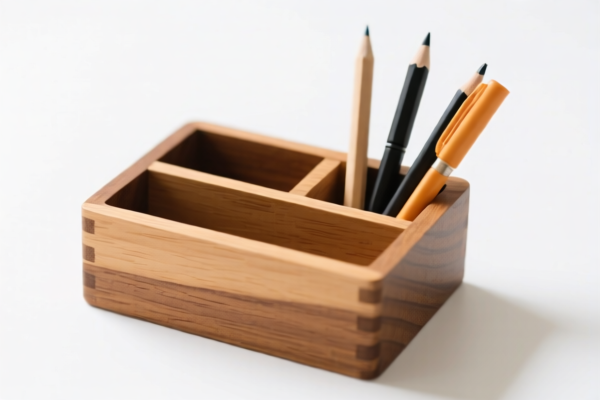
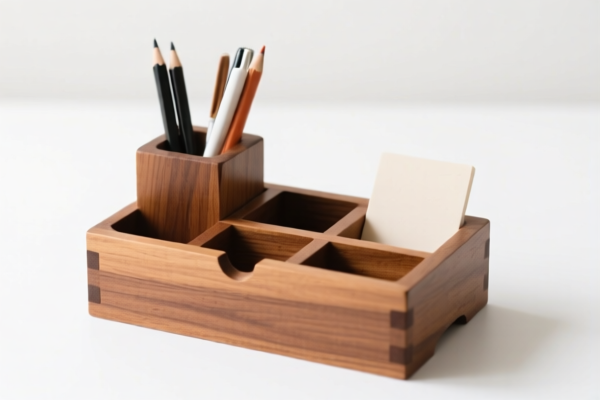
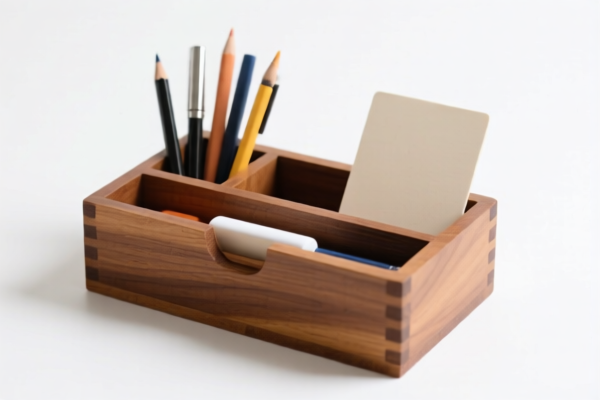
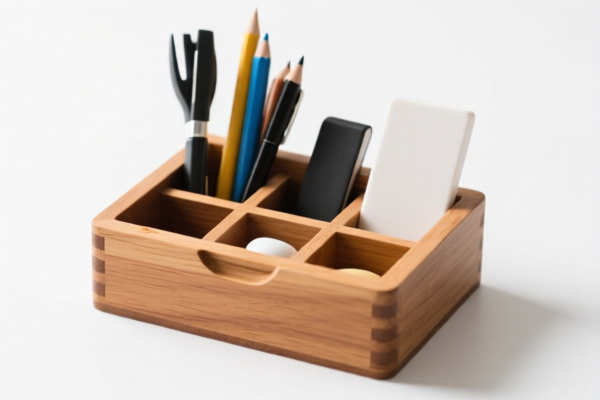
AI分析
📦 Tableware Organizer Box
🌐 HS Code Reference & Customs Clearance Guide | 2026 Latest Tariff Analysis | Professional Compliance Strategy
📌 I. Product Definition & Classification: What Exactly Is a "Tableware Organizer"?
A Tableware Organizer Box is a storage container designed specifically for holding cutlery, utensils, or dining accessories. In international trade, classification hinges heavily on material composition and specific design features. Since the term "Organizer Box" is generic, it can fall into multiple HS Code categories depending on whether it is made of wood, plastic, or textile/material combinations.
⚠️ Critical Distinction:
- If made of Wood and resembles jewelry/cutlery boxes → Chapter 44
- If made of Plastic and fits general storage categories → Chapter 39
- If made of Textiles/Vinyl or structured as a case → Chapter 42
📊 II. HS Code Classification Details (Based on Provided Data)
Based on the input data, the following HS Codes and tax structures are applicable, depending on the inferred material:
| HS Code | Inferred Material | Summary/Logic | Total Tax Rate |
|---|---|---|---|
4420.90.80.00 |
Wood | Matches "jewelry or cutlery boxes and similar wooden articles." Fits the form of a wooden container without material conflict. | 38.2% |
4202.92.93.15 |
Textile/Unknown Surface | Inferred as a container type. Based on "no obvious conflict," assumed to have a textile outer surface (common for fabric organizers). | 52.6% |
3926.90.10.00 |
Plastic | Inferred as plastic (common for Chapter 39). Matches "other articles" including buckets/pails in form/function. | 20.9% |
4202.92.60.10 |
Plastic/Textile (Fallback) | Fits the form of jewelry/utensil containers. Using "other/fallback" logic, assumes plastic or textile with no conflict. | 41.3% |
3926.90.99.89 |
Plastic (General) | Inferred as plastic based on common sense. Matches "other plastic articles" with no form/usage conflict. | 22.8% |
🔍 Key Takeaway:
- Plastic organizers generally attract lower base tariffs (3.4%-5.3%) but are subject to specific additional duties.
- Wooden organizers benefit from lower base tariffs (3.2%) but face a 10% Section 301/IEEPA surcharge.
- Textile-based organizers often face the highest total tax rates (up to 52.6%) due to higher base tariffs (17.6%).
💰 III. 2026 Latest Tariff Rate Breakdown (Detailed Tax Clauses)
✅ Applicable Country: United States (US)
✅ Origin: China (CN)
✅ Effective Date: Post-2025 Regulations (Including Section 301 & IEEPA measures)
🎯 1. 4420.90.80.00 — Wooden Tableware/Jewelry Boxes
| Item | Detail |
|---|---|
| Base Tariff | 3.2% |
| Additional Duty (Section 301/122) | 25.0% |
| IEEPA Additional Duty | 10.0% |
| Total Tax Rate | 38.2% |
| Calculation | CIF Value × 38.2% |
| De Minimis Exemption | ❌ Not Eligible (Deny de minimis for Chinese-origin goods under these specific codes) |
| Legal Basis | USITC: 4420.90.80.00 → Section 301: 25% → IEEPA: 10% |
📌 Explanation:
- The 25% is the standard Section 301 tariff on many Chinese manufactured goods.
- The 10% is an additional IEEPA (International Emergency Economic Powers Act) duty specific to certain Chinese imports.
- Total: 38.2%. This is a high-cost classification for wooden items.
🎯 2. 4202.92.93.15 — Textile/Composite Tableware Organizers
| Item | Detail |
|---|---|
| Base Tariff | 17.6% |
| Additional Duty (Section 301/122) | 25.0% |
| IEEPA Additional Duty | 10.0% |
| Total Tax Rate | 52.6% |
| Calculation | CIF Value × 52.6% |
| De Minimis Exemption | ❌ Not Eligible |
| Legal Basis | USITC: 4202.92.93.15 → Section 301: 25% → IEEPA: 10% |
📌 Warning:
- This is the highest tax bracket among the options.
- High base tariff (17.6%) combined with full additional duties makes this extremely expensive.
- Avoid this classification unless the product is definitively textile-based and cannot be reclassified.
🎯 3. 3926.90.10.00 — Plastic Tableware Organizers (Buckets/Pails Type)
| Item | Detail |
|---|---|
| Base Tariff | 3.4% |
| Additional Duty (Section 301) | 7.5% |
| IEEPA Additional Duty | 10.0% |
| Total Tax Rate | 20.9% |
| Calculation | CIF Value × 20.9% |
| De Minimis Exemption | ❌ Not Eligible |
| Legal Basis | USITC: 3926.90.10.00 → Section 301: 7.5% → IEEPA: 10% |
📌 Advantage:
- Significantly lower total tax (20.9%) compared to wood or textile.
- Lower Section 301 duty (7.5%) for specific plastic articles.
- Best cost-effective option if the product is plastic.
🎯 4. 4202.92.60.10 — Plastic/Textile Fallback (Jewelry/Utensil Cases)
| Item | Detail |
|---|---|
| Base Tariff | 6.3% |
| Additional Duty (Section 301/122) | 25.0% |
| IEEPA Additional Duty | 10.0% |
| Total Tax Rate | 41.3% |
| Calculation | CIF Value × 41.3% |
| De Minimis Exemption | ❌ Not Eligible |
| Legal Basis | USITC: 4202.92.60.10 → Section 301: 25% → IEEPA: 10% |
📌 Note:
- While the base tariff is moderate (6.3%), the 25% Section 301 duty pushes the total to 41.3%.
- This is comparable to wooden boxes. Use only if material is ambiguous but leans toward structured cases.
🎯 5. 3926.90.99.89 — General Plastic Articles
| Item | Detail |
|---|---|
| Base Tariff | 5.3% |
| Additional Duty (Section 301) | 7.5% |
| IEEPA Additional Duty | 10.0% |
| Total Tax Rate | 22.8% |
| Calculation | CIF Value × 22.8% |
| De Minimis Exemption | ❌ Not Eligible |
| Legal Basis | USITC: 3926.90.99.89 → Section 301: 7.5% → IEEPA: 10% |
📌 Comparison:
- Slightly higher than3926.90.10.00(20.9% vs 22.8%).
- Still the most economical category among all provided options.
- Suitable for general plastic storage boxes not specifically classified as buckets/pails.
🛠️ IV. Customs Clearance Practical Advice (Real-World Pitfall Guide)
✅ 1. Documentation Checklist (Must-Have)
| Document | Required? | Purpose |
|---|---|---|
| ✅ Product Specification Sheet | ✔️ | Defines material (Wood/Plastic/Textile), dimensions, and capacity. |
| ✅ Material Composition Certificate | ✔️ | Critical to distinguish between HS 39 (Plastic) and HS 44 (Wood). |
| ✅ Product Photos (Labeled) | ✔️ | Show texture, hinges, and any textile linings to support classification. |
| ✅ Commercial Invoice | ✔️ | Must clearly state: "Plastic Tableware Organizer Box" or "Wooden Cutlery Box" – No vague terms. |
| ✅ Packing List | ✔️ | Details volume and weight for duty calculation. |
✅ 2. Declaration Strategy (Key Mnemonic)
🔥 "Material Dictates Code, Vague Names Cost Extra!"
| Scenario | Correct Declaration | Incorrect Declaration | Consequence of Error |
|---|---|---|---|
| Plastic Organizer | 3926.90.99.89 (22.8%) |
4202.92.93.15 (52.6%) |
Overpay by 29.8%! |
| Wooden Box | 4420.90.80.00 (38.2%) |
3926.90.10.00 (20.9%) |
Under-declare → Penalties/Fines |
| Textile Case | 4202.92.93.15 (52.6%) |
3926.90.99.89 (22.8%) |
Under-declare → High Risk Audit |
💡 Pro Tip:
- If your product is mixed material (e.g., Plastic body with Fabric lining), customs may classify it based on the principal material or the essential character.
- Plastic is usually the principal material for rigid organizer boxes, favoring Chapter 39 (Lower Tax).
- Do NOT declare as "Organizer" alone. Use "Plastic Tableware Storage Box".
✅ 3. Special Circumstances & Mitigation
| Situation | Recommendation |
|---|---|
| Mixed Material (Plastic + Wood) | Provide a bill of materials. If plastic >50% by weight/value, argue for HS 39. |
| Textile-Lined Plastic Box | Still likely HS 39 if the plastic structure is dominant. Avoid HS 42 unless fully textile. |
| Sample vs. Bulk | Ensure samples match bulk material. Discrepancies cause customs holds. |
| Section 301 Exclusions | Check if your specific plastic item was removed from Section 301 lists (rare, but verify). |
🌍 V. Global Market Clearance Comparison (2026)
| Country/Region | Recommended HS Code | Estimated Tax (CN Origin) | Notes |
|---|---|---|---|
| 🇺🇸 USA | 3926.90.99.89 |
22.8% | Lowest among options. Avoid HS 42 (52.6%). |
| 🇪🇺 EU | 3926.90.99.89 |
~6-7% | No Section 301/IEEPA surcharges. Much cheaper. |
| 🇨🇳 China | 3926.90.99.89 |
~6% | Import duty + VAT. No additional US-style tariffs. |
| 🇨🇦 Canada | 3926.90.99.89 |
~5-6% | Generally lower than US, no 25% surcharge. |
📌 Conclusion:
- The USA is the most expensive market due to Section 301 (7.5%-25%) and IEEPA (10%) duties.
- Plastic organizers (HS 39) are the most tax-efficient choice for US imports.
- Wooden (HS 44) and Textile (HS 42) items face significantly higher duties.
📌 VI. Common Errors & Pitfalls (Lessons Learned)
❌ Error 1: Declaring a Plastic box as "Wooden Organizer"
👉 Result: Tax evasion audit. Customs will test material. If found plastic, you pay back duties + penalties.
👉 Correction: Always declare actual material.
❌ Error 2: Declaring a Textile case as Plastic to save tax
👉 Result: Seizure or Heavy Fine. Textile cases (HS 42) have 52.6% tax. If declared as Plastic (22.8%), customs may suspect fraud.
👉 Correction: Provide material samples for customs verification.
❌ Error 3: Using vague terms like "Home Storage Box"
👉 Result: Customs Delay. Officers may classify to the highest general rate (often HS 39 or 42) or require additional info.
👉 Correction: Use specific terms: "Plastic Cutlery Organizer".
❌ Error 4: Ignoring IEEPA 10% Duty
👉 Result: Underestimating Landed Cost. Many brokers miss the 10% IEEPA duty on top of Section 301.
👉 Correction: Always calculate Base + Section 301 + IEEPA.
🎯 VII. Final Recommendations: Optimize Your Clearance
🎯 Strategic Advice:
1. Prefer Plastic: If designing a new product, choose Plastic (HS 39) to minimize US tariffs (20.9%-22.8%).
2. Avoid Textile Cases: HS 42 codes attract 52.6% tax. Extremely costly.
3. Wood is Middle-Ground: HS 44 is 38.2%. Acceptable but not optimal.
4. Clear Documentation: Always provide Material Composition Certificates to prevent misclassification.
5. Apply for Advance Ruling: If the material is mixed, file a Request for Advance Ruling with US Customs to get a binding classification decision.
📌 Cost-Saving Mantra:
🔹 "Plastic is King (Lowest Tax), Textile is Queen (Highest Tax)."
🔹 "Declare Material, Not Just 'Box'."
🔹 "Add Base + 25% (or 7.5%) + 10% = Total Landed Duty."
✨ Professional Clearance Starts with Accurate Classification!
💼 Every Percentage Point Counts in Landed Cost!
用户评价
关于 HS 编码归类
协调制度(HS)是由世界海关组织(WCO)制定的国际贸易商品分类标准。全球 200 多个国家采用 HS 系统作为海关关税、贸易统计和进出口监管的基础。
每个 HS 编码遵循以下层级结构:
- 章(2 位)——商品大类(例如:第 84 章:机器和机械设备)
- 品目(4 位)——章内的更具体分类
- 子目(6 位)——国际通用细分,所有 WCO 成员国统一使用
- 本国细分(8-10 位)——各国自行扩展的细分编码,如美国 HTSUS 10 位编码
正确的 HS 编码归类对于顺利通关、准确缴纳关税和遵守贸易法规至关重要。错误归类可能导致海关延误、多缴关税或罚款。
从CN进口到US时,适用的关税税率可能包括:
- 最惠国(MFN)税率——适用于 WTO 成员国的标准关税税率
- 普通税率——适用于无贸易协定国家
- 贸易救济关税——附加关税,如 301 条款(反倾销)、232 条款(国家安全)或反补贴税
本页内容仅供参考。如需正式归类,请咨询当地海关或持牌报关代理。