Tanned Animal Leather Meat Surface
CN → US| HS编码 | 关税税率 | 原产国 | 目的国 | 文档 |
|---|---|---|---|---|
| 4107998000 | 12.4% | CN | US | 官方文档 |
| 4107994000 | 12.5% | CN | US | 官方文档 |
| 3202105000 | 41.5% | CN | US | 官方文档 |
| 3202901000 | 35.0% | CN | US | 官方文档 |
| 3201100000 | 35.0% | CN | US | 官方文档 |
商品图片
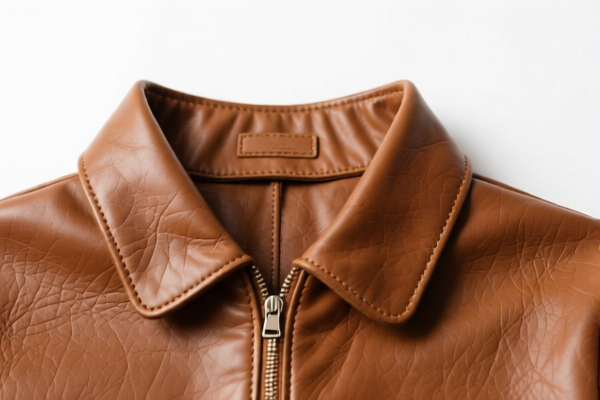
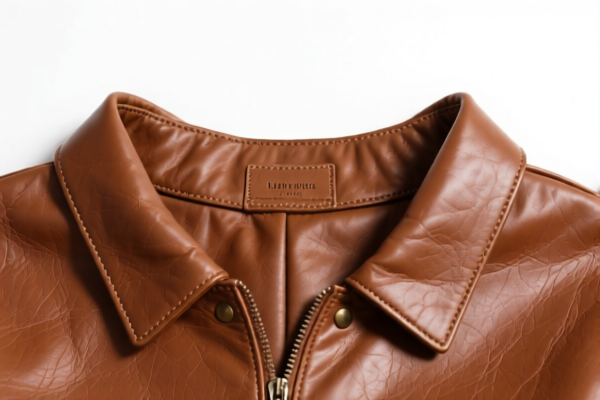
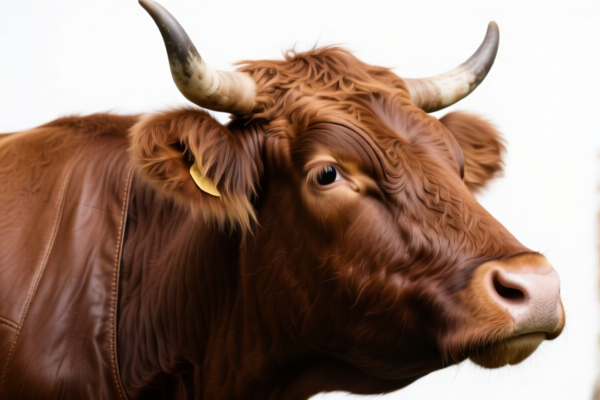
AI分析
🐄 Tanned Animal Leather (Surface/Top Grain & Split Leather)
🌐 HS Code Reference & Customs Clearance Guide | 2026 Latest Tariff Analysis | Professional Compliance Strategy
📌 I. Product Definition & Classification: Do You Really Understand "Tanned Leather"?
Tanned animal leather, commonly referred to in trade as "Tanned Animal Leather" or specifically by its physical form (e.g., Top Grain/Full Grain, Split, Suede), is the primary raw material for footwear, handbags, automotive interiors, and furniture. In international trade, it is strictly categorized by tanning method, finishing process, and physical form.
The Critical Distinction in HS Code 4107:
The Harmonized System (HS) subheading 4107 specifically covers leather with the full thickness (full grain) or split (split grain/suede) that has undergone tanning. It excludes:
1. Raw hides/skins (Chapter 4101/4102).
2. Curried or further prepared leather (e.g., heavily coated, painted, or laminated leather), which often fall under 4114 or 4115.
3. Leather articles (bags, shoes) (Chapters 42).
⚠️ Key Differentiation Point:
- If the leather is tanned and used in its natural grain form (top grain) or split form, without further industrial coating/lamination → HS 4107.
- If the leather is a powder or chemical extract used for tanning → HS 3201-3202.
📦 II. HS Code Classification Details (2026 Latest Tariff Alignment)
Based on the provided data, the products fall into two distinct categories: Finished Leather Goods (4107) and Tanning Chemicals (3202/3201).
| HS Code | Product Description (From Data) | Applicable Scenario | Tax Category |
|---|---|---|---|
4107.99.80.00 |
Tanned leather or suede leather, matching the form of tanned leather and suede leather | General tanned leather, suede, top grain, split leather | Leather / Tanned Hides |
4107.99.40.00 |
Tanned leather or suede leather, matching leather tanned or crust-processed and further processed | Crust leather, partially tanned leather ready for further finishing | Leather / Processed Hides |
3202.10.50.00 |
Leather tanning powder, matching powder form of synthetic organic tanning agents | Synthetic organic tanning chemicals (powder form) | Chemicals / Tanning Agents |
3202.90.10.00 |
Leather tanning powder, matching powder form of other tanning agents | Non-synthetic or other tanning chemical powders | Chemicals / Tanning Agents |
3201.10.00.00 |
Leather tanning powder, matching powder form of vegetable tanning extracts from plant sources | Vegetable tanning extracts (powder form) | Chemicals / Vegetable Tannins |
🔍 Important Note:
- HS 4107 refers to the leather material itself.
- HS 3201/3202 refers to the chemicals used to tan the leather.
- Misclassifying tanning chemicals as leather (or vice versa) is a common customs violation. Ensure your declaration matches the physical form of the goods!
💰 III. 2026 Latest Tariff Rate Breakdown (Including Additional Taxes & Policy Surcharges)
✅ Applicable Country: United States (US)
✅ Origin: China (CN)
✅ Effective Time: Current tariffs apply (including Section 301 and Section 232/IEEPA implications where applicable)
🎯 1. 4107.99.80.00 — Tanned Leather / Suede (Full Grain/Split)
| Item | Detail |
|---|---|
| Base Tariff | 2.4% |
| Section 301 Additional Tariff | 0.0% (Note: Data indicates 0.0% for this specific code, likely due to exemption or specific exclusion in 122 clause context provided) |
| Section 122 Clause Tariff | +10.0% |
| Total Tariff Rate | 12.4% |
| Tax Calculation | CIF Value × 12.4% |
| De Minimis Exemption? | ❌ No (Leather goods are subject to full scrutiny) |
| Legal Basis Path | HTSUS:4107.99.80.00 → Section 122:10% |
📌 Explanation:
- The base duty for tanned leather is relatively low (2.4%).
- The 10% Section 122 tariff is the significant cost driver here.
- Unlike electronics or steel, leather does not always face the full 25% Section 301 tariff if specific exclusions apply, but the 10% surcharge remains a critical cost factor.
🎯 2. 4107.99.40.00 — Tanned Leather (Further Processed/Crust)
| Item | Detail |
|---|---|
| Base Tariff | 2.5% |
| Section 301 Additional Tariff | 0.0% |
| Section 122 Clause Tariff | +10.0% |
| Total Tariff Rate | 12.5% |
| Tax Calculation | CIF Value × 12.5% |
| De Minimis Exemption? | ❌ No |
| Legal Basis Path | HTSUS:4107.99.40.00 → Section 122:10% |
📌 Note:
- Slightly higher base duty (2.5%) due to "further processed" status.
- Still subject to the 10% Section 122 surcharge.
- Ensure the leather is indeed "further processed" (e.g., crust leather) to justify this code over4107.99.80.
🎯 3. 3202.10.50.00 — Synthetic Organic Tanning Agents (Powder)
| Item | Detail |
|---|---|
| Base Tariff | 6.5% |
| Section 301 Additional Tariff | +25.0% |
| Section 122 Clause Tariff | +10.0% |
| Total Tariff Rate | 41.5% |
| Tax Calculation | CIF Value × 41.5% |
| De Minimis Exemption? | ❌ No |
| Legal Basis Path | HTSUS:3202.10.50.00 → Section 301:25% + Section 122:10% |
📌 Warning:
- Extremely High Tariff (41.5%)!
- Synthetic tanning agents are classified as industrial chemicals and face the full 25% Section 301 tariff PLUS the 10% Section 122 surcharge.
- This makes importing synthetic tanning chemicals from China to the US highly cost-prohibitive without strategic sourcing (e.g., from Vietnam or Mexico).
🎯 4. 3202.90.10.00 — Other Tanning Agents (Powder)
| Item | Detail |
|---|---|
| Base Tariff | 0.0% |
| Section 301 Additional Tariff | +25.0% |
| Section 122 Clause Tariff | +10.0% |
| Total Tariff Rate | 35.0% |
| Tax Calculation | CIF Value × 35.0% |
| De Minimis Exemption? | ❌ No |
| Legal Basis Path | HTSUS:3202.90.10.00 → Section 301:25% + Section 122:10% |
📌 Note:
- Base duty is 0%, but the 25% Section 301 tariff still applies.
- Total 35% is still a significant barrier to entry.
🎯 5. 3201.10.00.00 — Vegetable Tanning Extracts (Powder)
| Item | Detail |
|---|---|
| Base Tariff | 0.0% |
| Section 301 Additional Tariff | +25.0% |
| Section 122 Clause Tariff | +10.0% |
| Total Tariff Rate | 35.0% |
| Tax Calculation | CIF Value × 35.0% |
| De Minimis Exemption? | ❌ No |
| Legal Basis Path | HTSUS:3201.10.00.00 → Section 301:25% + Section 122:10% |
📌 Note:
- Vegetable tannins are also subject to the full 25% Section 301 tariff.
- Total 35% tariff rate.
🛠️ IV. Customs Clearance Practical Advice (Real-World Pitfall Guide)
✅ 1. Required Documentation Checklist (Non-Negotiable)
| Document | Must Provide | Explanation |
|---|---|---|
| ✅ Product Specification Sheet | ✔️ | Details tanning method (vegetable, chrome, synthetic), physical form (sheet, powder, hide), and thickness. |
| ✅ Material Safety Data Sheet (MSDS) | ✔️ | Crucial for HS 3201/3202. Required for chemical imports. |
| ✅ Commercial Invoice | ✔️ | Must clearly state "Tanned Leather" or "Tanning Chemicals" and HS Code. Avoid vague terms like "Leather Parts." |
| ✅ Packing List | ✔️ | Specify weight, volume, and packaging type (e.g., "Plastic-wrapped hides" vs. "25kg bags of powder"). |
| ✅ Certificate of Origin (CO) | ✔️ | If claiming any potential exemptions or verifying country of origin. |
| ✅ Tanning Process Description | ✔️ | For HS 4107, explain if it's "full grain," "split," or "suede" to support the 4-digit subheading. |
✅ 2. Declaration Tips (Key Mnemonics)
🔥 "Chemicals vs. Leather: Form is King!"
| Scenario | Correct Declaration | Wrong Practice |
|---|---|---|
| Tanned Hides/Skins | 4107.99.80.00 or 4107.99.40.00 |
Misdeclaring as "Chemicals" → Lowers tariff but risks fraud investigation |
| Tanning Chemicals (Powder) | 3202.10.50.00 or 3201.10.00.00 |
Misdeclaring as "Leather" → Misses 35-41% tariff liability |
| Leather Scrap/Offcuts | Check if it fits 4115 or 4114 |
Misdeclaring as 4107 → Incorrect classification |
| Liquid Tanning Agents | Check 3204 or 3205 |
Forcing into 3202 (Powder only) → Rejection |
📌 Critical Reminder:
- HS 3201/3202 codes specified in the data are for powder forms. If your tanning agents are liquid, these codes do not apply. You must use other subheadings under Chapter 32, which may have different tax implications. - HS 4107 requires the leather to be tanned. Raw hides (untanned) go to Chapter 4101/4102.
✅ 3. Special Circumstances Handling
| Situation | Handling Advice |
|---|---|
| Mixed Container | If shipping both leather (4107) and chemicals (3202), declare separately. Do not combine under one HS code. |
| OEM Leather | Provide buyer’s label and design specs. Ensure the leather meets the "tanned" definition. |
| Chemical Imports | MSDS is mandatory. Customs may require additional safety certifications for hazardous chemicals. |
| High Tariff Mitigation | For 3202/3201 items (41.5%/35% tariff), consider supply chain diversification (e.g., source tanning agents from countries not subject to Section 301 tariffs, such as Vietnam or India, if available). |
🌍 V. Global Market Comparison (2026 Latest)
| Country/Region | Recommended HS Code | Tariff (China Origin) | Certification Requirements | Notes |
|---|---|---|---|---|
| 🇺🇸 USA | 4107.99.80.00 / 3202.10.50.00 |
12.4% (Leather) 41.5% (Chemicals) |
FDA (for chemicals), MSDS | Leather benefits from low base; Chemicals face high Section 301 + 122 tariffs. |
| 🇨🇳 China | 4107.99.80.00 / 3202.10.50.00 |
Varies (Import Duty) | CCC (if applicable), Standard Compliance | China is a major exporter of both leather and chemicals. |
| 🇪🇺 EU | 4107.99.80.00 / 3202.10.50.00 |
0-4.7% (Leather) 6.5% (Chemicals) |
REACH (Chemicals), Ecolabel | EU has lower base duties for leather but strict REACH regulations for chemicals. |
| 🇬🇧 UK | 4107.99.80.00 / 3202.10.50.00 |
Similar to EU | UKCA Mark (Chemicals) | Post-Brexit tariffs may differ slightly from EU. |
📌 Conclusion:
- USA: High barrier for tanning chemicals (41.5%). Leather is more favorable (12.4%) but still subject to surcharges.
- EU/UK: More favorable for leather (low base duty), but chemicals face strict environmental regulations (REACH).
📌 VI. Common Errors & Pitfall Guide (Lessons Learned)
❌ Error 1: Declaring liquid tanning agents under 3202 (Powder) codes
👉 Consequence: Customs rejection, delay, and potential fines. Liquid chemicals fall under different subheadings.
❌ Error 2: Misclassifying finished leather goods (e.g., jackets, bags) as tanned leather (4107)
👉 Consequence: Wrong HS Code. Articles of leather go to Chapter 42. Leverage lower tariff on raw leather is a violation.
❌ Error 3: Ignoring the 10% Section 122 tariff for HS 4107
👉 Consequence: Underpayment of duties. Even if Section 301 is 0%, the 122 clause applies.
❌ Error 4: Failing to provide MSDS for HS 3201/3202 imports
👉 Consequence: Seizure or hold by CBP for safety compliance.
✅ Correct Practice:
- For Leather: "Tanned Cattle Leather, Top Grain, Full Thickness, Suede Finish"
- For Chemicals: "Synthetic Organic Tanning Agent, Powder Form, MSDS Attached, HS 3202.10.50"
🎯 VII. Conclusion: Professional Declaration, Risk Mitigation, Cost Control!
🎯 Remember the Rules:
🔹 "Leather (4107): Low Base, 10% Surcharge."
🔹 "Chemicals (3202/3201): High Base + 25% + 10% = 35-41.5%!"
🔹 "Form Matters: Powder vs. Liquid, Tanned vs. Raw."
📌 Tips:
- If you are importing tanning chemicals, explore supply chain alternatives to mitigate the 35-41.5% tariff burden.
- For leather, ensure precise description of the tanning method and physical form to justify
4107.- Apply for Advance Rulings if unsure about the classification of mixed shipments.
📣 Take Action Now:
📞 Contact a licensed customs broker + Provide Product Specs/MSDS + Verify HS Codes
🚀 Ensure smooth clearance, avoid penalties, and optimize your supply chain costs!
✨ Professional Customs Compliance Starts with Accurate Classification!
💼 Every percent of tariff matters. Know your HS Code!
用户评价
关于 HS 编码归类
协调制度(HS)是由世界海关组织(WCO)制定的国际贸易商品分类标准。全球 200 多个国家采用 HS 系统作为海关关税、贸易统计和进出口监管的基础。
每个 HS 编码遵循以下层级结构:
- 章(2 位)——商品大类(例如:第 84 章:机器和机械设备)
- 品目(4 位)——章内的更具体分类
- 子目(6 位)——国际通用细分,所有 WCO 成员国统一使用
- 本国细分(8-10 位)——各国自行扩展的细分编码,如美国 HTSUS 10 位编码
正确的 HS 编码归类对于顺利通关、准确缴纳关税和遵守贸易法规至关重要。错误归类可能导致海关延误、多缴关税或罚款。
从CN进口到US时,适用的关税税率可能包括:
- 最惠国(MFN)税率——适用于 WTO 成员国的标准关税税率
- 普通税率——适用于无贸易协定国家
- 贸易救济关税——附加关税,如 301 条款(反倾销)、232 条款(国家安全)或反补贴税
本页内容仅供参考。如需正式归类,请咨询当地海关或持牌报关代理。