Technical textile fabrics for industrial use
CN → US| HS编码 | 关税税率 | 原产国 | 目的国 | 文档 |
|---|---|---|---|---|
| 5906913000 | 37.7% | CN | US | 官方文档 |
| 5906993000 | 38.3% | CN | US | 官方文档 |
| 5907001500 | 43.0% | CN | US | 官方文档 |
| 5907006000 | 35.0% | CN | US | 官方文档 |
| 5911101000 | 37.9% | CN | US | 官方文档 |
商品图片
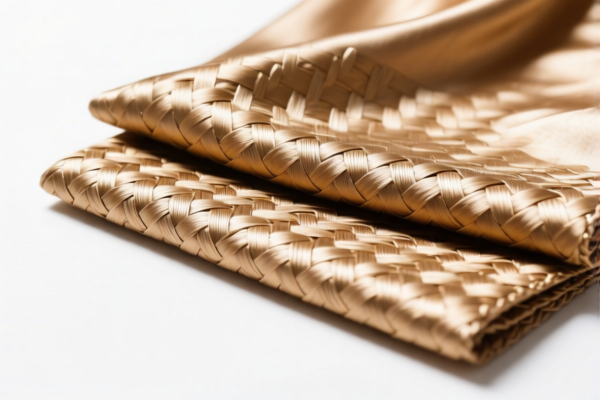
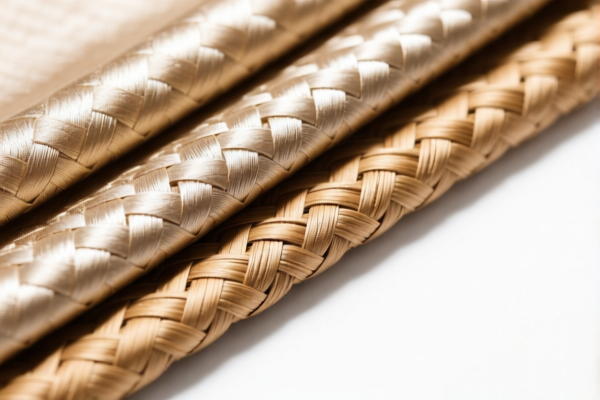
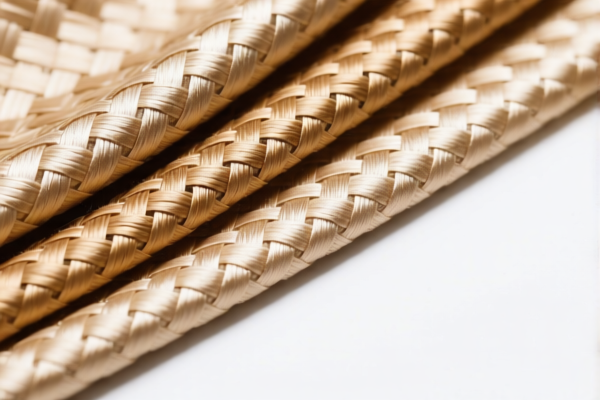
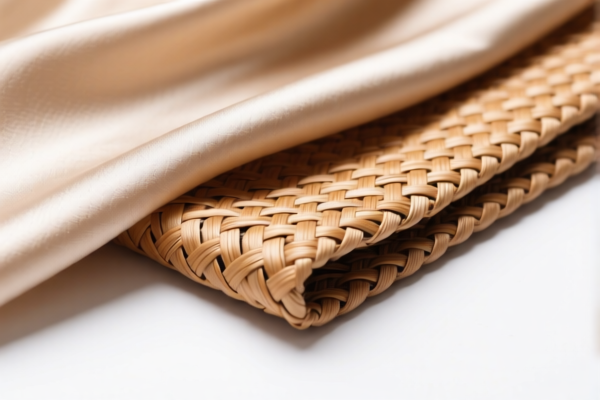
AI分析
🏭 Industrial Textile Fabrics (Technical Textiles)
🌐 HS Code Reference & Clearance Guide | 2026 Latest Tariff Analysis | Professional-Level Customs Strategy
📌 I. Product Definition & Classification: Do You Really Understand "Industrial Fabric"?
Industrial Technical Textiles are high-performance fabrics engineered for specific functional purposes in manufacturing, construction, automotive, and medical fields. Unlike standard apparel textiles, they are often treated with coatings, laminations, or impregnations to enhance durability, resistance, or filtration capabilities.
In international trade, classification depends heavily on the material composition (synthetic vs. natural) and the processing method (coated, impregnated, or covered).
⚠️ Key Distinction Point:
- If the fabric is coated/laminated with rubber or plastics to enhance durability → Likely falls under Chapter 59 (Impregnated, Coated, Covered or Laminated Textile Fabrics); - If the fabric is impregnated with substances (like resins or chemicals) without significant rubber/plastic layers → Likely falls under 5907.00 (Textile Fabrics, Other); - If it is a general-purpose industrial filter or felt → Falls under 5911.10.
📦 II. HS Code Classification Details (2026 Latest Tariff Authority Comparison)
| HS Code | Product Description | Application Scenario | Taxation Logic |
|---|---|---|---|
5906.91.30.00 |
Industrial Fabrics – Textile materials, usually coated/laminated for durability, fitting the "Other" category material attributes. | Rubber-coated conveyor belts, heavy-duty tarpaulins, reinforced covers. | Total Tax: 37.7% Basic: 2.7% + 25% (Sec 301) + 10% (122 Clause) |
5906.99.30.00 |
Textile Fabrics – "Industrial" implies reinforcement, reasonably inferred to include rubberization or coating treatments. | Heavy industrial coverings, generic coated fabrics not specified elsewhere. | Total Tax: 38.3% Basic: 3.3% + 25% (Sec 301) + 10% (122 Clause) |
5907.00.15.00 |
Impregnated/Cooked Fabrics – Matches fabric morphology; common sense suggests impregnation/coating with synthetic or artificial fibers. | Chemical-treated fabrics, resin-impregnated mesh, specialized filtration media. | Total Tax: 43.0% Basic: 8.0% + 25% (Sec 301) + 10% (122 Clause) |
5907.00.60.00 |
Textile Fabrics – "Industrial fabric" fits textile morphology; inferred material likely "artificial fiber," fitting the "Other" catch-all logic. | Lightweight coated synthetic fabrics, generic technical textiles using artificial fibers. | Total Tax: 35.0% Basic: 0.0% + 25% (Sec 301) + 10% (122 Clause) |
5911.10.10.00 |
Technical Textiles – Broad textile category, consistent with "Textile Products for Technical Uses" in purpose description. | Industrial felts, filters, sorting cloths, specialized non-woven technical products. | Total Tax: 37.9% Basic: 2.9% + 25% (Sec 301) + 10% (122 Clause) |
🔍 Key Reminder:
- The term "Industrial" is critical. It often triggers assumptions of rubber/plastic coating (Chapter 59) rather than just woven structure; - Coating vs. Impregnation: If the fabric is stiffened by chemicals/resins, use 5907. If it has a visible rubber/plastic layer, use 5906. - Avoid Misclassification: Do not classify standard cotton/polyester fabrics as "industrial" if they lack specific technical treatments.
💰 III. 2026 Latest Tariff Rate Breakdown (Including Surcharges & Policy Add-ons)
✅ Applicable Country: United States (US)
✅ Country of Origin: China (CN)
✅ Effective Time: From November 10, 2025 (including subsequent imports)
🎯 1. 5906.91.30.00 — Industrial Fabrics (Rubberized/Coated, Other)
| Item | Details |
|---|---|
| Basic Tariff | 2.7% (Ad Valorem) |
| USITC Surcharge | +25% (Under USITC Footnote 9903.88.01 / Section 301) |
| 122 Clause Surcharge | +10% (Targeting specific Chinese imports under Section 122 provisions) |
| Total Tax Rate | 37.7% |
| Tax Calculation | CIF Value × 37.7% |
| De Minimis Exemption | ❌ Not Applicable (deny_de_minimis) |
| Legal Basis Path | 122 Clause:10% → Section 301:25% → USITC:5906.91.30.00 → Base:2.7% |
📌 Explanation:
- "25% Surcharge" comes from Section 301 tariffs on Chinese goods; - "10% Surcharge" is a specific policy add-on (122 Clause) for certain industrial textiles; - Total 37.7% is high for general textiles. Ensure the product truly fits the "rubberized/coated" definition to avoid penalties.
🎯 2. 5906.99.30.00 — Other Textile Fabrics, Rubberized/Coated
| Item | Details |
|---|---|
| Basic Tariff | 3.3% |
| USITC Surcharge | +25% |
| 122 Clause Surcharge | +10% |
| Total Tax Rate | 38.3% |
| Tax Calculation | CIF × 38.3% |
| De Minimis Exemption | ❌ Not Applicable |
| Legal Basis Path | 122 Clause:10% → Section 301:25% → USITC:5906.99.30.00 → Base:3.3% |
📌 Note:
- Higher than 5906.91.30.00 due to a higher base rate (3.3% vs 2.7%); - Used for "other" rubberized fabrics not specifically listed in 5906.91.
🎯 3. 5907.00.15.00 — Impregnated/Cooked Synthetic/Artificial Fibers
| Item | Details |
|---|---|
| Basic Tariff | 8.0% |
| USITC Surcharge | +25% |
| 122 Clause Surcharge | +10% |
| Total Tax Rate | 43.0% |
| Tax Calculation | CIF × 43.0% |
| De Minimis Exemption | ❌ Not Applicable |
| Legal Basis Path | 122 Clause:10% → Section 301:25% → USITC:5907.00.15.00 → Base:8.0% |
📌 Warning:
- This is the highest tax rate (43%) in the list; - Triggered by the 8.0% base tariff for specific impregnated synthetic fabrics; - Ensure the "impregnation" is clearly documented (e.g., resin, chemical treatment) to justify this code, but be aware of the cost.
🎯 4. 5907.00.60.00 — Impregnated/Cooked "Other" Textile Fabrics
| Item | Details |
|---|---|
| Basic Tariff | 0.0% |
| USITC Surcharge | +25% |
| 122 Clause Surcharge | +10% |
| Total Tax Rate | 35.0% |
| Tax Calculation | CIF × 35.0% |
| De Minimis Exemption | ❌ Not Applicable |
| Legal Basis Path | 122 Clause:10% → Section 301:25% → USITC:5907.00.60.00 → Base:0.0% |
📌 Optimization Tip:
- This is the lowest total tax rate (35%) among the options; - Applies to "other" impregnated fabrics, often using artificial fibers; - If your product can be classified here (e.g., lightweight coated synthetic fabric), it saves 2.7%~8.0% compared to others.
🎯 5. 5911.10.10.00 — Technical Textiles (Felts/Filters)
| Item | Details |
|---|---|
| Basic Tariff | 2.9% |
| USITC Surcharge | +25% |
| 122 Clause Surcharge | +10% |
| Total Tax Rate | 37.9% |
| Tax Calculation | CIF × 37.9% |
| De Minimis Exemption | ❌ Not Applicable |
| Legal Basis Path | 122 Clause:10% → Section 301:25% → USITC:5911.10.10.00 → Base:2.9% |
📌 Specific Use:
- Reserved for felts, filters, and sorting cloths; - If your "industrial fabric" is a non-woven felt or filtration medium, use this code; - Do not use for woven coated fabrics.
🛠️ IV. Customs Clearance Practical Advice (Pitfall Avoidance Guide)
✅ 1. Required Documentation List (All Mandatory)
| Document | Mandatory | Description |
|---|---|---|
| ✅ Product Specification Sheet | ✔️ | Must detail: Material composition, coating type (rubber/plastic/chemical), thickness, weight. |
| ✅ Technical Data Sheet (TDS) | ✔️ | Proves "technical" nature (e.g., fire resistance, chemical inertness). |
| ✅ Product Photos (Clear Labels) | ✔️ | Show cross-section if possible (to prove coating/layering). |
| ✅ Commercial Invoice | ✔️ | Description must match HS code (e.g., "Rubber-Coated Polyester Fabric"). |
| ✅ Packing List | ✔️ | Detail rolls, weight, dimensions. |
| ✅ Declaration of Origin | ✔️ | Crucial for verifying Section 301 and 122 Clause applicability. |
✅ 2. Declaration Tips (Key Mantra)
🔥 "Coating Shows, Material Defines, Purpose Confirms, Tax Minimizes!"
| Scenario | Correct Declaration | Wrong Practice |
|---|---|---|
| Rubber-coated conveyor belt | 5906.91.30.00 (Industrial/Rubberized) |
Misdeclare as generic fabric → Higher tax risk |
| Chemical-impregnated mesh | 5907.00.60.00 (If eligible for 0% base) |
Use 5907.00.15.00 (8% base) → +8% tax! |
| Industrial felt/filter | 5911.10.10.00 |
Misdeclare as woven fabric → Clearance delay |
| General polyester fabric | Not "Industrial" | Force "Industrial" label → Audit risk |
📌 Critical Point:
- If you claim "Impregnated" (5907), you must prove the fabric has been treated with substances. If it’s just woven, it might not qualify for Chapter 59. - "Coated" (5906) requires a visible layer. Use cross-section photos if requested by customs.
✅ 3. Special Cases Handling
| Scenario | Handling Advice |
|---|---|
| Custom OEM Coated Fabric | Provide client specs + coating formula details. Avoid vague terms like "special fabric." |
| Multi-Layer Fabric | Classify based on the primary function. If rubber layer dominates → 5906. If fabric structure dominates → 5907. |
| Sample vs. Bulk | Samples for testing still attract full duties. Declare accurately even for samples. |
| Mixed Shipments | Do not mix "Industrial" and "Apparel" fabrics in one HS code declaration. Separate lines required. |
🌍 V. Global Market Comparison (2026 Latest)
| Country/Region | Recommended HS Code | Tariff (China Origin) | Certification | Remarks |
|---|---|---|---|---|
| 🇺🇸 USA | 5906.91.30.00 / 5907.00.60.00 |
35.0% ~ 43.0% | None specific | High tariffs due to Section 301 + 122 Clause |
| 🇨🇳 China | 5906.91.30.00 |
5% ~ 8% | None | Lower base rates, no surcharges |
| 🇪🇺 EU | 5906.91.30.00 |
4.7% ~ 6.5% | REACH | No Section 301 equivalent, but CE/REACH compliance needed |
| 🇦🇺 Australia | 5906.91.30.00 |
5% | None | Lower tariffs, straightforward clearance |
| 🇯🇵 Japan | 5906.91.30.00 |
3.5% ~ 5.0% | JIS | Moderate tariffs, strict quality standards |
📌 Conclusion:
- USA is the most expensive market for industrial textiles due to 43% max rate; - Diversify supply chain: Consider sourcing from Vietnam, Mexico, or Thailand to avoid US surcharges (if rules of origin are met); - Optimize HS Code:5907.00.60.00offers the lowest US duty (35%) if your product qualifies as "other impregnated fabric."
📌 VI. Common Errors & Pitfall Guide (Lessons Learned)
❌ Error 1: Declaring "Industrial Fabric" without specifying coating type
👉 Consequence: Customs will classify under highest bracket (5907.00.15.00 → 43%) due to uncertainty.
❌ Error 2: Using "Textile" generic term for coated goods
👉 Consequence: Misclassification → Penalty + Back Taxes. Chapter 59 must be used for coated/laminated goods.
❌ Error 3: Ignoring the "122 Clause" surcharge
👉 Consequence: Unexpected 10% tax burden at clearance. Always check Section 122 applicability.
❌ Error 4: Mixing "Woven" and "Non-Woven" in one declaration
👉 Consequence: Rejection. Felts/Non-wovens (5911) are distinct from Woven Fabrics (5906/5907).
✅ Correct Practice:
"Rubber-Coated Polyester Woven Fabric, Industrial Grade, 2mm Thickness, for Conveyor Belts, Model XYZ, Compliant with US Standards"
🎯 VII. Conclusion: Professional Declaration, Cost Savings, Risk Mitigation
🎯 Remember the Mantra:
🔹 "Coated? Use 5906. Impregnated? Check 5907. Felt? Use 5911. Tax drops when description matches!"
🔹 "HS Code decides fate, 8% base difference means thousands saved, declare precisely, avoid customs delays!"
📌 Tips:
- If your fabric is coated with PVC/PU but not rubber, check if it fits 5907 for potentially lower base rates;
- Pre-apply for Advance Ruling (ISF/ACE) if importing large volumes;
- Consult a customs broker to verify if 5907.00.60.00 (35% total) applies to your specific coated fabric, as it offers the best rate.
📣 Immediate Action:
📞 Contact professional customs broker + Provide cross-section photos + Apply for HS Code Advance Ruling
🚀 Ensure your industrial fabrics clear smoothly, avoid high tariffs, and maximize profit margins!
✨ Professional clearance starts with accurate classification!
💼 Every percentage point of tax saved is pure profit!
用户评价
关于 HS 编码归类
协调制度(HS)是由世界海关组织(WCO)制定的国际贸易商品分类标准。全球 200 多个国家采用 HS 系统作为海关关税、贸易统计和进出口监管的基础。
每个 HS 编码遵循以下层级结构:
- 章(2 位)——商品大类(例如:第 84 章:机器和机械设备)
- 品目(4 位)——章内的更具体分类
- 子目(6 位)——国际通用细分,所有 WCO 成员国统一使用
- 本国细分(8-10 位)——各国自行扩展的细分编码,如美国 HTSUS 10 位编码
正确的 HS 编码归类对于顺利通关、准确缴纳关税和遵守贸易法规至关重要。错误归类可能导致海关延误、多缴关税或罚款。
从CN进口到US时,适用的关税税率可能包括:
- 最惠国(MFN)税率——适用于 WTO 成员国的标准关税税率
- 普通税率——适用于无贸易协定国家
- 贸易救济关税——附加关税,如 301 条款(反倾销)、232 条款(国家安全)或反补贴税
本页内容仅供参考。如需正式归类,请咨询当地海关或持牌报关代理。