Textile Clothing (HS 6113009082)
CN → US| HS编码 | 关税税率 | 原产国 | 目的国 | 文档 |
|---|---|---|---|---|
| 6113001010 | 21.3% | CN | US | 官方文档 |
| 6113001005 | 21.3% | CN | US | 官方文档 |
| 6210309010 | 23.7% | CN | US | 官方文档 |
| 6210500300 | 13.8% | CN | US | 官方文档 |
| 6113009082 | 24.6% | CN | US | 官方文档 |
商品图片



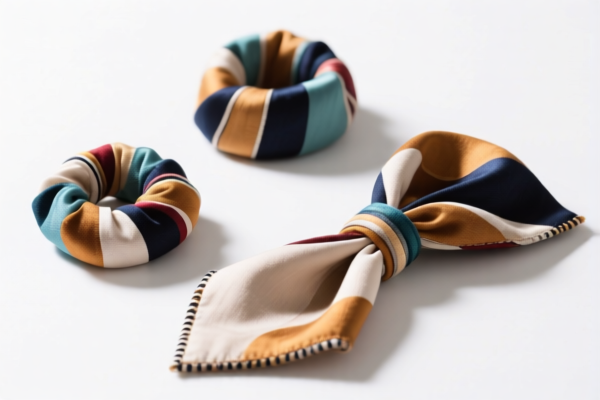
AI分析
🧵 Textile Clothing (HS 6113009082)
🌐 HS Code Reference & Customs Clearance Guide | 2026 Latest Tariff Analysis | Professional Entry Strategy 📌 I. Product Definition & Classification: Do You Really Understand "Textile Clothing"?
"Textile Clothing" is a broad term in international trade, primarily referring to garments made from impregnated, coated, covered, or laminated textile fabrics. It is not just simple woven cloth but materials treated for specific functionalities (waterproof, flame-retardant, etc.) or composed of specific composite structures.
In customs classification, the key distinction lies in the material composition, structure, and gender/age category of the garment:
- Knitted/Hooked Fabric Garments (Chapter 61):
- Made from knitted or crocheted materials.
- Key Codes:
6113.00series. - Examples: Raincoats, ski suits, specialized workwear made from elastic or laminated knitted fabric.
- Non-Knitted/Woven Garments (Chapter 62):
- Made from woven, felt, or non-woven fabrics.
- Key Codes:
6210.30,6210.50series. - Examples: Outerwear, jackets, and trousers made from impregnated or coated woven textiles (e.g., GORE-TEX, nylon rainwear).
⚠️ Critical Distinction Point: * If the fabric is knitted/hooked and impregnated/coated →归入 6113.00 Series. * If the fabric is woven and impregnated/coated →归入 6210.30 or 6210.50 Series. * Specific Subcodes Matter: The last 8 digits determine the exact material (linen, synthetic fiber) and gender (men's/boys' vs. women's/girls'). Misclassification here leads to significant tariff discrepancies.
📦 II. HS Code Classification Details (2026 Latest Tariff Authority Comparison)
Based on the provided data for "Textile Products/Clothing," here is the precise mapping of HS Codes, summaries, and tax implications.
| HS Code | Product Description & Summary | Material/Structure Attribute | Total Tax Rate | Tax Breakdown |
|---|---|---|---|---|
| 6113.00.10.10 | Knitted Fabric Garments: Textile products classified as knitted or crocheted fabrics. | Knitted/Hooked Fabric | 21.3% | Base: 3.8% + Section 301: 7.5% + Section 122: 10% |
| 6113.00.10.05 | Men's/Boys' Outerwear: References target code 6113001005, specifically men's or boys' coats and jackets. | Knitted Men's/Boys' Jackets | 21.3% | Base: 3.8% + Section 301: 7.5% + Section 122: 10% |
| 6210.30.90.10 | Linen/Woven Garments: Belongs to fabric products; matches linen material attributes of HS 6210.30.90.10. | Woven/Linen-based | 23.7% | Base: 6.2% + Section 301: 7.5% + Section 122: 10% |
| 6210.50.03.00 | Synthetic/Man-made Fiber Garments: Points to HS Code 6210500300, corresponding to man-made fiber fabrics and apparel forms. | Woven/Man-made Fibers | 13.8% | Base: 3.8% + Section 301: 0.0% + Section 122: 10% |
| 6113.00.90.82 | Textile Clothing: Direct match with HS Code 6113009082. General textile clothing under knitted chapter. | Knitted/Other | 24.6% | Base: 7.1% + Section 301: 7.5% + Section 122: 10% |
🔍 Key Insight: * Section 122 (10%) is a constant component for all these textile products under current US regulations, reflecting additional duties on specific textile categories. * Section 301 (7.5% vs 0.0%): Note that
6210.50.03.00has 0% Section 301 tariff, while others have 7.5%. This makes it significantly cheaper if the product fits this specific subcode (Man-made fibers, woven). * Base Tariff Variance: Ranges from 3.8% to 7.1%, heavily dependent on whether the item is knitted (6113) or woven (6210) and the specific fiber content (e.g., linen vs. synthetic).
💰 III. 2026 Latest Tariff Rate Breakdown (Including Surcharges & Policy Add-ons)
✅ Applicable Country: United States (US) ✅ Origin: China (CN) (Inferred from "Section 122" and "Section 301" context) ✅ Effective Time: Current Regulations (2025-2026)
🎯 1. Knitted Garments (6113.00.10.10, 6113.00.10.05, 6113.00.90.82)
| Item | Detail |
|---|---|
| Base Tariff | 3.8% ~ 7.1% (Ad Valorem) |
| Section 301 Surcharge | +7.5% (Standard for most textiles under 6113) |
| Section 122 Surcharge | +10% (Specific to textile/clothing imports) |
| Total Effective Rate | 21.3% - 24.6% |
| Tax Calculation | CIF Value × Total Rate |
| De Minimis Exemption | ❌ Not Eligible (Textiles under Section 122/301 are generally excluded from $800 de minimis benefits if misclassified or if duties apply) |
| Legal Basis Path | HTSUS:6113.00.xx.xx → Section 301: Footnote 9903.88.01 → Section 122: USTR Notice |
📌 Explanation: * Section 301 (7.5%): Applied under US Trade Act Section 301 for Chinese-origin goods. * Section 122 (10%): A special tariff rate applied to certain textile and apparel articles, often triggered by specific trade actions or safeguard measures. * High Cost Alert: Knitted textile clothing from China faces a heavy burden (>20%). Strategic classification is critical.
🎯 2. Woven Garments - Linen/Other (6210.30.90.10)
| Item | Detail |
|---|---|
| Base Tariff | 6.2% |
| Section 301 Surcharge | +7.5% |
| Section 122 Surcharge | +10% |
| Total Effective Rate | 23.7% |
| Tax Calculation | CIF Value × 23.7% |
| De Minimis Exemption | ❌ Not Eligible |
| Legal Basis Path | HTSUS:6210.30.90.10 → Section 301 → Section 122 |
📌 Note: * Linen or specific woven fabrics incur a higher base rate (6.2%) compared to synthetic knits. * Total tax is 23.7%, making it one of the higher-taxed categories in this dataset.
🎯 3. Woven Garments - Man-made Fibers (6210.50.03.00)
| Item | Detail |
|---|---|
| Base Tariff | 3.8% |
| Section 301 Surcharge | +0.0% (Exempted/Reduced for this specific subcode) |
| Section 122 Surcharge | +10% |
| Total Effective Rate | 13.8% |
| Tax Calculation | CIF Value × 13.8% |
| De Minimis Exemption | ❌ Not Eligible (Due to Section 122) |
| Legal Basis Path | HTSUS:6210.50.03.00 → Section 122 |
📌 Strategic Advantage: * This is the lowest tariff option (13.8%) in the dataset. * Key Condition: The product must be clearly identified as Man-made fibers (e.g., polyester, nylon) in Woven form. * Savings: Compared to Knitted options (21.3%+), this saves ~7.5% in taxes. If your product is a synthetic rain jacket (woven), fighting for this code is highly recommended.
🛠️ IV. Customs Clearance Practical Advice (Battle-Tested Pitfall Avoidance)
✅ 1. Required Documentation Checklist (Non-Negotiable)
| Document | Required? | Description |
|---|---|---|
| ✅ Product Specification Sheet | ✔️ | Must detail fabric composition (e.g., "100% Polyester"), weight (GSM), and treatment (e.g., "Laminated"). |
| ✅ Fabric Swatches/Samples | ✔️ | Critical for distinguishing Knitted (6113) vs. Woven (6210). Customs may request physical samples. |
| ✅ Commercial Invoice | ✔️ | Must explicitly state: "Textile Clothing, Impregnated/Laminated, [Material Type], Men's/Women's". |
| ✅ Packing List | ✔️ | Detail quantity, weight, and packaging type. |
| ✅ Certificate of Origin | ✔️ | Proof of Chinese origin (triggers Section 301/122). |
| ✅ Third-Party Test Report | ✔️ | Proof of "Impregnated/Coated" status if claiming 6210 vs. standard apparel (6101/6102). |
✅ 2. Declaration Techniques (Key Mantra)
🔥 "Fabric Structure First, Gender Second, Treatment Specific!"
| Scenario | Correct Declaration Approach | Wrong Approach |
|---|---|---|
| Knitted Raincoat | 6113.00.10.10 |
Declaring as general knitwear (6109) → Risk of audit |
| Woven Nylon Jacket | 6210.50.03.00 (if synthetic/woven) |
Declaring as 6113 → Higher tax (24.6% vs 13.8%) |
| Linen Coat | 6210.30.90.10 |
Generic "Textile Clothing" → Delays |
| Mixed Material Garment | Analyze principal fabric | Vague description → Classification dispute |
💡 Pro Tip: If the garment is woven and made of synthetic fibers (polyester/nylon), aggressively pursue
6210.50.03.00. The 0% Section 301 surcharge makes it significantly cheaper than knitted alternatives.
✅ 3. Special Case Handling
| Situation | Handling Advice |
|---|---|
| OEM/Private Label | Provide design specs and fabric bills of materials (BOM). |
| Sample Shipments | Even samples of Textile Clothing are subject to Section 122 tariffs. Do not assume de minimis applies. |
| Disputed Classification | If Customs questions 6210.50.03.00, provide cross-section micrographs of the fabric to prove it is Woven, not Knitted. |
| Section 122 Applicability | Verify if the specific garment type is exempt from Section 122. Most textiles are not. |
🌍 V. Global Market Clearance Comparison (2026 Latest)
| Country/Region | Recommended HS Code | Tariff (China Origin) | Certification Req. | Notes |
|---|---|---|---|---|
| 🇺🇸 USA | 6210.50.03.00 (Best Rate) |
13.8% (Lowest in dataset) | No specific tech certs | Highest complexity due to Section 301/122 |
| 🇨🇳 China | 6210.50.03.00 |
~5-10% | RoHS (if electronic components) | Lower base rates, no Section 301 |
| 🇪🇺 EU | 6210.20 / 6210.40 |
0-4% | REACH, Oeko-Tex | Strict chemical regulations |
| 🇬🇧 UK | 6210.50 |
0-12% | UKCA | Post-Brexit changes apply |
📌 Conclusion: * USA is the most challenging market for Textile Clothing due to the combination of Base Tariffs + Section 301 + Section 122. * Strategy: For US exports, prioritize
6210.50.03.00if the product is a synthetic woven garment. This saves ~10% in total duties compared to knitted alternatives.
📌 VI. Common Errors & Pitfall Guide (Blood & Tears Lessons)
❌ Error 1: Confusing Knitted (6113) with Woven (6210)
👉 Consequence: If you declare a woven polyester jacket as knitted, you pay 24.6% instead of 13.8%. Overpayment of 10.8% is a direct profit loss.
❌ Error 2: Ignoring Section 122 👉 Consequence: Assuming only Section 301 applies. Section 122 adds a flat 10% on top. Failure to include this leads to underpayment, penalties, and interest.
❌ Error 3: Vague Description "Textile Clothes" 👉 Consequence: CBP (Customs and Border Protection) will assign the highest applicable duty rate or detain the shipment for further inspection. Always specify material and structure.
❌ Error 4: Misclassifying Men's vs. Women's
👉 Consequence: Some subcodes (like 6113.00.10.05) are gender-specific. Incorrect gender declaration leads to wrong HTSUS classification and potential fraud allegations.
✅ Correct Practice:
"Men's Synthetic Woven Rain Jacket, Impregnated Polyamide, Water-Resistant, Model XYZ, CN Origin"
🎯 VII. Conclusion: Precision Classification Saves Money!
🎯 Remember the Mantra:
🔹 "Woven + Synthetic = 13.8% (Winner)" 🔹 "Knitted = 21.3%~24.6% (Expensive)" 🔹 "Linen/Woven = 23.7% (High Base)" 🔹 "Section 122 is always +10%!"
📌 Tips:
* If you are exporting Synthetic Woven Textile Clothing to the US, fight for 6210.50.03.00. It is the only code in this dataset with a 0% Section 301 surcharge.
* Always verify the fabric construction (Knitted vs. Woven) with your supplier.
* Consult with a licensed customs broker to apply for a Binding Ruling if your product falls into a gray area between 6113 and 6210.
✨ Professional clearance starts with accurate classification! 💼 Every percentage point saved is pure profit!
用户评价
关于 HS 编码归类
协调制度(HS)是由世界海关组织(WCO)制定的国际贸易商品分类标准。全球 200 多个国家采用 HS 系统作为海关关税、贸易统计和进出口监管的基础。
每个 HS 编码遵循以下层级结构:
- 章(2 位)——商品大类(例如:第 84 章:机器和机械设备)
- 品目(4 位)——章内的更具体分类
- 子目(6 位)——国际通用细分,所有 WCO 成员国统一使用
- 本国细分(8-10 位)——各国自行扩展的细分编码,如美国 HTSUS 10 位编码
正确的 HS 编码归类对于顺利通关、准确缴纳关税和遵守贸易法规至关重要。错误归类可能导致海关延误、多缴关税或罚款。
从CN进口到US时,适用的关税税率可能包括:
- 最惠国(MFN)税率——适用于 WTO 成员国的标准关税税率
- 普通税率——适用于无贸易协定国家
- 贸易救济关税——附加关税,如 301 条款(反倾销)、232 条款(国家安全)或反补贴税
本页内容仅供参考。如需正式归类,请咨询当地海关或持牌报关代理。