Textile Composite Plastic Embossed Boards
CN → US| HS编码 | 关税税率 | 原产国 | 目的国 | 文档 |
|---|---|---|---|---|
| 6306120000 | 18.8% | CN | US | 官方文档 |
| 3926905900 | 37.4% | CN | US | 官方文档 |
| 3926909989 | 22.8% | CN | US | 官方文档 |
| 5911900080 | 38.8% | CN | US | 官方文档 |
| 3921902100 | 41.5% | CN | US | 官方文档 |
商品图片
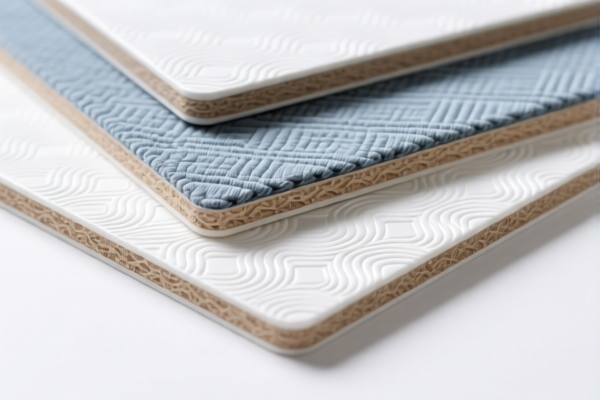
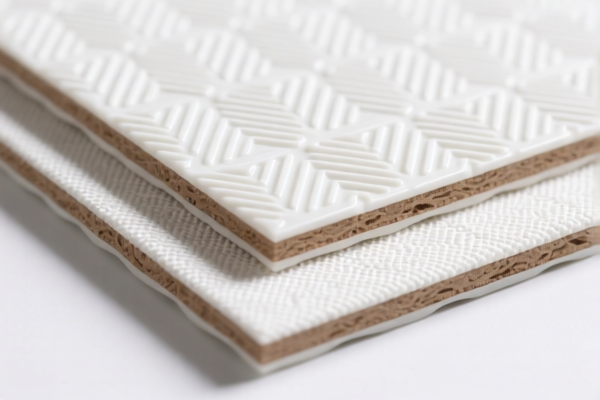
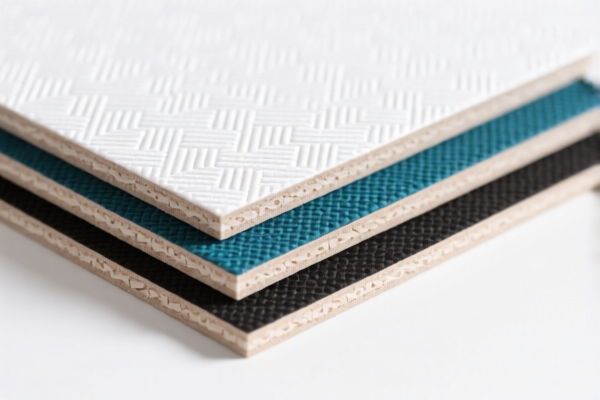
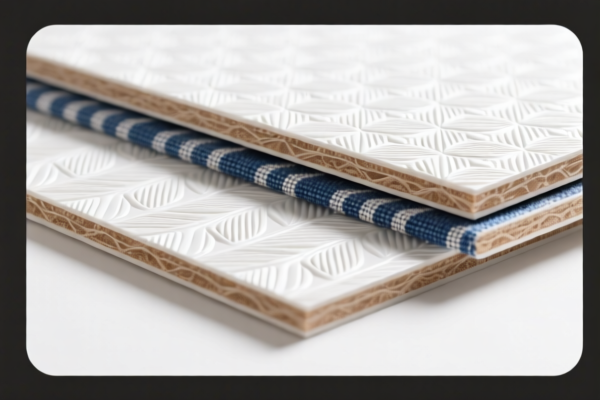
AI分析
🏭 Textile Composite Plastic Embossed Boards (纺织复合塑料压花板)
🌐 HS Code Reference & Clearance Guide | 2026 Latest Tariff Analysis | Professional Customs Strategy
📌 I. Product Definition & Classification: What Exactly Are These Boards?
Textile Composite Plastic Embossed Boards are hybrid construction materials combining textile fibers (such as cotton, polyester, etc.) and plastic polymers. The "embossed" feature typically refers to a surface texture or structural bonding method used to enhance strength, aesthetics, or friction resistance.
In international trade, these products fall into a complex gray area because they contain both textile materials (Chapter 50-63) and plastics (Chapter 39). The correct HS Code depends heavily on the dominant material, the manufacturing process, and the specific intended use.
⚠️ Key Classification Challenge:
- If the primary function is sun protection/awning-like usage, it may fall under Chapter 63 (Textile Articles).
- If the primary characteristic is a plastic sheet/board with textile reinforcement, it falls under Chapter 39 (Plastics).
- If used for industrial/technical purposes (e.g., filtration, insulation), it may fall under Chapter 59 (Textile Products of a Kind Used for Technical Uses).
📦 II. HS Code Classification Details (Based on Provided Data)
Below is the detailed breakdown of the 5 potential HS Codes identified in the data for "Textile Composite Plastic Embossed Boards" and "Cotton Textile Composite Boards".
| HS Code | Product Description (Summary) | Key Matching Criteria | Total Tax Rate (CN-US) |
|---|---|---|---|
| 6306.12.00.00 | Textile Composite Plastic Sunshade | Name contains "Sunshade" (遮阳板). Material inferred as "Made of Synthetic Fibers" due to textile/plastic composite. | 18.8% |
| 3926.90.59.00 | Plastic Composite with Textile Fibers | Contains "Plastic" and "Textile" fibers. Fits "Plastic Articles" containing textile fibers. | 37.4% |
| 3926.90.99.89 | Other Plastic Articles (Sunshade Type) | Material is "Plastic". Form is "Sunshade/Board". Fits "Other Plastic Articles" under 3926.90. | 22.8% |
| 5911.90.00.80 | Cotton Textile Composite Board | Material is "Cotton" (Textile). Form is "Composite Board" (Technical Textile Product). | 38.8% |
| 3921.90.21.00 | Cotton-Plastic Composite Board | Contains "Cotton". Form "Board" fits "Plates, Sheets, Films, Foils, and Strips". Combines plastic and textile. | 41.5% |
🔍 Critical Note:
- 6306.12.00.00 offers the lowest tax rate (18.8%), but requires proving the product is primarily a "Sunshade" made of synthetic fibers.
- 3921.90.21.00 has the highest tax rate (41.5%), applicable if the product is strictly defined as a "Cotton-Plastic Composite Board" under plastic plates/sheets.
- Misclassification Risk: Declaring a high-tax code when a lower one applies can lead to back-taxes; declaring a lower tax code incorrectly can lead to penalties.
💰 III. 2026 Tariff Rate Breakdown (Detailed Analysis)
✅ Applicable Country: United States (US)
✅ Origin: China (CN)
✅ Effective Date: 2025/2026 (Including subsequent imports)
🎯 1. 6306.12.00.00 —— Textile Composite Plastic Sunshade (Lowest Tax)
| Item | Content |
|---|---|
| Base Tariff | 8.8% |
| Section 301 Tariff | 0.0% (Specific exemption or lower bracket for this sub-heading) |
| Section 122 Tariff | +10% |
| Total Tax Rate | 18.8% |
| Calculation | CIF Value × 18.8% |
| De Minimis Exemption | ❌ Not Eligible (High-risk category for de minimis) |
| Legal Basis | HTSUS:6306.12.00.00 + Section 122 (10%) |
📌 Explanation:
- This code benefits from a 0% Section 301 tariff, which is rare for Chinese imports.
- However, it is subject to a 10% "Section 122" tariff (likely referring to specific administrative or emergency duties).
- Strategy: If your product can be legitimately classified as a "Sunshade" (even if used as a board), this is the most cost-effective option.
🎯 2. 3926.90.59.00 —— Plastic Articles with Textile Fibers (High Tax)
| Item | Content |
|---|---|
| Base Tariff | 2.4% |
| Section 301 Tariff | +25.0% |
| Section 122 Tariff | +10% |
| Total Tax Rate | 37.4% |
| Calculation | CIF Value × 37.4% |
| De Minimis Exemption | ❌ Not Eligible |
| Legal Basis | HTSUS:3926.90.59.00 + Section 301 (25%) + Section 122 (10%) |
📌 Explanation:
- While the base tariff is low (2.4%), the 25% Section 301 tariff is triggered because this is a plastic article from China.
- Combined with the 10% Section 122, the total hits 37.4%.
- Strategy: Avoid this code unless the product is definitively a "Plastic Article" and not a textile sunshade.
🎯 3. 3926.90.99.89 —— Other Plastic Articles (Medium Tax)
| Item | Content |
|---|---|
| Base Tariff | 5.3% |
| Section 301 Tariff | +7.5% |
| Section 122 Tariff | +10% |
| Total Tax Rate | 22.8% |
| Calculation | CIF Value × 22.8% |
| De Minimis Exemption | ❌ Not Eligible |
| Legal Basis | HTSUS:3926.90.99.89 + Section 301 (7.5%) + Section 122 (10%) |
📌 Explanation:
- This is a "catch-all" for plastic articles.
- The Section 301 tariff is only 7.5%, making it cheaper than3926.90.59.00.
- Strategy: Use if the product is clearly a "Plastic Board" but doesn't fit the "Textile Fiber" description of 3926.90.59.
🎯 4. 5911.90.00.80 —— Cotton Textile Composite Board (Very High Tax)
| Item | Content |
|---|---|
| Base Tariff | 3.8% |
| Section 301 Tariff | +25.0% |
| Section 122 Tariff | +10% |
| Total Tax Rate | 38.8% |
| Calculation | CIF Value × 38.8% |
| De Minimis Exemption | ❌ Not Eligible |
| Legal Basis | HTSUS:5911.90.00.80 + Section 301 (25%) + Section 122 (10%) |
📌 Explanation:
- This code is for technical textile products.
- The 25% Section 301 is the major driver.
- Strategy: Only use if the product is primarily a "Cotton" technical textile board and not a plastic composite.
🎯 5. 3921.90.21.00 —— Cotton-Plastic Composite Board (Highest Tax)
| Item | Content |
|---|---|
| Base Tariff | 6.5% |
| Section 301 Tariff | +25.0% |
| Section 122 Tariff | +10% |
| Total Tax Rate | 41.5% |
| Calculation | CIF Value × 41.5% |
| De Minimis Exemption | ❌ Not Eligible |
| Legal Basis | HTSUS:3921.90.21.00 + Section 301 (25%) + Section 122 (10%) |
📌 Explanation:
- This is the most expensive classification.
- It applies to plates/sheets of plastics combined with cotton.
- Strategy: Avoid unless absolutely necessary. The combination of 6.5% base + 25% 301 + 10% 122 creates a heavy burden.
🛠️ IV. Customs Clearance Practical Advice (Pitfall Avoidance Guide)
✅ 1. Documentation Checklist (Non-Negotiable)
| Document | Required? | Description |
|---|---|---|
| ✅ Product Specification Sheet | ✔️ | Must detail material composition (% Cotton, % Plastic, % Other). |
| ✅ Technical Data Sheet | ✔️ | Explain the "Embossing" process and intended use (e.g., Is it a sunshade? Is it a technical board?). |
| ✅ Product Photos | ✔️ | Clear images showing texture, layers, and any labels. |
| ✅ Commercial Invoice | ✔️ | Clearly state "Textile Composite Plastic Embossed Board" or "Sunshade Material". |
| ✅ Certificate of Origin | ✔️ | Required for China-origin verification and tariff application. |
| ✅ Bill of Lading | ✔️ | Ensure packaging details match the invoice. |
✅ 2. Declaration Strategy (Key Mnemonic)
🔥 "Define Use, Check Material, Pick HS Code, Save Taxes!"
| Scenario | Recommended HS Code | Why? |
|---|---|---|
| Product is used as an Awning/Sunshade | 6306.12.00.00 |
Lowest tax (18.8%). Justify as "Synthetic Fiber Sunshade". |
| Product is a Plastic Board with Cotton Reinforcement | 3921.90.21.00 |
High tax (41.5%). Only if cotton is integral and not just a surface. |
| Product is a Plastic Board with Textile Surface | 3926.90.59.00 |
High tax (37.4%). Common for plastic sheets with fabric lining. |
| Product is a "Other Plastic Article" | 3926.90.99.89 |
Medium tax (22.8%). Use if it doesn't fit specific textile/plastic definitions. |
✅ 3. Special Considerations
| Situation | Handling Advice |
|---|---|
| Hybrid Material (50% Cotton, 50% Plastic) | Argue for Chapter 59 (Technical Textile) or Chapter 63 (Sunshade) if functional. Avoid Chapter 39 if possible due to higher Section 301 exposure in some sub-headings. |
| Embossing Process | If embossing is purely decorative, it doesn't change the material classification. If it changes the function (e.g., creating a filter), it may move to 5911. |
| De Minimis (Section 321) | ❌ Not Recommended. All listed codes are high-risk for de minimis entry. Use formal entry (Formal Importer) to avoid seizure or audit. |
| Section 122 Tariff | All codes have a 10% Section 122 tariff. This is a fixed cost factor. Do not ignore it in cost calculations. |
🌍 V. Global Market Comparison (2026)
| Market | Recommended HS Code | Estimated Tax (China Origin) | Notes |
|---|---|---|---|
| 🇺🇸 USA | 6306.12.00.00 |
18.8% | Best option if product can be classified as Sunshade. |
| 🇨🇳 China | 6306.12.00.00 |
~8-10% | Lower base rates, no Section 122. |
| 🇪🇺 EU | 5911.90.00 |
~0-5% | Check EORI and REACH compliance. No Section 301. |
| 🇬🇧 UK | 6306.12.00 |
~0-5% | Post-Brexit rules apply. No US-style Section 301. |
📌 Conclusion:
- The US market is the most complex due to Section 301 and Section 122 tariffs.
- Classification Strategy is Critical: Moving from3926.90.59.00(37.4%) to6306.12.00.00(18.8%) saves 18.6% in tariffs.
- Recommendation: Prioritize6306.12.00.00if the product has any sunshade/awning characteristics. Otherwise, use3926.90.99.89as a middle ground.
📌 VI. Common Errors & Pitfalls (Lessons Learned)
❌ Error 1: Declaring as "Plastic Sheet" (3921.90) when it has significant textile content.
👉 Consequence: High tax (41.5%) + Risk of customs audit for misclassification.
❌ Error 2: Declaring as "Textile Sunshade" (6306.12) when it is actually a rigid construction board.
👉 Consequence: Customs may reject the classification, demanding higher tax or rejecting entry.
❌ Error 3: Ignoring the 10% Section 122 Tariff.
👉 Consequence: Unexpected cost increase. Always factor this into your landed cost.
❌ Error 4: Using De Minimis (Under $800) for these goods.
👉 Consequence: High risk of detention, seizure, or forced formal entry with penalties.
✅ Correct Approach:
"Textile Composite Plastic Board, Embossed Surface, For Industrial Use (or Sunshade Application), Model XYZ, 50% Cotton/50% PVC"
🎯 VII. Conclusion: Professional Classification Saves Money
🎯 Key Takeaway:
🔹 "Function Dictates Code" – If it shades, go Chapter 63. If it's a board, go Chapter 39.
🔹 "Section 122 is Universal" – Every code above includes a 10% surcharge.
🔹 "Avoid 41.5% if Possible" –3921.90.21.00is the most expensive.
🔹 "Pre-Declare with CBP" – File a Binding Tariff Information (BTI) or Advance Ruling to secure the 18.8% rate.
📌 Pro Tip:
If your product is not a sunshade, but you still want to avoid the highest tariffs, consult a customs broker to see if 3926.90.99.89 (22.8%) is a viable alternative to 3926.90.59.00 (37.4%).
📣 Immediate Action:
📞 Contact a Licensed Customs Broker + Provide Product Samples + Request HS Code Pre-Ruling
🚀 Ensure Smooth Clearance, Minimize Costs, and Maximize Profit!
✨ Professional Customs, Starting with Accurate Classification!
💼 Your Every Dollar is Worth Being Precisely Calculated!
用户评价
关于 HS 编码归类
协调制度(HS)是由世界海关组织(WCO)制定的国际贸易商品分类标准。全球 200 多个国家采用 HS 系统作为海关关税、贸易统计和进出口监管的基础。
每个 HS 编码遵循以下层级结构:
- 章(2 位)——商品大类(例如:第 84 章:机器和机械设备)
- 品目(4 位)——章内的更具体分类
- 子目(6 位)——国际通用细分,所有 WCO 成员国统一使用
- 本国细分(8-10 位)——各国自行扩展的细分编码,如美国 HTSUS 10 位编码
正确的 HS 编码归类对于顺利通关、准确缴纳关税和遵守贸易法规至关重要。错误归类可能导致海关延误、多缴关税或罚款。
从CN进口到US时,适用的关税税率可能包括:
- 最惠国(MFN)税率——适用于 WTO 成员国的标准关税税率
- 普通税率——适用于无贸易协定国家
- 贸易救济关税——附加关税,如 301 条款(反倾销)、232 条款(国家安全)或反补贴税
本页内容仅供参考。如需正式归类,请咨询当地海关或持牌报关代理。