Textile Handbag
CN → US| HS编码 | 关税税率 | 原产国 | 目的国 | 文档 |
|---|---|---|---|---|
| 4602192920 | 40.3% | CN | US | 官方文档 |
| 4602112100 | 41.2% | CN | US | 官方文档 |
| 4202224020 | 42.4% | CN | US | 官方文档 |
| 4202228980 | 52.6% | CN | US | 官方文档 |
| 4202329300 | 52.6% | CN | US | 官方文档 |
商品图片
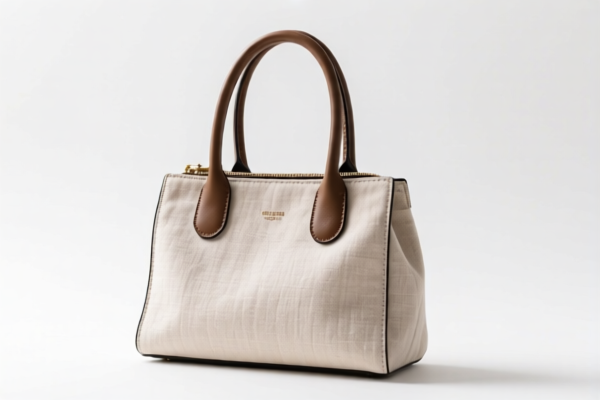
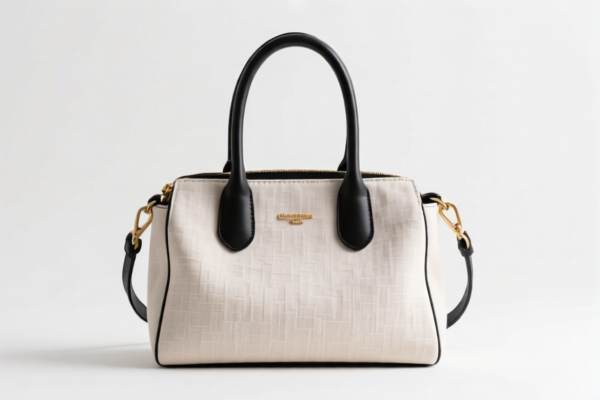
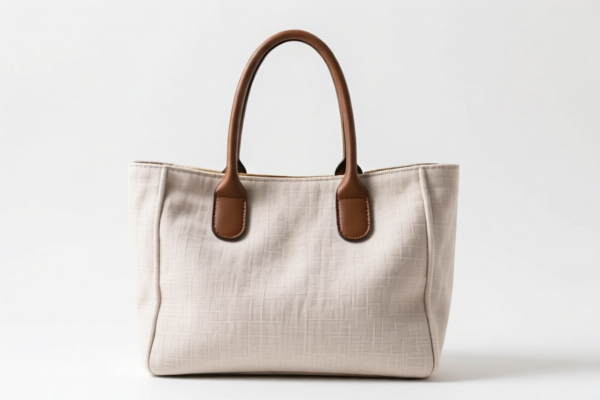
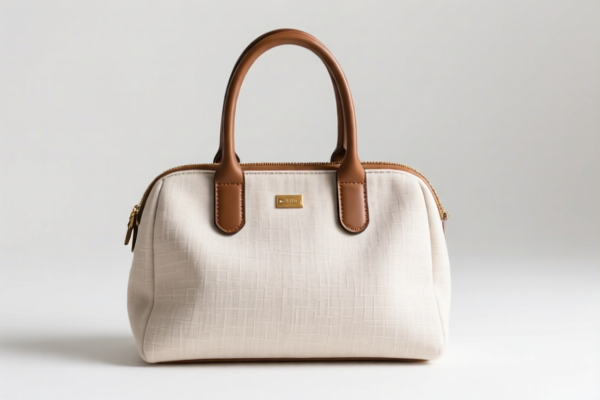
AI分析
👜 Textile Handbag (Woven & Fabric)
🌐 HS Code Reference & Customs Clearance Guide | 2026 Latest Tariff Analysis | Strategic Entry for Woven Goods
📌 I. Product Definition: What Exactly Is a "Textile Handbag"?
A Textile Handbag is a broad category in international trade, typically falling under Chapter 42 (Articles of Apparel and Accessories) or Chapter 46 (Manufactures of Plaiting Materials). The critical distinction lies in the material composition:
- Plaited/Woven Materials (Chapter 46): Made from vegetable materials (bamboo, rattan, straw, reed) that are plaited or woven into sheet-like structures.
- Textile Materials (Chapter 42): Made from woven fabrics (cotton, polyester, canvas, nylon) that are sewn or assembled into a bag structure.
⚠️ Key Distinction Point:
- If the material is "plaited vegetable fiber" (e.g., bamboo strips, reed mats) → It belongs to Chapter 46 (4602...).
- If the material is "woven fabric" (e.g., canvas, cloth, textile weave) → It belongs to Chapter 42 (4202...).
- Misclassification Risk: Declaring a bamboo bag as "textile" or a canvas bag as "woven plant material" leads to severe tariff discrepancies (up to 12% difference).
📦 II. HS Code Classification Matrix (2026 Latest Tariff对照)
Based on the provided data, here are the four specific classifications for woven/textile handbags:
| HS Code | Product Description | Material Type | Chapter |
|---|---|---|---|
4602.19.29.20 |
Woven Handbag, Material: Plant-based Woven Products | Vegetable fibers (non-bamboo/rattan specific) | Ch. 46 |
4602.11.21.00 |
Woven Handbag, Material: Bamboo, Rattan, etc. | Bamboo, Rattan, Willow | Ch. 46 |
4202.22.40.20 |
Woven Handbag, Material: Woven Material (General) | General Woven Material (Non-textile/Non-plant specific) | Ch. 42 |
4202.22.89.80 |
Woven Handbag, Material: Textile Materials | Cotton, Polyester, Canvas, Cloth | Ch. 42 |
4202.32.93.00 |
Pocket/Container, Material: Textile Materials | Small fabric pouches, coin purses, textile containers | Ch. 42 |
🔍 Critical Note:
- Chapter 46 (4602...) items are taxed on Plant/Vegetable Plaiting Materials.
- Chapter 42 (4202...) items are taxed on Textile/Fabric Materials.
-4202.22.89.80is the most common HS code for standard fabric handbags (canvas, nylon, polyester).
💰 III. 2026 Tariff Rate Breakdown (Detailed Tax Structure)
✅ Applicable Country: United States (US)
✅ Origin: China (CN)
✅ Effective Date: 2025/2026 (Post-Section 301 & IEEPA Enforcement)
🎯 1. 4602.19.29.20 – Plant-based Woven Handbag
| Item | Detail |
|---|---|
| Base Tariff | 5.3% |
| Section 301 Surcharge | +25.0% |
| Section 122 / IEEPA Surcharge | +10.0% |
| Total Tax Rate | 40.3% |
| De Minimis Exemption | ❌ Denied (deny_de_minimis) |
| Legal Basis | USITC 4602.19.29.20 → FOOTNOTE:301 + IEEPA:9903 |
📌 Explanation:
- Base duty is low (5.3%) for plant materials, but the 25% Section 301 tariff is mandatory for Chinese origin.
- The additional 10% applies under specific trade enforcement provisions (Section 122/IEEPA).
- Total 40.3% is a heavy burden, but slightly lower than textile bags.
🎯 2. 4602.11.21.00 – Bamboo/Rattan Handbag
| Item | Detail |
|---|---|
| Base Tariff | 6.2% |
| Section 301 Surcharge | +25.0% |
| Section 122 / IEEPA Surcharge | +10.0% |
| Total Tax Rate | 41.2% |
| De Minimis Exemption | ❌ Denied (deny_de_minimis) |
| Legal Basis | USITC 4602.11.21.00 → FOOTNOTE:301 + IEEPA:9903 |
📌 Note:
- Bamboo/Rattan is considered a "natural plant material."
- Slightly higher base duty (6.2%) than general plant materials (5.3%).
- Total 41.2% is the lowest among the four options for woven goods.
🎯 3. 4202.22.40.20 – General Woven Material Handbag
| Item | Detail |
|---|---|
| Base Tariff | 7.4% |
| Section 301 Surcharge | +25.0% |
| Section 122 / IEEPA Surcharge | +10.0% |
| Total Tax Rate | 42.4% |
| De Minimis Exemption | ❌ Denied (deny_de_minimis) |
| Legal Basis | USITC 4202.22.40.20 → FOOTNOTE:301 + IEEPA:9903 |
📌 Caution:
- This code is for "woven materials" that are not classified as plant plaiting (Ch. 46) or standard textiles (Ch. 42 specific textiles).
- Higher base duty (7.4%) leads to a higher total.
🎯 4. 4202.22.89.80 & 4202.32.93.00 – Textile/Fabric Handbags
| Item | Detail |
|---|---|
| Base Tariff | 17.6% |
| Section 301 Surcharge | +25.0% |
| Section 122 / IEEPA Surcharge | +10.0% |
| Total Tax Rate | 52.6% |
| De Minimis Exemption | ❌ Denied (deny_de_minimis) |
| Legal Basis | USITC 4202.22.89.80 / 4202.32.93.00 → FOOTNOTE:301 + IEEPA:9903 |
📌 Warning:
- Textile materials (canvas, cotton, polyester) have a high base duty (17.6%).
- With 25% + 10% surcharges, the total tariff hits 52.6%.
- This is the most expensive category. Do not use this code for bamboo/rattan bags.
🛠️ IV. Customs Clearance Strategy (Pitfall Avoidance)
✅ 1. Documentation Checklist (Mandatory)
| Document | Required? | Purpose |
|---|---|---|
| ✅ Product Specification Sheet | ✔️ | Must clearly state Material Composition (e.g., "100% Rattan," "60% Cotton Canvas"). |
| ✅ Material Sample/Photo | ✔️ | Show close-up of weave structure (Plant fiber vs. Thread). |
| ✅ Commercial Invoice | ✔️ | Description must match HS Code (e.g., "Bamboo Woven Bag" vs. "Fabric Tote"). |
| ✅ Packing List | ✔️ | Weight and dimensions. |
| ✅ Country of Origin Certificate | ✔️ | Essential for proving Chinese origin (triggers surcharges). |
✅ 2. Classification Strategy: Plant vs. Textile
🔥 Golden Rule:
"Plant Fiber = Ch. 46 (Lower Tax) | Thread/Fabric = Ch. 42 (Higher Tax)"
| Scenario | Correct HS Code | Total Tax | Risk of Misclassification |
|---|---|---|---|
| Bag made of Bamboo Strips | 4602.11.21.00 |
41.2% | Low if described as "Bamboo." |
| Bag made of Rattan/Willow | 4602.11.21.00 |
41.2% | Low if described as "Rattan." |
| Bag made of Straw/Reed | 4602.19.29.20 |
40.3% | Medium (Check if it fits "Other plant materials"). |
| Bag made of Canvas/Cotton | 4202.22.89.80 |
52.6% | High (Cannot be classified as Ch. 46). |
| Bag made of Polyester/Nylon | 4202.22.89.80 |
52.6% | High (Cannot be classified as Ch. 46). |
✅ 3. Special Clearance Tips
-
Material Declaration is Key:
- Do not just write "Handbag."
- Write: "Women's handbag, woven from natural bamboo strips, with leather handles."
- If you write "Woven Bag" for a bamboo product, customs may default to the higher textile rate or detain for classification review.
-
No De Minimis Exemption:
- All these HS Codes are
deny_de_minimis. - Even small packages (under $800) are subject to full tariff payment at the border.
- Do NOT use informal entry (Section 321) for these items.
- All these HS Codes are
-
Avoid "Mixed Material" Ambiguity:
- If a bag is 70% Bamboo + 30% Cotton Lining:
- Generally, the essential character (Bamboo weave) determines the classification as Ch. 46.
- Ensure the cotton lining is not structural.
- If a bag is 70% Bamboo + 30% Cotton Lining:
🌍 V. Global Market Comparison (2026)
| Market | Preferred HS Code | Base Tariff | US Surcharge | Total Effective Rate |
|---|---|---|---|---|
| 🇺🇸 USA | 4602.11.21.00 (Bamboo) |
6.2% | +35% (25%+10%) | 41.2% |
| 🇺🇸 USA | 4202.22.89.80 (Textile) |
17.6% | +35% (25%+10%) | 52.6% |
| 🇪🇺 EU | 4602.11.00.00 |
5.4% | 0% | 5.4% |
| 🇨🇳 China | 4602.11.00.00 |
8.0% | 0% | 8.0% |
| 🇬🇧 UK | 4602.11.00.00 |
5.4% | 0% | 5.4% |
📌 Insight:
- The US imposes a massive 35% penalty (25% Section 301 + 10% IEEPA/122) on top of base duties.
- Textile bags (Ch. 42) are significantly more expensive to import into the US than plant-woven bags (Ch. 46).
- Strategy: If possible, design handbags using natural plant materials (Bamboo, Rattan, Straw) instead of heavy textiles to save 11.3% in total tariff (52.6% vs 41.2%).
📌 VI. Common Errors & Pitfalls (Blood & Tears Lessons)
❌ Error 1: Calling a Bamboo Bag "Textile Handbag"
👉 Result: Customs may reclassify to 4202.22.89.80 → Pay 52.6% instead of 41.2%.
👉 Fix: Clearly state "Bamboo," "Rattan," or "Plant Fiber" in the description.
❌ Error 2: Claiming De Minimis for Small Orders
👉 Result: Package seized, tariff + penalties demanded.
👉 Fix: These HS Codes are explicitly excluded from Section 321. File formal entry.
❌ Error 3: Vague Description "Woven Bag"
👉 Result: Customs asks for classification ruling → Delays of 2-4 weeks.
👉 Fix: Use precise HS Code and detailed material breakdown.
❌ Error 4: Ignoring Section 122/IEEPA Surcharge
👉 Result: Underpayment by 10%.
👉 Fix: Always calculate Total Tax = Base + 25% + 10%.
🎯 VII. Conclusion: Smart Classification, Maximum Profit!
🎯 Key Takeaways:
🔹 Bamboo/Rattan Bags: Aim for
4602.11.21.00→ 41.2% Total Tax.
🔹 Straw/Other Plant Bags: Aim for4602.19.29.20→ 40.3% Total Tax.
🔹 Fabric/Canvas Bags: Forced to4202.22.89.80→ 52.6% Total Tax.
🔹 All are Denied De Minimis: No shortcuts for small parcels.💡 Pro Tip:
If you are importing 50+ units to the US, consider applying for a Tariff Engineering Strategy:
- Can the bag be made primarily of plant fibers instead of fabric?
- Can the handle be natural fiber instead of synthetic?
- A 11.3% tariff saving (from 52.6% to 41.2%) is significant for bulk orders.
📣 Immediate Action:
📞 Consult a Customs Broker to verify the "Essential Character" of your material.
📝 Update Product Descriptions on your invoice to explicitly state "Bamboo," "Rattan," or "Textile."
🚀 Plan for Full Duty Payment – Do not rely on De Minimis loopholes.
✨ Precision in Classification is the Key to Profitability in 2026!
💼 Don't let 11% tariff difference eat your margin!
用户评价
关于 HS 编码归类
协调制度(HS)是由世界海关组织(WCO)制定的国际贸易商品分类标准。全球 200 多个国家采用 HS 系统作为海关关税、贸易统计和进出口监管的基础。
每个 HS 编码遵循以下层级结构:
- 章(2 位)——商品大类(例如:第 84 章:机器和机械设备)
- 品目(4 位)——章内的更具体分类
- 子目(6 位)——国际通用细分,所有 WCO 成员国统一使用
- 本国细分(8-10 位)——各国自行扩展的细分编码,如美国 HTSUS 10 位编码
正确的 HS 编码归类对于顺利通关、准确缴纳关税和遵守贸易法规至关重要。错误归类可能导致海关延误、多缴关税或罚款。
从CN进口到US时,适用的关税税率可能包括:
- 最惠国(MFN)税率——适用于 WTO 成员国的标准关税税率
- 普通税率——适用于无贸易协定国家
- 贸易救济关税——附加关税,如 301 条款(反倾销)、232 条款(国家安全)或反补贴税
本页内容仅供参考。如需正式归类,请咨询当地海关或持牌报关代理。