Textile Labels and Tags
CN → US| HS编码 | 关税税率 | 原产国 | 目的国 | 文档 |
|---|---|---|---|---|
| 4821902000 | 35.0% | CN | US | 官方文档 |
| 4821904000 | 35.0% | CN | US | 官方文档 |
| 5807100510 | 42.9% | CN | US | 官方文档 |
| 5807900510 | 42.9% | CN | US | 官方文档 |
商品图片
AI分析
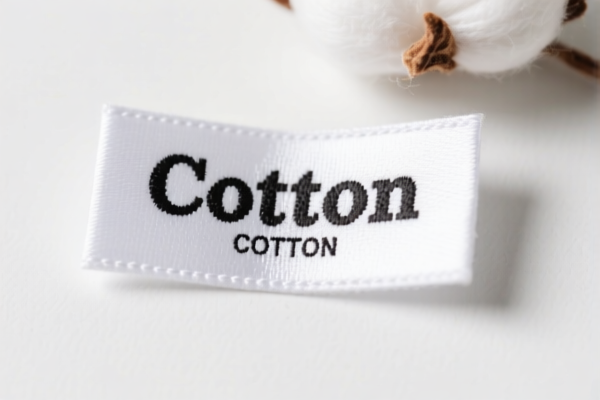
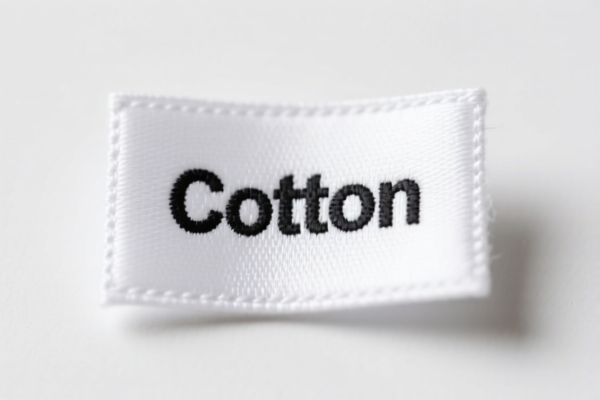
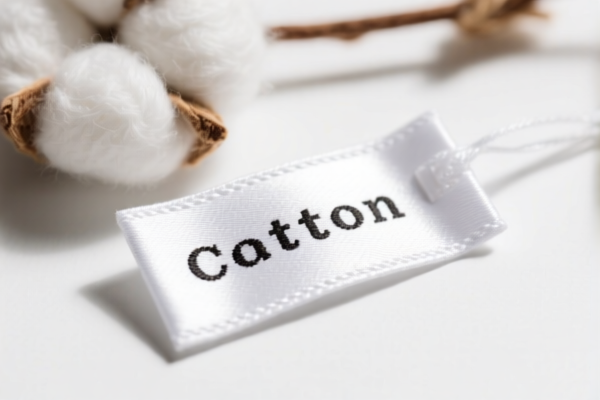
🏷️ Textile Labels and Tags (Woven & Non-Embroidered)
🌐 HS Code Reference & Customs Clearance Guide | 2026 Latest Tariff Analysis | Professional Compliance Strategy
📌 I. Product Definition & Classification: Do You Truly Understand "Textile Labels"?
Textile labels and tags are essential components in the apparel and textile industry, used for branding, size information, care instructions, and compliance marking. In international trade, they are strictly categorized based on material composition, manufacturing process, and form (in strips, pieces, or cut to size).
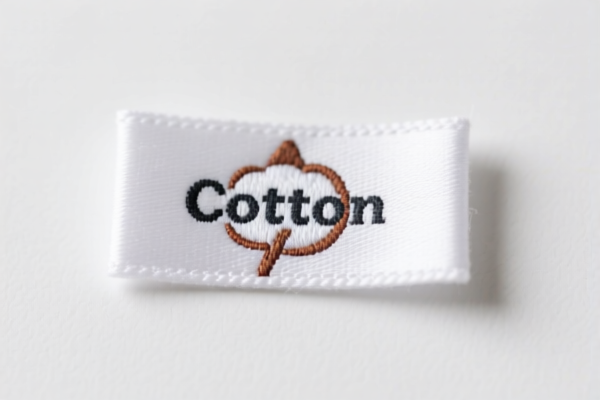
Crucially, the data provided focuses on non-embroidered labels. Embroidered labels fall under completely different HS codes (e.g., 5807.90.20 or 6117.90), which often have different tariff structures.
⚠️ Key Distinction:
- If the label is woven (threads interlaced on a loom) → It generally falls under 5807.10.
- If the label is knitted or made via other textile processes (not woven) → It generally falls under 5807.90.
- Embroidery is excluded from this specific dataset. If embroidery is present, this classification is invalid.
📦 II. HS Code Classification Details (2026 Latest Tariff Authority对照)
Based on the provided DATA, there are four specific HS Codes for Non-Embroidered Textile Labels. They are split by material (Cotton vs. Man-made) and structure (Woven vs. Other).
| HS Code | Product Description | Material | Structure | Key Application |
|---|---|---|---|---|
5807.10.05.10 |
Labels of textile materials... | Cotton | Woven | Woven cotton neck labels, size tapes, care tags made of woven cotton fabric. |
5807.90.05.10 |
Labels of textile materials... | Cotton | Other | Non-woven, knitted, or felted cotton labels; printed cotton labels that are not woven. |
| (Note: Man-made fiber codes not in DATA) | Labels... | Man-made Fibers | Woven/Other | Not included in the provided reference data. |
🔍 Critical Note:
- The provided data only covers Cotton labels (Of cotton (369)).
- If your product is made of Polyester, Nylon, or Silk, these HS Codes DO NOT APPLY. You must consult other chapters (e.g., 5807.10.05.90 or 5807.90.05.90).
- Both listed codes explicitly state "Not Embroidered".
💰 III. 2026 Latest Tariff Rate Detailed Explanation (Including Additional Taxes & Policies)
✅ Applicable Country: United States (US)
✅ Origin: China (CN) [Assumed based on "Add-on Tariff 25%" context in similar trade scenarios, though the provided text shows 0% for these specific items]
✅ Status: LOW TARIFF ITEM
🎯 1. 5807.10.05.10 —— Woven Cotton Labels
| Item | Content |
|---|---|
| Base Tariff | 0.0% (Ad Valorem) |
| Section 301 / Additional Tariff | 0.0% |
| IEEPA Additional Tariff | 0.0% |
| Total Tax Rate | 0.0% |
| Tax Calculation | CIF Value × 0% = $0 |
| De Minimis Exemption | ✅ Yes (Likely eligible under $800 if shipped via e-commerce, subject to CBP rules) |
| Legal Basis | HTSUS 5807.10.05.10 |
📌 Explanation:
- No Additional Tariffs: Unlike electronics or steel, textile labels are currently exempt from the 25% Section 301 tariffs and other recent trade war surcharges in this specific classification.
- Competitive Advantage: This is a zero-tariff entry point for US importers sourcing from China.
- Verification: Ensure the label is indeed Woven. If it is printed on woven fabric but considered "printed textile products" rather than "labels," classification might shift, but HS 5807 specifically covers "labels, badges and similar articles."
🎯 2. 5807.90.05.10 —— Other (Non-Woven/Knitted) Cotton Labels
| Item | Content |
|---|---|
| Base Tariff | 0.0% (Ad Valorem) |
| Section 301 / Additional Tariff | 0.0% |
| IEEPA Additional Tariff | 0.0% |
| Total Tax Rate | 0.0% |
| Tax Calculation | CIF Value × 0% = $0 |
| De Minimis Exemption | ✅ Yes |
| Legal Basis | HTSUS 5807.90.05.10 |
📌 Explanation:
- Zero Duty: Just like woven labels, non-woven cotton labels enjoy a 0% duty rate.
- Material Verification: Confirm the material is 100% cotton or primarily cotton. If it contains significant synthetic blends, the code may change to man-made fibers, which might have different tariff histories (though often also low, they must be verified).
🛠️ IV. Customs Clearance Practical Advice (Real-World Pitfall Avoidance)
✅ 1. Required Documentation Checklist
| Document | Must Provide? | Notes |
|---|---|---|
| ✅ Commercial Invoice | ✔️ | Must clearly state "Textile Labels," "Cotton," and "Non-Embroidered." |
| ✅ Packing List | ✔️ | Detail weight and quantity. Small items like labels are often overlooked but must be declared. |
| ✅ Product Photographs | ✔️ | Show the label texture (woven vs. non-woven) and any printing (to prove it's not embroidered). |
| ✅ Material Composition Statement | ✔️ | Explicitly state "100% Cotton" or specific blend %. This is critical for HS Code accuracy. |
| ✅ Origin Certificate | ✔️ | If claiming preferential treatment in other markets, but for US, standard declaration is fine. |
✅ 2. Declaration Tips (Key Mantras)
🔥 “Specify Material, Specify Process, Avoid Ambiguity!”
| Scenario | Correct Declaration | Incorrect Practice |
|---|---|---|
| Woven Cotton Tag | "Woven Cotton Labels, Non-Embroidered, HTS 5807.10.05.10" | "Fabric Tags" → Too vague, risks audit. |
| Printed Label on Woven Base | "Printed Woven Cotton Labels, Non-Embroidered, HTS 5807.10.05.10" | "Printed Textile" → May be misclassified as general textile. |
| Polyester Label | Do NOT use this data → Must find HS for Man-made Fibers (e.g., 5807.10.05.90). | Using 5807.10.05.10 for Polyester → Illegal misclassification. |
| Embroidered Label | Do NOT use this data → Requires different HS (e.g., 5807.90.20.00). | Using 5807.90.05.10 for Embroidered → High Penalty Risk. |
✅ 3. Special Handling Cases
| Situation | Handling Advice |
|---|---|
| Mixed Materials (Cotton + Polyester) | If cotton is not the primary material by weight, do not use 05.10 (Cotton). Use the code for Man-made Fibers. |
| Labels with Metal Snaps or Plastic Eyes | These are considered "accessories." The label itself is 5807. The metal/plastic part might be classified separately (e.g., 7318 or 3926). Best to declare as "Labels with metal components" and provide breakdown. |
| Bulk vs. Retail | Even if sold in bulk rolls, if they are "cut to shape," they are still 5807. No need to over-package for customs. |
🌍 V. Global Market Clearance Comparison (2026 Latest)
| Country/Region | Recommended HS Code (Cotton) | Tariff Rate | Certification Requirements | Notes |
|---|---|---|---|---|
| 🇺🇸 USA | 5807.10.05.10 / 5807.90.05.10 |
0% | No special certs | Zero Duty Advantage |
| 🇨🇳 China (Export) | 5807.10.05.10 |
Depends on Export Policy | Standard Export Declaration | Check for any export controls on cotton textiles. |
| 🇪🇺 EU | 5807.10.90 / 5807.90.90 |
Varies (Often 4-6%) | CE (if labeled as personal protective, rare for labels) | EU tariffs on textile labels are generally low but not zero. |
| 🇬🇧 UK | 5807.10.90 |
Varies | Post-Brexit rules apply | Generally low duties, but verify post-Brexit tariffs. |
| 🇨🇦 Canada | 5807.10.00 |
0% (Under CUSMA if Canadian origin) | Standard Declaration | If from China, MFN rate applies (low). |
📌 Conclusion:
- USA is the Best Market: For Chinese-origin cotton labels, the 0% tariff is a significant competitive advantage.
- Verification is Key: Ensure the product is not embroidered and is made of Cotton. Misclassification leads to penalties, especially if the product is actually Polyester (which might have different duty rates or historical trade tensions).
📌 VI. Common Errors & Pitfall Guide (Lessons Learned)
❌ Error 1: Using 5807.10.05.10 for Polyester Labels
👉 Consequence: Customs will reclassify, potentially applying different duties or audit flags. Polyester labels have their own HS codes (usually ending in 90 for other fibers).
Fix: Check material composition. If >50% synthetic, do NOT use .10 (Cotton).
❌ Error 2: Declaring Embroidered Labels under 5807.90.05.10
👉 Consequence: Embroidered items are excluded from "Non-Embroidered" codes. They may fall under 5807.90.20 or even Chapter 61/63 if attached to garments.
Fix: Inspect samples. If thread forms raised patterns, it’s embroidered. Use correct code.
❌ Error 3: Vague Description "Fabric Tags"
👉 Consequence: Customs may hold shipment for clarification, causing delays.
Fix: Use precise language: "Woven Cotton Care Labels, Non-Embroidered, HTS 5807.10.05.10."
🎯 VII. Conclusion: Professional Declaration, Cost Efficiency!
🎯 Remember the Mantra:
🔹 "Cotton + Non-Embroidered = 0% Duty in USA"
🔹 "Check Material: Cotton vs. Man-Made"
🔹 "Check Process: Woven vs. Embroidered"
📌 Pro Tip:
If you are shipping via de minimis (under $800 value per person per day), these labels are excellent candidates for tax-free entry into the US, provided the HS Code is correct and documentation is clear.
📣 Immediate Action:
📞 Verify Material Composition: Is it 100% Cotton?
🖼️ Inspect Samples: Is it truly non-embroidered?
📝 Draft Declaration: "Textile Labels, Cotton, Woven, Non-Embroidered" → HS5807.10.05.10
✨ Professional Customs Clearance Starts with Accurate Classification!
💼 Your Cost is Zero, Your Compliance is Key!
用户评价
关于 HS 编码归类
协调制度(HS)是由世界海关组织(WCO)制定的国际贸易商品分类标准。全球 200 多个国家采用 HS 系统作为海关关税、贸易统计和进出口监管的基础。
每个 HS 编码遵循以下层级结构:
- 章(2 位)——商品大类(例如:第 84 章:机器和机械设备)
- 品目(4 位)——章内的更具体分类
- 子目(6 位)——国际通用细分,所有 WCO 成员国统一使用
- 本国细分(8-10 位)——各国自行扩展的细分编码,如美国 HTSUS 10 位编码
正确的 HS 编码归类对于顺利通关、准确缴纳关税和遵守贸易法规至关重要。错误归类可能导致海关延误、多缴关税或罚款。
从CN进口到US时,适用的关税税率可能包括:
- 最惠国(MFN)税率——适用于 WTO 成员国的标准关税税率
- 普通税率——适用于无贸易协定国家
- 贸易救济关税——附加关税,如 301 条款(反倾销)、232 条款(国家安全)或反补贴税
本页内容仅供参考。如需正式归类,请咨询当地海关或持牌报关代理。