Textile Reinforced V Belt for Automotive
CN → US| HS编码 | 关税税率 | 原产国 | 目的国 | 文档 |
|---|---|---|---|---|
| 5910001010 | 39.0% | CN | US | 官方文档 |
| 4010313000 | 38.4% | CN | US | 官方文档 |
| 4010323000 | 38.4% | CN | US | 官方文档 |
商品图片
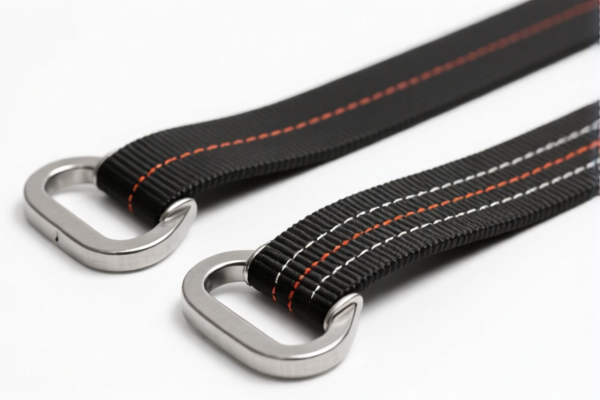
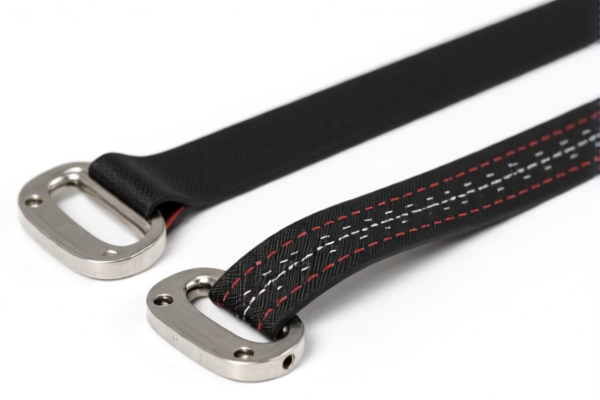
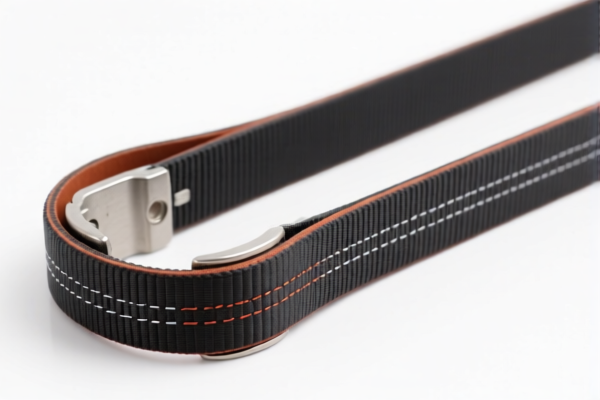
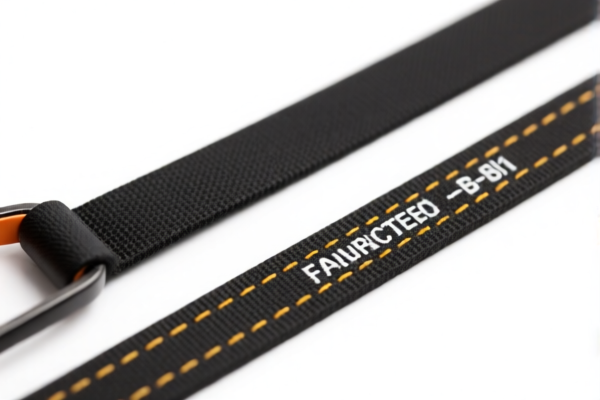
AI分析
🚗 Textile Reinforced V Belt for Automotive
🌐 HS Code Reference & Customs Clearance Guide | 2026 Latest Tariff Analysis | Professional Clearance Strategy
📌 I. Product Definition & Classification: What Exactly is a "Textile Reinforced V Belt"?
A Textile Reinforced V Belt is a critical power transmission component used in automotive engines and machinery. It is characterized by a trapezoidal (V-shaped) cross-section and internal reinforcement made primarily of textile materials (such as polyester or nylon cords) to withstand high tensile stress and torsion.
In international trade, these belts are classified based on their specific shape and material composition. While they serve the same function, customs authorities distinguish them based on whether they are considered "rubber belts with textile reinforcement" or specific "industrial textile goods."
⚠️ Key Distinction Points:
- If the belt is primarily rubber with textile cords for strength → It falls under Chapter 40 (Rubber).
- If the belt is considered a textile fabric product with rubber coating → It might fall under Chapter 59 (Impregnated Textile Fabrics).
- Crucial Note: For most automotive V-belts, the rubber component is dominant, but specific subheadings apply depending on the exact construction (endless vs. endless, specific profile).
📦 II. HS Code Classification Details (2026 Latest Tariff Authority Match)
Based on your input data, here are the precise HS Codes and their corresponding tax implications.
| HS Code | Product Description | Application Scenario | Key Characteristics |
|---|---|---|---|
5910.00.10.10 |
Textile Reinforced V Belt for Automotive | Power transmission using V-belt morphology | Chapter 59: Impregnated/coated textile fabrics. The textile component is deemed significant. |
4010.31.30.00 |
Textile Reinforced V Belt for Automotive | Trapezoidal cross-section, textile material | Chapter 40: Rubber belts. Specifically for trapezoidal (V) belts made with textile materials. |
4010.32.30.00 |
Textile Reinforced V Belt for Automotive | Trapezoidal cross-section, endless drive belts | Chapter 40: Rubber belts. Specifically for endless trapezoidal belts with textile reinforcement. |
🔍 Important Clarification:
- Both Chapter 40 and Chapter 59 classifications result in very high tariffs due to current trade policies.
- The choice between5910.00.10.10and4010.xx.xxdepends on the exact manufacturing process and the dominance of the textile vs. rubber layer. However, both attract similar high tax rates due to Section 122 and Section 301 duties.
- Do not assume "Textile" automatically means lower duty. In this case, the "Textile" label triggers specific high-tax codes.
💰 III. 2026 Latest Tariff Rate Breakdown (Including Surcharges & Policy Add-ons)
✅ Applicable Country: United States (US)
✅ Origin: China (CN)
✅ Effective Date: As per current trade regulations (Section 122 & Section 301)
🎯 1. HS Code 5910.00.10.10 — Textile Reinforced V Belt (Chapter 59)
| Item | Content |
|---|---|
| Base Tariff Rate | 4.0% (Ad Valorem) |
| Additional Duty (Section 301) | +25.0% |
| Section 122 Duty | +10.0% |
| Total Effective Tax Rate | 39.0% |
| Tax Calculation | CIF Value × 39.0% |
| De Minimis Exemption | ❌ Not Eligible (High-value industrial goods) |
| Legal Basis Path | HTSUS: 5910.00.10.10 → Section 301: Footnote 9903.88.01 → Section 122: 19 CFR 122.25 |
📌 Explanation:
- Base 4%: Standard MFN (Most Favored Nation) rate for Chapter 59 belts.
- 25% Section 301: Retaliatory tariff on Chinese goods under US Trade Act Section 301.
- 10% Section 122: New duty imposed on certain articles from China (effective 2024-2025).
- Total 39%: This is a high-cost category. Profit margins will be significantly impacted.
🎯 2. HS Code 4010.31.30.00 — Trapezoidal V-Belt (Chapter 40)
| Item | Content |
|---|---|
| Base Tariff Rate | 3.4% (Ad Valorem) |
| Additional Duty (Section 301) | +25.0% |
| Section 122 Duty | +10.0% |
| Total Effective Tax Rate | 38.4% |
| Tax Calculation | CIF Value × 38.4% |
| De Minimis Exemption | ❌ Not Eligible |
| Legal Basis Path | HTSUS: 4010.31.30.00 → Section 301: Footnote 9903.88.01 → Section 122: 19 CFR 122.25 |
📌 Explanation:
- Base 3.4%: Standard rate for rubber belts with textile reinforcement.
- Surcharges: Identical to the Chapter 59 classification due to origin (China).
- Total 38.4%: Slightly lower than 39.0%, but still prohibitively high for low-margin goods.
🎯 3. HS Code 4010.32.30.00 — Endless Trapezoidal Belt (Chapter 40)
| Item | Content |
|---|---|
| Base Tariff Rate | 3.4% (Ad Valorem) |
| Additional Duty (Section 301) | +25.0% |
| Section 122 Duty | +10.0% |
| Total Effective Tax Rate | 38.4% |
| Tax Calculation | CIF Value × 38.4% |
| De Minimis Exemption | ❌ Not Eligible |
| Legal Basis Path | HTSUS: 4010.32.30.00 → Section 301: Footnote 9903.88.01 → Section 122: 19 CFR 122.25 |
📌 Explanation:
- This code applies to endless (joined) belts, which are common in modern automotive serpentine drives.
- Same Tax Burden: As with4010.31.30.00, the total duty is 38.4%.
🛠️ IV. Customs Clearance Practical Advice (Field Pitfall Avoidance Guide)
✅ 1. Required Documentation Checklist (No Exceptions)
| Document | Mandatory? | Description |
|---|---|---|
| ✅ Product Specification Sheet | ✔️ | Must detail: Belt length, cross-section profile (A, B, C, etc.), material composition (Rubber %, Textile %), tensile strength. |
| ✅ Commercial Invoice | ✔️ | Must clearly state: "Textile Reinforced V Belt for Automotive Use," HS Code, Country of Origin (China). |
| ✅ Packing List | ✔️ | Itemized list of belts per carton, total weight, gross/net weight. |
| ✅ Certificate of Origin (CO) | ✔️ | Essential for proving Chinese origin. Do not falsify origin; misdeclaration leads to severe penalties. |
| ✅ Test Reports | ✔️ | Optional but helpful: Durability tests, heat resistance certificates to prove automotive-grade quality. |
✅ 2. Declaration Strategy (Critical Tips)
🔥 “Accurate Description, Precise HS, Avoid Re-Inspection!”
| Scenario | Correct Declaration | Wrong Approach |
|---|---|---|
| Standard V-Belt | 4010.31.30.00 or 4010.32.30.00 |
Declaring as "Rubber Hose" or "Textile Fabric" → Misclassification |
| Textile-Heavy Belt | 5910.00.10.10 |
If the textile layer is visibly dominant, declaring under Chapter 40 may trigger an audit. |
| Mixed Shipments | Separate HS codes for each item | Combining belts with other auto parts → Customs Delay |
📌 Key Tip:
- Ensure the material composition matches the HS code. If the belt is >50% rubber by weight, Chapter 40 is more appropriate. If it’s a fabric core with thin rubber, Chapter 59 might be considered, but tax rates are nearly identical.
- Do not under-declare value. With 38-39% duty, any discrepancy will result in heavy fines.
✅ 3. Special Considerations
| Situation | Handling Advice |
|---|---|
| OEM Automotive Parts | Provide the End User Letter or OEM contract to prove automotive use, though tax rate remains high. |
| Aftermarket vs. OEM | No tax difference. Both are subject to the same duties. |
| Origin Marking | Every belt or package must be marked "Made in China". Unmarked goods will be seized. |
| Section 122 Compliance | Ensure all Section 122 requirements are met, including proper documentation of the textile/rubber composition. |
🌍 V. Global Market Comparison (2026 Latest)
| Country/Region | Recommended HS Code | Tariff (China Origin) | Certification Requirements | Notes |
|---|---|---|---|---|
| 🇺🇸 USA | 4010.31.30.00 / 5910.00.10.10 |
38.4% – 39.0% | None (but DOT/SAE standards apply for safety) | Highest duty among major markets. |
| 🇨🇳 China | 4010.31.30.00 |
3.4% | CCC (if required for specific applications) | Low duty, but export controls may apply. |
| 🇪🇺 EU | 4010.31.00 |
4.0% | CE Marking (if applicable for machinery) | No Section 301/122 surcharges. |
| 🇲🇽 Mexico | 4010.31.00 |
5.0% | NOM Certification | Potential USMCA benefits if produced in North America. |
| 🇻🇳 Vietnam | 4010.31.00 |
0% – 5% | None | Strategic Alternative: Consider shifting production to Vietnam to avoid US tariffs. |
📌 Conclusion:
- The US market is the most expensive for Chinese-made textile reinforced V belts due to the 38-39% total duty.
- EU, Mexico, and Vietnam offer significantly lower tariff burdens.
- Supply Chain Recommendation: For US-bound goods, consider Third-Country Manufacturing (e.g., Vietnam, Thailand) to leverage lower tariffs and avoid Section 301/122 duties.
📌 VI. Common Mistakes & Pitfall Guide (Lessons Learned)
❌ Mistake 1: Declaring V-belts as "General Rubber Parts"
👉 Consequence: Incorrect HS code → 100% duty evasion penalty + back taxes.
❌ Mistake 2: Ignoring Section 122 Duties
👉 Consequence: Underpayment of 10% → Goods held at customs, fines, and delays.
❌ Mistake 3: Mislabeling "Textile Reinforced" as "Fabric Only"
👉 Consequence: If the belt has significant rubber content, it may still be classified under Chapter 40, leading to disputes and re-classification fees.
❌ Mistake 4: Failing to Mark "Made in China"
👉 Consequence: Seizure and destruction of goods by CBP.
✅ Correct Practice:
"V-Belt, Textile Reinforced, Automotive Grade, 100% Made in China, HS Code: 4010.31.30.00, Duty: 38.4%"
🎯 VII. Conclusion: Professional Declaration, Cost Control, Efficiency!
🎯 Remember the Mantra:
🔹 "V-Belts are High-Tax: 38-39% in the US."
🔹 "Chapter 40 vs. 59: Same Pain, Slight Difference."
🔹 "Origin Matters: Vietnam may save your margin."
📌 Pro Tip:
If your business volume is significant, consider applying for an Advance Ruling from CBP to confirm the exact HS code and duty liability before shipment. This provides legal certainty and prevents post-import audits.
📣 Immediate Action:
📞 Consult a licensed customs broker.
📋 Verify material composition (Rubber vs. Textile ratio).
🚀 Explore supply chain diversification to mitigate US tariff risks.
✨ Professional Customs Clearance Starts with Accurate Classification!
💼 Your Profit Margin Deserves Precision!
用户评价
关于 HS 编码归类
协调制度(HS)是由世界海关组织(WCO)制定的国际贸易商品分类标准。全球 200 多个国家采用 HS 系统作为海关关税、贸易统计和进出口监管的基础。
每个 HS 编码遵循以下层级结构:
- 章(2 位)——商品大类(例如:第 84 章:机器和机械设备)
- 品目(4 位)——章内的更具体分类
- 子目(6 位)——国际通用细分,所有 WCO 成员国统一使用
- 本国细分(8-10 位)——各国自行扩展的细分编码,如美国 HTSUS 10 位编码
正确的 HS 编码归类对于顺利通关、准确缴纳关税和遵守贸易法规至关重要。错误归类可能导致海关延误、多缴关税或罚款。
从CN进口到US时,适用的关税税率可能包括:
- 最惠国(MFN)税率——适用于 WTO 成员国的标准关税税率
- 普通税率——适用于无贸易协定国家
- 贸易救济关税——附加关税,如 301 条款(反倾销)、232 条款(国家安全)或反补贴税
本页内容仅供参考。如需正式归类,请咨询当地海关或持牌报关代理。