Textureless Silk
CN → US| HS编码 | 关税税率 | 原产国 | 目的国 | 文档 |
|---|---|---|---|---|
| 6210408017 | 23.7% | CN | US | 官方文档 |
| 6210508020 | 23.7% | CN | US | 官方文档 |
| 5004000000 | 35.0% | CN | US | 官方文档 |
| 5003000000 | 0.0% | CN | US | 官方文档 |
| 500300 | 0.0% | CN | US | 官方文档 |
| 500700 | 0.0% | CN | US | 官方文档 |
商品图片
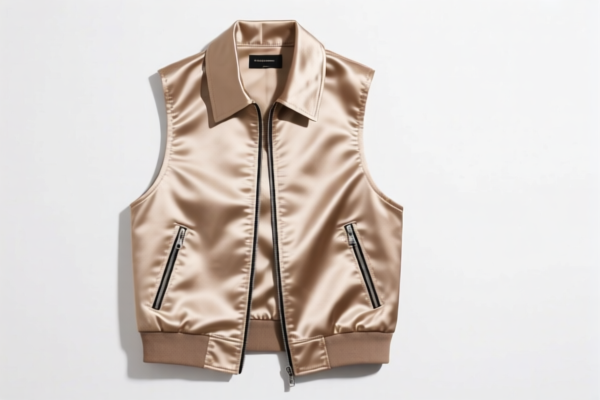

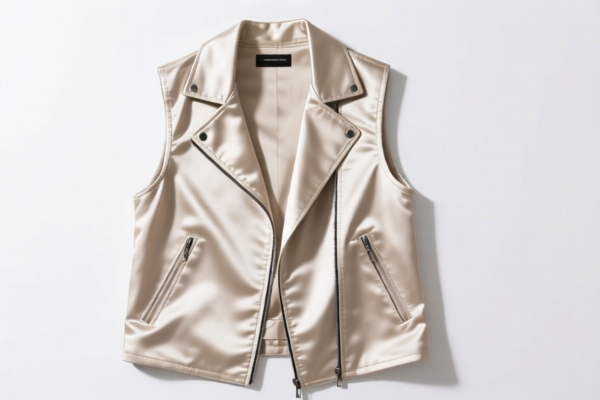
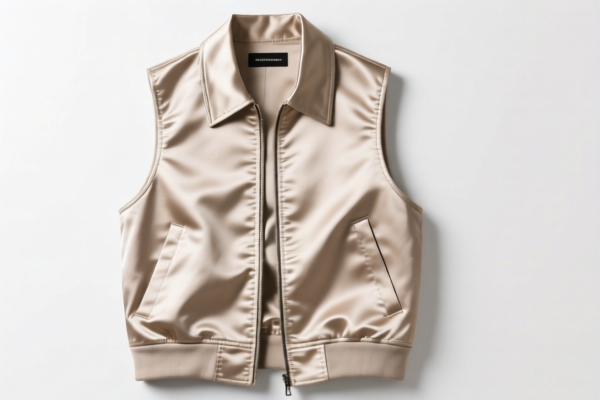
AI分析
🧵 Silk Yarn & Waste (Textureless Silk Products)
🌐 HS Code Reference & Customs Clearance Guide | 2024/2025 Tariff Analysis | Professional Classification Strategy
📌 Part I: Product Definition & Classification: Do You Really Understand "Silk Yarn" vs. "Silk Waste"?
"Textureless Silk" in international trade typically refers to Raw Silk Yarn or Silk Waste/Yarn that has not been put up for retail sale (i.e., no small retail packaging, labels, or finished garment form). It is the raw material for weaving silk fabrics.
In international trade, it is divided into two main categories:
1. Silk Yarn (Processed/Spun Silk):
Spun from silk filaments (excluding waste), not put up for retail sale. This is high-quality, continuous filament yarn.
2. Silk Waste and Scrap:
Includes silk waste, cocoons (excluding raw silk in cocoon/floss form), and yarn spun from such waste. This is lower quality, short fiber.
⚠️ Key Distinction Point:
- If it is continuous filament from cocoons (not waste) → HS 5004
- If it is short fibers/waste or yarn spun from waste → HS 5003
- If it is a garment made of specific technical fabrics (e.g., Heading 5602, 5903, etc.) with >70% silk → HS 6210
📦 Part II: HS Code Classification Details (Authoritative 2024/2025 Reference)
| HS Code | Product Description | Application Scenario | Textureless/Raw Form? | Tax Status |
|---|---|---|---|---|
5004.00.00.00 |
Silk yarn (other than yarn spun from silk waste) not put up for retail sale | High-quality raw silk thread for weaving; continuous filament | ✅ Yes (Raw Yarn) | 25.0% (See below) |
5003.00.00.00 |
Silk waste and scrap, including yarn spun therefrom | Recycled silk, short fibers, lower-grade yarn from waste | ✅ Yes (Raw Waste/Yarn) | Error (See below) |
5003.00 |
Raw silk, not put up for retail sale, including silk waste... | General category for raw silk waste (8-digit detail required) | ✅ Yes (General Category) | Error |
5007.00 |
Silk yarn, not put up for retail sale, including waste yarn... | General category for silk yarn (8-digit detail required) | ✅ Yes (General Category) | Error |
6210.40.80.17 |
Garments (Men's) made of fabrics of heading 5602, 5603, 5903, 5906 or 5907; >70% silk; Trousers, breeches, shorts | Finished men's garments made of technical silk fabrics | ❌ No (Finished Garment) | 0.0% |
6210.50.80.20 |
Garments (Women's) made of fabrics of heading 5602, 5603, 5903, 5906 or 5907; >70% silk; Trousers, breeches, shorts | Finished women's garments made of technical silk fabrics | ❌ No (Finished Garment) | 0.0% |
🔍 Critical Reminder:
- HS 5004 is for pure silk yarn (from filaments, not waste).
- HS 5003 is for silk waste and yarn made from waste.
- HS 6210 applies only if the item is a finished garment made of specific technical fabrics (e.g., felt, non-woven, coated fabrics) with >70% silk content. Pure silk yarn or fabric does NOT qualify for HS 6210.
💰 Part III: 2024/2025 Latest Tariff Rate Details (Including Additional Taxes)
✅ Applicable Country: United States (US)
✅ Origin: China (CN)
✅ Effective Date: Current 2024/2025 Tariff Schedule (Section 301)
🎯 1. 5004.00.00.00 —— Silk Yarn (Not from Waste), Not Put Up for Retail
| Item | Content |
|---|---|
| Base Tariff Rate | 0% (ad valorem) |
| Section 301 Additional Tariff | +25% |
| Total Effective Rate | 25.0% |
| Tax Calculation | CIF Value × 25% |
| De Minimis Exemption | ❌ Not Available (denied_de_minimis) |
| Legal Basis | USITC HTSUS 5004.00.00.00 + Section 301 List 4A |
📌 Explanation:
- Although the base tariff for silk yarn is 0%, it is subject to a 25% Section 301 additional duty if imported from China.
- Total tax burden: 25%.
- This applies to continuous filament silk yarn (not from waste).
🎯 2. 5003.00.00.00 —— Silk Waste and Scrap, Including Yarn Spun Therefrom
| Item | Content |
|---|---|
| Base Tariff Rate | Failed to retrieve tax information |
| Section 301 Additional Tariff | Failed to retrieve tax information |
| Total Effective Rate | Error |
| Tax Calculation | N/A |
| De Minimis Exemption | ❌ Likely Not Available (high risk of classification dispute) |
| Legal Basis | USITC HTSUS 5003.00.00.00 |
📌 Critical Warning:
- The tax information for HS 5003 (Silk Waste) is missing/error in the current reference data.
- Do NOT assume 0% tax. Silk waste is often subject to higher scrutiny and potential additional duties.
- Action Required: Contact customs broker for Advance Ruling or check latest USITC database for exact 2024/2025 rates.
- Risk: Misclassification of "waste" vs. "yarn" can lead to significant penalties.
🎯 3. 6210.40.80.17 & 6210.50.80.20 —— Finished Garments (Men's/Women's)
| Item | Content |
|---|---|
| Base Tariff Rate | 0% |
| Section 301 Additional Tariff | 0% |
| Total Effective Rate | 0.0% |
| Tax Calculation | CIF Value × 0% |
| De Minimis Exemption | ❌ Not applicable (tariff is 0%) |
| Legal Basis | USITC HTSUS 6210.40.80.17 / 6210.50.80.20 |
📌 Important Condition:
- These HS codes ONLY apply if the product is a finished garment (trousers, shorts, etc.).
- The garment must be made of fabrics of headings 5602, 5603, 5903, 5906, or 5907 (e.g., felt, non-woven, coated fabrics).
- Must have >70% silk or silk waste by weight.
- Do NOT use this code for raw silk yarn or plain silk fabric. It is strictly for specific technical fabric garments.
🛠️ Part IV: Customs Clearance Practical Advice (Pitfall Avoidance Guide)
✅ 1. Required Documentation Checklist (All Must Be Provided)
| Document | Mandatory? | Description |
|---|---|---|
| ✅ Product Specification Sheet | ✔️ | Fiber content (e.g., 100% Silk, 70% Silk/30% Polyester), weight, twist, filament type |
| ✅ Material Composition Proof | ✔️ | Lab test report confirming silk vs. waste vs. blended |
| ✅ Product Photos | ✔️ | Clear images showing spool size, labeling, and yarn texture |
| ✅ Commercial Invoice | ✔️ | Must specify "Silk Yarn, Not Put Up for Retail" or "Silk Waste" |
| ✅ Packing List | ✔️ | Detail net/gross weight, number of spools |
| ✅ Origin Certificate (CO) | ✔️ | To determine Section 301 applicability |
✅ 2. Declaration Tips (Key Mnemonic)
🔥 "Raw Yarn 5004, Waste 5003, Garment 6210, Get It Wrong, Pay the Price!"
| Situation | Correct Declaration | Incorrect Practice |
|---|---|---|
| Pure silk yarn (from filaments) | 5004.00.00.00 |
Misclassified as 5003 → Tax dispute |
| Silk waste or yarn from waste | 5003.00.00.00 |
Misclassified as 5004 → 25% overpayment or penalty |
| Finished men's trousers (>70% silk, technical fabric) | 6210.40.80.17 |
Misclassified as yarn → 25% tax on finished good |
| Finished women's trousers (>70% silk, technical fabric) | 6210.50.80.20 |
Misclassified as yarn → 25% tax on finished good |
| Plain silk fabric (not technical) | Not listed in DATA | Do NOT use 6210 → Will be rejected or reassessed |
✅ 3. Special Cases Handling
| Situation | Handling Advice |
|---|---|
| Blended Silk Yarn | If >50% silk by weight, may still qualify under 5004 or 5003, but must declare blend ratio. Tax may vary. |
| Silk in Cocoon Form | Excluded from 5004 and 5003 yarn definitions. May fall under 5002.00.00.00 (Raw Silk). Check separately. |
| Small Retail Spools | If put up for retail sale (e.g., small knitting spools), may fall under HS 5006 or 5007 (retail pack). Not 5004. |
| OEM Custom Yarn | Provide order details, color, twist direction, and end-use to prevent misclassification. |
🌍 Part V: Global Market Clearance Comparison (2024/2025)
| Country/Region | Recommended HS Code (Yarn) | Tariff (China Origin) | Certification Requirement | Notes |
|---|---|---|---|---|
| 🇺🇸 United States | 5004.00.00.00 |
25% (Section 301) | None specific for yarn | 0% base + 25% additional |
| 🇨🇳 China (Import) | 5004.00.00.00 |
~5-8% (MFN) | None | Lower base tariff |
| 🇪🇺 European Union | 5004.00.00 |
~3-5% | REACH Compliance | Check specific EU HTS |
| 🇬🇧 United Kingdom | 5004.00.00 |
~3-5% | Post-Brexit Rules | Similar to EU |
📌 Conclusion:
- US is the most critical market due to 25% additional tariff on silk yarn (5004).
- Silk waste (5003) has unclear tax data in the reference; verify before shipment.
- Garments (6210) have 0% tariff but are strictly limited to technical fabric garments (>70% silk). Do not use for raw materials.
📌 Part VI: Common Mistakes & Pitfall Guide (Blood Lessons)
❌ Mistake 1: Declaring "Silk Yarn" as 5003 (Waste) when it is 5004 (Filament)
👉 Consequence: Potential overpayment of taxes or customs audit for misdeclaration.
❌ Mistake 2: Using 6210 for raw silk yarn or plain fabric
👉 Consequence: Customs will reject the declaration. Goods held, reclassified to 5004 or 5007, with 25% tax + penalties.
❌ Mistake 3: Not specifying "Not Put Up for Retail Sale" in description
👉 Consequence: Customs may classify as retail pack (5006/5007), leading to different tax rates and delays.
❌ Mistake 4: Ignoring the "Technical Fabric" requirement for 6210
👉 Consequence: Garments made of standard silk fabric (heading 50 or 51) do NOT qualify for 6210. Must use 6217.90 or 6106/6203 series. Tax may be higher.
✅ Correct Practice:
"Silk Yarn, 100% Mulberry Silk, Continuous Filament, 2/20/22 Denier, Not Put Up for Retail, China Origin"
🎯 Part VII: Conclusion: Precise Classification Saves Money!
🎯 Remember the Mnemonic:
🔹 "Yarn Raw 5004, Waste 5003, Garment 6210 Only if Technical, Get It Right, Avoid the Tax Spike!"
🔹 "HS Code Determines Destiny, 25% Tax on Yarn, 0% on Specific Garments, Misclassify and Pay!"
📌 Pro Tip:
If your silk yarn is originating from Vietnam, India, or Bangladesh, you may avoid Section 301 25% additional tariff.
Recommendation: Apply for an Advance Ruling from US Customs (CBP) if you are unsure about the classification of "Silk Waste" vs. "Silk Yarn" or the eligibility of garments for 6210.
📣 Immediate Action:
📞 Contact a licensed customs broker + Provide material test reports + Apply for Pre-Ruling
🚀 Ensure your silk products clear customs smoothly, avoid 25% penalties, and maximize profit!
✨ Professional Clearance Starts with Accurate Classification!
💼 Every dollar saved in tax is pure profit!
用户评价
关于 HS 编码归类
协调制度(HS)是由世界海关组织(WCO)制定的国际贸易商品分类标准。全球 200 多个国家采用 HS 系统作为海关关税、贸易统计和进出口监管的基础。
每个 HS 编码遵循以下层级结构:
- 章(2 位)——商品大类(例如:第 84 章:机器和机械设备)
- 品目(4 位)——章内的更具体分类
- 子目(6 位)——国际通用细分,所有 WCO 成员国统一使用
- 本国细分(8-10 位)——各国自行扩展的细分编码,如美国 HTSUS 10 位编码
正确的 HS 编码归类对于顺利通关、准确缴纳关税和遵守贸易法规至关重要。错误归类可能导致海关延误、多缴关税或罚款。
从CN进口到US时,适用的关税税率可能包括:
- 最惠国(MFN)税率——适用于 WTO 成员国的标准关税税率
- 普通税率——适用于无贸易协定国家
- 贸易救济关税——附加关税,如 301 条款(反倾销)、232 条款(国家安全)或反补贴税
本页内容仅供参考。如需正式归类,请咨询当地海关或持牌报关代理。