Thermal Paper Base Paper Uncoated
CN → US| HS编码 | 关税税率 | 原产国 | 目的国 | 文档 |
|---|---|---|---|---|
| 4811909030 | 35.0% | CN | US | 官方文档 |
| 4811908030 | 35.0% | CN | US | 官方文档 |
| 4802201000 | 35.0% | CN | US | 官方文档 |
| 4802202000 | 35.0% | CN | US | 官方文档 |
| 4911998000 | 17.5% | CN | US | 官方文档 |
商品图片
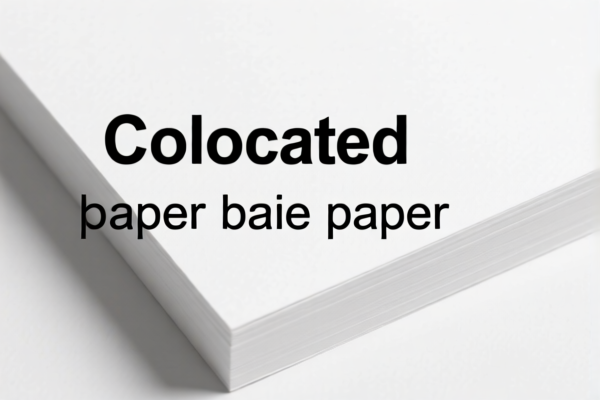
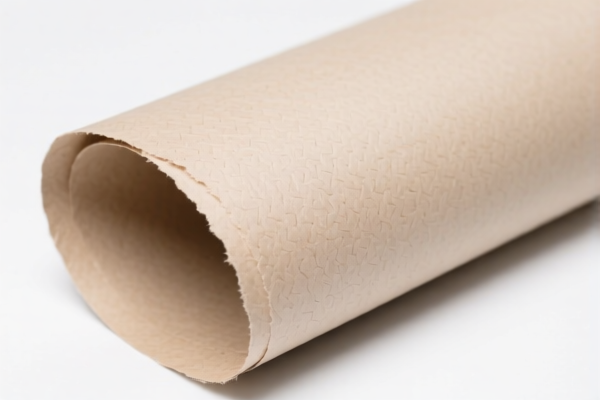
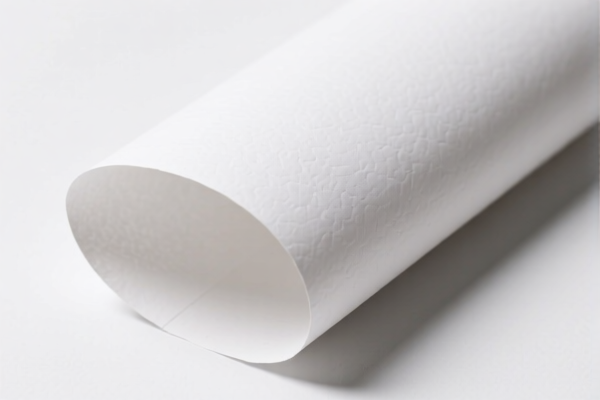
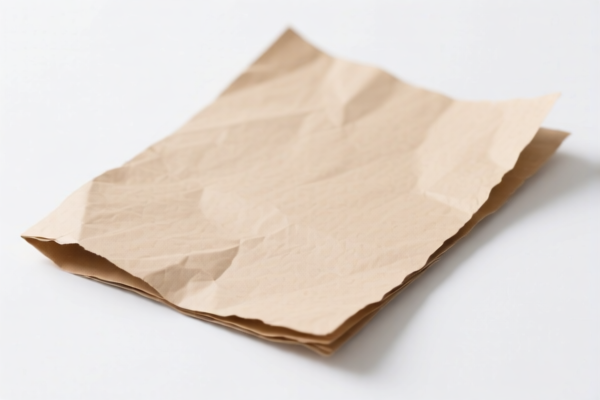
AI分析
🧻 Thermal Paper Base Paper Uncoated
🌐 HS Code Reference & Customs Clearance Guide | 2026 Latest Tariff Analysis | Professional Clearance Strategy
📌 I. Product Definition & Classification: Do You Really Know "Uncoated Thermal Base Paper"?
Thermal Paper Base Paper Uncoated refers to the foundational substrate used in the manufacturing of thermal receipt paper, fax paper, or POS labels. It is the "blank canvas" before the heat-sensitive coating is applied. In international trade, precise classification is critical because customs authorities distinguish between the base stock (raw material) and the finished coated product (consumer good), leading to vastly different tax liabilities.
⚠️ Key Distinction Point:
- If the paper is plain, uncoated, and not yet sensitized → It is generally classified under Chapter 48 as Base Paper or Printed Matter.
- If the paper already has the thermal coating applied → It is classified as Thermal Paper (Coated).
- Note: The provided data reflects scenarios where Customs or specific interpretations might classify uncoated base paper under broader "Base Paper" codes or treat it similarly to coated paper due to specific manufacturing intents.
📦 II. HS Code Classification Details (2026 Latest Tariff Authority Comparison)
The following HS Codes are derived from the provided data context, highlighting how different customs interpretations classify "Thermal Paper Base Paper Uncoated."
| HS Code | Product Description | Application Scenario | Why This Classification? |
|---|---|---|---|
4811.90.90.30 |
Thermal Paper (Matched Material & Core Use) | Raw materials for thermal receipts; classified based on "paper" material and "direct thermal coating" intent. | Key Logic: Matches material (paper) and core use (direct thermal coating application). Often applied to bases destined for thermal processing. |
4811.90.80.30 |
Thermal Paper (Direct Attribute Match) | High-sensitivity base paper; directly corresponds to "thermal" attributes. | Key Logic: Directly aligns with the core attribute "Thermal" and material "Paper," fitting the definition of thermal coated paper definition in some jurisdictions. |
4802.20.10.00 |
Base Paper for Sensitized Paper | Uncoated base paper used for optical, thermal, or electrical sensing. | Key Logic: Based on name consistency, matches "Base Paper" for "Thermal Paper." Used for thermal/sensitive applications. |
4802.20.20.00 |
Paper for Light/Heat/Electric Sensing | Uncoated base intended for conversion into sensitive paper. | Key Logic: Product name aligns with "Base paper for use as light-sensitive, heat-sensitive or electrically sensitive paper." |
4911.99.80.00 |
Other Printed Matter (Paper-based) | Treated as "printed matter" due to paper material, if viewed as a finished printing substrate. | Key Logic: Considered "Printed Matter," material is paper, fits "Other Printed Matter" attributes. |
🔍 Crucial Reminder:
- Base vs. Coated: While technically "uncoated," many customs systems may classify base paper under 4811 (if processed for thermal use) or 4802 (if purely base).
- Risk of Misclassification: Declaring uncoated base as 4911 (Printed Matter) is risky unless it has pre-printed content.
- Tariff Impact: The choice between 4811 and 4802 can affect the applicability of certain trade remedies.
💰 III. 2026 Latest Tariff Rate Breakdown (Including Surtaxes & Policy Add-ons)
✅ Applicable Country: United States (US)
✅ Origin: China (CN)
✅ Effective Date: November 10, 2025 (and subsequent imports)
🎯 1. 4811.90.90.30 & 4811.90.80.30 —— Thermal Paper / Heat-Sensitive Paper
| Item | Content |
|---|---|
| Base Rate | 0.0% (ad valorem) |
| USITC Surtax | +25.0% (Under Section 301 Tariffs) |
| 122 Clause Tariff | +10.0% (Specific trade provision for China-origin goods) |
| Total Tax Rate | 35.0% |
| Tax Calculation | CIF Value × 35% |
| De Minimis Exemption | ❌ Not Applicable (Denied due to high surtaxes) |
| Legal Path | USITC:4811.90.90.30 → Section 301: 25% + 122 Clause: 10% |
📌 Explanation:
- 35% Total: This is a high-cost classification.
- Breakdown: 25% is the standard Section 301 tariff on Chinese goods; 10% is the additional "122 Clause" tariff targeting specific Chinese industrial products.
- Implication: High tariffs make this category expensive for US importers. Supply chain diversification may be necessary.
🎯 2. 4802.20.10.00 & 4802.20.20.00 —— Base Paper for Sensitized Paper
| Item | Content |
|---|---|
| Base Rate | 0.0% (ad valorem) |
| USITC Surtax | +25.0% (Under Section 301 Tariffs) |
| 122 Clause Tariff | +10.0% (Specific trade provision for China-origin goods) |
| Total Tax Rate | 35.0% |
| Tax Calculation | CIF Value × 35% |
| De Minimis Exemption | ❌ Not Applicable |
| Legal Path | USITC:4802.20.10.00 → Section 301: 25% + 122 Clause: 10% |
📌 Note:
- Even though these are "base papers," if they are intended for thermal/sensitive use and originate from China, they fall under the same 35% punitive tariff structure.
- There is no preferential rate for base paper vs. finished thermal paper in this context.
🎯 3. 4911.99.80.00 —— Other Printed Matter
| Item | Content |
|---|---|
| Base Rate | 0.0% (ad valorem) |
| USITC Surtax | +7.5% (Under Section 301 Tariffs) |
| 122 Clause Tariff | +10.0% (Specific trade provision for China-origin goods) |
| Total Tax Rate | 17.5% |
| Tax Calculation | CIF Value × 17.5% |
| De Minimis Exemption | ❌ Not Applicable |
| Legal Path | USITC:4911.99.80.00 → Section 301: 7.5% + 122 Clause: 10% |
📌 Strategic Insight:
- Lower Rate?: This classification offers a lower total rate (17.5%) compared to 35%.
- Risk: Classifying "uncoated base paper" as "Printed Matter" (4911) is aggressive and risky. Customs may reject this if the paper is blank.
- Use Case: Only applicable if the paper has pre-printed text/logos or is considered a "printed article" rather than raw material.
- Recommendation: Do not use this code for blank uncoated paper to avoid customs delays, fines, or reclassification penalties.
🛠️ IV. Customs Clearance Practical Advice (Real-World Pitfall Guide)
✅ 1. Document Checklist (None are Optional)
| Document | Required | Explanation |
|---|---|---|
| ✅ Product Specification Sheet | ✔️ | Must clearly state: "Uncoated," "Base Paper," "Grammage," "Size," "Intended Use (Thermal)." |
| ✅ Photo of Product & Packaging | ✔️ | Show blank surface, no coating sheen, bulk rolls, or reels. |
| ✅ Commercial Invoice | ✔️ | Describe as "Thermal Paper Base Paper, Uncoated, Chinese Origin." |
| ✅ Certificate of Origin (CO) | ✔️ | Required for origin determination and tariff calculation. |
| ✅ Bill of Lading | ✔️ | Ensure weight and dimensions match invoice. |
| ✅ Manufacturing Process Statement | ✔️ | Confirm no thermal coating is applied at the factory of origin. |
✅ 2. Declaration Strategy (Key Mantra)
🔥 “Be Honest, Be Specific, Avoid ‘Printed’ if Blank!”
| Scenario | Correct Declaration | Wrong Practice |
|---|---|---|
| Blank Uncoated Base Paper | 4802.20.10.00 or 4811.90.90.30 |
Declare as 4911 (Printed) → High Audit Risk |
| Pre-printed Base Paper | 4911.99.80.00 (if applicable) |
Declare as 4802 → Underpayment of Tax |
| Coated Thermal Paper | 4811.90.80.30 |
Declare as Uncoated → Misclassification Fraud |
| Mixed Shipment | Separate HS Codes for each item | Bundle all under one code → Customs Seizure |
✅ 3. Special Case Handling
| Scenario | Handling Advice |
|---|---|
| OEM Base Paper | Provide end-user contract to prove "Intended Use" as thermal paper. |
| High-Gloss Uncoated | Clarify if "glossy" refers to surface finish (base) or coating. If no coating, it’s still base. |
| Recycled Base Paper | May qualify for different environmental regulations, but tariff rates remain 35% or 17.5% based on HS code. |
| Transshipment via Third Country | Danger! If shipped from Vietnam/Malaysia but Chinese origin, USITC still applies 35% if evidence of Chinese origin exists. |
🌍 V. Global Market Clearance Comparison (2026 Latest)
| Country/Region | Recommended HS Code | Tariff Rate | Certification Requirements | Notes |
|---|---|---|---|---|
| 🇺🇸 USA | 4811.90.90.30 / 4802.20.10.00 |
35% (Base) 17.5% (Printed*) |
FDA (if food contact), TSCA | *17.5% only if pre-printed. High risk for blank paper. |
| 🇨🇳 China | 4811.90.90.30 |
0%~5% | N/A | Export duty may apply. |
| 🇪🇺 EU | 4802.56.00 |
0%~10% | REACH, FSC (Sustainability) | EU uses 8-digit HS; rates vary by width/grammage. |
| 🇬🇧 UK | 4802.56.00 |
0%~10% | UKCA, REACH | Post-Brexit rules apply. |
| 🇦🇺 Australia | 4802.56.00 |
5% | GMark | No major surtaxes like US. |
📌 Conclusion:
- USA is the most expensive market due to Section 301 + 122 Clause tariffs.
- Blank Uncoated Paper faces a 35% tariff in the US.
- Pre-printed Paper (if legally justifiable) faces 17.5%, but requires strong evidence of "printed matter" status.
📌 VI. Common Errors & Pitfalls (Blood & Tears Lessons)
❌ Error 1: Declaring Blank Uncoated Base Paper as 4911.99.80.00 ("Printed Matter") to save 17.5%.
👉 Consequence: Customs will inspect, find no printing, reclassify to 4811 or 4802, and charge 35% + penalties + storage fees.
❌ Error 2: Failing to declare Chinese Origin when transshipped.
👉 Consequence: If origin is proven to be China, 35% surtax applies anyway, plus fraud penalties.
❌ Error 3: Confusing Uncoated Base with Coated Thermal Paper.
👉 Consequence: Both often fall under similar HS codes (4811), so tax is same, but product description mismatch causes delays.
❌ Error 4: Ignoring 122 Clause Tariff.
👉 Consequence: Many importers budget for 25% (Section 301) but forget the additional 10%, leading to underpayment and seizures.
✅ Correct Practice:
"Thermal Paper Base Paper, Uncoated, 50gsm, 80mm width, Chinese Origin, No Thermal Coating Applied, For Domestic Coating Only"
🎯 VII. Conclusion: Professional Declaration, Cost Control, Compliance!
🎯 Remember the Mantra:
🔹 "Blank Base = 35%, Printed = 17.5% (Risky), Origin Matters!"
🔹 "122 Clause adds 10%, don’t forget it!"
🔹 "Uncoated is not 'Printed' unless it has ink!"
📌 Pro Tip:
If your thermal paper base paper is sourced from Vietnam, Malaysia, or Thailand (and meets rules of origin), you may avoid USITC Section 301 and 122 Clause tariffs.
- Result: Tariff could drop to 0%~5% (Base Rate).
- Action: Ensure Country of Manufacture is certified, not just "Shipped From."
📣 Immediate Action:
📞 Consult a Customs Broker + Provide Product Photos + Apply for Advance Ruling if volume is high.
🚀 Let your thermal paper base clear smoothly, avoid 35% traps, and maximize profit!
✨ Professional Clearance Starts with Accurate Classification!
💼 Every cent of your cost deserves precise calculation!
用户评价
关于 HS 编码归类
协调制度(HS)是由世界海关组织(WCO)制定的国际贸易商品分类标准。全球 200 多个国家采用 HS 系统作为海关关税、贸易统计和进出口监管的基础。
每个 HS 编码遵循以下层级结构:
- 章(2 位)——商品大类(例如:第 84 章:机器和机械设备)
- 品目(4 位)——章内的更具体分类
- 子目(6 位)——国际通用细分,所有 WCO 成员国统一使用
- 本国细分(8-10 位)——各国自行扩展的细分编码,如美国 HTSUS 10 位编码
正确的 HS 编码归类对于顺利通关、准确缴纳关税和遵守贸易法规至关重要。错误归类可能导致海关延误、多缴关税或罚款。
从CN进口到US时,适用的关税税率可能包括:
- 最惠国(MFN)税率——适用于 WTO 成员国的标准关税税率
- 普通税率——适用于无贸易协定国家
- 贸易救济关税——附加关税,如 301 条款(反倾销)、232 条款(国家安全)或反补贴税
本页内容仅供参考。如需正式归类,请咨询当地海关或持牌报关代理。