Thick Plastic Elastic Band
CN → US| HS编码 | 关税税率 | 原产国 | 目的国 | 文档 |
|---|---|---|---|---|
| 3926909905 | 22.8% | CN | US | 官方文档 |
| 3926909989 | 22.8% | CN | US | 官方文档 |
| 5604100000 | 41.3% | CN | US | 官方文档 |
| 5903102010 | 35.0% | CN | US | 官方文档 |
| 5903102090 | 35.0% | CN | US | 官方文档 |
商品图片
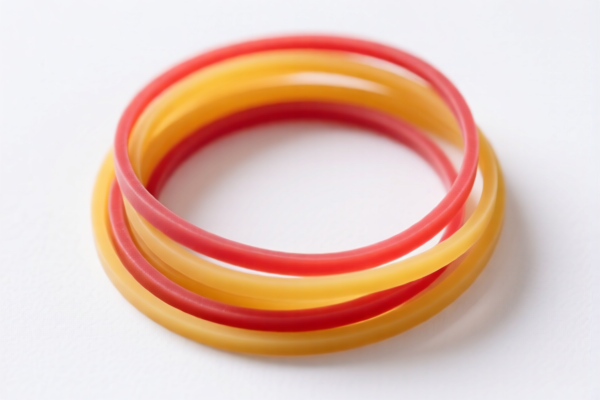
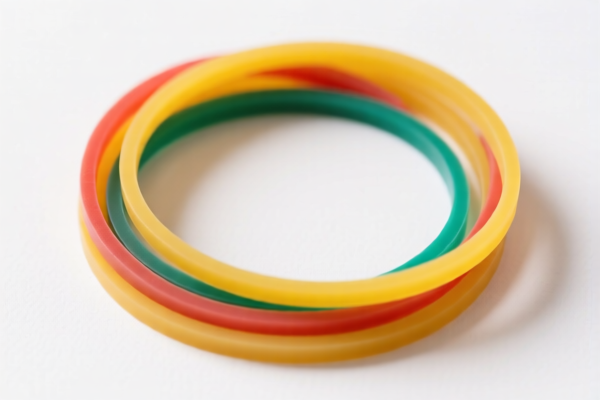
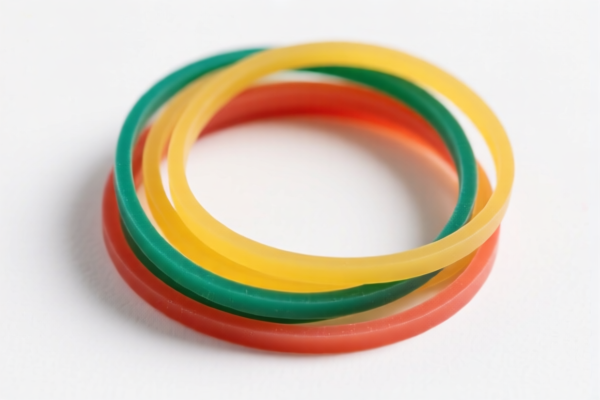
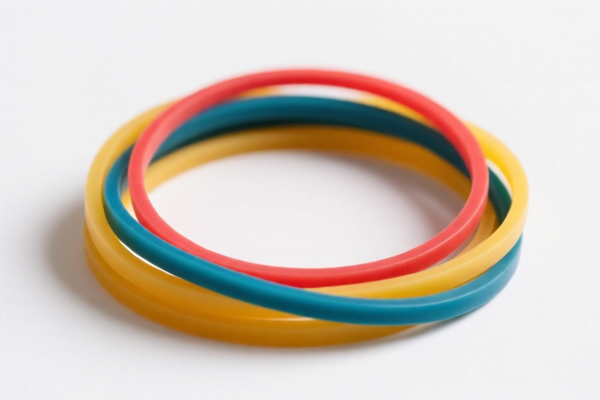
AI分析
🛡️ Thick Plastic Elastic Band (Corrosion-Resistant Elastomeric Straps)
🌐 HS Code Classification & Customs Clearance Guide | 2026 Tariff Structure | Strategic Import Strategy for US-China Trade
📌 I. Product Definition & Technical Characteristics: What is a "Thick Plastic Elastic Band"?
The "Thick Plastic Elastic Band" is an industrial or commercial component characterized by its elasticity, durability, and resistance to chemical corrosion. Unlike traditional textile straps, these bands are primarily composed of polymeric materials (such as PVC, PE, or specialized engineering plastics) or composite materials where plastic/rubber is the dominant structural element.
In international trade, classification hinges on the primary material and the manufacturing process: 1. Pure Plastic Bands: Made entirely of plastic, offering high chemical resistance. 2. Composite/Textile-Bound Bands: Textile fabrics coated, covered, or impregnated with plastic (PVC/Polyurethane) or rubber to provide elasticity.
⚠️ Critical Distinction Point:
- If the product is 100% plastic with no textile backing → Classified under Chapter 39 (Plastics).
- If the product involves textile fibers covered by plastic/rubber → Classified under Chapter 56 or 59 (Textiles/Impregnated Fabrics).
- Misclassification leads to severe duty penalties due to the different tax treatments for plastic vs. textile goods.
📦 II. HS Code Classification Matrix (2026 Tariff Data)
Based on the provided data, the following HS Codes apply to different variations of the product. Note that all entries are subject to significant additional tariffs for goods originating from China entering the US market.
| HS Code | Product Description | Key Material/Feature | Primary Classification Logic |
|--------|--------------------------|-----------------------------------------------|
| 3926.90.99.05 | Corrosion-Resistant Plastic Elastic Band | Pure plastic material, elastic band form | Matches "All-plastic elastic bands"; falls under "Other articles of plastics". |
| 3926.90.99.89 | Corrosion-Resistant Plastic Elastic Band | Contains plastic, unclassified other plastic product | Falls under "Other" unclassified plastic articles; broad plastic category. |
| 5604.10.00.00 | Elastic Band (Textile-Rubber/Plastic Composite) | Textile material covered by rubber or elastic yarn | Matches "Textile materials covered by rubber or elastic materials"; specific textile composite. |
| 5903.10.20.10 | Elastic Band (PVC-Rubber Textile Fabric) | Textile fabric impregnated/coated with PVC or rubber | Matches "Textile fabrics impregnated/coated with PVC or rubber". |
| 5903.10.20.90 | Elastic Band (Other Impregnated Textile) | Textile fabric, other impregnated/coated varieties | Matches "Other textile fabrics impregnated/coated/plastic" (not specifically PVC/rubber defined). |
🔍 Key Takeaway:
- Pure Plastic Items (3926...) generally have lower base duties but face the same heavy surcharges as textiles.
- Textile-Composite Items (5604...,5903...) are categorized by their textile nature but treated as "impregnated" goods, leading to higher base tariffs in some cases.
💰 III. 2026 Tariff Rate Breakdown (Detailed Tax Analysis)
✅ Applicable Context:
✅ Destination: United States (US)
✅ Origin: China (CN) (Inferred from "122 Clause" and "301 Clause" references in tax details)
✅ Effective Period: Current trade policies (Section 301 & IEEPA)
🎯 1. Plastic Category: 3926.90.99.05 & 3926.90.99.89
| Component | Rate | Legal Basis / Explanation |
|---|---|---|
| Base Duty | 5.3% | Standard MFN duty for "Other articles of plastics". |
| Section 301 Surcharge | 7.5% | Additional duty imposed on Chinese goods under Section 301 of the Trade Act. |
| IEEPA "122 Clause" Duty | 10.0% | Additional duty under the International Emergency Economic Powers Act (specifically targeting certain Chinese imports, often referred to as "122" or related executive orders). |
| Total Landed Tax | 22.8% | Sum of all components (5.3 + 7.5 + 10.0). |
📌 Analysis:
- The total tax burden of 22.8% is significant.
- These HS codes are favorable compared to textiles because the base duty (5.3%) is lower than textile counterparts (0% base for 5903, but 6.3% for 5604).
- De Minimis Exemption: ❌ NOT APPLICABLE. Goods from China under Section 301 and IEEPA are explicitly excluded from the $800 de minimis exemption (Section 321).
🎯 2. Textile-Composite Category: 5604.10.00.00
| Component | Rate | Legal Basis / Explanation |
|---|---|---|
| Base Duty | 6.3% | Duty for "Textile materials covered by rubber or elastic materials". |
| Section 301 Surcharge | 25.0% | Higher Section 301 surcharge applied to textile/harmonized system groups not covered by lower brackets. |
| IEEPA "122 Clause" Duty | 10.0% | Same IEEPA surcharge as above. |
| Total Landed Tax | 41.3% | Sum of all components (6.3 + 25.0 + 10.0). |
📌 Analysis:
- This is the highest tax bracket in the dataset.
- The 25% Section 301 duty is the primary driver.
- Importers must carefully verify if the product is truly a "textile covered by rubber" or a "plastic band" to avoid overpaying taxes due to incorrect classification.
🎯 3. Impregnated Textile Category: 5903.10.20.10 & 5903.10.20.90
| Component | Rate | Legal Basis / Explanation |
|---|---|---|
| Base Duty | 0.0% | Duty-free for certain "Other impregnated textile fabrics" or PVC-coated fabrics. |
| Section 301 Surcharge | 25.0% | High Section 301 surcharge applies to most textile chapters. |
| IEEPA "122 Clause" Duty | 10.0% | IEEPA surcharge applies. |
| Total Landed Tax | 35.0% | Sum of all components (0.0 + 25.0 + 10.0). |
📌 Analysis:
- Although the base duty is 0%, the 25% Section 301 makes it expensive.
- It is cheaper than the5604category (35% vs 41.3%) but more expensive than the pure plastic category (35% vs 22.8%).
- Crucial Note: The distinction between5903.10.20.10(PVC/Rubber specific) and5903.10.20.90(Other) does not affect the tax rate in this dataset, but affects technical compliance documentation.
🛠️ IV. Customs Clearance Strategic Recommendations
✅ 1. Material Verification is Paramount
To avoid the jump from 22.8% (Plastic) to 35-41% (Textile), you must rigorously define the product's composition.
- Scenario A: The band is solid plastic, flexible, and contains no woven fabric core.
👉 Action: Use 3926.90.99.05. This is the most cost-effective option.
- Scenario B: The band has a visible textile weave (nylon/polyester) coated with plastic/rubber.
👉 Action: Determine if it fits 5604 (covered by rubber/elastic) or 5903 (impregnated/coated). If the textile is merely a reinforcement layer and the plastic is the primary character, argue for 3926 if possible, but be prepared with physical samples and cross-section analysis.
✅ 2. Documentation Checklist for Smooth Clearance
| Document | Requirement | Why It Matters |
|---|---|---|
| Product Specification Sheet | Must specify % of plastic vs. textile content. | Customs officers use this to differentiate between Ch. 39 and Ch. 59/56. |
| Cross-Section Photos | High-res images showing the internal structure. | Proves if the product is "solid plastic" or "textile-covered". |
| Material Safety Data Sheet (MSDS) | For plastic/rubber components. | Required for chemical compliance (if applicable) and helps identify material type. |
| Commercial Invoice | Clearly state "Corrosion-Resistant Plastic Elastic Band" or "Textile Elastic Strap". | Inconsistent naming with HS code can trigger audits. |
| Country of Origin Certificate | Mandatory for US imports from China. | Required to calculate Section 301 and IEEPA duties accurately. |
✅ 3. Avoid Common Classification Pitfalls
| Mistake | Consequence | Correction |
|---|---|---|
| Misclassifying Plastic Bands as Textile | Paying 35-41% instead of 22.8%. | Provide evidence that the product is >50% plastic by weight or character. |
| Misclassifying Textile Bands as Plastic | Paying 22.8% instead of 35-41% → Severe Penalties. | Do not lie about composition. Use correct textile HS code. |
| Ignoring IEEPA "122" Clause | Unexpected 10% surcharge at border. | Pre-calculate the 10% IEEPA duty in your cost model. It is not negotiable. |
| Assuming De Minimis Applies | Package held at customs, fines incurred. | Remind your logistics partner: Section 301 goods do NOT qualify for $800 de minimis. |
🌍 V. Cost Optimization Strategy
- Prioritize
3926.90.99.05: If your product design allows, engineer the band to be 100% plastic without textile reinforcement. This saves ~12-18% in total duties compared to textile-based alternatives. - Supply Chain Diversification:
- Current data shows high tariffs for China-Origin goods.
- Strategy: Consider sourcing or assembling in Vietnam, Mexico, or Thailand if IEEPA/Section 301 exemptions apply to those regions (subject to specific rules of origin). Note: This data is specific to China-origin tariffs.
- Pre-Ruling Application:
- Submit a Binding Ruling Request to US CBP before the first shipment.
- Argument: "This product is primarily a plastic article (Ch 39) despite minor elastic properties."
- Benefit: Provides legal certainty and avoids retroactive audits.
📌 VI. Summary & Final Advice
| HS Code | Total Tax (CN→US) | Recommendation |
|---|---|---|
3926.90.99.05 |
22.8% | 🥇 BEST OPTION: Lowest tax. Use for pure plastic bands. |
3926.90.99.89 |
22.8% | 🥈 GOOD OPTION: Same tax as above, for unclassified plastic bands. |
5903.10.20.10 |
35.0% | 🥉 MEDIUM OPTION: For PVC-coated textiles. |
5903.10.20.90 |
35.0% | 🥉 MEDIUM OPTION: For other coated textiles. |
5604.10.00.00 |
41.3% | ❌ AVOID IF POSSIBLE: Highest tax. Reserved for rubber-covered textiles. |
🔥 Golden Rule:
"Plastic Character Wins: If it looks and feels like plastic, classify it under Chapter 39. Textile reinforcement does not automatically force Chapter 59/56 if the plastic provides the essential character."
📣 Immediate Action Required:
1. Analyze Product Material: Confirm if the band is pure plastic or textile-composite.
2. Select HS Code: Choose 3926.90.99.05 if pure plastic to save ~13%.
3. Update Financial Model: Factor in the 22.8% total duty rate (or higher if textile).
4. Consult Customs Broker: Verify "122 Clause" applicability and prepare documentation for US CBP.
✨ Professional customs clearance starts with precise material definition!
💼 Every percentage point saved in duty is pure profit!
用户评价
关于 HS 编码归类
协调制度(HS)是由世界海关组织(WCO)制定的国际贸易商品分类标准。全球 200 多个国家采用 HS 系统作为海关关税、贸易统计和进出口监管的基础。
每个 HS 编码遵循以下层级结构:
- 章(2 位)——商品大类(例如:第 84 章:机器和机械设备)
- 品目(4 位)——章内的更具体分类
- 子目(6 位)——国际通用细分,所有 WCO 成员国统一使用
- 本国细分(8-10 位)——各国自行扩展的细分编码,如美国 HTSUS 10 位编码
正确的 HS 编码归类对于顺利通关、准确缴纳关税和遵守贸易法规至关重要。错误归类可能导致海关延误、多缴关税或罚款。
从CN进口到US时,适用的关税税率可能包括:
- 最惠国(MFN)税率——适用于 WTO 成员国的标准关税税率
- 普通税率——适用于无贸易协定国家
- 贸易救济关税——附加关税,如 301 条款(反倾销)、232 条款(国家安全)或反补贴税
本页内容仅供参考。如需正式归类,请咨询当地海关或持牌报关代理。