Thickened Shoe Covers
CN → US| HS编码 | 关税税率 | 原产国 | 目的国 | 文档 |
|---|---|---|---|---|
| 6405209080 | 22.5% | CN | US | 官方文档 |
| 6307909891 | 24.5% | CN | US | 官方文档 |
| 6405902000 | 21.3% | CN | US | 官方文档 |
| 6307909875 | 17.0% | CN | US | 官方文档 |
| 3926201020 | 10.0% | CN | US | 官方文档 |
商品图片
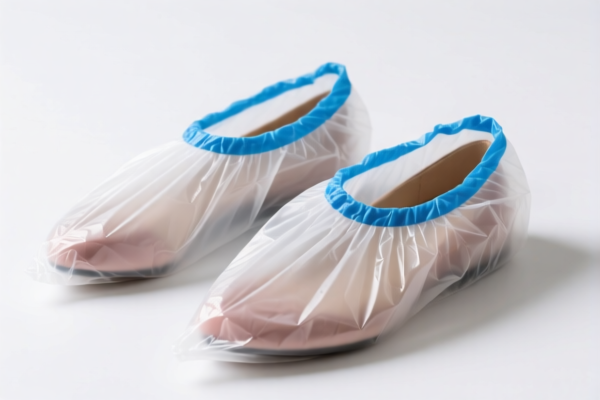


AI分析
👟 Thickened Shoe Covers: The Ultimate Guide to HS Codes, Tariffs & Customs Clearance | 2026 Strategy
🌐 HS Code Reference & Customs Clearance Guide | 2026 Latest Tariff Breakdown | Professional Entry Strategy
📌 Section 1: Product Definition & Classification – What Exactly is a "Thickened Shoe Cover"?
"Thickened Shoe Covers" are disposable or reusable protective footwear accessories designed to prevent contamination, moisture, or damage to floors and shoes. In international trade, their classification is highly sensitive to material composition and intended use.
They generally fall into two main categories: 1. Footwear Articles (Chapter 64): If the cover is designed to be worn directly on the foot as a temporary shoe alternative (e.g., industrial, medical, cleanroom). 2. Other Plastics/Articles (Chapter 39 or 63): If they are considered simple protective covers, industrial consumables, or "made-up" articles (not strictly footwear).
⚠️ Key Classification Distinction:
- If the item is HDPE/Plastic and treated as a footwear accessory → Chapter 64
- If the item is Plastic but treated as a general protective article → Chapter 39 or 63
- The tariff difference is massive (10% to 24.5%)!
📦 Section 2: HS Code Breakdown for "Thickened Shoe Covers" (2026 Authoritative Mapping)
Based on the provided dataset, here is the precise mapping for Thickened Shoe Covers with their specific tax profiles:
| HS Code | Product Description (Summary) | Material & Type | Applicable Scenario | Total Tax Rate |
|---|---|---|---|---|
| 6405.20.90.80 | High-Density Shoe Covers | High-Density Synthetic (PE/PP) | Footwear Accessory | 22.5% |
| 6307.90.98.91 | High-Density Shoe Covers | Plastic/Synthetic | General Made-up Article (Non-specific use) | 24.5% |
| 6405.90.20.00 | High-Density Shoe Covers | HDPE Plastic (Disposable) | Other Footwear (Disposable) | 21.3% |
| 6307.90.98.75 | High-Density Shoe Covers | Plastic (PE/PP) | Protective Made-up Article (Industrial) | 17.0% |
| 3926.20.10.20 | High-Density Shoe Covers | HDPE Plastic (Protective) | Plastic Articles (Disposable PPE) | 10.0% |
🔍 Critical Analysis:
- Lowest Rate:3926.20.10.20at 10% (Plastic Articles category).
- Highest Rate:6307.90.98.91at 24.5% (General Made-up).
- Footwear Category (64xx): Ranges from 21.3% to 22.5%.
- Protective Category (63xx): Ranges from 17.0% to 24.5%.
💰 Section 3: 2026 Tariff Rate Deep Dive (Including Surcharges & Policy Add-ons)
✅ Applicable Market: USA (US)
✅ Origin: China (CN)
✅ Effective Date: 2025-11-10 (Including subsequent imports)
🎯 1. 3926.20.10.20 – Plastic Articles (Disposable PPE)
Best for cost minimization if classified as "Plastic" rather than "Footwear"
| Item | Detail |
|---|---|
| Base Tariff | 0.0% |
| Added Tariff (Section 301) | 0.0% |
| Section 122 Tariff | +10.0% |
| Total Tax | 10.0% |
| Tax Calculation | CIF Value × 10% |
| De Minimis Exemption | ✅ Yes (Likely eligible depending on volume) |
| Legal Basis | 122 Section → 3926.20.10.20 |
📌 Interpretation:
- This is the most economical classification for high-density plastic shoe covers.
- The 10% tariff is solely driven by the "Section 122" clause (often related to supply chain security or specific material restrictions).
- Strategy: If your product is clearly a "plastic article" (e.g., bag-like, not shaped exactly like a shoe sole), fight for this code.
🎯 2. 6307.90.98.75 – Other Protective Made-up Articles
Mid-range option for industrial protection
| Item | Detail |
|---|---|
| Base Tariff | 7.0% |
| Added Tariff | 0.0% |
| Section 122 Tariff | +10.0% |
| Total Tax | 17.0% |
| Tax Calculation | CIF Value × 17% |
| De Minimis Exemption | ❌ No (Standard duty applies) |
| Legal Basis | 7.0% Base + 122 Section 10% |
📌 Interpretation:
- Ideal for industrial/reusable covers that fit under "Protective Articles".
- No Section 301 surcharge makes this safer than the 24.5% option.
🎯 3. 6405.90.20.00 – Other Footwear (Disposable)
Standard footwear classification
| Item | Detail |
|---|---|
| Base Tariff | 3.8% |
| Added Tariff (Section 301) | +7.5% |
| Section 122 Tariff | +10.0% |
| Total Tax | 21.3% |
| Tax Calculation | CIF Value × 21.3% |
| De Minimis Exemption | ❌ No |
| Legal Basis | Base 3.8% + Added 7.5% + 122 10% |
📌 Interpretation:
- Applies if the shoe cover is shaped specifically as a footwear item.
- The 7.5% Added Tariff is a Section 301 surcharge, increasing the cost.
🎯 4. 6405.20.90.80 – High-Density Shoe Covers (Footwear Accessory)
Specific high-density synthetic footwear
| Item | Detail |
|---|---|
| Base Tariff | 12.5% |
| Added Tariff | 0.0% |
| Section 122 Tariff | +10.0% |
| Total Tax | 22.5% |
| Tax Calculation | CIF Value × 22.5% |
| De Minimis Exemption | ❌ No |
| Legal Basis | Base 12.5% + 122 10% |
📌 Interpretation:
- High base tariff (12.5%) but no Section 301 added tax.
- Suitable for high-quality, durable synthetic covers treated as accessories.
🎯 5. 6307.90.98.91 – Other Made-up Articles (General)
Highest risk classification
| Item | Detail |
|---|---|
| Base Tariff | 7.0% |
| Added Tariff (Section 301) | +7.5% |
| Section 122 Tariff | +10.0% |
| Total Tax | 24.5% |
| Tax Calculation | CIF Value × 24.5% |
| De Minimis Exemption | ❌ No |
| Legal Basis | Base 7.0% + Added 7.5% + 122 10% |
📌 Interpretation:
- Avoid this code if possible. It carries the highest burden due to the combination of Base + Added + 122 tariffs.
- Typically used for generic "other" items without specific protective or footwear definition.
🛠️ Section 4: Customs Clearance Practical Advice (Avoiding Pitfalls)
✅ 1. Preparation Checklist (Non-negotiable)
| Document | Required | Why it Matters |
|---|---|---|
| Product Specification Sheet | ✅ | Must explicitly state material (HDPE, PP, PE) and thickness. |
| Photos (Unpacked) | ✅ | Show if it has a "shoe shape" (toe, heel) or is just a "bag" (affects Chapter 64 vs 39). |
| Packaging Artwork | ✅ | Labeling must match the HS Code description (e.g., "Plastic Article" vs "Shoe Cover"). |
| Commercial Invoice | ✅ | Description must be precise. Do NOT use vague terms like "Shoes". |
| Origin Certificate | ✅ | Critical for determining "Section 122" and "Section 301" applicability. |
✅ 2. Declaration Strategy (The "Golden Rule")
🔥 "Material Determines Chapter, Use Determines Subheading"
| Scenario | Recommended HS Code | Strategy |
|---|---|---|
| Disposable, Bag-like, HDPE | 3926.20.10.20 |
Target: Lowest Tax (10%). Argue it is a "Plastic Article". |
| Industrial Protective Cover | 6307.90.98.75 |
Target: Mid Tax (17%). Argue "Protective Made-up". |
| Disposable Shoe-shaped | 6405.90.20.00 |
Target: Footwear (21.3%). Standard for medical/cleanroom. |
| High-Density Synthetic Accessory | 6405.20.90.80 |
Target: Accessory (22.5%). If it's a "cover" for shoes, not a shoe itself. |
| Generic/Undefined | 6307.90.98.91 |
⚠️ AVOID unless no other description fits. Highest tax. |
✅ 3. Special Cases & Handling
| Situation | Handling Suggestion |
|---|---|
| "One-size-fits-all" Bags | Definitely classify under 3926 (Plastic Articles) to get the 10% rate. |
| Shaped Covers (with heel/toe) | Likely 6405 (Footwear). Do not try to force 3926. |
| Reinforced/High-Density | Can be argued as 6405.20 (Accessory) to avoid the 7.5% added tax. |
| Mixed Shipments | Separate packaging for 3926 vs 6405 to avoid customs confusion. |
🌍 Section 5: Global Market Comparison (2026 Outlook)
| Market | Best HS Code | Est. Rate (China Origin) | Key Requirement |
|---|---|---|---|
| 🇺🇸 USA | 3926.20.10.20 |
10% | Must be "Plastic Article" not "Shoe" |
| 🇨🇳 China | 6307.90.98.75 |
17% (Domestic) | Standard protective goods |
| 🇪🇺 EU | 6405.90.20.00 |
Variable | CE Marking, EN Standards |
| 🇯🇵 Japan | 6307.90.98.75 |
Variable | PSE Certification (if electric, not here) |
📌 Conclusion:
The USA is the most critical market here. The difference between 10% and 24.5% can destroy your profit margin.
Strategy: Prioritize classifying thickened shoe covers as Plastic Articles (3926) if they are bag-style, or Protective Articles (6307) if industrial. Avoid the general "Other Made-up" code unless necessary.
📌 Section 6: Common Mistakes & "Bleeding Wounds"
❌ Mistake 1: Calling everything "Shoes" or "Footwear"
👉 Result: If it's just a bag, Customs may force you into 6405, adding the 7.5% surcharge (Total 21.3% vs 10%).
Fix: Describe as "Plastic Protective Cover" in the invoice.
❌ Mistake 2: Using "Other Made-up" (6307.90.98.91)
👉 Result: You pay 24.5% (Highest rate).
Fix: Prove it is a Protective Article (6307.90.98.75) to drop to 17%.
❌ Mistake 3: Vague Material Description
👉 Result: Customs assumes "Footwear" (6405) by default if the shape suggests it.
Fix: Explicitly state "High-Density Polyethylene (HDPE)" and "Disposable".
🎯 Section 7: Conclusion – Precision Saves Money!
🎯 Remember the Golden Formula:
🔹 "Bag = Plastic (10%), Shaped = Shoe (21-22%), Industrial = Protect (17%)"
🔹 "Avoid 'Other' (6307.90.98.91) – It costs you 24.5%!"
📌 Pro Tip:
If you have large volume shipments, apply for a Binding Tariff Information (BTI) or Advance Ruling from US Customs and Border Protection (CBP) before shipping. This locks in your HS Code (preferably 3926.20.10.20) and eliminates surprise audits.
📣 Action Plan:
📞 Contact your freight forwarder + Send product photos + Confirm "Plastic Article" status
🚀 Secure the 10% rate. Ship with confidence. Maximize profit.
✨ Precision Classification, Professional Clearance!
💼 Every 1% in tariff savings is pure profit!
用户评价
关于 HS 编码归类
协调制度(HS)是由世界海关组织(WCO)制定的国际贸易商品分类标准。全球 200 多个国家采用 HS 系统作为海关关税、贸易统计和进出口监管的基础。
每个 HS 编码遵循以下层级结构:
- 章(2 位)——商品大类(例如:第 84 章:机器和机械设备)
- 品目(4 位)——章内的更具体分类
- 子目(6 位)——国际通用细分,所有 WCO 成员国统一使用
- 本国细分(8-10 位)——各国自行扩展的细分编码,如美国 HTSUS 10 位编码
正确的 HS 编码归类对于顺利通关、准确缴纳关税和遵守贸易法规至关重要。错误归类可能导致海关延误、多缴关税或罚款。
从CN进口到US时,适用的关税税率可能包括:
- 最惠国(MFN)税率——适用于 WTO 成员国的标准关税税率
- 普通税率——适用于无贸易协定国家
- 贸易救济关税——附加关税,如 301 条款(反倾销)、232 条款(国家安全)或反补贴税
本页内容仅供参考。如需正式归类,请咨询当地海关或持牌报关代理。