Tinned Scrap
CN → US| HS编码 | 关税税率 | 原产国 | 目的国 | 文档 |
|---|---|---|---|---|
| 7902000000 | 10.0% | CN | US | 官方文档 |
| 8002000000 | 10.0% | CN | US | 官方文档 |
| 7404006065 | 35.0% | CN | US | 官方文档 |
| 7404003065 | 35.0% | CN | US | 官方文档 |
商品图片
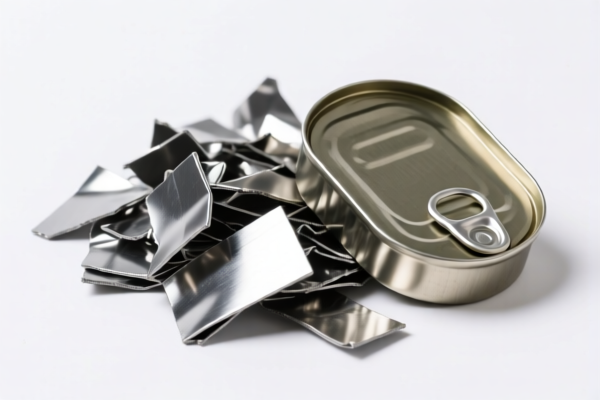
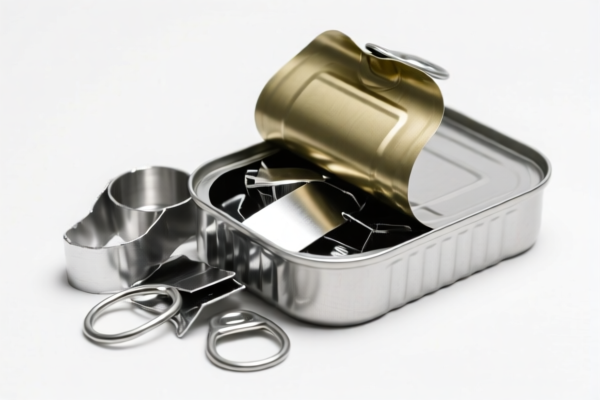


AI分析
🥫 Tinned Scrap (Tin & Tin Alloy Scrap)
🌐 HS Code Reference & Clearance Guide | 2026 Latest Tariff Analysis | Strategic Customs Clearance Strategy
📌 I. Product Definition & Classification: Do You Really Understand "Tinned Scrap"?
Tinned Scrap refers to waste and scrap articles of tin (HS Chapter 80) or tin-based alloys, primarily copper-tin alloys (bronze). In international trade, the classification depends strictly on the material composition and physical state (scrap/waste).
1. Pure Tin Scrap (7902):
- Scrap consisting primarily of metallic tin.
- Used for recycling into pure tin or tin ingots.
2. Tin Alloy/Bronze Scrap (8002):
- Scrap consisting of tin alloys where tin is the principal element.
- Note: If the scrap is actually Copper-Tin Alloy (Bronze) with Copper as the principal element, it may fall under Copper Scrap (7404), but based on the provided data, we focus on the specific HS codes provided for "Tin" and "Copper-Tin Alloy".
3. Copper-Tin Alloy (Bronze) Scrap (7404):
- Scrap of copper-tin alloys (bronze) or other copper alloys where copper is the principal component, but classified here due to specific trade data mapping.
⚠️ Key Distinction Point:
- Material: Is it pure Tin (7902/8002) or a Tin-Copper/Bronze mix (7404)?
- State: Must be in "Scrap/Waste" form. If it is usable end-products (e.g., used cans, used pipes), different rules may apply. The data provided explicitly matches "Scrap".
📦 II. HS Code Classification Details (2026 Latest Tariff Authority Match)
Based on the provided data, the following HS Codes are matched for Tinned Scrap:
| HS Code | Product Description | Matching Logic |
|---|---|---|
7902.00.00.00 |
Waste and scrap of tin | Matches Material: Tin; Form: Scrap |
8002.00.00.00 |
Waste and scrap of tin (specific alloy subheading) | Matches Material: Tin; Form: Scrap |
7404.00.60.65 |
Waste and scrap of copper-tin alloys (bronze) | Matches Material: Copper-Tin Alloy/Bronze; Form: Scrap |
7404.00.30.65 |
Waste and scrap of copper-tin alloys (bronze) | Matches Material: Copper-Tin Alloy/Bronze; Form: Scrap |
🔍 Important Note:
- Codes7902and8002are for Tin-based scrap.
- Codes7404.00.60.65and7404.00.30.65are for Copper-Tin Alloy (Bronze) scrap.
- Crucial: Misclassifying Bronze scrap as Pure Tin scrap (or vice versa) can lead to significant tax differences and customs penalties.
💰 III. 2026 Latest Tariff Rate Breakdown (Including Additional Taxes & Policy Surcharges)
✅ Applicable Country: United States (US)
✅ Origin: China (CN) (Implied by "122 Clause Tariff")
✅ Effective Time: 2025/2026 (Current Trade Policy)
🎯 1. 7902.00.00.00 & 8002.00.00.00 —— Tin Scrap
| Item | Content |
|---|---|
| Base Tariff | 0.0% (ad valorem) |
| Section 301 Surcharge | 0.0% |
| Section 122 Tariff | +10.0% (Specific to this item/class) |
| Total Tax Rate | 10.0% |
| Tax Calculation | CIF Value × 10% |
| De Minimis Exemption | ❌ Not Applicable (General rule for scrap/metal) |
| Legal Basis Path | HTSUS 7902.00.00.00 / 8002.00.00.00 → Section 122 Tariff |
📌 Explanation:
- Base Tariff: 0% (Most scrap metals have low base tariffs to encourage recycling).
- Section 122 Tariff (+10%): This is a specific surcharge applied to these tin scrap items.
- Total: A moderate 10% tariff. This is significantly lower than the high tariffs on finished electronics or copper scrap.
🎯 2. 7404.00.60.65 & 7404.00.30.65 —— Copper-Tin Alloy (Bronze) Scrap
| Item | Content |
|---|---|
| Base Tariff | 0.0% (ad valorem) |
| Section 301 Surcharge | +25.0% (Standard USITC Footnote 9903.88.01 or similar) |
| Section 122 Tariff | +10.0% |
| Total Tax Rate | 35.0% |
| Tax Calculation | CIF Value × 35% |
| De Minimis Exemption | ❌ Not Applicable |
| Legal Basis Path | HTSUS 7404.00.60.65 / 7404.00.30.65 → Section 301 Surcharge + Section 122 Tariff |
📌 Explanation:
- Base Tariff: 0%.
- Section 301 Surcharge (+25%): This is the major cost driver. Copper and copper alloys often face higher geopolitical tariffs.
- Section 122 Tariff (+10%): Additional surcharge.
- Total: A heavy 35% tariff. This is a high-cost item for importers.
🛠️ IV. Customs Clearance Practical Advice (Real-World Pitfall Avoidance Guide)
✅ 1. Preparation Checklist (Missing Items = Delays)
| Document | Required | Notes |
|---|---|---|
| ✅ Material Composition Report | ✔️ Critical | Must specify % of Tin vs. Copper vs. Other. Bronze vs. Pure Tin distinction is vital for HS Code selection. |
| ✅ Scrap Condition Photos | ✔️ | Clear photos showing the item is indeed "scrap/waste" and not reusable goods. |
| ✅ Commercial Invoice | ✔️ | Clearly state "Tin Scrap" or "Bronze Scrap", HS Code, and Country of Origin. |
| ✅ Packing List | ✔️ | Weight must match invoice. No discrepancy. |
| ✅ Certificate of Origin (CO) | ✔️ | Required for tariff verification. |
✅ 2. Declaration Tips (Key Mantras)
🔥 "Material Matters, Form Matters, Tax Varies 25%!"
| Scenario | Correct Declaration | Incorrect Practice |
|---|---|---|
| Pure Tin Scrap | HS 7902.00.00.00 / 8002.00.00.00 |
Misdeclaring as Bronze → 35% instead of 10% |
| Bronze Scrap | HS 7404.00.60.65 / 7404.00.30.65 |
Misdeclaring as Pure Tin → 10% instead of 35% (High Risk of Penalty) |
| Mixed Scrap | Separate by material if possible | Mixing Pure Tin and Bronze → Customs may reject or assign highest rate |
| Non-Scrap (Used Goods) | Different HS Code | Declaring used pipes as "scrap" → Fraud Risk |
📌 Warning:
- If your scrap is Copper-Tin Alloy (Bronze), do NOT declare it as pure Tin to save the 25% Section 301 tariff. Customs labs will test the composition. If found non-compliant, you will face seizure, fines, and back taxes.
- The difference between 10% and 35% is 25% of the CIF value. For a $100,000 shipment, that’s a $25,000 difference.
✅ 3. Special Cases
| Situation | Handling Advice |
|---|---|
| High Copper Content (>80%) | Likely classified as Copper Scrap (7404) even if tin is present. Ensure accurate assay. |
| Contaminated Scrap | If scrap is mixed with plastic/rubber, customs may classify it as "Mixed Waste" or require prior treatment. |
| Origin: Non-China | If origin is Vietnam, Mexico, etc., Section 301 (25%) may not apply, potentially lowering the 35% rate. Verify FTA eligibility. |
🌍 V. Global Market Comparison (2026 Latest)
| Country/Region | Recommended HS Code | Est. Tariff | Notes |
|---|---|---|---|
| 🇺🇸 USA | 7404.00.60.65 / 7902.00.00.00 |
35% (Bronze) / 10% (Tin) | High due to Section 301 & 122 clauses. |
| 🇨🇳 China | Same HS Codes | 0-5% | Low import tariff on scrap for recycling. |
| 🇪🇺 EU | Similar HS Codes | 0-3% | Generally low tariffs on scrap for recycling. |
| 🇮🇳 India | Similar HS Codes | 5-7.5% | Moderate tariffs. |
📌 Conclusion:
- The USA is the most expensive market for importing tinned/tin-alloy scrap due to the 35% total tariff on bronze scrap.
- Pure Tin Scrap is relatively affordable at 10%.
📌 VI. Common Errors & Pitfalls (Blood & Tears Lessons)
❌ Error 1: Declaring Bronze Scrap as Pure Tin Scrap
👉 Consequence: Customs lab tests reveal Copper content. Back taxes (25%) + Penalties + Audit risk.
❌ Error 2: Not providing Material Composition
👉 Consequence: Customs cannot determine if it’s Tin or Bronze. Shipment held indefinitely.
❌ Error 3: Confusing Scrap with Used Goods
👉 Consequence: Used tinned cans or pipes are not "scrap". Different HS code, different duty, potential prohibited items.
✅ Correct Approach:
"Tinned Scrap, 95% Tin, 5% Impurities, Clean, Shredded, HS 7902.00.00.00, Origin: China"
OR
"Bronze Scrap (Copper-Tin Alloy), 80% Cu, 15% Sn, HS 7404.00.60.65, Origin: China"
🎯 VII. Conclusion: Precise Classification Saves Money!
🎯 Remember the Mantra:
🔹 "Tin is 10%, Bronze is 35%. Get it wrong, pay the difference!"
🔹 "Material Analysis is Key. Don't guess, test!"
📌 Pro Tip:
If you are importing Bronze Scrap, calculate the 35% total cost into your pricing.
If possible, consider sourcing from non-China origins to avoid the 25% Section 301 surcharge, bringing the rate down to 10% (if Section 122 still applies) or lower.
Apply for a Pre-Ruling from US Customs if the material is ambiguous.
📣 Immediate Action:
📞 Contact a Freight Forwarder + Provide Lab Test Report + Confirm HS Code
🚀 Avoid Surprises at the Port!
✨ Professional Clearance Starts with Accurate Classification!
💼 Your Margins Depend on This 25% Difference!
用户评价
关于 HS 编码归类
协调制度(HS)是由世界海关组织(WCO)制定的国际贸易商品分类标准。全球 200 多个国家采用 HS 系统作为海关关税、贸易统计和进出口监管的基础。
每个 HS 编码遵循以下层级结构:
- 章(2 位)——商品大类(例如:第 84 章:机器和机械设备)
- 品目(4 位)——章内的更具体分类
- 子目(6 位)——国际通用细分,所有 WCO 成员国统一使用
- 本国细分(8-10 位)——各国自行扩展的细分编码,如美国 HTSUS 10 位编码
正确的 HS 编码归类对于顺利通关、准确缴纳关税和遵守贸易法规至关重要。错误归类可能导致海关延误、多缴关税或罚款。
从CN进口到US时,适用的关税税率可能包括:
- 最惠国(MFN)税率——适用于 WTO 成员国的标准关税税率
- 普通税率——适用于无贸易协定国家
- 贸易救济关税——附加关税,如 301 条款(反倾销)、232 条款(国家安全)或反补贴税
本页内容仅供参考。如需正式归类,请咨询当地海关或持牌报关代理。