Tissue Paper for Gift
CN → US| HS编码 | 关税税率 | 原产国 | 目的国 | 文档 |
|---|---|---|---|---|
| 4819200040 | 35.0% | CN | US | 官方文档 |
| 4202995000 | 42.8% | CN | US | 官方文档 |
| 4202999000 | 55.0% | CN | US | 官方文档 |
| 3923210095 | 38.0% | CN | US | 官方文档 |
| 3923290000 | 38.0% | CN | US | 官方文档 |
| 4819504060 | 35.0% | CN | US | 官方文档 |
商品图片
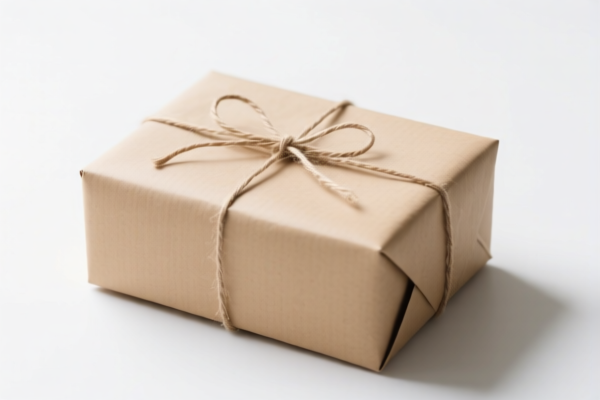
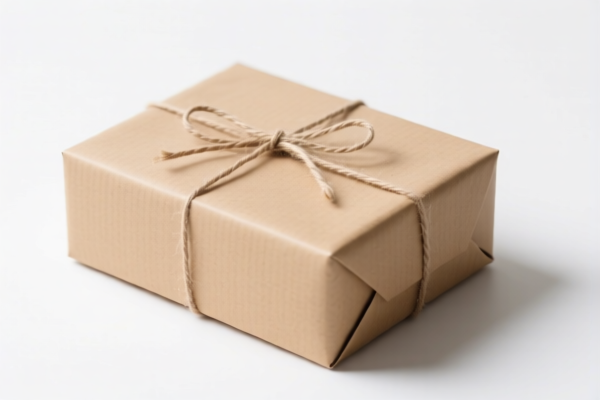
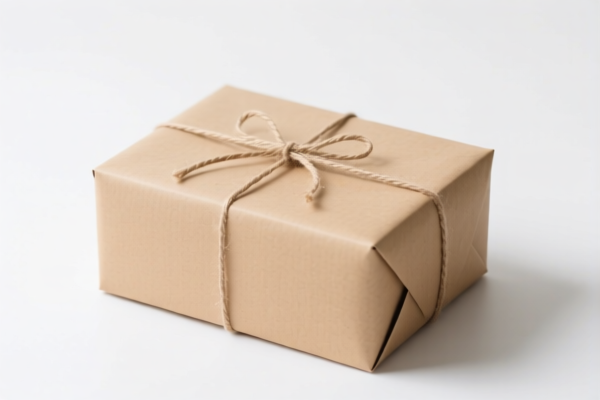
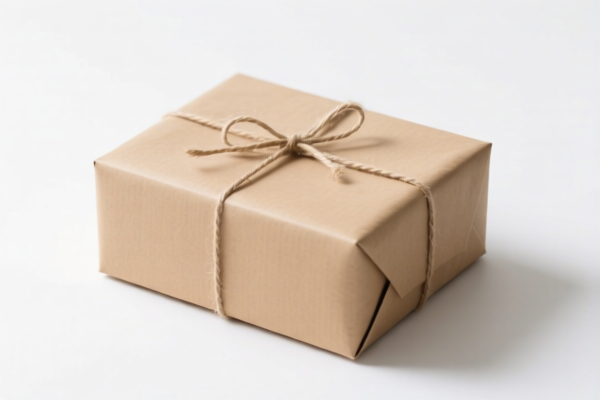
AI分析
🎁 Tissue Paper for Gift (Gift Wrapping & Packaging)
🌐 HS Code Reference & Customs Clearance Guide | 2026 Latest Tariff Analysis | Professional Strategy for Low-Value Imports
📌 I. Product Definition & Classification: What Exactly is "Tissue Paper for Gift"?
"Tissue Paper for Gift" in international trade is not a single, monolithic item. It is a broad category encompassing various packaging materials used to wrap or contain gifts. The key to accurate classification lies in the material composition and structural form:
1. Paper-Based Wrapping:
Non-Wrinkled Paper/Paperboard: Plain or colored sheets used for wrapping.
* Paper Containers:* Folded paper bags, boxes, or pouches.
2. Plastic-Based Wrapping:
Plastic Bags/Sheets:* Thin polyethylene or polypropylene films used for wrapping or as inner liners.
3. Mixed/Material-Specific Containers:
Paper-Coated Containers: Containers primarily covered by paper.
* Mixed Material Bags:* Containers made of paper, plastic, and textile fibers combined.
⚠️ Critical Distinction Point:
- If the item is loose sheets of paper → Look at Chapter 48.
- If the item is a finished bag/container → Look at Chapter 42 or 39.
- If it is plastic film/bags → Look at Chapter 39.
- Misclassification Risk: Declaring a plastic gift bag as "tissue paper" to avoid higher taxes will result in customs delays, fines, or forced reclassification.
📦 II. HS Code Classification Details (2026 Latest Tariff Matrix)
Below are the specific HS Codes derived from the provided dataset, categorized by material and structure.
| HS Code | Product Description | Application Scenario | Material Focus |
|---|---|---|---|
4819.20.00.40 |
Non-wrinkled Paper/Paperboard Containers | Paper wrapping sheets, non-rigid paper gift boxes, plain paper wraps. | Paper/Paperboard |
4202.99.50.00 |
Containers Covered Primarily by Paper | Gift bags where the structural body is paper but may have paper coating/finish; paper-based gift packaging. | Paper-Primary |
4202.99.90.00 |
Other Containers/Packaging (Mixed Materials) | Gift boxes/bags made of cardboard, plastic laminates, or textile-paper blends. | Mixed (Cardboard/Plastic/Textile) |
3923.21.00.95 |
Plastic Bags/Packaging (Polyethylene) | Thin plastic gift bags, cellophane wraps, PE film rolls. | Plastic (PE) |
3923.29.00.00 |
Other Plastic Bags/Sacks | Other plastic pouches, ziplock gift bags, non-PE plastic wraps. | Plastic (Other) |
4819.50.40.60 |
Other Paper/Cardboard Containers | General paper packaging, cardboard boxes,兜底 (catch-all) for paper packaging not elsewhere specified. | Paper/Cardboard |
🔍 Key Insight:
-4819.20.00.40and4819.50.40.60are for pure paper items.
-4202.99.50.00and4202.99.90.00are for constructed containers (bags/boxes) where paper is dominant or part of a mixed material structure.
-3923.21.00.95and3923.29.00.00are exclusively for plastic packaging.
💰 III. 2026 Latest Tariff Rate Breakdown (China Origin → USA)
✅ Applicable Country: United States (US)
✅ Origin: China (CN)
✅ Effective Date: Post-2025 (Includes Section 301 & IEEPA Surcharges)
🎯 1. Paper-Based Items (4819.20.00.40, 4819.50.40.60)
These items benefit from lower base duties but still face significant US surcharges.
| Item | Detail |
|---|---|
| Base Tariff | 0.0% (Ad Valorem) |
| Section 301 Surcharge | +25.0% |
| Section 122/IEEPA Surcharge | +10.0% |
| Total Effective Rate | 35.0% |
| Tax Calculation | CIF Value × 35% |
| De Minimis Exemption | ❌ NOT Eligible (Deny De Minimis) |
| Legal Basis | USITC:4819.xxxx → Sec301: 25% + IEEPA: 10% |
📌 Explanation:
- Base duty is 0% because paper packaging often falls under free-entry categories for certain papers.
- However, the 25% Section 301 tariff applies to Chinese goods.
- The 10% IEEPA/Section 122 tariff applies specifically to Chinese-origin goods.
- Total: 35%. This is a high cost for low-margin paper gifts.
🎯 2. Paper-Primary Containers (4202.99.50.00)
A middle-ground category for constructed paper gift bags/boxes.
| Item | Detail |
|---|---|
| Base Tariff | 7.8% (Ad Valorem) |
| Section 301 Surcharge | +25.0% |
| Section 122/IEEPA Surcharge | +10.0% |
| Total Effective Rate | 42.8% |
| Tax Calculation | CIF Value × 42.8% |
| De Minimis Exemption | ❌ NOT Eligible (Deny De Minimis) |
| Legal Basis | USITC:4202.99.50.00 → Sec301: 25% + IEEPA: 10% |
📌 Explanation:
- Higher base duty (7.8%) because it is classified as a "container" (Chapter 42) rather than raw paper.
- Surcharges remain the same (25% + 10%).
- Total: 42.8%.
🎯 3. Mixed Material Containers (4202.99.90.00)
This is the most expensive category for paper-based structures due to the "Other" classification.
| Item | Detail |
|---|---|
| Base Tariff | 20.0% (Ad Valorem) |
| Section 301 Surcharge | +25.0% |
| Section 122/IEEPA Surcharge | +10.0% |
| Total Effective Rate | 55.0% |
| Tax Calculation | CIF Value × 55.0% |
| De Minimis Exemption | ❌ NOT Eligible (Deny De Minimis) |
| Legal Basis | USITC:4202.99.90.00 → Sec301: 25% + IEEPA: 10% |
📌 Explanation:
- Base duty is high (20%) for "Other" containers in Chapter 42.
- Total: 55%. This is prohibitively expensive for most gift packaging unless it is a luxury item with high margins.
🎯 4. Plastic-Based Items (3923.21.00.95, 3923.29.00.00)
Plastic gift bags and wraps.
| Item | Detail |
|---|---|
| Base Tariff | 3.0% (Ad Valorem) |
| Section 301 Surcharge | +25.0% |
| Section 122/IEEPA Surcharge | +10.0% |
| Total Effective Rate | 38.0% |
| Tax Calculation | CIF Value × 38.0% |
| De Minimis Exemption | ❌ NOT Eligible (Deny De Minimis) |
| Legal Basis | USITC:3923.2x → Sec301: 25% + IEEPA: 10% |
📌 Explanation:
- Base duty is low (3.0%) for general plastic bags.
- Surcharges apply identically.
- Total: 38%.
🛠️ IV. Customs Clearance Practical Advice (Avoiding Pitfalls)
✅ 1. Documentation Checklist (Mandatory)
| Document | Required? | Notes |
|---|---|---|
| Product Specification Sheet | ✅ Yes | Must specify: Material (Paper/Plastic), Weight, Dimensions, Usage (Gift Wrap/Bag). |
| Commercial Invoice | ✅ Yes | Must clearly state: "Tissue Paper for Gift," "Plastic Gift Bags," or "Paper Gift Boxes." Do not use vague terms like "Stationery." |
| Packing List | ✅ Yes | Detail quantity and weight. |
| Material Composition Proof | ✅ Yes | If claiming 4819 (Paper), prove it contains >90% paper content. If 3923, prove plastic content. |
| Third-Party Lab Report | Optional | Recommended for disputed classifications (e.g., Paper-Coated Plastic). |
✅ 2. Declaration Strategy (Key Rules)
🔥 "Material Dictates Code, Structure Dictates Chapter, Honesty Saves Money!"
| Scenario | Correct Declaration | Incorrect Declaration | Consequence |
|---|---|---|---|
| Loose Tissue Paper Sheets | HS 4819.20.00.40 (35%) |
Misdeclare as 4819.50 (35%) or 4202 (42.8%) |
No saving, but risk of penalty if mislabeled as "bag." |
| Paper Gift Bags | HS 4202.99.50.00 (42.8%) |
Misdeclare as 4819 (Paper Sheets) |
Customs Rejection. If it has handles/structure, it's Chapter 42. |
| Plastic Cellophane Wrap | HS 3923.21.00.95 (38%) |
Misdeclare as 4819 (Paper) |
Severe Penalty. Plastic is distinct from paper. |
| Cardboard Gift Box | HS 4202.99.90.00 (55%) |
Misdeclare as 4819 |
High Risk. Rigid boxes often fall under "Containers." |
✅ 3. Special Considerations
| Situation | Advice |
|---|---|
| Mixed Material Bags (e.g., Paper exterior, Plastic lining) | Declare under 4202.99.90.00 (55%) if the plastic lining is structural. Do not try to split the line item unless permitted by customs broker. |
| De Minimis (Section 321) | DO NOT USE. All HS codes listed above are subject to 301/IEEPA surcharges, which block the $800 de minimis exemption for Chinese goods. Every single item is taxed. |
| Luxury Gift Packaging | If the packaging is high-value (e.g., velvet-lined, metal accents), it may not be "Tissue Paper" at all but "General Goods" or "Household Items," which could have different rates. Consult a broker. |
🌍 V. Global Market Comparison (2026)
| Market | Recommended HS Code | Base Duty | US Surcharges | Total (China Origin) | Note |
|---|---|---|---|---|---|
| 🇺🇸 USA | 4819.20.00.40 / 3923.21.00.95 |
0% - 3% | +35% (25+10) | 35% - 38% | Highest effective cost. |
| 🇨🇳 China | 4819.20.00.40 |
7% - 12% | None | 7% - 12% | Low cost for import into China. |
| 🇪🇺 EU | 4819.20.00 |
6.5% - 8% | None | ~6.5% - 8% | No 301/IEEPA tariffs. |
| 🇬🇧 UK | 4819.20.00 |
6.5% | None | ~6.5% | Post-Brexit tariffs. |
📌 Conclusion:
- The US market is exceptionally expensive for Chinese-origin gift packaging due to the 35%+ effective tariff.
- For the US, consider sourcing from Vietnam, Mexico, or EU to avoid Section 301/IEEPA surcharges (if eligible).
- For domestic US consumption, consider recycled paper options which may have different environmental certification benefits but same tariff base.
📌 VI. Common Errors & Pitfalls (Blood Lessons)
❌ Error 1: Declaring Plastic Gift Bags as "Tissue Paper"
👉 Result: Customs flags discrepancy. Re-classification to 3923 (38%) + Penalties.
❌ Error 2: Assuming De Minimis ($800 exemption) applies
👉 Result: FAIL. All Chinese gift packaging HS codes listed here are subject to Section 301/IEEPA, which overrides de minimis. Every dollar is taxed.
❌ Error 3: Mixing Paper Sheets and Plastic Bags in one shipment
👉 Result: Must declare separately. If mixed, customs may audit the entire shipment or assign the highest duty rate to all items.
✅ Correct Approach:
"Tissue Paper, Non-Wrinkled, for Gift Wrapping, 100% Wood Pulp, White, 500 Sheets" →
4819.20.00.40
"Plastic Gift Bags, Polyethylene, Clear, 10x12 inches" →3923.21.00.95
🎯 VII. Conclusion: Professional Clearance, Cost Optimization!
🎯 Remember the Mantra:
🔹 "Paper is 35%, Plastic is 38%, Mixed Bags are 55%. No De Minimis!"
🔹 "Structure matters: Sheets vs. Bags. Material matters: Paper vs. Plastic."
🔹 "Chinese Origin = Surcharge. Plan for 35%+ tax in the US."
📌 Pro Tip:
If you are importing large volumes of gift packaging to the US, negotiate FOB prices with suppliers to offset the 35-55% tariff cost, or explore third-country manufacturing (e.g., Vietnam, Thailand) to bypass Section 301 tariffs.
📣 Immediate Action:
📞 Contact a Licensed Customs Broker: Provide product photos and material specs.
🚀 Apply for Advance Ruling: Confirm HS Code classification before shipping to avoid clearance delays.
💼 Calculate Landed Cost: Include 35%+ tax in your pricing model. Do not underestimate!
✨ Professional Clearance Starts with Accurate Classification!
💼 Your Every Dollar, Accurately Calculated!
用户评价
关于 HS 编码归类
协调制度(HS)是由世界海关组织(WCO)制定的国际贸易商品分类标准。全球 200 多个国家采用 HS 系统作为海关关税、贸易统计和进出口监管的基础。
每个 HS 编码遵循以下层级结构:
- 章(2 位)——商品大类(例如:第 84 章:机器和机械设备)
- 品目(4 位)——章内的更具体分类
- 子目(6 位)——国际通用细分,所有 WCO 成员国统一使用
- 本国细分(8-10 位)——各国自行扩展的细分编码,如美国 HTSUS 10 位编码
正确的 HS 编码归类对于顺利通关、准确缴纳关税和遵守贸易法规至关重要。错误归类可能导致海关延误、多缴关税或罚款。
从CN进口到US时,适用的关税税率可能包括:
- 最惠国(MFN)税率——适用于 WTO 成员国的标准关税税率
- 普通税率——适用于无贸易协定国家
- 贸易救济关税——附加关税,如 301 条款(反倾销)、232 条款(国家安全)或反补贴税
本页内容仅供参考。如需正式归类,请咨询当地海关或持牌报关代理。