Titanium Tungsten Catalyst
CN → US| HS编码 | 关税税率 | 原产国 | 目的国 | 文档 |
|---|---|---|---|---|
| 3815901000 | 41.5% | CN | US | 官方文档 |
| 3815905000 | 40.0% | CN | US | 官方文档 |
| 2841800050 | 40.5% | CN | US | 官方文档 |
| 2825903000 | 40.5% | CN | US | 官方文档 |
| 2825909000 | 38.7% | CN | US | 官方文档 |
商品图片
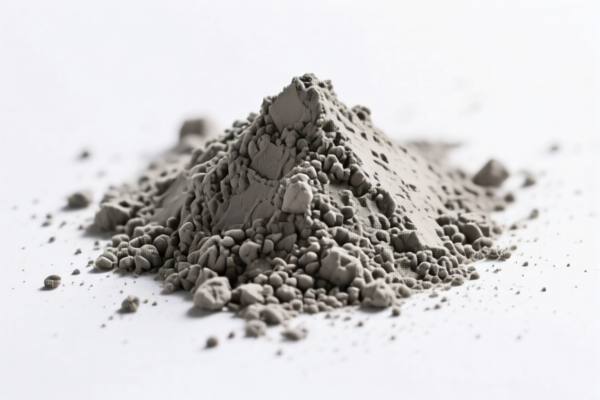
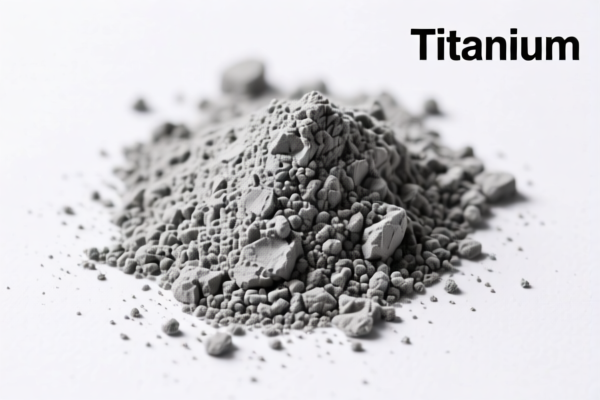
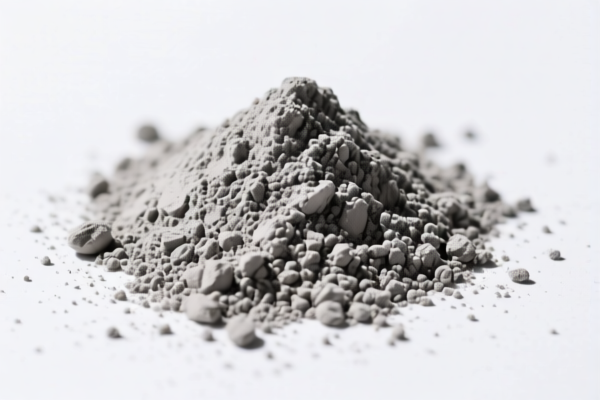
AI分析
🧪 Titanium Tungsten Catalyst (钨酸钛催化剂)
🌐 HS Code Reference & Customs Clearance Guide | 2026 Latest Tariff Analysis | Professional Entry Strategy
📌 I. Product Definition & Classification: What Exactly is "Titanium Tungsten Catalyst"?
Titanium Tungstate Catalyst is a specialized chemical agent used primarily in industrial catalysis. In international trade, its classification hinges on whether it is viewed as a specific chemical compound (inorganic salt/oxide) or a preparatory catalyst (finished chemical formulation).
⚠️ Key Distinction Point:
- If treated as a specific inorganic chemical substance (Titanium Tungstate/Tungstotitanate) → Classified under Chapter 28 (Inorganic Chemicals). - If treated as a catalytic preparation/formulation (mixed with other carriers or activators for specific use) → Classified under Chapter 38 (Miscellaneous Chemical Products).
📦 II. HS Code Classification Details (2026 Latest Tariff Authority Comparison)
Based on the provided data, here are the five possible HS Codes with their logical justifications:
| HS Code | Product Description | Classification Logic | Tax Rate (Total) |
|---|---|---|---|
2841.80.00.50 |
Titanium Tungstate Catalyst (Inorganic Salt) | "Tungstate" fits the material requirement of Tungsten Salts. Classified as "Other" inorganic substances. | 40.5% |
2825.90.30.00 |
Titanium Tungsten Catalyst (Inorganic Oxide) | Material is a tungsten compound. Fits the category of "Inorganic Metal Oxides." | 40.5% |
2825.90.90.00 |
Titanium Tungsten Catalyst (Metal Oxide) | Fits the material attribute of "Metal Oxides (Titanium Oxide)." No material conflict. | 38.7% |
3815.90.10.00 |
Titanium Tungsten Catalyst (Catalyst Formulation) | "Tungsten" matches key material component; "Catalyst" matches usage description. | 41.5% |
3815.90.50.00 |
Titanium Tungsten Catalyst (Reaction Initiator) | Belongs to "Other Reaction Initiators/Catalysts" in Chemical Preparations. No material conflict. | 40.0% |
🔍 Critical Reminder:
- Chapter 28 Codes (2841...,2825...) are generally preferred if the product is a pure, defined chemical compound (Titanium Tungstate).
- Chapter 38 Codes (3815...) are used if the product is a mixture, preparation, or specifically marketed as a finished "catalytic agent" rather than a pure chemical substance.
- Do not split shipments: If the product is a single homogeneous catalyst, do not try to split it into "raw material" vs. "finished good" to lower taxes; customs will consolidate based on the primary function.
💰 III. 2026 Latest Tariff Rate Breakdown (Including Surtaxes & Policy Add-ons)
✅ Applicable Country: United States (US)
✅ Country of Origin: China (CN)
✅ Effective Date: From November 10, 2025 onwards (including subsequent imports)
🎯 1. 2841.80.00.50 —— Titanium Tungstate (Inorganic Salt)
| Item | Content |
|---|---|
| Base Tariff | 5.5% (ad valorem) |
| Section 301 Surtax | +25.0% |
| Section 122 Tariff | +10.0% |
| Total Tariff | 40.5% |
| Tax Calculation | CIF Value × 40.5% |
| De Minimis Exemption | ❌ Not Eligible (deny_de_minimis) |
| Legal Basis Path | Base: 5.5% → 301: 25% → 122: 10% → Total: 40.5% |
📌 Explanation:
- The base rate is moderate (5.5%), but the surcharges are steep.
- The 25% Section 301 tax applies to most Chinese chemical imports.
- The 10% Section 122 tariff is an additional levy on Chinese goods.
- Total Cost Impact: High. Ensure your pricing model accounts for >40% duty.
🎯 2. 2825.90.30.00 —— Titanium Tungsten Catalyst (Inorganic Oxide)
| Item | Content |
|---|---|
| Base Tariff | 5.5% (ad valorem) |
| Section 301 Surtax | +25.0% |
| Section 122 Tariff | +10.0% |
| Total Tariff | 40.5% |
| Tax Calculation | CIF Value × 40.5% |
| De Minimis Exemption | ❌ Not Eligible (deny_de_minimis) |
| Legal Basis Path | Base: 5.5% → 301: 25% → 122: 10% → Total: 40.5% |
📌 Note:
- Same tariff structure as2841.80.00.50.
- Applicable if customs classifies the material strictly as a "Tungsten Oxide" or "Metal Oxide" rather than a salt.
🎯 3. 2825.90.90.00 —— Titanium Tungsten Catalyst (Metal Oxide)
| Item | Content |
|---|---|
| Base Tariff | 3.7% (ad valorem) |
| Section 301 Surtax | +25.0% |
| Section 122 Tariff | +10.0% |
| Total Tariff | 38.7% |
| Tax Calculation | CIF Value × 38.7% |
| De Minimis Exemption | ❌ Not Eligible (deny_de_minimis) |
| Legal Basis Path | Base: 3.7% → 301: 25% → 122: 10% → Total: 38.7% |
📌 Key Insight:
- This is the lowest total tariff rate among all options (38.7%).
- Strategy: If the chemical nature of your product allows it to be classified under "Other Metal Oxides" (2825.90.90), this is the most cost-effective HS Code. Ensure your MSDS and technical data sheets support this classification.
🎯 4. 3815.90.10.00 —— Titanium Tungsten Catalyst (Catalyst Formulation)
| Item | Content |
|---|---|
| Base Tariff | 6.5% (ad valorem) |
| Section 301 Surtax | +25.0% |
| Section 122 Tariff | +10.0% |
| Total Tariff | 41.5% |
| Tax Calculation | CIF Value × 41.5% |
| De Minimis Exemption | ❌ Not Eligible (deny_de_minimis) |
| Legal Basis Path | Base: 6.5% → 301: 25% → 122: 10% → Total: 41.5% |
📌 Explanation:
- Highest total tax rate (41.5%).
- Used when the product is explicitly described as a "Catalyst" and the "Tungsten" content is the key identifying material.
- Higher base rate (6.5%) makes this less attractive than Chapter 28 options unless the product cannot be defined as a pure inorganic compound.
🎯 5. 3815.90.50.00 —— Titanium Tungsten Catalyst (Reaction Initiator)
| Item | Content |
|---|---|
| Base Tariff | 5.0% (ad valorem) |
| Section 301 Surtax | +25.0% |
| Section 122 Tariff | +10.0% |
| Total Tariff | 40.0% |
| Tax Calculation | CIF Value × 40.0% |
| De Minimis Exemption | ❌ Not Eligible (deny_de_minimis) |
| Legal Basis Path | Base: 5.0% → 301: 25% → 122: 10% → Total: 40.0% |
📌 Note:
- Middle-ground tax rate (40.0%).
- Classified under "Other Reaction Initiators/Catalysts."
- Suitable if the product is a mixture or preparation that doesn't fit the strict definition of a pure salt or oxide in Chapter 28.
🛠️ IV. Customs Clearance Practical Advice (Battle-Tested Pitfall Avoidance)
✅ 1. Documentation Checklist (Non-Negotiable)
| Document | Required | Explanation |
|---|---|---|
| ✅ MSDS / SDS | ✔️ | Must clearly state chemical composition (e.g., TiWO4, TiO2, WO3) to support Chapter 28 vs. 38 classification. |
| ✅ Technical Data Sheet | ✔️ | Specifies purity, form (powder/liquid), and intended catalytic use. |
| ✅ Product Photo (Label/Packaging) | ✔️ | Clear view of brand, model, and chemical name. |
| ✅ Commercial Invoice | ✔️ | Must accurately describe the item as "Titanium Tungsten Catalyst" or "Inorganic Tungsten Compound." Avoid vague terms like "Chemical Mix." |
| ✅ Packing List | ✔️ | Detailed weight and quantity. |
| ✅ Certificate of Origin (CO) | ✔️ | Required for origin determination (CN) to apply surtaxes. |
✅ 2. Declaration Strategy (Key Mnemonics)
🔥 "Pure Compound to Ch. 28, Mixture to Ch. 38. Check Base Rate, Lowest Tax Wins!"
| Scenario | Correct Declaration | Common Mistake |
|---|---|---|
| High Purity Ti-W Compound | 2825.90.90.00 (38.7%) |
Misclassified as 3815.90.10.00 (41.5%) → Overpay 2.8% |
| Catalyst Mixture/Formulation | 3815.90.50.00 (40.0%) |
Misclassified as 2825.90.30.00 (40.5%) → Overpay 0.5% |
| Mixed with Carriers/Binders | 3815.90.10.00 or 3815.90.50.00 |
Declared as pure chemical → Seizure/Refusal |
| Unclear Composition | Request HS Code Pre-Ruling | Guessing → Audits & Penalties |
✅ 3. Special Handling
| Situation | Handling Advice |
|---|---|
| OEM/Private Label Catalyst | Provide contract/license from the chemical manufacturer to prove composition. |
| Small Sample Shipments | No De Minimis Exemption. Even small samples incur the full ~40% tax. Do not use "gift" or "sample" declarations to avoid tax; it will be rejected. |
| Mixed Container (Chemicals + Non-Chemicals) | Declare separately. Chemicals get ~40% tax; non-chemicals may have different rates. Mixing can trigger full container inspection. |
| Origin Shifting (Non-CN) | If manufactured in Vietnam/Thailand, provide proof of substantial transformation to avoid Section 301/122 taxes. |
🌍 V. Global Market Clearance Comparison (2026 Latest)
| Country/Region | Recommended HS Code | Tariff (CN Origin) | Certification/Remarks |
|---|---|---|---|
| 🇺🇸 USA | 2825.90.90.00 |
38.7% (Best) | Heavy surtaxes. Requires strict chemical labeling. |
| 🇺🇸 USA | 3815.90.10.00 |
41.5% (Worst) | Avoid unless product is clearly a "preparation." |
| 🇨🇳 China | 2841.80.00.50 |
5% (Import Duty) | No Section 301/122. Lower entry barrier. |
| 🇪🇺 EU | 2825.90.00 |
0-6.5% (Varies) | REACH Registration required. No Section 301. |
| 🇦🇺 Australia | 2825.90.00 |
5% | No Section 301. Check ANZS/NAFTA status. |
| 🇯🇵 Japan | 2825.90.00 |
0-5% | No Section 301. EPA/JLEPA benefits may apply. |
📌 Conclusion:
- USA is the highest cost market due to aggressive tariff stacking (Base + 301 + 122).
- Optimization Goal: Try to classify under2825.90.90.00(38.7%) instead of Chapter 38 codes if the product chemistry allows.
- Non-US Markets: Significantly cheaper (5-6.5% vs 40%). Consider routing through or selling to markets with lower tariff barriers if logistics allow.
📌 VI. Common Errors & Pitfall Guide (Lessons from the Field)
❌ Mistake 1: Declaring "Catalyst" generically without chemical specification
👉 Result: Customs assigns highest duty (3815.90.10.00 @ 41.5%) or demands reclassification.
✅ Fix: Use specific chemical name (e.g., "Titanium Tungstate, CAS No. XXX-XX-X").
❌ Mistake 2: Assuming "Chemical Sample" escapes tax
👉 Result: Denial of De Minimis. All shipments from CN to US incur full tax.
✅ Fix: Budget for full tax even on samples.
❌ Mistake 3: Confusing "Oxide" with "Salt"
👉 Result: Misclassification leads to audits. 2825 (Oxides) vs 2841 (Salts) have different base rates (3.7-5.5%).
✅ Fix: Use MSDS to confirm chemical structure (ionic bond vs covalent oxide).
❌ Mistake 4: Ignoring Section 122 Tariff
👉 Result: Underestimating costs by 10%.
✅ Fix: Always calculate Base + 25% + 10%. Total is never just Base + 25%.
🎯 VII. Conclusion: Precision Declaration, Cost Control!
🎯 Remember the Golden Rule:
🔹 "Pure Chemical = Ch. 28 (Lower Base); Mixture = Ch. 38 (Higher Base)."
🔹 "USA Tax = Base + 35%. Aim for 38.7% (2825.90.90) over 41.5% (3815.90.10)."
🔹 "No De Minimis for China. Every gram is taxed."
📌 Pro Tip:
If your Titanium Tungsten Catalyst is used in a highly specific industrial process, consider applying for an HS Code Pre-Ruling with US Customs and Border Protection (CBP). This provides legal certainty and prevents unexpected 41.5% liabilities.
📣 Immediate Action Required:
📞 Engage a Licensed Customs Broker
📄 Submit MSDS & Technical Data
🚀 Optimize for2825.90.90.00(38.7%) if possible
✨ Professional clearance starts with precise classification!
💼 Every percentage point saved is pure profit!
用户评价
关于 HS 编码归类
协调制度(HS)是由世界海关组织(WCO)制定的国际贸易商品分类标准。全球 200 多个国家采用 HS 系统作为海关关税、贸易统计和进出口监管的基础。
每个 HS 编码遵循以下层级结构:
- 章(2 位)——商品大类(例如:第 84 章:机器和机械设备)
- 品目(4 位)——章内的更具体分类
- 子目(6 位)——国际通用细分,所有 WCO 成员国统一使用
- 本国细分(8-10 位)——各国自行扩展的细分编码,如美国 HTSUS 10 位编码
正确的 HS 编码归类对于顺利通关、准确缴纳关税和遵守贸易法规至关重要。错误归类可能导致海关延误、多缴关税或罚款。
从CN进口到US时,适用的关税税率可能包括:
- 最惠国(MFN)税率——适用于 WTO 成员国的标准关税税率
- 普通税率——适用于无贸易协定国家
- 贸易救济关税——附加关税,如 301 条款(反倾销)、232 条款(国家安全)或反补贴税
本页内容仅供参考。如需正式归类,请咨询当地海关或持牌报关代理。