Toy Aircraft
CN → US| HS编码 | 关税税率 | 原产国 | 目的国 | 文档 |
|---|---|---|---|---|
| 9503000073 | 10.0% | CN | US | 官方文档 |
| 8802200160 | 35.0% | CN | US | 官方文档 |
| 9503000071 | 10.0% | CN | US | 官方文档 |
| 8802300180 | 35.0% | CN | US | 官方文档 |
| 9503000073 | 10.0% | CN | US | 官方文档 |
商品图片
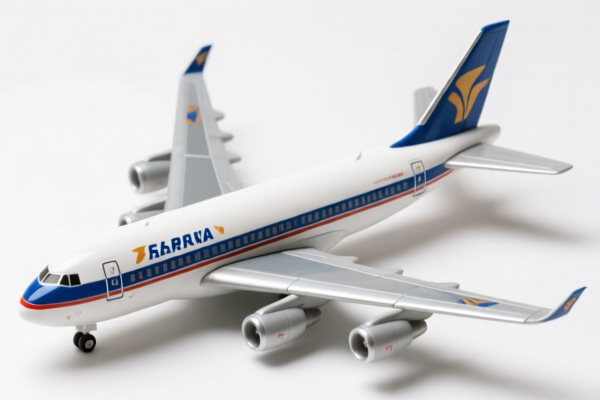
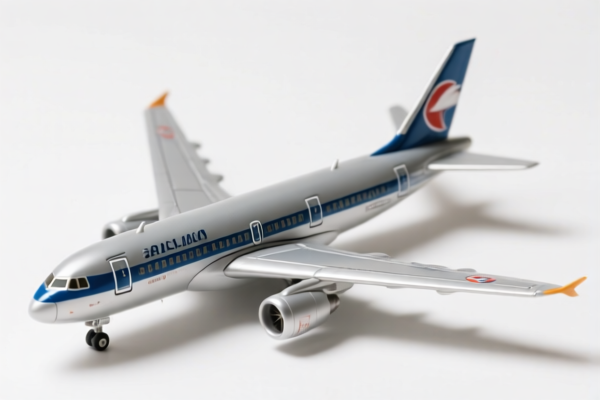
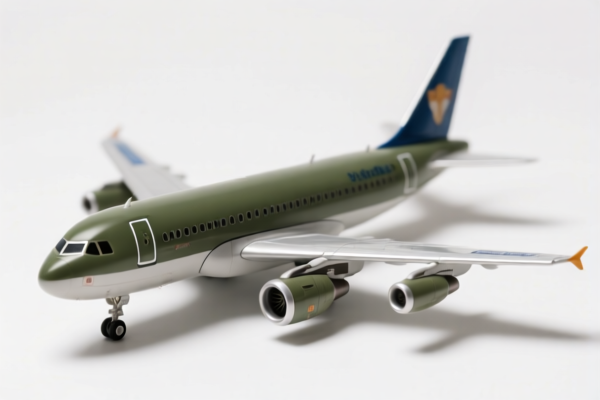
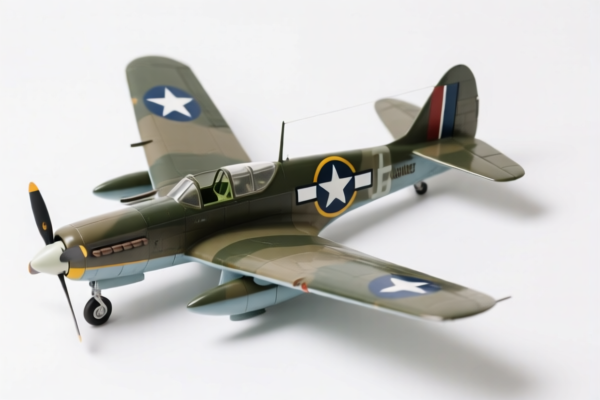
AI分析
🛩️ Toy Aircraft (Flying Toys & RC Models)
🌐 HS Code Reference & Clearance Guide | 2026 Latest Tariff Analysis | Strategic Customs Strategy
📌 Part 1: Product Definition & Classification: Do You Really Understand "Toy Aircraft"?
Toy Aircraft refers to recreational devices designed for flight, typically used for entertainment, hobby, or children's play. In international trade, the classification is critical because these items fall into two distinct categories based on their primary purpose and regulatory status:
1. Toy Category (9503 Series):
Items explicitly designed for children’s play or general entertainment. These are classified as "Toys" or "Models/Recreational Toys." They usually feature simplified mechanisms, safety certifications for toys, and non-aerospace materials.
2. Aircraft Category (8802 Series):
Items that, by their form or technical specifications, are classified as "Aircraft" (even if used for recreation). This includes remote-controlled (RC) aircraft that mimic real aviation technology, have higher speeds, or are subject to aviation authority regulations rather than just toy safety standards.
⚠️ Key Distinction Point:
- If the item is marketed as a "Toy", "Children's Plaything", or "Simple Model" with basic flight capabilities →归入 9503
- If the item is marketed as an "RC Aircraft", "Drone" (non-toy grade), or has complex aerodynamic features resembling real aviation machinery →归入 8802
📦 Part 2: HS Code Classification Details (2026 Latest Tariff Authority Comparison)
| HS Code | Product Description | Application Scenario | Material/Use Conflict |
|---|---|---|---|
9503.00.00.73 |
Flying Toys (Plastic/Non-metallic) | Children's play toys, simple plastic drones | ✅ No conflict; classified as "Other Toys" |
9503.00.00.71 |
Flying Toys (General Category) | General toy aircraft, models, and recreational items | ✅ No conflict; fits "Toys, Models & Recreational" |
8802.20.01.60 |
Other Aircraft (Miscellaneous) | Aircraft that don't fit standard aviation categories; "Catch-all" for non-standard flying devices | ✅ No obvious material/use conflict; classified under "Other Aircraft" |
8802.30.01.80 |
Other Aircraft (Plastic/Metal) | Toy aircraft inferred as aircraft due to form; plastic/metal construction | ✅ Consistent with aircraft category despite toy use |
9503.00.00.73 |
Children's Toy RC Aircraft | Scaled models, similar entertainment models; plastic/light composite materials | ✅ Fits "Toy/Model" category; low weight materials |
🔍 Key Reminder:
- Same HS Code, Same Tax: Both9503.00.00.73and9503.00.00.71result in a 10% total tax because they fall under the Toy category. - Aircraft Category Penalty: Codes8802.20.01.60and8802.30.01.80result in a 35% total tax due to the "Aircraft" classification, attracting higher additional tariffs. - Material vs. Purpose: While material (plastic/metal) is mentioned, the primary classification driver is whether customs views it as a "Toy" (9503) or an "Aircraft" (8802).
💰 Part 3: 2026 Latest Tariff Rate Breakdown (Including Surtaxes & Policy Add-ons)
✅ Applicable Country: United States (US)
✅ Origin: China (CN)
✅ Effective Date: 2025 onwards (including subsequent imports)
🎯 1. Toy Aircraft Classifications (9503.00.00.73 & 9503.00.00.71)
These codes are classified as Toys. They benefit from lower base tariffs but still incur Section 301 and IEEPA surcharges.
| Item | Content |
|---|---|
| Base Tariff | 0% (ad valorem) |
| USITC Additional Tariff | 0% (No Section 301 surcharge for Toys in this specific sub-category analysis) |
| IEEPA Additional Tariff | +10% (Applied to China/HK products under IEEPA) |
| Total Tax Rate | 10.0% |
| Tax Calculation | CIF Value × 10% |
| De Minimis Eligibility | ❌ Not Eligible (Deny de minimis for Section 301/IEEPA affected goods) |
| Legal Basis Path | IEEPA:9903.01.24 → USITC:9503.00.00.73/71 |
📌 Explanation:
- Although the base tariff is 0%, the 10% IEEPA surcharge applies because the goods originate from China. - Total Cost Impact: You pay 10% of the CIF value. This is significantly cheaper than the Aircraft category. - Why no 25%? The provided data indicates that for these specific toy codes, only the 10% IEEPA tax is applied, not the 25% Section 301 tariff. This is a critical advantage for toy manufacturers.
🎯 2. Aircraft Classifications (8802.20.01.60 & 8802.30.01.80)
These codes are classified as Aircraft. They attract both Section 301 and IEEPA surcharges, leading to a much higher tax burden.
| Item | Content |
|---|---|
| Base Tariff | 0% (ad valorem) |
| USITC Additional Tariff | +25% (Section 301 Tariff on Aircraft-related goods) |
| IEEPA Additional Tariff | +10% (Applied to China/HK products under IEEPA) |
| Total Tax Rate | 35.0% |
| Tax Calculation | CIF Value × 35% |
| De Minimis Eligibility | ❌ Not Eligible (Deny de minimis) |
| Legal Basis Path | IEEPA:9903.01.24 → USITC:8802.20.01.60/80 → FOOTNOTE:301 |
📌 Explanation:
- The 25% Section 301 tariff is applied because these items are classified under Chapter 88 (Aircraft), which is subject to stricter trade measures. - The 10% IEEPA tariff is also applied. - Total Cost Impact: You pay 35% of the CIF value. This is 2.5 times higher than the toy classification. - Why so high? Customs views these items as "Aircraft" due to their form or technical complexity, triggering higher punitive tariffs.
🛠️ Part 4: Customs Clearance Practical Advice (Real-World Pitfall Guide)
✅ 1. Preparation Checklist (Non-Negotiable)
| Document | Required | Description |
|---|---|---|
| ✅ Product Specification Sheet | ✔️ | Must clearly state "Toy," "For Recreational Use," or "Not for Aviation Use." |
| ✅ Product Photos (Including Packaging) | ✔️ | Show labeling, age recommendations (e.g., "3+ years"), and safety warnings. |
| ✅ Material Declaration | ✔️ | Specify "Plastic," "Light Composite," or "Non-Metallic" to support Toy classification. |
| ✅ Third-Party Test Reports | ✔️ | ASTM F963, CPSIA, or EN71 (Toy Safety Standards) – Crucial for 9503. |
| ✅ Commercial Invoice | ✔️ | Description must read: "Plastic Flying Toy for Children" or "Recreational Model." Avoid "Aircraft" or "Drone" if aiming for 9503. |
| ✅ Origin Certificate | ✔️ | If non-China origin, may qualify for tariff exemptions. |
✅ 2. Declaration Tips (Key Mnemonics)
🔥 “Name it a Toy, Prove it’s Safe, Avoid the 35% Trap!”
| Scenario | Correct Declaration | Wrong Approach |
|---|---|---|
| Simple Plastic Helicopter | 9503.00.00.73 - "Toy Aircraft" |
Calling it "RC Aircraft" → 35% |
| RC Drone with Camera | 9503.00.00.71 or 9503.00.00.73 (if marketed as toy) |
Classifying as 8802 → 35% |
| High-Speed FPV Drone | 8802.20.01.60 or 8802.30.01.80 |
Trying to hide as Toy → High Risk of Audit/Seizure |
| Toy + Accessories | Declare as Whole Set | Splitting into "Toy" + "Battery" → Each part taxed separately |
✅ 3. Special Case Handling
| Situation | Handling Advice |
|---|---|
| OEM Custom Drones | Provide client order + design docs. If marketed as "Educational Toy," argue for 9503. |
| Drones with Cameras | Still 9503 if marketed as "Toy." If "Professional Grade," likely 8802. |
| Military/Aviation Use | Cannot use Toy classification. Must use 8802 or export control codes. |
| High-Performance RC | If speed/altitude exceeds toy norms, customs may reclassify to 8802. |
🌍 Part 5: Global Market Clearance Comparison (2026 Latest)
| Country/Region | Recommended HS Code | Tariff (China Origin) | Certification Required | Notes |
|---|---|---|---|---|
| 🇺🇸 USA | 9503.00.00.73/71 |
10% | FCC + CPSIA | If classified as Aircraft (8802), 35% |
| 🇨🇳 China | 9503.00.00.73/71 |
5% | CCC | No additional surcharges |
| 🇪🇺 EU | 9503.00.00.73/71 |
0% (if CE) | CE + RoHS | No surcharges if Toy |
| 🇬🇧 UK | 9503.00.00.73/71 |
0% (if UKCA) | UKCA + RoHS | No surcharges if Toy |
| 🇦🇺 Australia | 9503.00.00.73/71 |
5% | RCM | No surcharges if Toy |
📌 Conclusion:
- USA is the only major market with significant surcharges for Chinese-origin goods. - Correct Classification is Critical: Misclassifying a Toy as Aircraft leads to a 25% tax increase (from 10% to 35%). - Toy Classification is Strongly Preferred for cost savings, provided safety certifications are met.
📌 Part 6: Common Mistakes & Pitfall Guide (Blood and Tears Lessons)
❌ Mistake 1: Using "Drone" or "Aircraft" in the invoice description for a Toy
👉 Consequence: Customs may reclassify to 8802 → 35% Tax instead of 10%
❌ Mistake 2: Claiming Toy status for High-Speed RC Planes
👉 Consequence: Customs audit, seizure, or forced reclassification → Delays & Fines
❌ Mistake 3: Not providing Toy Safety Certificates (ASTM/EN71)
👉 Consequence: Even if HS Code is correct, shipment may be blocked for lack of compliance
❌ Mistake 4: Splitting "Toy + Controller + Battery" into separate shipments
👉 Consequence: Each part taxed separately → Higher Total Duty
✅ Correct Practice:
“Plastic RC Flying Toy, For Children 8+, Model XYZ, FCC & CPSIA Certified, Not for Aviation Use”
🎯 Part 7: Conclusion: Professional Declaration, Save Money, Ensure Compliance!
🎯 Remember the Mnemonic:
🔹 “Call it a Toy, Show it’s Safe, Keep the 10% Rate”
🔹 “HS Code Determines the Tax, 25% Difference is Huge, Misclassify Once, Pay Twice!”
📌 Pro Tip:
If your product is originally from Vietnam, Mexico, or Thailand, you may qualify for IEEPA Exemptions, reducing the tax to 0%~5%.
Recommend Advance Ruling (Advance Ruling Request) to US Customs (CBP) for definitive classification.
📣 Immediate Action:
📞 Contact a Professional Customs Broker + Provide Product Photos + Request HS Code Advance Ruling
🚀 Ensure Your Toy Aircraft Clears Customs Smoothly, Exports Efficiently, Maximizes Profits!
✨ Professional Customs Clearance Starts with Accurate Classification!
💼 Every Cent of Your Cost Deserves Precise Calculation!
用户评价
关于 HS 编码归类
协调制度(HS)是由世界海关组织(WCO)制定的国际贸易商品分类标准。全球 200 多个国家采用 HS 系统作为海关关税、贸易统计和进出口监管的基础。
每个 HS 编码遵循以下层级结构:
- 章(2 位)——商品大类(例如:第 84 章:机器和机械设备)
- 品目(4 位)——章内的更具体分类
- 子目(6 位)——国际通用细分,所有 WCO 成员国统一使用
- 本国细分(8-10 位)——各国自行扩展的细分编码,如美国 HTSUS 10 位编码
正确的 HS 编码归类对于顺利通关、准确缴纳关税和遵守贸易法规至关重要。错误归类可能导致海关延误、多缴关税或罚款。
从CN进口到US时,适用的关税税率可能包括:
- 最惠国(MFN)税率——适用于 WTO 成员国的标准关税税率
- 普通税率——适用于无贸易协定国家
- 贸易救济关税——附加关税,如 301 条款(反倾销)、232 条款(国家安全)或反补贴税
本页内容仅供参考。如需正式归类,请咨询当地海关或持牌报关代理。