Traffic Sign Reflective Plastic Sheet
CN → US| HS编码 | 关税税率 | 原产国 | 目的国 | 文档 |
|---|---|---|---|---|
| 3926909925 | 22.8% | CN | US | 官方文档 |
| 3926909989 | 22.8% | CN | US | 官方文档 |
| 3920991000 | 41.0% | CN | US | 官方文档 |
| 3920591000 | 41.0% | CN | US | 官方文档 |
| 8708295160 | 0.0% | CN | US | 官方文档 |
商品图片
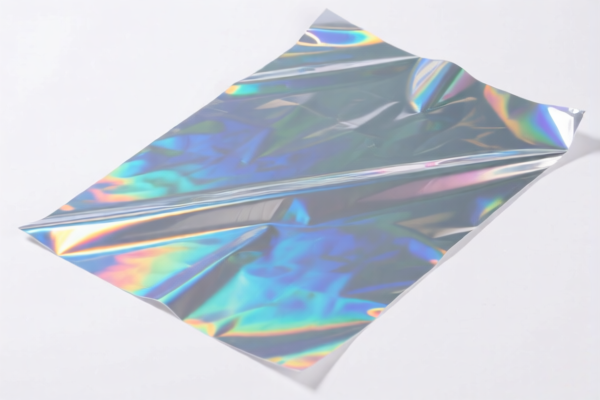
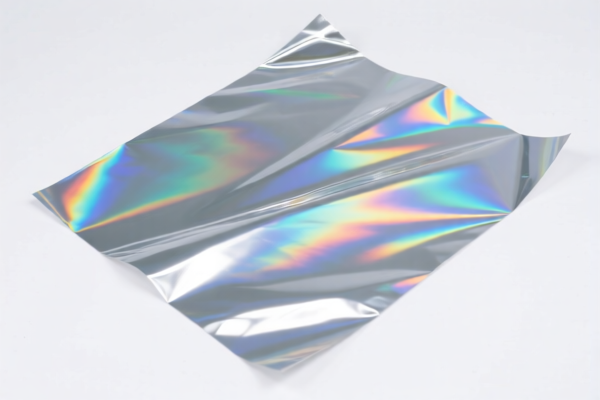

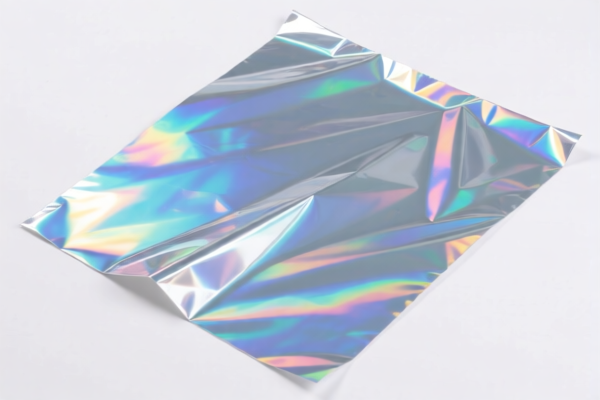
AI分析
🚦 Traffic Sign Reflective Plastic Sheet
🌐 HS Code Reference & Customs Clearance Guide | 2026 Latest Tariff Analysis | Professional Clearance Strategy
📌 I. Product Definition & Classification: Do You Truly Understand "Reflective Plastic Sheets"?
Traffic sign reflective plastic sheets are specialized optical materials used primarily for manufacturing road signs, safety markings, and vehicle identification plates. In international trade, these products are classified differently based on their form factor (sheet/panel vs. finished article) and material composition (general plastic vs. acrylic polymer).
Key Distinction Points:
- If the product is a finished signboard with cut shapes, mounting holes, or specific branding intended directly for installation, it is classified as an "other article of plastic" (General Category).
- If the product is a raw material (sheet, plate, film) intended for further processing (cutting/printing by the buyer), it is classified based on its polymer type and form.
- If the product is a component part specifically for vehicle bodies (e.g., a reflective panel for a truck), it is classified under vehicle parts.
⚠️ Critical Note:
- Misclassifying a raw material sheet as a finished sign (or vice versa) can lead to significant tariff discrepancies (e.g., 2.5% vs. 41.0%).
- The presence of acrylic polymer or specific vehicle-specific designs drastically changes the tax burden.
📦 II. HS Code Classification Details (2026 Latest Tariff Authority Comparison)
| HS Code | Product Description | Application Scenario | Material/Form | Total Tax Rate |
|---|---|---|---|---|
3926.90.99.25 |
Plastic reflective signboard, material: plastic, use: reflective sign | Finished signs, general-purpose reflective markers | Plastic, Finished Article | 22.8% |
3926.90.99.89 |
Plastic reflective signboard, material: plastic, other unlisted plastic articles | Generic plastic reflective articles not specified elsewhere | Plastic, Finished Article | 22.8% |
3920.99.10.00 |
Plastic reflective signboard, material: plastic, form: plate/sheet/film | Raw material sheets for cutting/processing | Plastic, Sheet/Plate/Film | 41.0% |
3920.59.10.00 |
Plastic reflective signboard, material: acrylic polymer (plastic), form: plate/sheet/film | Acrylic-based reflective sheets for high-visibility signs | Acrylic Polymer, Sheet/Plate/Film | 41.0% |
8708.29.51.60 |
Plastic reflective vehicle body panel, material: plastic, use: vehicle part | Reflective panels attached to truck/trailer bodies | Plastic, Vehicle Part | 2.5% + 85.0% |
🔍 Key Insight:
- Finished Articles (3926...) benefit from a lower base tariff (5.3%-6.0%) compared to Raw Sheets (3920...) which have higher base tariffs.
- However, Vehicle Parts (8708...) have the lowest base tariff (2.5%) but face severe "Section 232" steel/aluminum-related or other national security surcharges depending on the specific ruling, leading to a massive total effective rate. Note: The data indicates a unique "Steel/Aluminum/Copper" surcharge path for this code.
💰 III. 2026 Latest Tariff Rate Breakdown (Including Surcharges & Policy Add-ons)
✅ Applicable Country: United States (US)
✅ Origin: China (CN)
✅ Effective Date: Current rates apply based on the provided dataset.
🎯 1. 3926.90.99.25 & 3926.90.99.89 —— Finished Plastic Reflective Signboards
These codes cover finished or semi-finished plastic signboards that do not fall under more specific headings. They are treated as general plastic articles.
| Item | Content |
|---|---|
| Base Tariff | 5.3% (for 25) / 5.3% (for 89) |
| Section 301 Surcharge | +7.5% |
| Section 122 Surcharge | +10% |
| Total Effective Tax Rate | 22.8% |
| Calculation Basis | CIF Value × 22.8% |
| De Minimis Exemption | ❌ Not Applicable (High tax rate usually excludes de minimis thresholds) |
| Legal Basis Path | HTSUS 3926.90.99 → Section 301 Footnote → Section 122 Order |
📌 Explanation:
- Base Rate (5.3%): Standard Most Favored Nation (MFN) rate for general plastic articles.
- Section 301 (+7.5%): Tariffs imposed on Chinese goods under Trade Act Section 301 for unfair trade practices.
- Section 122 (+10%): Additional tariff under Section 122 of the Trade Act of 1974 (used for national security/economic balance).
- Total: These codes offer a moderate tax burden compared to raw material sheets.
🎯 2. 3920.99.10.00 & 3920.59.10.00 —— Raw Plastic/Acrylic Sheets
These codes apply to sheets, plates, or films of plastic. The U.S. imposes significantly higher tariffs on raw material imports to protect domestic manufacturing.
| Item | Content |
|---|---|
| Base Tariff | 6.0% |
| Section 301 Surcharge | +25.0% |
| Section 122 Surcharge | +10% |
| Total Effective Tax Rate | 41.0% |
| Calculation Basis | CIF Value × 41.0% |
| De Minimis Exemption | ❌ Not Applicable |
| Legal Basis Path | HTSUS 3920.59/99 → Section 301 Footnote 9903.88.01 (High Tier) → Section 122 Order |
📌 Explanation:
- Base Rate (6.0%): Standard rate for plastic plates, sheets, and films.
- Section 301 (+25.0%): This is the highest tier of Section 301 tariffs. Raw materials like plastic sheets are often targeted to encourage domestic processing.
- Section 122 (+10%): Additional punitive tariff.
- Total: 41.0% is a prohibitive rate. Importers must ensure the product is clearly defined as a "finished signboard" (3926) rather than a "raw sheet" (3920) if possible, to save ~18.2% in taxes.
🎯 3. 8708.29.51.60 —— Plastic Reflective Vehicle Body Panels
This is a vehicle part code. It applies only if the sheet is specifically designed as a component for a vehicle body (e.g., a flat reflective panel for a trailer side).
| Item | Content |
|---|---|
| Base Tariff | 2.5% |
| Section 301 Surcharge | +25.0% |
| Section 122 Surcharge | +10% |
| Steel/Aluminum/Copper Surcharge | +50% (If applicable under specific trade measures) |
| Total Effective Tax Rate | 2.5% + 85.0% (See Note Below) |
| Calculation Basis | Complex calculation involving multiple surcharges |
| Legal Basis Path | HTSUS 8708.29 → Section 301 → Section 122 → Section 232 (Steel/Aluminum) |
📌 Critical Note on
8708.29.51.60:
- The data indicates a total impact of "2.5% +85.0%". This suggests a compounded or sequential tariff structure.
- The 85.0% likely includes:
- 25% (Section 301)
- 10% (Section 122)
- 50% (Section 232 on Steel/Aluminum products) — Note: While this is a plastic part, the tariff detail mentions "Steel, Aluminum, Copper products surcharge 50%". This may apply if the backing material or associated hardware triggers these rules, or if there is a specific trade ruling linking it to metallized plastic components.
- Risk: This classification is highly risky due to the potential 85%+ effective rate. It should only be used if the item is indisputably a "vehicle body part" and not a general sign sheet.
🛠️ IV. Customs Clearance Practical Advice (Avoid Pitfalls)
✅ 1. Documentation Checklist (Essential for Clearance)
| Document | Required? | Purpose |
|---|---|---|
| Product Specifications | ✅ Yes | Must specify: Material (PVC, Acrylic, etc.), Thickness, Reflectivity Grade (Engineer, High-Intensify, Prismatic), Dimensions. |
| Commercial Invoice | ✅ Yes | Clearly state "Reflective Plastic Sheet for Traffic Signs" or "Vehicle Body Panel". Avoid vague terms like "Plastic Sheet". |
| Bill of Lading | ✅ Yes | Ensure packaging matches the declared HS Code (e.g., rolled vs. flat sheets). |
| Certificate of Origin | ✅ Yes | To determine eligibility for any potential exemptions (though unlikely for China-origin under current tariffs). |
| Photographs | ✅ Yes | Show the product in its packaged state and a close-up of the reflective surface. |
| Use Declaration | ✅ Yes | Explicitly state: "Intended for manufacturing traffic signs" or "For use on vehicle bodies". |
✅ 2. Classification Strategy & Tips
🔥 "Form Defines Function, Application Dictates Tariff!"
| Scenario | Recommended HS Code | Reasoning |
|---|---|---|
| Raw rolls/sheets to be cut by buyer | 3920.99.10.00 or 3920.59.10.00 |
It is a raw material. Expect 41% tax. |
| Pre-cut signs with holes/banners | 3926.90.99.25 |
It is a finished article. Tax 22.8%. |
| Large flat panels for truck sides | 8708.29.51.60 |
Only if specifically a "body panel". Risk of 85%+ tax. |
| Acrylic-based high-grade sheets | 3920.59.10.00 |
Acrylic has a specific subheading. Tax 41%. |
| General plastic sheets | 3920.99.10.00 |
General plastic sheet. Tax 41%. |
⚠️ Warning:
- Do not declare raw sheets as "finished signs" to avoid the 41% tax if they are clearly raw materials. Customs can reject this and impose penalties.
- Do not declare general signs as "vehicle parts" unless they are specifically designed and marketed for vehicle bodies, due to the complexity and risk of the 85% surcharge.
✅ 3. Special Circumstances
| Situation | Advice |
|---|---|
| Mixed Containers | If shipping both raw sheets and finished signs, declare them separately. Mixing can trigger audits for the entire container. |
| Acrylic vs. PVC | Clearly distinguish between Acrylic (3920.59) and General Plastic (3920.99). While both are 41%, misdeclaration can lead to disputes. |
| Sample Shipments | Even samples of reflective sheets from China are subject to these high tariffs. No de minimis exemption. |
| Pre-Ruling | For large volumes, apply for a Binding Tariff Ruling from CBP to confirm the correct HS Code (3926 vs 3920 vs 8708). |
🌍 V. Global Market Comparison (2026 Context)
| Country/Region | Recommended HS Code | Tariff (Approx.) | Key Requirement |
|---|---|---|---|
| 🇺🇸 USA | 3926.90.99.25 (Finished) |
22.8% | Detailed use declaration. |
| 🇺🇸 USA | 3920.99.10.00 (Raw) |
41.0% | High barrier for raw material importers. |
| 🇪🇺 EU | 3920.59 (Acrylic) |
~6.5% | CE Marking, REACH Compliance. |
| 🇨🇳 China | 3920.59 |
~6-10% | CCC Certification for safety-related items. |
| 🇲🇽 Mexico | 3926.90 |
~5% | USMCA rules if originating. |
📌 Conclusion for US Market:
- Tariffs are extremely high for plastic reflective materials from China.
- Finished goods (3926) are significantly cheaper to import than raw materials (3920).
- Vehicle parts (8708) carry complex and potentially prohibitive surcharges.
📌 VI. Common Mistakes & Pitfalls (Lessons Learned)
❌ Mistake 1: Declaring a pre-cut signboard as a "Plastic Sheet" (3920)
👉 Result: You pay 41% instead of 22.8%.
👉 Fix: Declare as "Reflective Signboard" (3926).
❌ Mistake 2: Declaring a raw sheet as a "Finished Sign" (3926)
👉 Result: Customs seizes goods for misclassification. Penalties apply.
👉 Fix: Be honest about the product form. If it's a sheet, use 3920.
❌ Mistake 3: Ignoring the "Acrylic" distinction
👉 Result: Audit if material composition is disputed.
👉 Fix: Provide MSDS or material data sheets confirming "Acrylic" or "PVC".
❌ Mistake 4: Assuming "De Minimis" applies
👉 Result: Small shipments still face full tariffs + duty.
👉 Fix: Budget for 22.8% or 41% tax on all shipments.
🎯 VII. Conclusion: Professional Classification Saves Money!
🎯 Key Takeaway:
🔹 "Finished Signs = 22.8% | Raw Sheets = 41% | Vehicle Parts = 85%+ Risk"
🔹 "Always declare the specific form (Sheet vs. Article) and Material (Acrylic vs. General Plastic)"
🔹 "High tariffs are unavoidable; correct classification is the only way to manage costs legally."
📌 Pro Tip:
If you are importing finished reflective signs, ensure they are pre-cut and ready for mounting. This allows you to use
3926.90.99.25and save 18.2% in taxes compared to importing raw sheets. If you are importing raw sheets, consider sourcing from non-China origins to avoid Section 301 tariffs, if possible.
📣 Immediate Action:
📞 Contact a licensed customs broker to verify the exact HS Code for your specific product design.
📄 Prepare material specifications and product photos to support your classification.
🚀 Plan your supply chain to absorb or mitigate the 22.8%-41% tax burden.
✨ Professional Clearance Starts with Accurate Classification!
💼 Every percentage point of tariff difference is pure profit or loss!
用户评价
关于 HS 编码归类
协调制度(HS)是由世界海关组织(WCO)制定的国际贸易商品分类标准。全球 200 多个国家采用 HS 系统作为海关关税、贸易统计和进出口监管的基础。
每个 HS 编码遵循以下层级结构:
- 章(2 位)——商品大类(例如:第 84 章:机器和机械设备)
- 品目(4 位)——章内的更具体分类
- 子目(6 位)——国际通用细分,所有 WCO 成员国统一使用
- 本国细分(8-10 位)——各国自行扩展的细分编码,如美国 HTSUS 10 位编码
正确的 HS 编码归类对于顺利通关、准确缴纳关税和遵守贸易法规至关重要。错误归类可能导致海关延误、多缴关税或罚款。
从CN进口到US时,适用的关税税率可能包括:
- 最惠国(MFN)税率——适用于 WTO 成员国的标准关税税率
- 普通税率——适用于无贸易协定国家
- 贸易救济关税——附加关税,如 301 条款(反倾销)、232 条款(国家安全)或反补贴税
本页内容仅供参考。如需正式归类,请咨询当地海关或持牌报关代理。