Training Shoes
CN → US| HS编码 | 关税税率 | 原产国 | 目的国 | 文档 |
|---|---|---|---|---|
| 6404112071 | 20.5% | CN | US | 官方文档 |
| 6404114900 | 47.5% | CN | US | 官方文档 |
| 6402191520 | 22.6% | CN | US | 官方文档 |
| 6402191541 | 22.6% | CN | US | 官方文档 |
| 6403194090 | 21.8% | CN | US | 官方文档 |
| 6403197091 | 17.5% | CN | US | 官方文档 |
商品图片
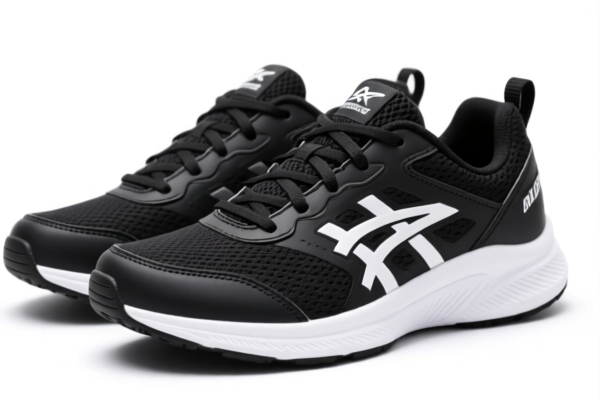
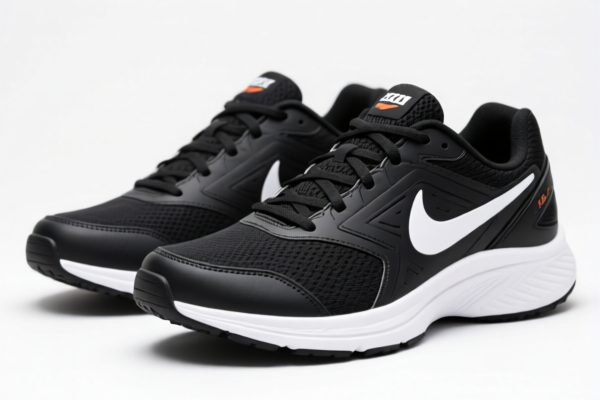
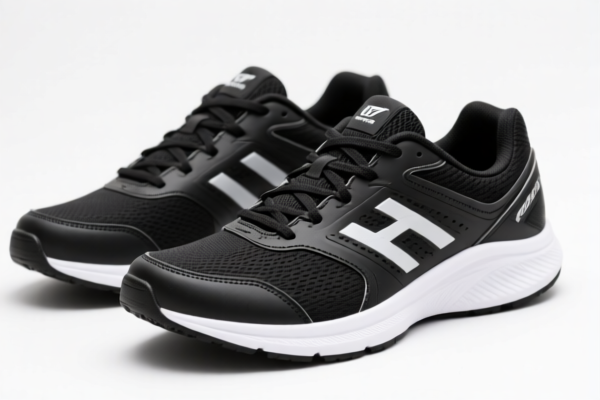
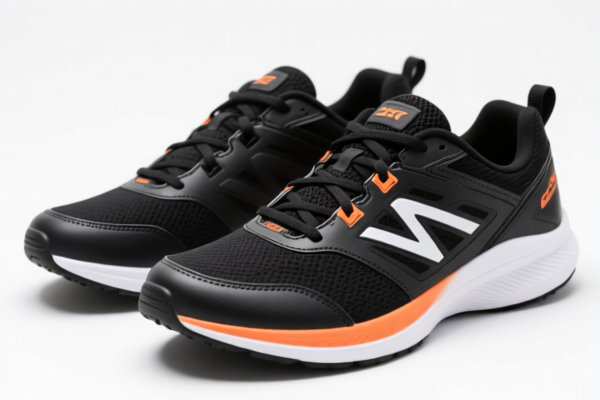
AI分析
👟 Training Shoes (Athletic Footwear)
🌐 HS Code Reference & Customs Clearance Guide | 2026 Latest Tariff Analysis | Professional Clearance Strategy
📌 I. Product Definition and Classification: Do You Truly Understand "Training Shoes"?
Training Shoes, broadly categorized under Footwear with Outer Soles of Rubber, Plastic, Leather or Recreation/Sports Shoes, are specialized footwear designed for physical exercise, gym workouts, and multi-directional movement. Unlike running shoes (optimized for forward motion) or basketball shoes (high-top support), training shoes prioritize lateral stability, durability, and grip on varied surfaces.
In international trade, the critical distinction lies in the material of the upper part and the sole composition. Misclassification often leads to significant tariff discrepancies due to varying duties under Section 64 (Footwear).
⚠️ Key Distinction Points:
- If the upper is primarily textile material → Look toward 6404 or 6402 subheadings depending on sole.
- If the upper is primarily rubber/plastic → Look toward 6402.
- If the upper is leather → Look toward 6403.
- Important: "Sports Shoes" in HS headings often encompass training shoes, but the material dictates the exact 10-digit code.
📦 II. HS Code Classification Details (2026 Latest Tariff Authority Comparison)
Based on the provided dataset, here are the relevant HS Codes for Training Shoes, inferred based on common material compositions and their associated tax structures.
| HS Code | Product Description | Material Inference | Total Tax Rate | Key Tax Components |
|---|---|---|---|---|
6404.11.20.71 |
Sports shoes with textile upper, rubber/plastic sole | Textile Upper + Rubber/Plastic Sole | 20.5% | Base: 10.5%, Sec 122: 10% |
6404.11.49.00 |
Sports shoes with textile upper, rubber/plastic sole | Textile Upper + Rubber/Plastic Sole | 47.5% | Base: 37.5%, Sec 122: 10% |
6402.19.15.20 |
Footwear with outer sole of rubber/plastic; upper of rubber/plastic | Rubber/Plastic Upper + Rubber/Plastic Sole | 22.6% | Base: 5.1%, Sec 122: 10%, Add. 7.5% |
6402.19.15.41 |
Footwear with outer sole of rubber/plastic; upper of rubber/plastic | Rubber/Plastic Upper + Rubber/Plastic Sole | 22.6% | Base: 5.1%, Sec 122: 10%, Add. 7.5% |
6403.19.40.90 |
Footwear with outer sole of rubber/plastic; upper of leather | Leather Upper + Rubber/Plastic Sole | 21.8% | Base: 4.3%, Sec 122: 10%, Add. 7.5% |
6403.19.70.91 |
Footwear with outer sole of rubber/plastic; upper of leather | Leather Upper + Rubber/Plastic Sole | 17.5% | Base: 0.0%, Sec 122: 10%, Add. 7.5% |
🔍 重点提醒 (Key Alerts):
- Material is King: The jump from 17.5% to 47.5% is entirely dependent on the upper material and specific subheading classification. A textile upper can be taxed at either 20.5% or 47.5% depending on the precise HTSUS subcategory (e.g., specific type of textile or weight).
- Leather Advantage: Generally, leather-upper shoes (6403) have lower or zero base tariffs compared to some textile categories, though the 122 clause and additional duties apply.
- Rubber/Plastic Consistency: Shoes with both upper and sole of rubber/plastic (6402) show a consistent total tax of 22.6%, regardless of the minor subheading difference (.20vs.41).
💰 III. 2026 Latest Tariff Rate Breakdown (Including Surcharges, Policy Add-ons)
✅ Applicable Country: USA (US)
✅ Origin: China (CN)
✅ Effective Time: Current rates apply (Note: Section 122 tariffs are active)
🎯 1. 6404.11.20.71 & 6404.11.49.00 —— Sports Shoes (Textile Upper)
| Item | Content |
|---|---|
| Base Tariff | 10.5% (20.71) / 37.5% (49.00) |
| Section 122 Tariff | +10% (Mandatory for China-origin goods in this category) |
| Total Tax | 20.5% (.20.71) / 47.5% (49.00) |
| Calculation Method | CIF Value × Total Tax Rate |
| De Minimis Exemption | ❌ Not Eligible (Generally, footwear with certain material compositions or high duty rates are excluded from de minimis benefits for China) |
| Legal Basis | HTSUS Chapter 64 → Section 122 Statutory Notes |
📌 Explanation:
- The significant difference between.20.71(20.5%) and.49.00(47.5%) for textile uppers suggests different specific classifications within "Sports Shoes".
-.49.00implies a higher base tariff, possibly due to specific textile weights, types, or lack of preferential treatment under certain subheadings.
- Section 122 is a fixed 10% addition on top of the base rate for eligible Chinese footwear.
🎯 2. 6402.19.15.20 & 6402.19.15.41 —— Footwear (Rubber/Plastic Upper & Sole)
| Item | Content |
|---|---|
| Base Tariff | 5.1% |
| Additional Duty | +7.5% (Likely Section 301 or specific trade remedy) |
| Section 122 Tariff | +10% |
| Total Tax | 22.6% |
| Calculation Method | CIF Value × 22.6% |
| De Minimis Exemption | ❌ Not Eligible |
| Legal Basis | HTSUS 6402 → Section 122 |
📌 Explanation:
- Rubber/plastic uppers enjoy a lower base tariff (5.1%) compared to some textile categories.
- However, they are subject to an additional 7.5% duty (likely Section 301) plus the 10% Section 122 tariff.
- The total 22.6% is stable and predictable for this material type.
🎯 3. 6403.19.40.90 & 6403.19.70.91 —— Footwear (Leather Upper)
| Item | Content |
|---|---|
| Base Tariff | 4.3% (40.90) / 0.0% (70.91) |
| Additional Duty | +7.5% |
| Section 122 Tariff | +10% |
| Total Tax | 21.8% (40.90) / 17.5% (70.91) |
| Calculation Method | CIF Value × Total Tax Rate |
| De Minimis Exemption | ❌ Not Eligible |
| Legal Basis | HTSUS 6403 → Section 122 |
📌 Explanation:
- Leather uppers (6403) generally offer the lowest total tax burden among the options provided.
-6403.19.70.91has a 0% base tariff, resulting in the lowest total tax of 17.5% (7.5% add. + 10% Sec 122).
-6403.19.40.90has a small base tariff of 4.3%, leading to 21.8%.
- Recommendation: If the training shoe is made of leather, aim for the6403.19.70.91classification for cost efficiency.
🛠️ IV. Customs Clearance Practical Advice (Pitfall Avoidance Guide)
✅ 1. Document Checklist (Essential Items)
| Document | Required | Description |
|---|---|---|
| ✅ Product Specifications | ✔️ | Must clearly state: "Upper Material: Leather/Textile/Rubber", "Outsole Material: Rubber/Plastic" |
| ✅ Material Composition Sheet | ✔️ | Breakdown of % by weight for Upper and Lining. Critical for determining HS Code. |
| ✅ Product Photos | ✔️ | Side view (showing sole), top view (showing upper), and close-up of label/tag. |
| ✅ Commercial Invoice | ✔️ | Item name: "Training Shoes". Must match HS Code description exactly. |
| ✅ Packing List | ✔️ | Quantity per pair, total pairs, carton dimensions. |
✅ 2. Declaration Tips (Key Mantra)
🔥 “Material First, Sole Second, Name Precise, Tax Minimizes!”
| Scenario | Correct Declaration | Incorrect Action |
|---|---|---|
| Textile Upper | 6404.11.20.71 OR 6404.11.49.00 |
Misclassify as Leather → High Penalty |
| Rubber/Plastic Upper | 6402.19.15.20 or .41 |
Misclassify as Textile → Over/Under Payment |
| Leather Upper | 6403.19.70.91 (Lowest Tax) |
Misclassify as Rubber → Higher Tax |
| Mixed Materials | Identify Principal Material | Claim "Mixed" → Customs Rejection |
✅ 3. Special Cases Handling
| Case | Handling Advice |
|---|---|
| Dual-Material Upper | If upper is >50% leather by weight → Classify under 6403. If >50% textile → 6404. If rubber/plastic dominates → 6402. |
| OEM/White Label | Ensure the invoice describes the product generically if branding is not critical, but material must be accurate. |
| Samples vs. Commercial | Both are subject to full duties if declared as commercial import. Do not use "Samples" to evade duties if they are intended for sale. |
| De Minimis (Section 321) | Footwear is generally excluded from de minimis benefits for China-origin goods under current trade policies. Plan for full duty payment. |
🌍 V. Global Market Comparison (2026 Latest)
| Country/Region | Recommended HS Code (Example) | Est. Tariff (China Origin) | Certification | Notes |
|---|---|---|---|---|
| 🇺🇸 USA | 6404.11.20.71 / 6403.19.70.91 |
17.5% - 47.5% | None specific | Section 122 (10%) is mandatory. High variability based on material. |
| 🇨🇳 China | 6404.11 / 6403.19 |
5% - 20% | CCC (if applicable) | Lower base duties. No Section 122. |
| 🇪🇺 EU | 6404.11 / 6403.19 |
12.5% (standard) | CE (if safety footwear) | No Section 122. VAT applies separately. |
| 🇬🇧 UK | 6404.11 / 6403.19 |
12.5% | UKCA | Post-Brexit tariff structure similar to EU. |
| 🇨🇦 Canada | 6404.11 / 6403.19 |
12.5% | None | No Section 122. |
📌 Conclusion:
- USA is the most complex market due to the Section 122 10% surcharge and varying base rates.
- Material selection is the biggest cost driver. Leather (6403) offers the lowest US duty (17.5%) among the given options.
- Textile (6404) is risky due to the wide tax range (20.5% to 47.5%). Ensure precise subheading matching.
📌 VI. Common Errors & Pitfall Guide (Lessons Learned)
❌ Error 1: Assuming all "Sports Shoes" have the same tax rate.
👉 Consequence: Tax rates range from 17.5% to 47.5%. A 30% difference can wipe out profit margins.
❌ Error 2: Misidentifying the upper material.
👉 Consequence: If a "Textile" shoe is declared as "Leather" to get 17.5% tax, but inspection reveals textile, penalties, back taxes, and seizure will occur.
❌ Error 3: Ignoring Section 122.
👉 Consequence: Forgetting the +10% Section 122 tariff on Chinese footwear will lead to underpayment and debt to CBP.
❌ Error 4: Using generic names like "Shoes" without material detail.
👉 Consequence: Customs will assign a higher default rate or request additional documentation, causing delays.
✅ Correct Practice:
"Training Shoe, Upper: 100% Polyester Textile, Sole: Rubber, Model XYZ, Made in China" → Leads to correct
6404classification.
🎯 VII. Conclusion: Professional Classification, Cost Efficiency
🎯 Key Takeaway:
🔹 "Material Dictates Tariff: Leather (17.5%), Rubber/Plastic (22.6%), Textile (20.5%-47.5%)."
🔹 "Section 122 is Non-Negotiable: +10% for China Origin."
🔹 "Verify Upper Material Precisely to Avoid Audit Risks."
📌 Pro Tip:
If you are sourcing training shoes from China, leather uppers (6403.19.70.91) offer the most cost-effective entry into the US market among the listed options, provided the design allows it. For textile shoes, ensure you have the technical data to support the lower-end (6404.11.20.71) classification if possible, or budget for the higher rate.
📣 Immediate Action:
📞 Consult a Customs Broker to verify the exact 10-digit HS Code based on your product's material composition sheet.
🚀 Plan for Full Duty Payment: Do not rely on de minimis exemptions for these goods.
✨ Expert Clearance Starts with Precise Classification!
💼 Your Every Dollar Saved is Calculated Through Accurate HS Codes!
用户评价
关于 HS 编码归类
协调制度(HS)是由世界海关组织(WCO)制定的国际贸易商品分类标准。全球 200 多个国家采用 HS 系统作为海关关税、贸易统计和进出口监管的基础。
每个 HS 编码遵循以下层级结构:
- 章(2 位)——商品大类(例如:第 84 章:机器和机械设备)
- 品目(4 位)——章内的更具体分类
- 子目(6 位)——国际通用细分,所有 WCO 成员国统一使用
- 本国细分(8-10 位)——各国自行扩展的细分编码,如美国 HTSUS 10 位编码
正确的 HS 编码归类对于顺利通关、准确缴纳关税和遵守贸易法规至关重要。错误归类可能导致海关延误、多缴关税或罚款。
从CN进口到US时,适用的关税税率可能包括:
- 最惠国(MFN)税率——适用于 WTO 成员国的标准关税税率
- 普通税率——适用于无贸易协定国家
- 贸易救济关税——附加关税,如 301 条款(反倾销)、232 条款(国家安全)或反补贴税
本页内容仅供参考。如需正式归类,请咨询当地海关或持牌报关代理。