Transparent Fiber Reinforced Tape
CN → US| HS编码 | 关税税率 | 原产国 | 目的国 | 文档 |
|---|---|---|---|---|
| 5603110070 | 35.0% | CN | US | 官方文档 |
| 5603120070 | 35.0% | CN | US | 官方文档 |
| 3919102010 | 40.8% | CN | US | 官方文档 |
| 3919905020 | 40.8% | CN | US | 官方文档 |
| 3926905500 | 40.1% | CN | US | 官方文档 |
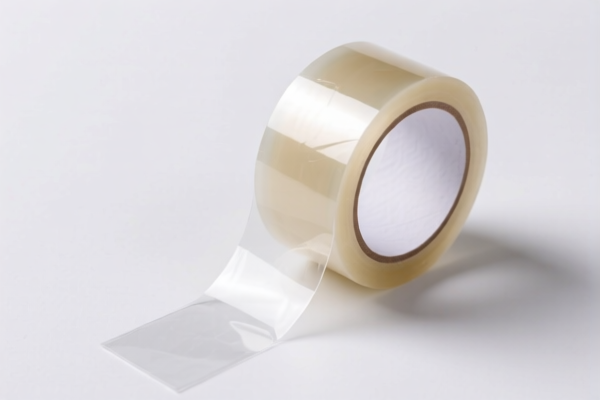
商品图片



AI分析
🌟 Transparent Fiber Reinforced Tape
🌐 HS Code & Tariff Guide | 2026 Latest Customs Classification & Duty Breakdown | Expert Clearance Strategy
📌 One Product, Multiple Codes — Why? How to Avoid Costly Mistakes
📦 1. Product Definition & Classification: What Exactly Is "Transparent Fiber Reinforced Tape"?
Transparent Fiber Reinforced Tape is a self-adhesive, flexible strip made with a plastic or synthetic base (e.g., polyester, polypropylene) reinforced with synthetic or artificial fibers (e.g., polyester, nylon, rayon) to enhance tensile strength, durability, and resistance to tearing.
It is commonly used in: - Industrial packaging - Automotive assembly - Electronics shielding - Construction reinforcement - High-stress labeling or marking
⚠️ Key Feature:
- Transparent → allows visibility of underlying surface
- Fiber-reinforced → structural integrity beyond standard adhesive tapes
- Self-adhesive roll form → sold in continuous卷装 (roll) format🔍 Critical Distinction:
- If the base material is non-woven fabric (e.g., synthetic fiber web), it may fall under textile-based non-woven tapes
- If the base is plastic with embedded fibers, it falls under plastic tapes with fiber reinforcement
📊 2. HS Code Classification Breakdown (2026 Official Tariff List)
| HS Code | Product Description | Key Matching Criteria | Tax Rate |
|---|---|---|---|
5603.11.00.70 |
Non-woven fabric based on artificial filaments, for use as tape | Made from artificial long filaments, non-woven structure, tape-like application | 35.0% |
5603.12.00.70 |
Non-woven fabric based on filaments or fibers, for use as tape | Contains filament or fiber base, non-woven, tape shape/form | 35.0% |
3919.10.20.10 |
Self-adhesive tapes of plastic, reinforced with fibers, in roll form | Plastic base, fiber reinforcement, roll format, self-adhesive | 40.8% |
3919.90.50.20 |
Other self-adhesive tapes of plastic, fiber-reinforced, in roll form | Fiber-reinforced plastic tape, non-specific type, tape application | 40.8% |
3926.90.55.00 |
Tapes containing textile fibers, made of plastic or other materials | Contains textile fibers, plastic matrix, tape form, non-woven or composite | 40.1% |
✅ Why So Many Codes?
The classification hinges on: - Primary material (non-woven textile vs. plastic) - Reinforcement type (synthetic fibers vs. textile fibers) - Structure (non-woven web vs. plastic film with fibers) - Form (roll, tape, strip)
💰 3. 2026 Tariff Breakdown: Understanding the Tax Structure (US Market)
✅ Applicable Country: United States (US)
✅ Origin: China (CN)
✅ Effective Date: November 10, 2025 (inclusive)
✅ Legal Basis: Section 301, IEEPA, and USTR Annex 1A
🎯 1. 5603.11.00.70 — Non-Woven Fabric (Artificial Filaments), Tape Form
| Component | Details |
|---|---|
| Base Tariff | 0.0% (ad valorem) |
| Section 301 (USITC) Add-on | +25.0% (from USITC Footnote 9903.88.01) |
| IEEPA (International Emergency Economic Powers Act) | +10.0% (applies to goods from China/HK) |
| Total Effective Duty | 35.0% |
| Tax Calculation | CIF Value × 35.0% |
| De Minimis Exemption | ❌ Not eligible (denied under US law) |
| Legal Pathway | IEEPA:9903.01.25 → IEEPA:9903.01.24 → USITC:5603.11.00.70 → FOOTNOTE:9903.88.01 |
📌 Why This Code?
Applies when the tape is non-woven, made from artificial long filaments, and used in tape form.
Common in industrial masking tapes, protective tapes, reinforced labeling tapes.
🎯 2. 5603.12.00.70 — Non-Woven Fabric (Filaments/Fibers), Tape Form
| Component | Details |
|---|---|
| Base Tariff | 0.0% |
| Section 301 (USITC) Add-on | +25.0% |
| IEEPA Add-on | +10.0% |
| Total Effective Duty | 35.0% |
| Tax Calculation | CIF × 35.0% |
| De Minimis | ❌ Not eligible |
| Legal Pathway | IEEPA:9901.25 → IEEPA:9903.01.24 → USITC:5603.12.00.70 → FOOTNOTE:9903.88.01 |
📌 Why This Code?
Applies to non-woven tapes made from any filament or fiber, regardless of origin.
Used for high-strength tapes in automotive, aerospace, and construction.
🎯 3. 3919.10.20.10 — Plastic Self-Adhesive Tape, Fiber-Reinforced, in Roll
| Component | Details |
|---|---|
| Base Tariff | 5.8% |
| Section 301 (USITC) Add-on | +25.0% |
| IEEPA Add-on | +10.0% |
| Total Effective Duty | 40.8% |
| Tax Calculation | CIF × 40.8% |
| De Minimis | ❌ Not eligible |
| Legal Pathway | IEEPA:9903.01.25 → IEEPA:9903.01.24 → 3919.10.20.10 → FOOTNOTE:9903.88.01 |
📌 Why This Code?
Applies when the base is plastic (e.g., polyester film, polypropylene), reinforced with fibers, and sold as a roll.
Common in industrial tapes, electrical insulation tapes, packaging tapes.
🎯 4. 3919.90.50.20 — Other Plastic Self-Adhesive Tapes, Fiber-Reinforced
| Component | Details |
|---|---|
| Base Tariff | 5.8% |
| Section 301 (USITC) Add-on | +25.0% |
| IEEPA Add-on | +10.0% |
| Total Effective Duty | 40.8% |
| Tax Calculation | CIF × 40.8% |
| De Minimis | ❌ Not eligible |
| Legal Pathway | IEEPA:9903.01.25 → IEEPA:9903.01.24 → 3919.90.50.20 → FOOTNOTE:9903.88.01 |
📌 Why This Code?
Applies to non-specific plastic tapes with fiber reinforcement, not covered by3919.10.20.10.
Often used for specialty tapes, composite tapes, high-performance tapes.
🎯 5. 3926.90.55.00 — Tapes Containing Textile Fibers, Made of Plastic or Other Materials
| Component | Details |
|---|---|
| Base Tariff | 5.1% |
| Section 301 (USITC) Add-on | +25.0% |
| IEEPA Add-on | +10.0% |
| Total Effective Duty | 40.1% |
| Tax Calculation | CIF × 40.1% |
| De Minimis | ❌ Not eligible |
| Legal Pathway | IEEPA:9903.01.25 → IEEPA:9903.01.24 → 3926.90.55.00 → FOOTNOTE:9903.88.01 |
📌 Why This Code?
Applies when the tape contains textile fibers (e.g., cotton, rayon) embedded in a plastic matrix.
Often used in textile-reinforced tapes, labeling tapes, decorative tapes.
🛠️ 4. Customs Clearance Best Practices (Pro Tips to Avoid Costly Errors)
✅ 1. Essential Documentation (MUST-HAVE)
| Document | Required? | Why It Matters |
|---|---|---|
| ✅ Product Specifications | ✔️ | Detail material composition, fiber type, base material, thickness |
| ✅ Material Safety Data Sheet (MSDS) | ✔️ | Proves fiber type (synthetic vs. textile) |
| ✅ Technical Drawings / Cross-Section Diagram | ✔️ | Shows structure: is it non-woven? plastic film? fiber embedded? |
| ✅ Product Photos (Roll, Cut Edge, Backing) | ✔️ | Critical for customs to verify structure |
| ✅ Commercial Invoice | ✔️ | Must state: “Transparent Fiber Reinforced Tape, in Roll Form” |
| ✅ Certificate of Origin (CO) | ✔️ | Needed for tariff eligibility; non-China origin may avoid 301/IEEPA |
| ✅ Test Report (e.g., tensile strength, adhesion) | ✔️ | Supports classification (e.g., “fiber-reinforced” claim) |
✅ 2.申报技巧(Key Rules of Thumb)
🔥 “Structure Determines Code — Not Name!”
| Scenario | Correct HS Code | Risk of Error |
|---|---|---|
| Tape made from non-woven synthetic fibers, transparent, tape shape | 5603.11.00.70 or 5603.12.00.70 |
❌ Misclassifying as plastic → higher tax |
| Tape with plastic film + synthetic fibers, roll format, self-adhesive | 3919.10.20.10 or 3919.90.50.20 |
❌ Calling it “non-woven” → wrong tax |
| Tape with textile fibers (e.g., rayon) in plastic matrix | 3926.90.55.00 |
❌ Mislabeling as “synthetic” → wrong classification |
✅ Pro Tip:
Use exact material description in invoice:“Transparent self-adhesive tape, 50 mm wide, 100 m roll, made of polyester film reinforced with nylon fibers, for industrial use”
✅ 3. Special Cases & Risk Mitigation
| Scenario | Recommended Action |
|---|---|
| Mixed fiber types (synthetic + textile) | Declare as textile-containing if textile fiber >50% → use 3926.90.55.00 |
| Tape with 100% synthetic fibers, non-woven base | Use 5603.11.00.70 or 5603.12.00.70 |
| Tape with 100% plastic base, fiber-reinforced | Use 3919.10.20.10 or 3919.90.50.20 |
| Origin from Vietnam, Mexico, Thailand, Malaysia | Apply for IEEPA exemption → 0% duty on most codes |
| Pre-shipment testing required | Get pre-ruling (Advance Ruling) from U.S. Customs |
🌍 5. Global Tariff Comparison (2026)
| Country | Recommended HS Code | Base Duty | Additional Taxes | Total Duty | Notes |
|---|---|---|---|---|---|
| 🇺🇸 USA (China origin) | 5603.11.00.70 / 3919.10.20.10 |
0–5.8% | +25% +10% | 35.0%–40.8% | High cost |
| 🇨🇳 China | 5603.11.00.70 / 3919.10.20.10 |
5% | None | 5% | Low duty |
| 🇪🇺 EU | 5603.11.00.70 / 3919.10.20.10 |
0% (if CE) | None | 0% | No extra taxes |
| 🇦🇺 Australia | 3919.10.20.10 |
5% | None | 5% | Low cost |
| 🇯🇵 Japan | 3919.10.20.10 |
0% | None | 0% | No extra taxes |
📌 Insight:
- The U.S. is the only market with 35%–40.8% duty on this product from China
- Vietnam/Mexico origin can avoid 301/IEEPA → 0% duty
- EU/Japan/Australia offer low or zero duty for compliant goods
🚨 6. Common Mistakes & Costly Pitfalls
❌ Mistake 1: Calling a plastic-fiber tape “non-woven” to avoid higher tax
👉 Result: Incorrect classification → penalties, delays, seizure
❌ Mistake 2: Not providing cross-section photo or material spec
👉 Result: Customs assumes worst-case → higher duty, audit risk
❌ Mistake 3: Shipping from China to U.S. without pre-ruling
👉 Result: 40.8% tax on $10,000 shipment = $4,080 in duties — no refund
❌ Mistake 4: Using generic name like “adhesive tape” on invoice
👉 Result: No clear classification → customs delays, reclassification
✅ Correct Approach:
“Transparent Self-Adhesive Tape, 50 mm × 100 m, Polyester Film Reinforced with Nylon Fibers, Roll Form, for Industrial Use — HS: 3919.10.20.10”
🎯 7. Final Verdict: Get It Right the First Time!
🔥 Remember the Golden Rule:
“The structure, not the name, determines the HS Code.”
📌 Tax Summary: - Non-woven + synthetic fibers → 35.0%
- Plastic + fiber reinforcement → 40.1%–40.8%
- Textile fibers in plastic → 40.1%
- China origin + U.S. import → No de minimis, no exemption
📣 Immediate Action Steps
📞 Contact a U.S. Customs Broker + Provide:
- Product photos (cross-section)
- Material specs (fiber type, base)
- Commercial invoice
- Request Advance Ruling (Pre-Decision) on HS Code🚀 Strategic Move:
Consider relocating production to Vietnam/Mexico to avoid 301/IEEPA tariffs → 0% duty in U.S.
✨ Pro Tip:
If your tape uses >50% textile fibers, it’s likely
3926.90.55.00→ 40.1%
If it’s non-woven synthetic, it’s5603.11.00.70→ 35.0%
Small difference, big tax impact!
📌 Bottom Line:
Accurate classification = 5–10% tax savings
Wrong code = 40%+ duty, penalties, delays
📣 Your Tape. Your Risk. Your Profit.
✅ Classify Right. Pay Less. Ship Faster.
💼 Let precision drive your global success!
🎯 Professional Clearance Starts with Perfect Classification!
🚀 Don’t let a wrong HS Code sink your shipment!
用户评价
关于 HS 编码归类
协调制度(HS)是由世界海关组织(WCO)制定的国际贸易商品分类标准。全球 200 多个国家采用 HS 系统作为海关关税、贸易统计和进出口监管的基础。
每个 HS 编码遵循以下层级结构:
- 章(2 位)——商品大类(例如:第 84 章:机器和机械设备)
- 品目(4 位)——章内的更具体分类
- 子目(6 位)——国际通用细分,所有 WCO 成员国统一使用
- 本国细分(8-10 位)——各国自行扩展的细分编码,如美国 HTSUS 10 位编码
正确的 HS 编码归类对于顺利通关、准确缴纳关税和遵守贸易法规至关重要。错误归类可能导致海关延误、多缴关税或罚款。
从CN进口到US时,适用的关税税率可能包括:
- 最惠国(MFN)税率——适用于 WTO 成员国的标准关税税率
- 普通税率——适用于无贸易协定国家
- 贸易救济关税——附加关税,如 301 条款(反倾销)、232 条款(国家安全)或反补贴税
本页内容仅供参考。如需正式归类,请咨询当地海关或持牌报关代理。