Transparent Printable Tape
CN → US| HS编码 | 关税税率 | 原产国 | 目的国 | 文档 |
|---|---|---|---|---|
| 3919102055 | 40.8% | CN | US | 官方文档 |
| 4811411000 | 35.0% | CN | US | 官方文档 |
| 3919102030 | 40.8% | CN | US | 官方文档 |
| 3919102040 | 40.8% | CN | US | 官方文档 |
| 3919905040 | 40.8% | CN | US | 官方文档 |
商品图片
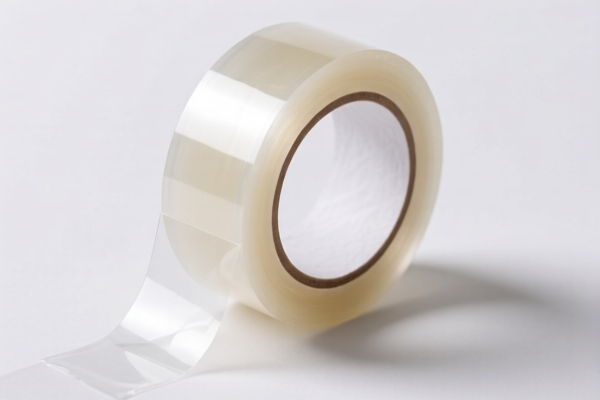
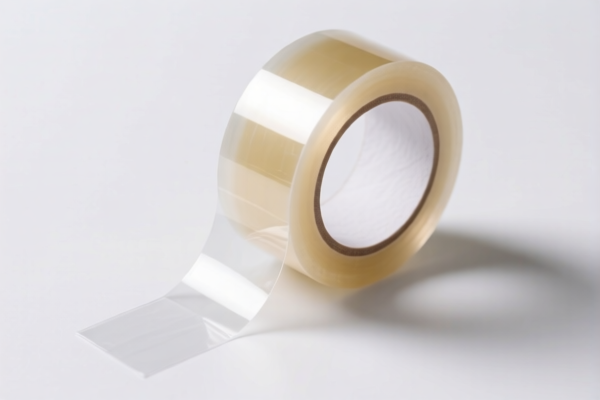
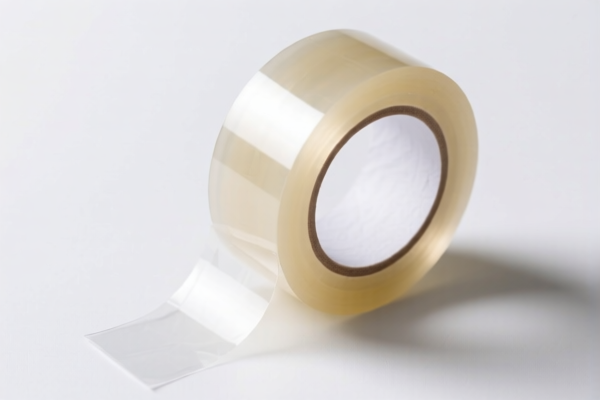
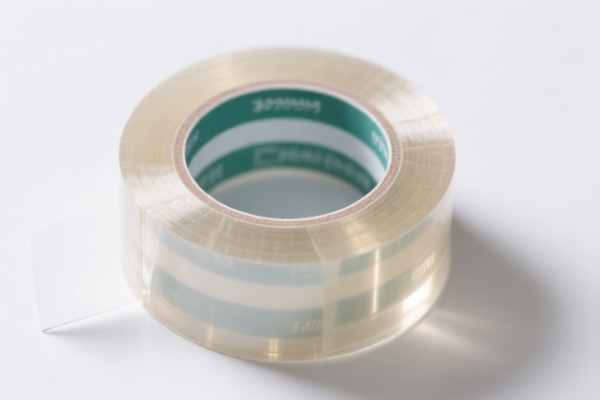
AI分析
🧊 Transparent Printable Tape (移印胶带/透明印刷胶带)
🌐 HS Code Reference & Customs Clearance Guide | 2026 Latest Tariff Breakdown | Professional Entry Strategy
📌 I. Product Definition & Classification: Do You Really Know "Transparent Printable Tape"?
Transparent Printable Tape is a specialized adhesive product used primarily for marking, labeling, or screen printing (silkscreen) on various surfaces. In international trade, its classification hinges on its base material (Plastic vs. Rubber) and its physical form (self-adhesive rolls/bands).
Core Distinction:
* Plastic-based Tape (e.g., PET, PVC, PP): Falls under Chapter 39 (Plastics).
* Rubber-based Tape (e.g., Silicone Rubber): Also falls under Chapter 39 (Rubber/Plastic articles), but specific sub-headings may vary based on chemical composition.
* Paper-based Tape: Falls under Chapter 48 (Paper/Paperboard). Note: The provided data includes a paper-based code 4811.41.10.00 which is critical for specific types of transparent/translucent adhesive tapes.
⚠️ Key Classification Point:
- If the backing is Plastic → Look to HS Code 3919.
- If the backing is Paper (even if translucent/transparent for printing) → Look to HS Code 4811.
- If it is a general "economic type" tape without specific printing features, it may fall under 3919.90.
📦 II. HS Code Classification Details (2026 Latest Tariff Authoritative Comparison)
Based on the provided data, here are the specific HS Codes applicable to Transparent Printable Tape:
| HS Code | Product Description | Material/Form | Key Characteristics |
|---|---|---|---|
3919.10.20.55 |
Transparent Screen Printing Tape | Silicone Rubber or Plastic | Self-adhesive strip/roll; General category. |
4811.41.10.00 |
Transparent Screen Printing Tape | Paper-based (Self-adhesive) | Strips or rolls; Meets self-adhesive paper characteristics. |
3919.10.20.30 |
Transparent Screen Printing Tape | Plastic | Self-adhesive; No obvious conflict with name. |
3919.10.20.40 |
Economic Type Transparent Tape | Plastic (Self-adhesive) | Economic grade; Material inferred as plastic self-adhesive. |
3919.90.50.40 |
Economic Type Transparent Tape | Plastic (Flat Self-adhesive) | Flat plastic article; General self-adhesive use. |
🔍 Critical Reminder:
- Chapter 39 (3919) covers plastics and rubbers. Most common "transparent" tapes are plastic-based.
- Chapter 48 (4811) covers paper. Some "transparent" printing tapes are actually translucent paper-backed tapes used for screen printing. Do not misclassify a paper-based tape as plastic.
- "Economic Type" codes (3919.90) are for generic tapes, while specific codes (3919.10) are for self-adhesive plastic tapes of specific widths/forms.
💰 III. 2026 Latest Tariff Rate Breakdown (Including Surcharges & Policy Add-ons)
✅ Applicable Country: United States (US)
✅ Origin: China (CN)
✅ Effective Date: 2025/2026 (Current Trade Environment)
🎯 1. 3919.10.20.55 – Transparent Screen Printing Tape (Rubber/Plastic)
| Item | Details |
|---|---|
| Base Tariff | 5.8% (Ad Valorem) |
| Section 301 Surcharge | +25.0% |
| Section 122 Tariff | +10.0% |
| Total Tax Rate | 40.8% |
| Tax Calculation | CIF Value × 40.8% |
| De Minimis Exemption? | ❌ No (Cannot use $800 de minimis for this classification under current high-tariff regimes) |
| Legal Basis Path | Base: 5.8% + Section 301: 25% + Section 122: 10% |
📌 Explanation:
- The Base 5.8% is the standard Most Favored Nation (MFN) rate for self-adhesive plastic/rubber tapes.
- The 25% Section 301 Surcharge applies to all goods from China in this HS category.
- The 10% Section 122 Tariff is an additional penalty tariff often applied to specific Chinese imports.
- Total 40.8% is extremely high. Cost planning must reflect this.
🎯 2. 4811.41.10.00 – Transparent Screen Printing Tape (Paper-Based)
| Item | Details |
|---|---|
| Base Tariff | 0.0% |
| Section 301 Surcharge | +25.0% |
| Section 122 Tariff | +10.0% |
| Total Tax Rate | 35.0% |
| Tax Calculation | CIF Value × 35.0% |
| De Minimis Exemption? | ❌ No |
| Legal Basis Path | Base: 0.0% + Section 301: 25% + Section 122: 10% |
📌 Advantage:
- This code has a 0% Base Tariff, making it 5.8% cheaper than plastic-based codes (3919.10.20.55).
- Crucial: If your tape is paper-backed (even if translucent for printing), use this code to save costs. Do not force it into Chapter 39 if it is paper.
🎯 3. 3919.10.20.30 & 3919.10.20.40 – Plastic Transparent Tape
| Item | Details |
|---|---|
| Base Tariff | 5.8% |
| Section 301 Surcharge | +25.0% |
| Section 122 Tariff | +10.0% |
| Total Tax Rate | 40.8% |
| Tax Calculation | CIF Value × 40.8% |
📌 Note: These codes are standard for plastic self-adhesive tapes. No special exemptions apply.
🎯 4. 3919.90.50.40 – Economic Type Transparent Tape
| Item | Details |
|---|---|
| Base Tariff | 5.8% |
| Section 301 Surcharge | +25.0% |
| Section 122 Tariff | +10.0% |
| Total Tax Rate | 40.8% |
📌 Note: "Economic" does not mean "Cheaper Tariff." It refers to the product grade. The tax burden is identical to other plastic tapes in Chapter 39.
🛠️ IV. Customs Clearance Operational Advice (Pitfall Avoidance Guide)
✅ 1. Required Documentation Checklist
| Document | Required? | Notes |
|---|---|---|
| ✅ Product Specification Sheet | ✔️ | Must specify material (Plastic/Paper/Rubber), thickness, width, adhesive type. |
| ✅ Material Composition Certificate | ✔️ | Critical: Prove if it is Paper (HS 4811) or Plastic (HS 3919). Misclassification leads to fines. |
| ✅ Product Photos | ✔️ | Clear images of the roll, label, and transparent/translucent nature. |
| ✅ Commercial Invoice | ✔️ | Must describe product as "Transparent Printable Tape" or "Screen Printing Tape," not just "Tape." |
| ✅ Packing List | ✔️ | Net/Gross weight, number of rolls/boxes. |
| ✅ Section 301 Exclusion Proof (if any) | ❌ | Check if your specific product was excluded from Section 301 in previous rounds. Most tapes are not excluded. |
✅ 2. Declaration Tips (Key Mantras)
🔥 “Material is King, Chapter 39 vs 48!”
| Scenario | Correct HS Code | Risk of Wrong Code |
|---|---|---|
| Plastic Backing (PET/PP/PVC) | 3919.10.20.55 / .30 / .40 |
If misdeclared as Paper → 0% base tax → Huge Penalty + Back Taxes (40.8%) |
| Paper Backing (Translucent) | 4811.41.10.00 |
If misdeclared as Plastic → Pay 5.8% base unnecessarily (save 5.8%) |
| General "Economic" Tape | 3919.90.50.40 |
Ensure it’s not a specialized "printable" tape that requires a more specific code. |
| Rubber/Silicone Backing | 3919.10.20.55 |
Rubber tapes are often grouped under 3919 if they are self-adhesive sheets/strips. |
✅ 3. Special Circumstances Handling
| Situation | Handling Advice |
|---|---|
| Mixed Shipments | If a shipment contains both plastic and paper tapes, separate them or declare clearly to avoid confusion during inspection. |
| Sample Shipments | Even for samples, if the value exceeds $800, full declaration is required. For <$800, de minimis may apply, but high-tariff items like these are often denied de minimis by CBP. Check current CBP rulings. |
| Re-Export | If importing under a Foreign Trade Zone (FTZ), you can defer or reduce duties if the tape is re-exported without U.S. distribution. |
🌍 V. Global Market Clearance Comparison (2026 Latest)
| Country/Region | Recommended HS Code | Tariff (China Origin) | Notes |
|---|---|---|---|
| 🇺🇸 USA | 3919.10.20.55 / 4811.41.10.00 |
40.8% (Plastic) / 35.0% (Paper) | High Section 301 & 122 tariffs apply. |
| 🇨🇳 China | 3919.10.20.55 |
~5.0% | No Section 301. Standard import duty. |
| 🇪🇺 EU | 3919.10 / 4811.41 |
0% - 3% | No punitive tariffs. Standard EU duties apply. |
| 🇬🇧 UK | 3919.10 / 4811.41 |
0% - 3% | Post-Brexit tariffs are generally low. |
| 🇨🇦 Canada | 3919.10 / 4811.41 |
0% - 5% | No Section 301 equivalent. |
📌 Conclusion:
- The US market is significantly more expensive due to trade policies.
- Paper-based tapes (4811.41.10.00) offer a 5.8% savings in base tariff compared to plastic.
- Consider supply chain diversification (e.g., manufacturing in Vietnam/Thailand) to avoid Section 301 tariffs, if feasible.
📌 VI. Common Errors & Pitfall Guide (Lessons Learned)
❌ Error 1: Declaring a Paper-based transparent tape as Plastic (3919).
👉 Consequence: Overpaying 5.8% base tariff. While not illegal, it’s a cost leak.
👉 Fix: Use 4811.41.10.00.
❌ Error 2: Declaring a Plastic-based transparent tape as Paper (4811).
👉 Consequence: Severe Penalty. Customs will reclassify to 3919, assess 40.8% tariff, plus fines for undervaluation/misclassification.
👉 Fix: Use 3919.10.20.55 or similar.
❌ Error 3: Ignoring Section 122 Tariff.
👉 Consequence: Under-declaring tax. CBP may audit and charge the additional 10%.
👉 Fix: Always include the 10% in cost calculations for US imports.
✅ Correct Declaration Example:
"Transparent Screen Printing Tape, Plastic/PET Base, Self-Adhesive, Roll Form, Width: 50mm, Length: 100m, Origin: China"
🎯 VII. Conclusion: Professional Declaration, Cost Optimization!
🎯 Remember the Mantra:
🔹 "Paper is 0% Base, Plastic is 5.8% Base."
🔹 "301 + 122 = 35% or 40.8%."
🔹 "Don't guess the material, prove it!"
📌 Pro Tip:
If you have large volumes, consider applying for a Section 301 Exclusion if available for your specific product type. However, for standard transparent tapes, exclusions are rare.
Pre-shipment classification review is mandatory to avoid clearance delays and unexpected costs.
📣 Immediate Action:
📞 Consult a licensed customs broker + Provide Material SDS (Safety Data Sheet) + Verify HS Code Pre-Ruling
🚀 Ensure your Transparent Printable Tape clears US Customs smoothly with accurate tariff calculations!
✨ Professional Customs Clearance Starts with Accurate Classification!
💼 Every Percent of Tariff Saved is Pure Profit!
用户评价
关于 HS 编码归类
协调制度(HS)是由世界海关组织(WCO)制定的国际贸易商品分类标准。全球 200 多个国家采用 HS 系统作为海关关税、贸易统计和进出口监管的基础。
每个 HS 编码遵循以下层级结构:
- 章(2 位)——商品大类(例如:第 84 章:机器和机械设备)
- 品目(4 位)——章内的更具体分类
- 子目(6 位)——国际通用细分,所有 WCO 成员国统一使用
- 本国细分(8-10 位)——各国自行扩展的细分编码,如美国 HTSUS 10 位编码
正确的 HS 编码归类对于顺利通关、准确缴纳关税和遵守贸易法规至关重要。错误归类可能导致海关延误、多缴关税或罚款。
从CN进口到US时,适用的关税税率可能包括:
- 最惠国(MFN)税率——适用于 WTO 成员国的标准关税税率
- 普通税率——适用于无贸易协定国家
- 贸易救济关税——附加关税,如 301 条款(反倾销)、232 条款(国家安全)或反补贴税
本页内容仅供参考。如需正式归类,请咨询当地海关或持牌报关代理。