Transparent Protective Film
CN → US| HS编码 | 关税税率 | 原产国 | 目的国 | 文档 |
|---|---|---|---|---|
| 3921110000 | 40.3% | CN | US | 官方文档 |
| 3921905050 | 39.8% | CN | US | 官方文档 |
| 3920594000 | 35.0% | CN | US | 官方文档 |
| 3920591000 | 41.0% | CN | US | 官方文档 |
| 4811516000 | 35.0% | CN | US | 官方文档 |
| 4811594040 | 35.0% | CN | US | 官方文档 |
商品图片
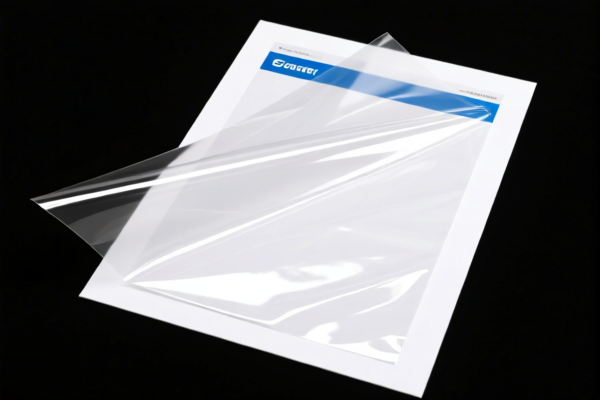
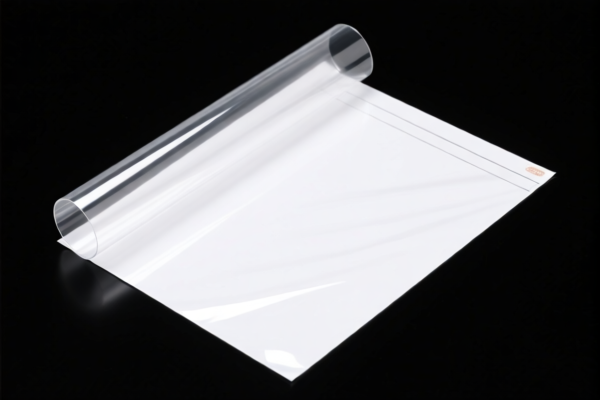
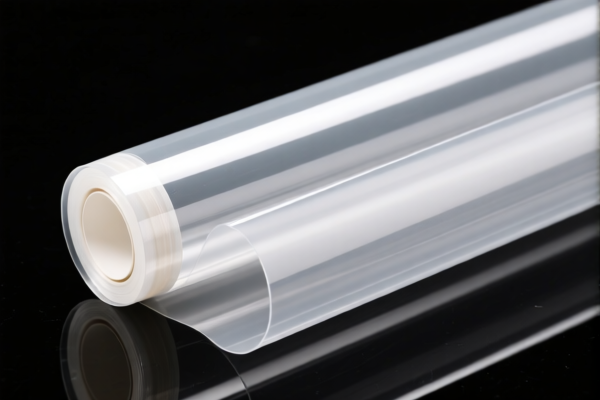
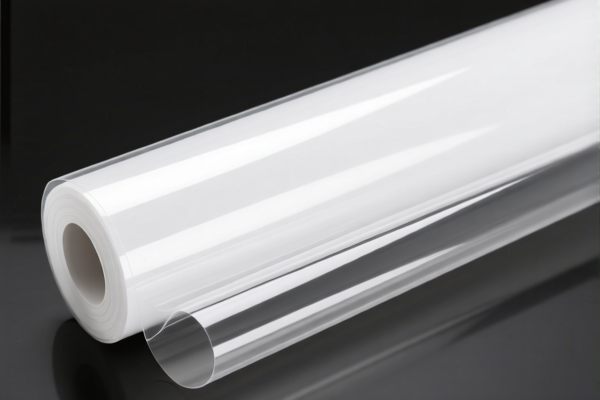
AI分析
🛡️ Transparent Protective Film (透明保护膜)
🌐 HS Code Reference & Customs Clearance Guide | 2026 Latest Tariff Analysis | Professional Strategy
📌 I. Product Definition & Classification: What Exactly is "Transparent Protective Film"?
Transparent Protective Film is a versatile packaging and industrial material primarily used to protect surfaces during transportation, storage, and processing. In international trade, it is rarely a single commodity; its classification depends heavily on the material composition, thickness/form, and surface treatment.
It generally falls into two major categories: 1. Plastic Films (Chapter 39): If the core material is plastic (e.g., acrylic, PVC, PE) without significant paper backing. 2. Paper/Cardboard Films (Chapter 48): If the base is paper or paperboard coated or covered with plastic/resin.
⚠️ Key Distinction Point:
- If it is a plastic sheet/film (even if coated) → Look to Chapter 39 (e.g., 3920/3921).
- If it is paper-based with a plastic coating → Look to Chapter 48.
- Ambiguity: Without clear material specs, customs may default to "Other" categories or "Plastic" depending on the primary characteristic.
📦 II. HS Code Classification Matrix (Based on Provided Data)
The following HS codes are derived from the specific data provided for "Transparent Protective Film." Note that taxes vary significantly based on the specific plastic polymer type (e.g., Acrylic vs. Other Plastics).
| HS Code | Product Description & Logic | Material Inference | Key Characteristic |
|---|---|---|---|
3921.11.00.00 |
Films of plastics (specifically polycarbonate or other thermoplastics) | Inferred as Plastic | Form: Film; No conflict identified. |
3921.90.50.50 |
Other plates, sheets, film, foil, and strip (Falling under "Other") | Inferred as Plastic (based on transparency) | Form: Film; "Catch-all" category for other plastics. |
3920.59.40.00 |
Other plates, sheets, film... of acrylic polymers | Inferred as Acrylic Plastic | Form: Transparent sheet/film; Specific to acrylic. |
3920.59.10.00 |
Plates, sheets... of acrylic polymers (specific subclass) | Inferred as Acrylic Polymer | Form: Film; No conflict. |
4811.51.60.00 |
Paper coated/covered with plastics (Adhesive tapes or similar) | Inferred as Plastic-Coated Paper | Form: Covers plastic features; No weight/base conflict. |
4811.59.40.40 |
Other paper coated/covered with plastics | Inferred as Plastic/Resin Film on Paper | Form: Coated/Covered plastic feature; "Other" category. |
🔍 Critical Note:
- Chapter 39 codes are generally preferred for pure plastic protective films (e.g., PET, Acrylic, PVC).
- Chapter 48 codes apply only if the backing is primarily paper/cardboard. If the "transparent" nature is due to a plastic layer on paper, these codes apply.
- Acrylic (PMMA) has distinct subheadings (3920.59...) which may offer different tax rates compared to "Other Plastics" (3921...).
💰 III. 2026 Tariff Rate Breakdown (Including Additional Duties)
✅ Applicable Country: United States (US)
✅ Origin: China (CN)
✅ Effective Date: Post-November 2025 (Current Regulatory Environment)
The provided data indicates a consistent pattern of high tariffs due to Section 301 and Section 122 tariffs. Below is the detailed breakdown for each HS Code category.
🎯 1. Plastic-Based Films (Chapter 39)
📌 A. General Plastic Films
- HS Codes:
3921.11.00.00,3921.90.50.50 - Material: Inferred Plastic (General/Acrylic not specified)
| Component | Rate | Explanation |
|---|---|---|
| Base Tariff | 4.8% - 5.3% | Standard Most Favored Nation (MFN) rate. |
| Section 301 (Add'l) | +25.0% | "Trade War" tariff on Chinese goods. |
| Section 122 Tariff | +10.0% | Specific regulatory surcharge (likely related to recent executive orders or specific trade remedies). |
| 🔴 TOTAL TAX | 39.8% - 40.3% | High Cost Impact |
Insight:
3921.11.00.00carries the highest burden at 40.3%, while3921.90.50.50is slightly lower at 39.8%. The difference lies in the base MFN rate (5.3% vs 4.8%).
📌 B. Acrylic-Specific Films
- HS Codes:
3920.59.40.00,3920.59.10.00
| HS Code | Base Tariff | Add'l 301 | Add'l 122 | 🔴 TOTAL TAX | Logic |
|---|---|---|---|---|---|
3920.59.40.00 |
0.0% | +25.0% | +10.0% | 35.0% | Lowest Base Rate! Acrylic polymers often enjoy lower MFN duties. |
3920.59.10.00 |
6.0% | +25.0% | +10.0% | 41.0% | Higher base rate pushes total tax above general plastic films. |
💡 Strategy Alert: If your protective film is made of Acrylic (PMMA), targeting
3920.59.40.00can save you 5.3% in total taxes compared to3921.11.00.00. This is a critical optimization point.
🎯 2. Paper/Resin-Coated Films (Chapter 48)
- HS Codes:
4811.51.60.00,4811.59.40.40
| Component | Rate | Explanation |
|---|---|---|
| Base Tariff | 0.0% | Paper products often have lower MFN rates. |
| Section 301 (Add'l) | +25.0% | Applies to Chinese origin goods. |
| Section 122 Tariff | +10.0% | Applies regardless of base rate. |
| 🔴 TOTAL TAX | 35.0% | Competitive Rate |
Insight: Both Chapter 48 codes listed result in a 35.0% total tax rate. This is the lowest total tax rate among all provided options, provided the product qualifies as "paper coated/covered with plastic."
🛠️ IV. Customs Clearance Practical Advice (Avoid Pitfalls)
✅ 1. Critical Documentation Checklist
To prevent misclassification and delays, you must provide:
| Document | Requirement | Why It Matters |
|---|---|---|
| Material Composition Statement | Must specify % of Plastic vs. Paper. | Determines if it falls under Ch 39 (Plastic) or Ch 48 (Paper). |
| Technical Data Sheet (TDS) | Shows thickness, polymer type (e.g., PMMA, PET, PE). | Crucial for distinguishing Acrylic (3920.59) from "Other Plastic" (3921). |
| Product Photos | Clear images of the film, cross-section, and backing. | Proves "Transparent" nature and lack of adhesive (if non-adhesive). |
| Commercial Invoice | Description: "Transparent Protective Film, Plastic/Paper Base." | Must match HS Code description exactly. |
| Origin Certificate | Proof of Chinese Origin. | Triggers Section 301 & 122 tariffs. |
✅ 2. Classification Strategy & Tax Optimization
🔥 "Material is King, Polymer is Queen!"
| Scenario | Recommended HS Code | Total Tax | Reason |
|---|---|---|---|
| Pure Acrylic Film (PMMA) | 3920.59.40.00 |
35.0% | Lowest total tax among plastic films. Zero base duty. |
| Plastic-Coated Paper | 4811.51.60.00 or 4811.59.40.40 |
35.0% | Lowest total tax overall, IF material qualifies as paper-based. |
| General Plastic Film (PET/PE) | 3921.11.00.00 |
40.3% | Highest risk/highest cost. Avoid if possible. |
| General Plastic (Other) | 3921.90.50.50 |
39.8% | Slightly better than above, but still high. |
| Acrylic (Specific Subclass) | 3920.59.10.00 |
41.0% | Avoid. High base duty makes it expensive. |
✅ 3. Special Handling & Warnings
| Risk Factor | Mitigation Strategy |
|---|---|
| Misclassification as "Paper" | If the plastic layer is >50% of weight/character, Customs may reject Ch 48 and move to Ch 39, increasing tax. Be honest about composition. |
| Ambiguous "Plastic" | Do not just write "Plastic." Specify Acrylic if true. If it is PVC or PE, you are stuck with higher Ch 39 rates (3921...). |
| Section 122 Tariff | This 10% surcharge is likely unavoidable for Chinese-origin goods unless a specific exemption applies. Budget for it. |
| De Minimis Exemption | ❌ NOT APPLICABLE. All these codes have high rates and are likely flagged for "deny_de_minimis" (below $800). Plan for full commercial entry. |
🌍 V. Market Comparison & Conclusion
| Market | Recommended HS (Acrylic) | Est. Total Duty | Note |
|---|---|---|---|
| 🇺🇸 USA | 3920.59.40.00 |
35.0% | Highest total tax due to Section 301 + 122. |
| 🇨🇳 China | 3920.59.40.00 |
~5-10% | Import duty + VAT. No Section 301. |
| 🇪🇺 EU | 3920.59.40.00 |
~6.5% | Standard EU tariff. No Section 301. |
| 🇻🇳 Vietnam | 3920.59.40.00 |
~0-5% | Potential for lower duties if OFP rules met. |
📌 Final Verdict: 1. Identify the Material Accurately: Is it Acrylic? Is it Paper-backed? 2. Aim for
3920.59.40.00or4811.5x.xxxx: These offer the 35.0% total tax rate, which is significantly better than the ~40-41% for other plastic films. 3. Prepare for High Costs: The combination of 25% (Sec 301) + 10% (Sec 122) + Base Duty makes this product expensive to import into the US. Price your goods accordingly.
📌 VI. Common Mistakes & Pitfalls
❌ Mistake 1: Calling it "Plastic Wrap" when it's a rigid Acrylic Sheet.
👉 Consequence: Wrong HS Code (3920 vs 3921), potential penalties.
❌ Mistake 2: Ignoring the "Section 122" tariff.
👉 Consequence: Under-declaring taxes leads to seizures and fines.
❌ Mistake 3: Claiming "De Minimis" ($800 exemption) for small samples.
👉 Consequence: Packages held, taxed retroactively, and delayed.
✅ Correct Action:
"Transparent Protective Film, Acrylic Polymer, 0.5mm thick, Roll Form."
HS Code:3920.59.40.00
Total Duty: 35.0%
🎯 VII. Conclusion: Smart Classification, Lower Taxes
🎯 Key Takeaway:
🔹 "Acrylic is Gold, Paper is Silver."
🔹3920.59.40.00and4811.5xare your best friends with 35.0% total tax.
🔹 Avoid3921.11and3920.59.10unless necessary, as they cost 5-6% more.
📌 Pro Tip:
If you are importing large volumes, consider Advance Ruling from US Customs (CBP) to lock in the HS Code classification. This prevents audits and ensures you are paying the lowest legal rate.
📣 Immediate Action:
📞 Consult your freight forwarder to confirm if your film is Acrylic or General Plastic.
📄 Update your invoices to reflect the exact material composition.
💰 Adjust your Landed Cost Calculator to include 35-40% duty.
✨ Precision Classification Saves Money!
💼 Don't let "Transparent" confuse your Customs Broker!
用户评价
关于 HS 编码归类
协调制度(HS)是由世界海关组织(WCO)制定的国际贸易商品分类标准。全球 200 多个国家采用 HS 系统作为海关关税、贸易统计和进出口监管的基础。
每个 HS 编码遵循以下层级结构:
- 章(2 位)——商品大类(例如:第 84 章:机器和机械设备)
- 品目(4 位)——章内的更具体分类
- 子目(6 位)——国际通用细分,所有 WCO 成员国统一使用
- 本国细分(8-10 位)——各国自行扩展的细分编码,如美国 HTSUS 10 位编码
正确的 HS 编码归类对于顺利通关、准确缴纳关税和遵守贸易法规至关重要。错误归类可能导致海关延误、多缴关税或罚款。
从CN进口到US时,适用的关税税率可能包括:
- 最惠国(MFN)税率——适用于 WTO 成员国的标准关税税率
- 普通税率——适用于无贸易协定国家
- 贸易救济关税——附加关税,如 301 条款(反倾销)、232 条款(国家安全)或反补贴税
本页内容仅供参考。如需正式归类,请咨询当地海关或持牌报关代理。