Transparent Soundproof Sealing Strip
CN → US| HS编码 | 关税税率 | 原产国 | 目的国 | 文档 |
|---|---|---|---|---|
| 3926904510 | 38.5% | CN | US | 官方文档 |
| 3926904590 | 38.5% | CN | US | 官方文档 |
| 4016931010 | 37.5% | CN | US | 官方文档 |
| 4016935010 | 37.5% | CN | US | 官方文档 |
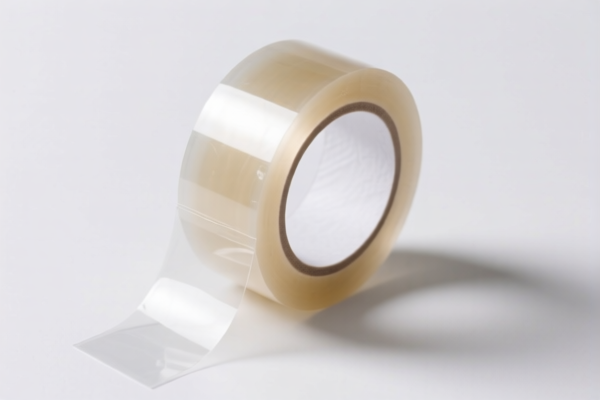
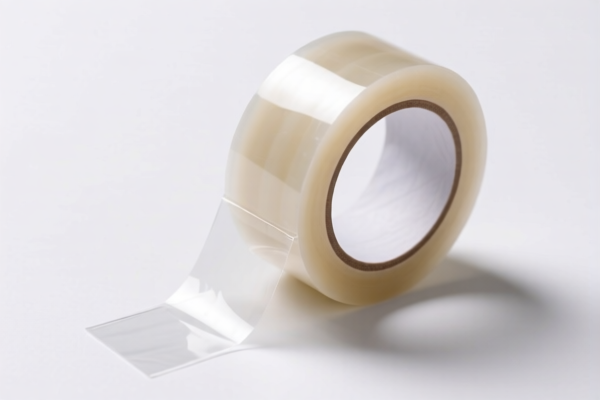
商品图片


AI分析
🛡️ Transparent Soundproof Sealing Strip (Soundproofing Seals & Gaskets)
🌐 HS Code Reference & Customs Clearance Guide | 2026 Latest Tariff Analysis | Professional Clearance Strategy
📌 I. Product Definition & Classification: Do You Really Understand "Soundproof Seals"?
Transparent soundproof sealing strips are critical components in architectural and industrial applications, used to block noise, dust, and air leakage in doors, windows, and machinery. In international trade, these products are strictly categorized based on their material composition. The most common distinction is between Vulcanized Rubber (natural/synthetic rubber) and Plastics (PVC, TPU, Silicone, etc.).
Key Distinction Points: - Vulcanized Rubber Seals: If the strip is made of natural rubber or synthetic rubber that has been vulcanized (hardened via sulfur/curing), it falls under Chapter 40. - Sub-case: If specifically designed for automotive use (e.g., car door/window seals), it may trigger higher tariffs. - Sub-case: If for general industrial/construction use, it falls under "Other" seals. - Plastic Seals: If the strip is made from PVC, TPU, or other plastics (headings 3901–3914), it falls under Chapter 39. - Note: Many "transparent soundproof strips" on the market are actually PVC or TPU, which are classified as plastics, not rubber.
⚠️ Critical Compliance Point:
- Misclassifying a Plastic (PVC) strip as Rubber (or vice versa) can lead to customs delays, fines, or incorrect duty calculations.
- Automotive vs. Non-Automotive: Automotive rubber seals attract a 25% Section 301 tariff in the US, whereas non-automotive rubber seals might have different exemptions or lower additional duties depending on specific subheadings (though our data shows 27.5% for automotive rubber seals).
📦 II. HS Code Classification Details (2026 Latest Tariff对照)
Based on the provided <DATA>, here are the precise HS codes and their corresponding tax implications.
| HS Code | Product Description | Material | Application Scope | Tax Rate (China to US) |
|---|---|---|---|---|
4016.93.10.10 |
O-Rings (Other articles of vulcanized rubber) | Vulcanized Rubber | Automotive Goods (Chapter 87) | 27.5% (Base 2.5% + Add'l 25.0%) |
4016.93.50.10 |
O-Rings (Other articles of vulcanized rubber) | Vulcanized Rubber | Non-Automotive (General seals, washers) | 27.5% (Base 2.5% + Add'l 25.0%) |
3926.90.45.10 |
O-Rings (Other articles of plastics) | Plastics (e.g., PVC, TPU) | General Use | 0.0% (Base 0.0% + Add'l 0.0%) |
3926.90.45.90 |
Other Seals (Other articles of plastics) | Plastics (e.g., PVC, TPU) | General Use | 0.0% (Base 0.0% + Add'l 0.0%) |
🔍 Key Insight:
- Plastic Seals (3926.90.45.xx) are Duty-Free (0%). If your "soundproof strip" is made of PVC or TPU, you should aim for this classification to save 27.5% in duties.
- Rubber Seals (4016.93.xx) incur a 27.5% total tariff. This includes a 2.5% MFN base rate and a 25% Section 301 punitive tariff.
- O-Rings vs. Strips: While the HS description mentions "O-Rings," flexible sealing strips are often classified under these codes if they function as seals. However, ensure the product name and usage match the "seal" definition.
💰 III. 2026 Latest Tariff Rate Breakdown
✅ Applicable Country: United States (US)
✅ Origin: China (CN)
✅ Effective Date: 2025+ (Current US Trade Policy)
🎯 1. Plastic Sealing Strips (HS: 3926.90.45.10 / 3926.90.45.90)
| Item | Details |
|---|---|
| Base Tariff | 0.0% (MFN Rate) |
| Section 301 Add'l Tariff | 0.0% (Exempt/Not Listed) |
| Total Tariff | 0.0% |
| Duty Calculation | CIF Value × 0% = $0 |
| De Minimis Exemption | ✅ Yes (for small packages under $800) |
| Legal Basis | USITC:3926.90.45.xx → No Footnote 9903 applied |
📌 Explanation:
- Plastic seals are currently exempt from Section 301 tariffs.
- This makes them highly competitive for export to the US.
- Tip: Clearly label materials as PVC, TPU, or Plastic to support this classification.
🎯 2. Rubber Sealing Strips (HS: 4016.93.10.10 / 4016.93.50.10)
| Item | Details |
|---|---|
| Base Tariff | 2.5% |
| Section 301 Add'l Tariff | 25.0% |
| Total Tariff | 27.5% |
| Duty Calculation | CIF Value × 27.5% |
| De Minimis Exemption | ❌ No (Section 301 goods are excluded from de minimis) |
| Legal Basis | USITC:4016.93.xx → FOOTNOTE:9903.88.01 (Section 301) |
📌 Explanation:
- 27.5% is a significant cost increase.
- Even if the rubber is "soft" or "transparent," if it is vulcanized rubber, it is subject to this tariff.
- Automotive vs. Non-Automotive: Both codes in our data show 27.5%. Ensure you select the correct subheading based on end-use (Chapter 87 for automotive).
🛠️ IV. Customs Clearance Practical Advice (Pitfall Avoidance Guide)
✅ 1. Documentation Checklist (Non-negotiable)
| Document | Required | Notes |
|---|---|---|
| ✅ Product Material Certificate | ✔️ | Must specify PVC/TPU (for 0%) or Vulcanized Rubber (for 27.5%). |
| ✅ Material Safety Data Sheet (MSDS) | ✔️ | Helps customs verify chemical composition. |
| ✅ Product Photos | ✔️ | Clear images of the strip, cross-section, and labeling. |
| ✅ Commercial Invoice | ✔️ | Must describe as "Soundproof Sealing Strip" + Material (e.g., "PVC Transparent Seal"). |
| ✅ Customs Ruling (Optional but Recommended) | ✔️ | Apply for an Advance Ruling if unsure about Material (Plastic vs. Rubber). |
✅ 2. Classification Strategy (Key Mantra)
🔥 "Plastic is Free, Rubber is 27.5%, Material is Key!"
| Scenario | Recommended HS Code | Duty Rate | Action |
|---|---|---|---|
| PVC/TPU Strip (Most Common) | 3926.90.45.10 or 3926.90.45.90 |
0% | Declare as "Plastic Sealing Strip." |
| Rubber Strip (Transparent/Silicone) | 4016.93.50.10 |
27.5% | Declare as "Rubber Seal." |
| Automotive Rubber Seal | 4016.93.10.10 |
27.5% | Declare as "Automotive Part." |
| Mixed Material (Rubber Core + Plastic Cover) | Consult Expert | Varies | May be classified by essential character. |
✅ 3. Special Cases & Tips
| Case | Handling Advice |
|---|---|
| "Silicone" Seals | Silicone is often classified under Rubber (Chapter 40) or Plastic (Chapter 39) depending on vulcanization. Check with supplier. If vulcanized silicone rubber → 27.5%. |
| Transparent Appearance | Transparency does not determine classification. A clear PVC strip is Plastic (0%), while a clear silicone rubber strip is Rubber (27.5%). |
| O-Ring vs. Strip | If the product is a continuous strip (not pre-cut O-rings), ensure the description says "Sealing Strip" or "Gasket Strip" to avoid confusion with "O-Ring" specific codes, though the tax rate is often similar in this dataset. |
🌍 V. Global Market Comparison (2026)
| Country/Region | Recommended HS Code | Duty Rate | Certification | Note |
|---|---|---|---|---|
| 🇺🇸 USA | 3926.90.45.10 (Plastic) |
0% | None | Best option for PVC/TPU. |
| 🇺🇸 USA | 4016.93.50.10 (Rubber) |
27.5% | None | High cost for rubber. |
| 🇨🇳 China | 4016.93.50.10 |
Low/Zero | None | Import duty is low. |
| 🇪🇺 EU | 4016.93 or 3926.90 |
~2.5-4% | REACH, RoHS | No Section 301 tariff. |
| 🇯🇵 Japan | 4016.93 or 3926.90 |
~0-2% | JIS, RoHS | Competitive. |
📌 Conclusion:
- USA is the only market with 27.5% penalty tariffs on Chinese rubber/plastic seals (depending on classification).
- Plastic (PVC/TPU) seals are duty-free in the US, making them the preferred choice for cost-sensitive exporters.
📌 VI. Common Mistakes & Pitfalls (Lessons Learned)
❌ Mistake 1: Calling a PVC Strip a "Rubber Seal"
👉 Consequence: Pay 27.5% instead of 0%.
✅ Fix: Always use "Plastic" or "PVC" in description if applicable.
❌ Mistake 2: Calling a Rubber Strip a "Plastic Seal"
👉 Consequence: Customs inspection, potential fraud charges, or forced reclassification + penalties.
✅ Fix: Verify material with supplier. If it's rubber, declare as rubber.
❌ Mistake 3: Ignoring Automotive Use for Rubber Seals
👉 Consequence: Incorrect HS code (4016.93.10.10 vs 4016.93.50.10). In this data, both are 27.5%, but correct classification is still required for trade statistics and potential future policy changes.
🎯 VII. Conclusion: Professional Classification Saves Money!
🎯 Remember the Mantra:
🔹 "Plastic is Free, Rubber is Expensive!"
🔹 "Check Material First: PVC/TPU → 0%, Rubber → 27.5%"
🔹 "Transparent Doesn't Mean Plastic – Check the Composition!"
📌 Pro Tip:
If your product is made of TPU (Thermoplastic Polyurethane), it is often classified as Plastic (3926.90) and enjoys 0% duty. Ensure your supplier labels it as "TPU" or "Plastic" and not "Rubber."
📣 Immediate Action:
📞 Confirm material with supplier: PVC/TPU (Plastic) or Vulcanized Rubber?
📝 Use correct HS Code: 3926.90.45.10 (Plastic) or 4016.93.50.10 (Rubber).
🚀 Save 27.5% Duty by classifying correctly!
✨ Accurate Classification = Maximum Profit!
💼 Don't let a material misclassification cost you 27.5%!
用户评价
关于 HS 编码归类
协调制度(HS)是由世界海关组织(WCO)制定的国际贸易商品分类标准。全球 200 多个国家采用 HS 系统作为海关关税、贸易统计和进出口监管的基础。
每个 HS 编码遵循以下层级结构:
- 章(2 位)——商品大类(例如:第 84 章:机器和机械设备)
- 品目(4 位)——章内的更具体分类
- 子目(6 位)——国际通用细分,所有 WCO 成员国统一使用
- 本国细分(8-10 位)——各国自行扩展的细分编码,如美国 HTSUS 10 位编码
正确的 HS 编码归类对于顺利通关、准确缴纳关税和遵守贸易法规至关重要。错误归类可能导致海关延误、多缴关税或罚款。
从CN进口到US时,适用的关税税率可能包括:
- 最惠国(MFN)税率——适用于 WTO 成员国的标准关税税率
- 普通税率——适用于无贸易协定国家
- 贸易救济关税——附加关税,如 301 条款(反倾销)、232 条款(国家安全)或反补贴税
本页内容仅供参考。如需正式归类,请咨询当地海关或持牌报关代理。