Transparent Tape (Automotive)
CN → US| HS编码 | 关税税率 | 原产国 | 目的国 | 文档 |
|---|---|---|---|---|
| 3919905040 | 40.8% | CN | US | 官方文档 |
| 3919102040 | 40.8% | CN | US | 官方文档 |
| 5604100000 | 41.3% | CN | US | 官方文档 |
| 3926100000 | 15.3% | CN | US | 官方文档 |
| 3919905040 | 40.8% | CN | US | 官方文档 |
商品图片
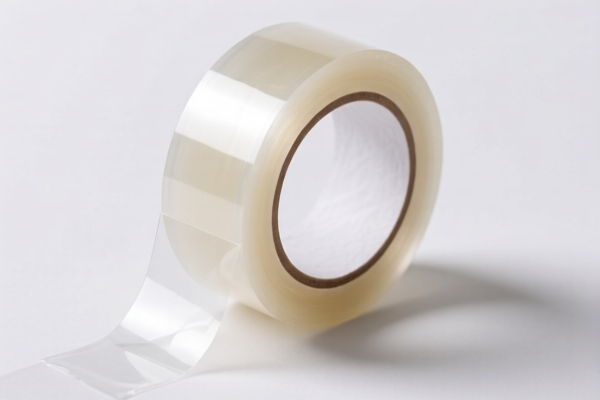
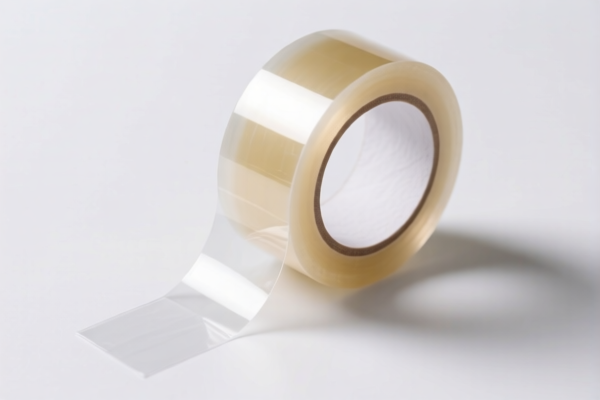
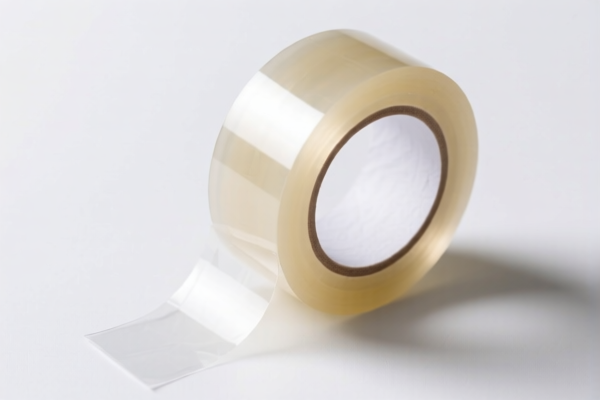
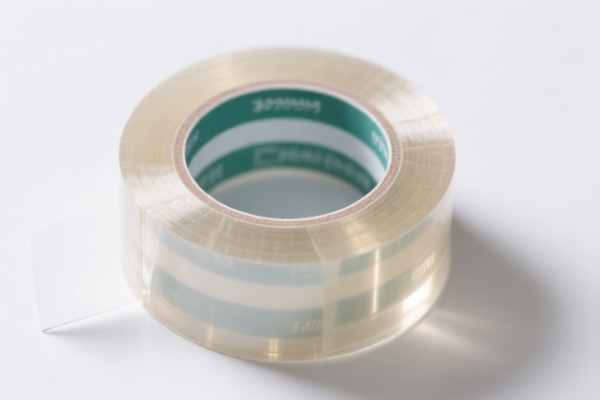
AI分析
🚗 Transparent Tape (Automotive)
🌐 HS Code Reference & Customs Clearance Guide | 2026 Latest Tariff Analysis | Professional Clearance Strategy
📌 I. Product Definition & Classification: What is "Automotive Transparent Tape" Really?
Transparent Tape, specifically for automotive applications, is a versatile adhesive material used for masking, protection, interior trimming, and general bonding in vehicle manufacturing and repair. In international trade, its classification heavily depends on the material composition (usually plastic/film) and form (self-adhesive rolls).
Based on the provided data, four primary HS Codes are identified for this product. Let's break down why each applies and the associated tax implications.
⚠️ Key Distinction:
- Is it a self-adhesive plastic strip/plate/foil? → Likely 3919
- Is it considered an article of plastics, n.e.c. (not elsewhere specified)? → Likely 3926
- Is it classified as textile fabric coated with rubber/plastic (less common for pure tape, but possible if base is non-woven)? → 5604
📦 II. HS Code Classification Details (2026 Latest Tariff Authority Comparison)
| HS Code | Product Description | Application Scenario | Material/State | Total Tax Rate |
|---|---|---|---|---|
3919.90.50.40 |
Self-adhesive plates, sheets, film, foil, strip and other shapes of plastics, other | Standard transparent plastic tape (BOPP, PVC, PET) used for automotive masking or protection | Self-adhesive, Plastic | 40.8% |
3919.10.20.40 |
Self-adhesive plates, sheets, film, foil, strip and other shapes of plastics, of a width not exceeding 20 cm, in rolls of a length ≤ 20 m | Narrower rolls of transparent tape, potentially for precision automotive detailing or labeling | Self-adhesive, Plastic | 40.8% |
5604.10.00.00 |
Thread and cord, rubber-coated, whether or not covered with textile material (includes rubber-coated textile fabric) | If the tape has a textile/fabric backing coated with adhesive/rubber, though less likely for standard "transparent" plastic tape | Rubber-coated/Textile | 41.3% |
3926.10.00.00 |
Articles of apparel and clothing accessories, of plastics | Plastics articles n.e.c.; sometimes used for general plastic goods like office/supplies including tape | Plastic Article | 15.3% |
🔍 Important Note:
- 3919 is the most direct match for "Self-adhesive plastics" (transparent tape is typically BOPP or PVC). - 3926 is a broader "catch-all" for plastic articles. Some classifiers may use this for lower-tax efficiency if the specific adhesive nature isn't emphasized, but 3919 is more technically accurate for adhesive tapes. - 5604 is likely a mismatch unless the tape has a distinct textile/rubber composition, but it is listed in the data.
💰 III. 2026 Latest Tariff Rate Breakdown (Including Surtaxes, Policy Surcharges)
✅ Applicable Country: United States (US)
✅ Origin: China (CN)
✅ Effective Date: From November 10, 2025 (inclusive of subsequent imports)
🎯 1. 3919.90.50.40 & 3919.10.20.40 —— Self-Adhesive Plastic Tape (High Tariff Path)
These two codes share the same tax structure as they both fall under Chapter 39 (Plastics) and are subject to the same trade remedies.
| Item | Content |
|---|---|
| Base Tariff | 5.8% (ad valorem) |
| USITC Surtax (Section 301) | +25.0% (From USITC Footnote) |
| IEEPA Surtax | +10.0% (Targeting China/Hong Kong products, from Nov 10, 2025) |
| Total Tax Rate | 40.8% |
| Tax Calculation | CIF Value × 40.8% |
| De Minimis Exemption | ❌ Not Applicable (deny_de_minimis) |
| Legal Basis Path | IEEPA:9903.01.25 → USITC:3919.90.50.40 / 3919.10.20.40 |
📌 Explanation:
- Base 5.8%: Standard MFN rate for plastic tapes. - 25% Surtax: Part of the ongoing Section 301 trade war tariffs on Chinese goods. - 10% IEEPA: Additional emergency tariff imposed specifically on Chinese-origin goods. - Total 40.8%: This is a very high effective tax rate. Importers must account for this in cost modeling.
🎯 2. 5604.10.00.00 —— Rubber-Coated Thread/Cord (Less Likely for Standard Tape)
| Item | Content |
|---|---|
| Base Tariff | 6.3% (ad valorem) |
| USITC Surtax | +25.0% |
| IEEPA Surtax | +10.0% |
| Total Tax Rate | 41.3% |
| Tax Calculation | CIF Value × 41.3% |
| De Minimis Exemption | ❌ Not Applicable |
| Legal Basis Path | IEEPA:9903.01.25 → USITC:5604.10.00.00 |
📌 Note:
- This is the highest tax bracket among the options. It implies the tape is classified as a textile/rubber composite, which is unusual for standard "transparent tape" unless it's a specific masking tape with fabric backing. Misclassification here leads to higher costs.
🎯 3. 3926.10.00.00 —— Articles of Plastics, N.E.C. (Low Tax Strategy)
| Item | Content |
|---|---|
| Base Tariff | 5.3% (ad valorem) |
| USITC Surtax | 0.0% (Exempt from Section 301 surtax in this specific classification logic) |
| IEEPA Surtax | +10.0% |
| Total Tax Rate | 15.3% |
| Tax Calculation | CIF Value × 15.3% |
| De Minimis Exemption | ❌ Not Applicable (Still subject to IEEPA) |
| Legal Basis Path | IEEPA:9903.01.25 → USITC:3926.10.00.00 |
📌 Critical Insight:
- This code offers the lowest total tax rate (15.3%). - It avoids the 25% Section 301 surtax. - Risk: Customs may challenge this classification if the product is clearly a self-adhesive tape (Chapter 39.19). If audited, you may be reassigned to 3919, resulting in back taxes and penalties. - Strategy: This classification is often used for "plastic articles" that don't fit neatly into other chapters. For "Transparent Tape," it’s a risky but potentially beneficial classification if the adhesive nature is downplayed or if it’s considered a finished plastic article (e.g., a tape dispenser part? Unlikely). Use with caution and professional advice.
🛠️ IV. Customs Clearance Practical Advice (Battle-Tested Pitfall Guide)
✅ 1. Documentation Checklist (Non-Negotiable)
| Document | Required | Explanation |
|---|---|---|
| ✅ Product Specification Sheet | ✔️ | Must detail: Material (e.g., BOPP, PVC), Adhesive Type, Width, Roll Length, Thickness. |
| ✅ Photos (Labeled) | ✔️ | Show the tape in packaging, label, and a close-up of the adhesive side and backing. |
| ✅ Commercial Invoice | ✔️ | Clearly state "Transparent Adhesive Tape for Automotive Use." Avoid vague terms like "Plastic Film." |
| ✅ Packing List | ✔️ | Detail roll dimensions, weight, and number of rolls per carton. |
| ✅ Origin Certificate | ✔️ | If claiming IEEPA exemption (not available for CN origin), or for other trade agreements. |
| ✅ Material Safety Data Sheet (MSDS) | ✔️ | For adhesive chemicals, if applicable. |
✅ 2. Declaration Strategy (Key Mantra)
🔥 "Material First, Adhesion Second, Code Accuracy Saves Money!"
| Scenario | Recommended HS Code | Reason |
|---|---|---|
| Standard BOPP/PVC Tape | 3919.90.50.40 |
Most accurate for self-adhesive plastic strips. |
| Narrow Rolls (<20cm) | 3919.10.20.40 |
Specific subheading for smaller rolls. |
| High-Value/Low-Tax Strategy | 3926.10.00.00 |
Only if you can justify it as a "plastic article" not primarily adhesive. High audit risk. |
| Fabric-Backed Tape | 5604.10.00.00 |
Only if truly textile/rubber coated. |
⚠️ Warning:
- Do not split a single shipment of tape into different codes to save tax. Consistency is key. - If you declare3926.10.00.00for a standard adhesive tape, be prepared to provide technical proof that it’s not primarily an "adhesive product" but a "plastic article," which is difficult for tape.
✅ 3. Special Cases
| Situation | Handling Advice |
|---|---|
| OEM Tape for Car Manufacturer | Provide end-use documentation. May still be subject to 3919, but proves commercial reality. |
| Sample Shipments | Even for samples, IEEPA 10% may apply. De minimis does not exempt Chinese goods. |
| Mixed Shipment (Tape + Dispensers) | Declare tape and dispensers separately. Dispensers may have different codes. |
🌍 V. Global Market Comparison (2026)
| Country/Region | Recommended HS Code | Tariff (China Origin) | Notes |
|---|---|---|---|
| 🇺🇸 USA | 3919.90.50.40 |
40.8% | High due to 301 + IEEPA. |
| 🇺🇸 USA (Alternative) | 3926.10.00.00 |
15.3% | Lower, but high audit risk. |
| 🇨🇳 China | 3919.10.00.00 |
~5% | Lower base rate, no US surtaxes. |
| 🇪🇺 EU | 3919.10.00.00 |
~0-6% | No US-style surtaxes. CE/RoHS needed. |
| 🇲🇽 Mexico | 3919.10.00.00 |
~5% | USMCA may apply if manufactured in NA. |
📌 Conclusion:
- The US market is the most expensive for Chinese transparent tape due to combined tariffs. - 15.3% vs 40.8%: The difference is 25.5% of CIF value. For large shipments, this is significant. - Risk-Reward: Using3926.10.00.00saves money but increases audit probability. Only use if legally justifiable.
📌 VI. Common Mistakes & Pitfalls (Blood-Tears Lessons)
❌ Mistake 1: Declaring all tape as "Plastic Sheet" to avoid adhesive classification.
👉 Consequence: Customs rejects, reclassifies to 3919, charges back taxes + interest.
❌ Mistake 2: Ignoring IEEPA 10% tariff.
👉 Consequence: Underpayment, detention, or seizure. Always include 10% for CN origin.
❌ Mistake 3: Using 5604 for standard plastic tape.
👉 Consequence: Highest tax rate (41.3%) for no benefit. Misclassification.
❌ Mistake 4: Assuming De Minimis ($800) applies.
👉 Consequence: It does not for Chinese goods subject to Section 301/IEEPA. Full tax applies from the first unit.
✅ Correct Approach:
"Self-Adhesive Transparent Tape, BOPP Material, Width 50mm, Roll Length 50m, For Automotive Masking, HS Code 3919.90.50.40"
🎯 VII. Conclusion: Precise Classification, Cost Control, Smooth Clearance!
🎯 Key Takeaways:
🔹 Standard Tape: Expect 40.8% tax under
3919. 🔹 Aggressive Strategy:3926at 15.3% is possible but risky. 🔹 No Exemptions: IEEPA 10% and Section 301 25% apply to almost all plastic tapes from China. 🔹 Documentation: Be meticulous about material description.
📌 Pro Tip:
If your volume is high, consider Advance Ruling (Pre-classification) with US Customs (CBP) for
3926.10.00.00to see if it’s acceptable.
For lower volumes, stick to3919.90.50.40to ensure smooth, predictable clearance.
📣 Immediate Action:
📞 Consult a licensed customs broker.
📄 Prepare detailed technical specs.
📊 Calculate landed cost including 40.8% (safe) or 15.3% (risky) tax.
✨ Professional clearance starts with accurate classification!
💼 Your bottom line depends on these digits!
用户评价
关于 HS 编码归类
协调制度(HS)是由世界海关组织(WCO)制定的国际贸易商品分类标准。全球 200 多个国家采用 HS 系统作为海关关税、贸易统计和进出口监管的基础。
每个 HS 编码遵循以下层级结构:
- 章(2 位)——商品大类(例如:第 84 章:机器和机械设备)
- 品目(4 位)——章内的更具体分类
- 子目(6 位)——国际通用细分,所有 WCO 成员国统一使用
- 本国细分(8-10 位)——各国自行扩展的细分编码,如美国 HTSUS 10 位编码
正确的 HS 编码归类对于顺利通关、准确缴纳关税和遵守贸易法规至关重要。错误归类可能导致海关延误、多缴关税或罚款。
从CN进口到US时,适用的关税税率可能包括:
- 最惠国(MFN)税率——适用于 WTO 成员国的标准关税税率
- 普通税率——适用于无贸易协定国家
- 贸易救济关税——附加关税,如 301 条款(反倾销)、232 条款(国家安全)或反补贴税
本页内容仅供参考。如需正式归类,请咨询当地海关或持牌报关代理。