Transparent Tape (for Fixing)
CN → US| HS编码 | 关税税率 | 原产国 | 目的国 | 文档 |
|---|---|---|---|---|
| 3919102040 | 40.8% | CN | US | 官方文档 |
| 3919905040 | 40.8% | CN | US | 官方文档 |
| 3919102040 | 40.8% | CN | US | 官方文档 |
| 3919905040 | 40.8% | CN | US | 官方文档 |
| 3919905040 | 40.8% | CN | US | 官方文档 |
商品图片
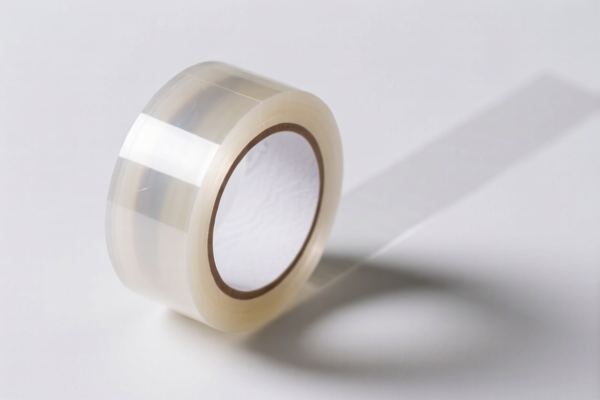
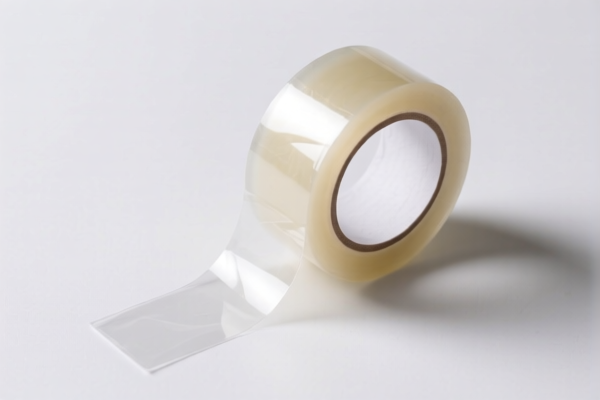


AI分析
🎞️ Transparent Tape (for Fixing)
🌐 HS Code Reference & Customs Clearance Guide | 2026 Latest Tariff Analysis | Professional Strategy for China-US Trade
📌 I. Product Definition & Classification: What Exactly is "Transparent Tape"?
Transparent tape, widely known as "clear adhesive tape," is a ubiquitous packaging and office supply material. In international trade, it is primarily classified under Chapter 39 (Plastics and Articles Thereof). However, precise classification depends on its self-adhesive nature, material composition, and form (rolled/banded).
Key Distinctions: * Self-Adhesive (Pressure-Sensitive): Tape that sticks to surfaces via pressure (standard packing tape, repair tape). These fall under Heading 3919. * Non-Self-Adhesive (e.g., Masking Tape with separate glue application): Falls under Heading 3918 or 3920 (less common for standard "fixing" tapes). * Material: Most modern transparent tapes are made from BOPP (Biaxially Oriented Polypropylene) or PVC.
⚠️ Critical Classification Point:
- If the tape is self-adhesive (comes with adhesive on one side) →归入 HS 3919.
- If it is not self-adhesive (requires external glue) → Do NOT use 3919; check 3920 or 3918.
- Note: The majority of "Transparent Tape for Fixing" is self-adhesive BOPP/PVC tape.
📦 II. HS Code Classification Details (2026 Latest Tariff Authority)
Based on the provided data, all transparent tapes for fixing are classified under two primary HS Codes, both subject to the same total tax rate of 40.8%.
| HS Code | Product Description | Key Characteristics | Application Scenario |
|---|---|---|---|
3919.10.20.40 |
Self-adhesive plastics, in rolls of a width ≤ 20 cm | Self-adhesive (has backing adhesive) | Standard packing tape, gift wrapping tape, general-purpose fixing tape. |
3919.90.50.40 |
Other plastics, in rolls or strips, width > 20 cm or other forms | Plastic strips/rolls, non-specific adhesive type or wider rolls | Industrial repair tape, wide transparent sealing tape, bulk rolls >20cm width. |
🔍 Key Clarification:
- Why two codes? The distinction lies in the width and specific adhesive classification.
-3919.10: Specifically for self-adhesive plastics in rolls ≤ 20 cm wide.
-3919.90: For other plastic rolls/strips (including those >20 cm or non-self-adhesive types).
- In Practice: If your transparent tape is standard width (e.g., 48mm, 72mm) and self-adhesive,3919.10.20.40is the most accurate.
- Both codes attract the same total tariff burden as per the data provided.
💰 III. 2026 Tariff Rate Breakdown (Including Surtaxes & Policy Add-ons)
✅ Applicable Country: United States (US)
✅ Origin: China (CN)
✅ Total Tax Rate: 40.8%
✅ Effective Date: Ongoing (including post-2025 updates)
🎯 1. 3919.10.20.40 & 3919.90.50.40 – Transparent Tapes
| Item | Details |
|---|---|
| Base Tariff (MFN) | 5.8% |
| Section 301 Surcharge (Added Tariff) | +25.0% |
| Section 122 Tariff (IEEPA/China-Specific) | +10.0% |
| Total Tax Rate | 40.8% |
| Tax Calculation | CIF Value × 40.8% |
| De Minimis Exemption Eligibility | ❌ Not Eligible (High tariff rates typically exclude small packages from de minimis relief under current enforcement trends) |
| Legal Basis Path | HTSUS:3919.10.20.40 / 3919.90.50.40 → USITC:301 (Footnote 9903.88.01) → IEEPA:122 |
📌 Detailed Explanation:
- Base Tariff (5.8%): The standard Most Favored Nation (MFN) rate for plastic tapes under normal trade relations.
- Section 301 Surcharge (25%): Imposed on Chinese imports under the Trade Act of 1974, Section 301, targeting strategic goods. Plastic tapes are included in the List 4A/301 coverage.
- Section 122 Tariff (10%): Refers to additional duties imposed under the International Emergency Economic Powers Act (IEEPA) or specific executive orders targeting Chinese-origin goods, often applied to consumer plastics.
- Total 40.8%: This is a significant cost multiplier. For a $1,000 shipment, expect $408 in duties alone.
🛠️ IV. Customs Clearance Practical Advice (Avoiding Pitfalls)
✅ 1. Documentation Checklist (Non-Negotiable)
| Document | Required? | Notes |
|---|---|---|
| Commercial Invoice | ✔️ | Must clearly state: "Transparent Self-Adhesive Tape, Plastic, Roll, Width X cm, For Fixing/Packing" |
| Packing List | ✔️ | Include gross/net weight, number of rolls, dimensions |
| Product Specification | ✔️ | Confirm material (BOPP/PVC), adhesive type (water-activated, pressure-sensitive), width |
| Certificate of Origin | ✔️ | Essential to prove origin as China (triggers tariffs) |
| FCC/CE Certs | ❌ | Not typically required for plastic tape, but helpful for consumer goods |
| Customs Bond | ✔️ | Required for imports >$2,500 (Entry Type 86 or 0119) |
✅ 2. Declaration Best Practices
| Scenario | Correct Declaration | Incorrect Declaration |
|---|---|---|
| Standard Clear Tape | "Transparent Self-Adhesive BOPP Tape, Width 48mm" → 3919.10.20.40 |
"Packing Material" (Vague → High scrutiny) |
| Wide Industrial Tape | "Plastic Adhesive Tape, Width 50cm" → 3919.90.50.40 |
"Rolling Stock" (Misclassification → Penalty) |
| Non-Adhesive Plastic Strip | "Plastic Strip, Not Self-Adhesive" → 3920.xxxx |
3919.xxxx (Wrong Chapter → Rejection) |
🔥 Pro Tip:
- Be Specific: Use terms like "Self-Adhesive," "BOPP," and "Width" in the description.
- Avoid Generic Terms: Do not just write "Tape" or "Plastic Roll." Customs officers may assign a higher-risk code or require further inspection.
✅ 3. Special Cases & Risk Mitigation
| Situation | Recommendation |
|---|---|
| Mixed Shipments (Tape + Other Goods) | Declare tape separately. Do not bundle under a single "Miscellaneous" HS code. |
| Re-exporting | If importing into US for re-export to Canada/Mexico, consider USMCA eligibility? Note: Plastic tape from China may still face tariffs unless processed substantially. |
| De Minimis (Section 321) | Do NOT rely on de minimis ($800) for high-volume imports. US CBP has increased scrutiny on "de minimis abuse" for Chinese goods. For commercial volumes, always file formal entry. |
| Anti-Dumping/Countervailing Duties (AD/CVD) | Verify if your specific tape is subject to AD/CVD orders (rare for generic clear tape, but possible for specialized industrial tapes). |
🌍 V. Global Market Comparison (2026)
| Country/Region | Recommended HS Code | Base Tariff | Total Rate (China Origin) | Notes |
|---|---|---|---|---|
| 🇺🇸 USA | 3919.10.20.40 / 3919.90.50.40 |
5.8% | 40.8% | High tariffs due to Section 301 + IEEPA |
| 🇨🇳 China | 3919.10.20.40 |
5.5% | 5.5% | Low import duty; no surcharges |
| 🇪🇺 EU | 3919.10.00 |
6.5% | 6.5% | No Section 301 equivalent; stable rates |
| 🇯🇵 Japan | 3919.10.900 |
6.0% | 6.0% | No major surcharges for China |
| 🇬🇧 UK | 3919.10.00 |
6.5% | 6.5% | Post-Brexit, aligned with EU rates |
📌 Conclusion:
- USA is the most expensive market for Chinese transparent tape due to 40.8% total tariffs.
- EU/UK/Japan offer much more competitive duty rates (~6–7%).
- Strategy: Consider sourcing from Vietnam or Thailand (if substantial transformation occurs) to avoid US surcharges, but ensure compliance with rules of origin.
📌 VI. Common Mistakes & Pitfalls (Lessons Learned)
❌ Mistake 1: Declaring as "Plastic Film" (3920) instead of "Adhesive Tape" (3919)
👉 Consequence: If deemed self-adhesive, customs will reclassify and apply 40.8% instead of ~6%. Plus, potential penalties for misdeclaration.
❌ Mistake 2: Ignoring Width in Declaration
👉 Consequence: Customs may default to the higher-risk code 3919.90.50.40 or request further classification, causing delays.
❌ Mistake 3: Assuming "De Minimis" Applies
👉 Consequence: CBP increasingly audits small packages from China. If you ship $5,000 worth of tape in 10 packages, it will be flagged. File formal entry.
❌ Mistake 4: Not Separating Adhesive from Non-Adhesive Rolls
👉 Consequence: Mixed shipments can trigger additional inspections and delays.
✅ Correct Approach:
"Clear Self-Adhesive BOPP Tape, Width 48mm, Roll of 100m, For Packaging/Fixing, HS 3919.10.20.40"
🎯 VII. Conclusion: Smart Importing, Cost Control
🎯 Key Takeaway:
🔹 Transparent Tape = High Tariff (40.8%) in the US.
🔹 Be Precise: Use "Self-Adhesive" and specify width.
🔹 Plan Ahead: Factor 40.8% into your landed cost.
🔹 Consider Alternatives: If volume is high, explore sourcing from non-China origins to mitigate tariff risks.
📌 Quick Tip:
If you are importing large volumes (>1 container), consider:
1. Applying for a Product-Specific Exclusion (if available under Section 301).
2. Using a Foreign Trade Zone (FTZ) to defer duties.
3. Re-routing through a third country with favorable trade agreements (ensure substantial transformation to avoid "circumvention" flags).
📣 Immediate Action:
📞 Consult with a licensed customs broker to verify HS Code
3919.10.20.40vs.3919.90.50.40based on your exact product specs.
📊 Calculate Landed Cost: (Product Cost + Shipping + Insurance) × 1.408
🚀 Optimize Your Supply Chain to stay competitive!
✨ Professional customs clearance starts with accurate classification!
💼 Every percentage point matters – don’t leave money on the table!
用户评价
关于 HS 编码归类
协调制度(HS)是由世界海关组织(WCO)制定的国际贸易商品分类标准。全球 200 多个国家采用 HS 系统作为海关关税、贸易统计和进出口监管的基础。
每个 HS 编码遵循以下层级结构:
- 章(2 位)——商品大类(例如:第 84 章:机器和机械设备)
- 品目(4 位)——章内的更具体分类
- 子目(6 位)——国际通用细分,所有 WCO 成员国统一使用
- 本国细分(8-10 位)——各国自行扩展的细分编码,如美国 HTSUS 10 位编码
正确的 HS 编码归类对于顺利通关、准确缴纳关税和遵守贸易法规至关重要。错误归类可能导致海关延误、多缴关税或罚款。
从CN进口到US时,适用的关税税率可能包括:
- 最惠国(MFN)税率——适用于 WTO 成员国的标准关税税率
- 普通税率——适用于无贸易协定国家
- 贸易救济关税——附加关税,如 301 条款(反倾销)、232 条款(国家安全)或反补贴税
本页内容仅供参考。如需正式归类,请咨询当地海关或持牌报关代理。