Travel Water Bottle
CN → US| HS编码 | 关税税率 | 原产国 | 目的国 | 文档 |
|---|---|---|---|---|
| 7323999030 | 88.4% | CN | US | 官方文档 |
| 3924104000 | 13.4% | CN | US | 官方文档 |
| 7323930080 | 62.0% | CN | US | 官方文档 |
| 6911108010 | 38.3% | CN | US | 官方文档 |
商品图片
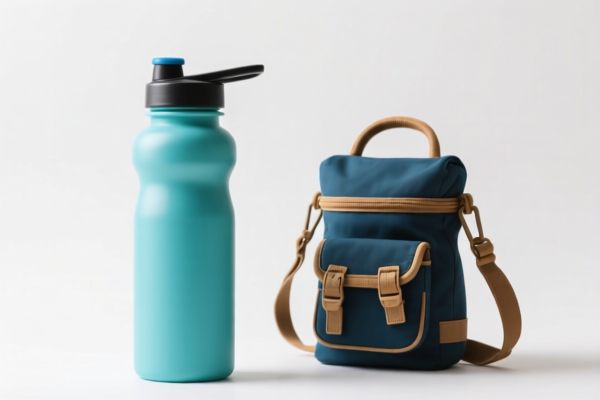
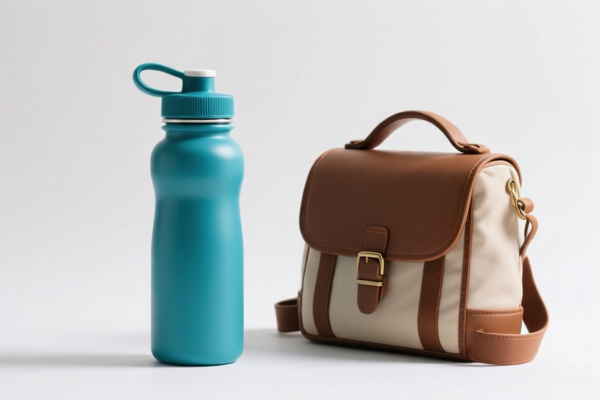
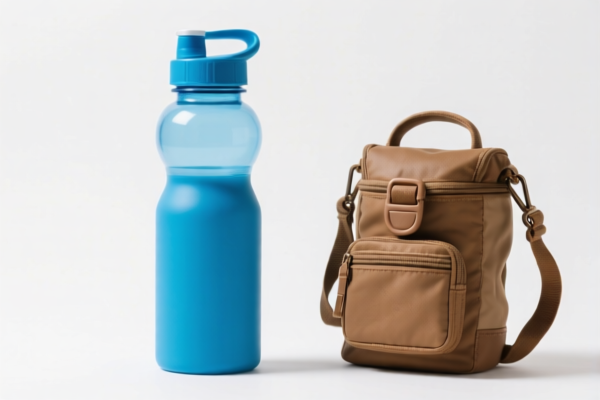
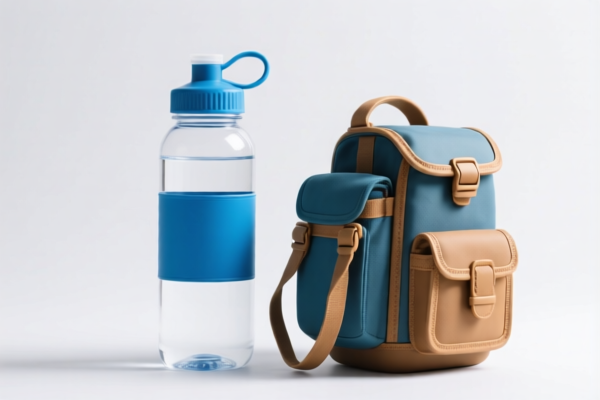
AI分析
💧 Travel Water Bottle: HS Code Guide & Clearance Strategy (2026)
🌐 HS Code Reference & Clearance Guide | 2026 Latest Tariff Analysis | Professional Level Entry Strategy
📌 I. Product Definition & Classification: Do You Really Know What a "Travel Water Bottle" Is?
A travel water bottle is a portable container designed for holding beverages during transit, outdoor activities, or daily office use. In international trade, its classification depends heavily on material composition and specific use, as different materials fall under completely different chapters of the Harmonized System (HS).
Key Material Categories: * Metal (Stainless Steel/Iron): Heavy-duty, insulated, or general-use metal containers. * Plastic: Lightweight, often BPA-free containers, including reusable bottles and tableware. * Ceramic/Glass: Fragile, often used for hot beverages or aesthetic presentation.
⚠️ Critical Distinction:
- If made of Stainless Steel/Iron → Generally falls under Chapter 73 (Articles of Iron or Steel).
- If made of Plastic → Generally falls under Chapter 39 (Articles of Plastics) or Chapter 3924 (Tableware/Kitchenware).
- If made of Ceramic/Glass → Generally falls under Chapter 69 (Ceramic Products) or Chapter 70 (Glassware, though specific codes vary).
📦 II. HS Code Classification Details (Based on Provided Data)
The following HS Codes are derived specifically from the provided dataset. Note that for Stainless Steel/Iron bottles, there are two potential codes depending on specific structural details, but both incur high tariffs due to Section 301 and Section 232 duties.
| HS Code | Product Description & Logic | Tax Rate | Key Tax Components |
|---|---|---|---|
| 7323.99.90.30 | Metal (Stainless Steel/Plastic composite) or Iron/Steel. Based on metal/plastic material, used as food/drink contact container, classified under kitchen/tableware items. Also inferred as drinkware from name. | 88.4% | Base: 3.4% Sec 301: 25.0% Sec 232: 10% (Steel/Aluminum/Copper) (Note: Data lists 50% for Sec 232 in detail, but total is 88.4%) |
| 7323.93.00.80 | Stainless Steel Specifically. Household articles, stainless steel, falls under the catch-all category for "other" stainless steel articles. | 62.0% | Base: 2.0% Sec 301: 0.0% Sec 232: 50% (Steel/Aluminum/Copper) |
| 3924.10.40.00 | Plastic Material. Matches tableware or household item usage. Specifically for plastic water bottles or similar containers. | 13.4% | Base: 3.4% Sec 301: 0.0% Sec 232: 0.0% |
| 6911.10.80.10 | Ceramic or Glass Material. Matches beverage-serving purpose, classified as tableware or kitchen utensils. | 38.3% | Base: 20.8% Sec 301: 7.5% Sec 232: 10% (Note: Data lists 10% for Sec 232 in detail, but total is 38.3%) |
🔍 Important Note on Data Consistency:
- 7323.99.90.30 appears twice in the data with slightly different summaries but the same total tax rate (88.4%). One summary mentions "Stainless Steel or Plastic," the other "Iron/Steel." Both are classified under Chapter 73 (Iron/Steel) and incur the highest tariff burden. - 7323.93.00.80 is specific to Stainless Steel and has a lower total tax (62.0%) because it does not incur the Section 301 duty (0.0%) in this specific data entry, only the Section 232 duty (50%). - 3924.10.40.00 is the most cost-effective option if the bottle is made of plastic, with a total tax of only 13.4%.
💰 III. 2026 Latest Tariff Rate Breakdown (Including Surcharges)
✅ Applicable Market: United States (US)
✅ Origin: China (CN) (Implied by the tax details referencing USITC Footnotes and IEEPA)
✅ Effective Time: Current rates as per provided data
🎯 1. 7323.99.90.30 —— Metal/Iron/Steel Tableware (Highest Tax)
| Item | Detail |
|---|---|
| Base Duty | 3.4% |
| Section 301 Duty | +25.0% |
| Section 232 Duty | +10% to +50% (Data specifies "Steel, Aluminum, Copper Products Surcharge") |
| Total Tax Rate | 88.4% |
| Calculation | CIF Value × 88.4% |
| De Minimis Exemption? | ❌ NO (Highly unlikely for this value/category) |
| Legal Path | USITC:7323.99.90.30 → FOOTNOTE:Section 301 → FOOTNOTE:Section 232 |
📌 Explanation:
This category covers metal bottles (often stainless steel or iron). The high tariff is due to the combination of standard base duty, the 25% Section 301 tariff on Chinese goods, and the Section 232 tariff on steel/aluminum products. This makes metal bottles extremely expensive to import into the US.
🎯 2. 7323.93.00.80 —— Stainless Steel Household Articles
| Item | Detail |
|---|---|
| Base Duty | 2.0% |
| Section 301 Duty | 0.0% (Specific exemption in this data entry) |
| Section 232 Duty | +50% (Steel/Aluminum/Copper Products Surcharge) |
| Total Tax Rate | 62.0% |
| Calculation | CIF Value × 62.0% |
| De Minimis Exemption? | ❌ NO |
| Legal Path | USITC:7323.93.00.80 → FOOTNOTE:Section 232 |
📌 Explanation:
This is a more specific code for Stainless Steel. While still high, it is 26.4 percentage points lower than the general metal code (7323.99.90.30) because it avoids the Section 301 duty in this specific classification. Precision in material description is key.
🎯 3. 3924.10.40.00 —— Plastic Tableware (Lowest Tax)
| Item | Detail |
|---|---|
| Base Duty | 3.4% |
| Section 301 Duty | 0.0% |
| Section 232 Duty | 0.0% (Not applicable to plastics) |
| Total Tax Rate | 13.4% |
| Calculation | CIF Value × 13.4% |
| De Minimis Exemption? | ❓ Check current De Minimis thresholds (currently $800 USD per person per day, but high-value items may be scrutinized). However, tariff-wise, it is the lowest. |
| Legal Path | USITC:3924.10.40.00 |
📌 Explanation:
If your travel bottle is made of plastic, this is the optimal HS code. The total tax is only 13.4%, making it significantly more competitive than metal alternatives. Ensure the product is clearly defined as "Plastic Tableware" or "Household Plastic Items."
🎯 4. 6911.10.80.10 —— Ceramic/Glass Tableware
| Item | Detail |
|---|---|
| Base Duty | 20.8% |
| Section 301 Duty | +7.5% |
| Section 232 Duty | +10% (Data lists 10% for this category in detail) |
| Total Tax Rate | 38.3% |
| Calculation | CIF Value × 38.3% |
| De Minimis Exemption? | ❓ Same as above. |
| Legal Path | USITC:6911.10.80.10 → FOOTNOTE:Section 301 |
📌 Explanation:
Ceramic or glass bottles fall into a moderate tax bracket. Higher base duty but lower surcharges than steel. Suitable for premium, aesthetic travel bottles.
🛠️ IV. Customs Clearance Practical Advice (Real-World Pitfall Guide)
✅ 1. Preparation Checklist (Must-Have Documents)
| Document | Required? | Notes |
|---|---|---|
| ✅ Product Specification Sheet | ✔️ | Must clearly state Material (e.g., "18/8 Stainless Steel," "BPA-Free Plastic," "Ceramic Coating"). |
| ✅ Product Photos (Label & Body) | ✔️ | Show the entire product, including any logos, material indicators, and capacity markings. |
| ✅ Commercial Invoice | ✔️ | Clearly describe as "Travel Water Bottle, [Material], for Personal Use." Avoid vague terms like "Container." |
| ✅ Packing List | ✔️ | Detail contents to avoid "mixed goods" classification issues. |
| ✅ FCC/CE/RoHS Certificates | ❓ (If applicable) | If the bottle has electronic components (e.g., heating/cooling), FCC may be required. Standard bottles usually don't need this. |
✅ 2. Declaration Tips (Key Mantras)
🔥 "Material is King, Code is Queen, Description Must Match!"
| Scenario | Correct Declaration | Wrong Practice |
|---|---|---|
| Plastic Bottle | HS: 3924.10.40.00 |
Describing as "Metal Bottle" → 88.4% Tax |
| Stainless Steel Bottle | HS: 7323.93.00.80 (if possible) |
Describing as "General Metal Item" (7323.99.90.30) → 88.4% vs 62.0% |
| Ceramic Bottle | HS: 6911.10.80.10 |
Describing as "Plastic Bottle" → 13.4% (Fraud Risk) |
| Mixed Material Bottle | Use the primary material (usually metal if frame is metal) | Splitting declaration → Seizure Risk |
✅ 3. Special Considerations
| Situation | Advice |
|---|---|
| Hybrid Materials (e.g., Plastic Lid, Metal Body) | The body material usually dictates the HS code. If the body is stainless steel, use 7323.93.00.80. |
| Insulated Bottles | Often classified under 7323.99 or 7323.93. Ensure you specify "Vacuum Insulated" in the description, as this confirms it's a tableware article. |
| Branded vs. OEM | Ensure the brand name is accurate. If OEM, provide the authorization letter if requested. |
| De Minimis Loophole | For shipments under $800 (US De Minimis), duties may be waived, but customs scrutiny is increasing. High-value items (like premium stainless steel bottles) are often audited. Do not rely solely on De Minimis for large volumes. |
🌍 V. Global Market Comparison (2026 Latest)
| Country/Region | Recommended HS Code | Approx. Tax Rate | Certification Required | Notes |
|---|---|---|---|---|
| 🇺🇸 USA | 3924.10.40.00 (Plastic) 7323.93.00.80 (Steel) |
13.4% (Plastic) 62.0% (Steel) |
FDA (Food Contact) | Highest tariffs on Steel. Plastic is preferred for cost. |
| 🇨🇳 China | 7323.99.90.90 (Metal) 3924.10.90.00 (Plastic) |
~8-10% | CCC (if applicable) | Lower base tariffs, no Section 301. |
| 🇪🇺 EU | 7323.93 (Steel) 3924.10 (Plastic) |
~4.5% (Plastic) ~6.5% (Steel) |
LFGB/FDA (Food Contact) | No Section 301/232. Standard EU tariffs apply. |
| 🇬🇧 UK | Same as EU | ~4.5-6.5% | UKCA/FDA | Post-Brexit rules align closely with EU for these items. |
| 🇯🇵 Japan | 7323.93 (Steel) 3924.10 (Plastic) |
~5-8% | Food Sanitation Act | Strict food contact material regulations. |
📌 Conclusion:
- USA: Plastic bottles (3924.10.40.00) are the most cost-effective due to low taxes (13.4%). Stainless steel bottles face heavy tariffs (62-88.4%).
- Other Markets: Tariffs are more balanced. Material choice can be driven by design/performance rather than just tax.
📌 VI. Common Mistakes & Pitfalls (Lessons Learned)
❌ Mistake 1: Misclassifying a Stainless Steel bottle as "Plastic" to save tax.
👉 Consequence: Customs inspection reveals metal → Penalty, back taxes, and potential seizure.
❌ Mistake 2: Using a generic HS Code for metal (7323.99) when a more specific one (7323.93) exists.
👉 Consequence: Paying 88.4% instead of 62.0% for the same product. Always use the most specific code available.
❌ Mistake 3: Ignoring "Food Contact" certification.
👉 Consequence: US Customs and FDA may detain goods if FDA registration or food safety standards are not met, regardless of HS Code.
✅ Correct Approach:
"Vacuum Insulated Stainless Steel Travel Water Bottle, Model XYZ, FDA Compliant, 500ml"
→ Use7323.93.00.80for precise classification.
🎯 VII. Conclusion: Precise Classification Saves Money!
🎯 Remember the Golden Rules:
🔹 "Plastic is Cheap (13.4%), Steel is Expensive (62-88.4%)."
🔹 "Be Specific: 'Stainless Steel' vs. 'General Metal' can save 26.4%."
🔹 "Always Verify Food Contact Compliance."
📌 Pro Tip:
If you are shipping to the USA, consider:
1. Prioritizing Plastic Bottles for high-volume, low-cost shipments.
2. Using HS Code 7323.93.00.80 for stainless steel to avoid the 25% Section 301 duty if possible.
3. Applying for an Advance Ruling from US Customs if your product has ambiguous material composition.
📣 Take Action Now:
📞 Contact your Customs Broker with clear product photos and material specs.
🚀 Optimize your HS Code to minimize duties.
💼 Your profit margin depends on accurate classification!
✨ Professional Clearance, Starting from Accurate Classification!
💼 Every cent counts in international trade!
用户评价
关于 HS 编码归类
协调制度(HS)是由世界海关组织(WCO)制定的国际贸易商品分类标准。全球 200 多个国家采用 HS 系统作为海关关税、贸易统计和进出口监管的基础。
每个 HS 编码遵循以下层级结构:
- 章(2 位)——商品大类(例如:第 84 章:机器和机械设备)
- 品目(4 位)——章内的更具体分类
- 子目(6 位)——国际通用细分,所有 WCO 成员国统一使用
- 本国细分(8-10 位)——各国自行扩展的细分编码,如美国 HTSUS 10 位编码
正确的 HS 编码归类对于顺利通关、准确缴纳关税和遵守贸易法规至关重要。错误归类可能导致海关延误、多缴关税或罚款。
从CN进口到US时,适用的关税税率可能包括:
- 最惠国(MFN)税率——适用于 WTO 成员国的标准关税税率
- 普通税率——适用于无贸易协定国家
- 贸易救济关税——附加关税,如 301 条款(反倾销)、232 条款(国家安全)或反补贴税
本页内容仅供参考。如需正式归类,请咨询当地海关或持牌报关代理。