Tungsten (including waste)
CN → US| HS编码 | 关税税率 | 原产国 | 目的国 | 文档 |
|---|---|---|---|---|
| 8101970000 | 12.8% | CN | US | 官方文档 |
| 8101100000 | 42.0% | CN | US | 官方文档 |
| 8101970000 | 12.8% | CN | US | 官方文档 |
| 8101100000 | 42.0% | CN | US | 官方文档 |
| 8101970000 | 12.8% | CN | US | 官方文档 |
商品图片
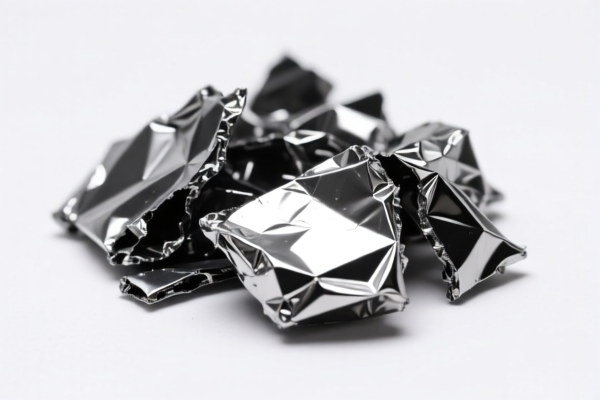
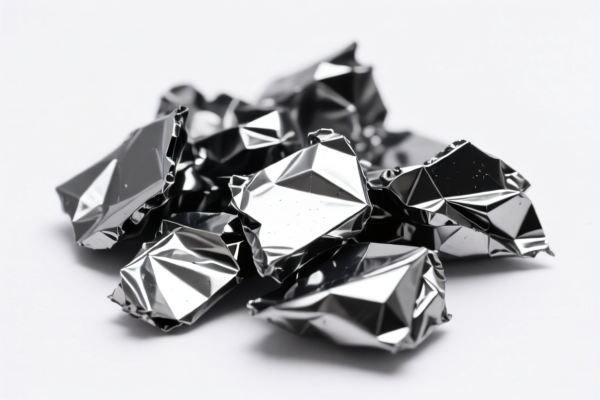
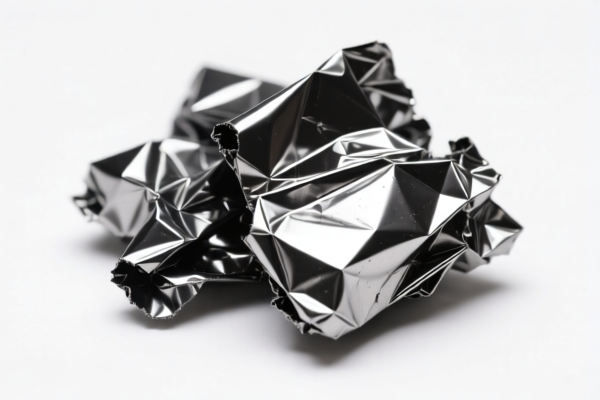
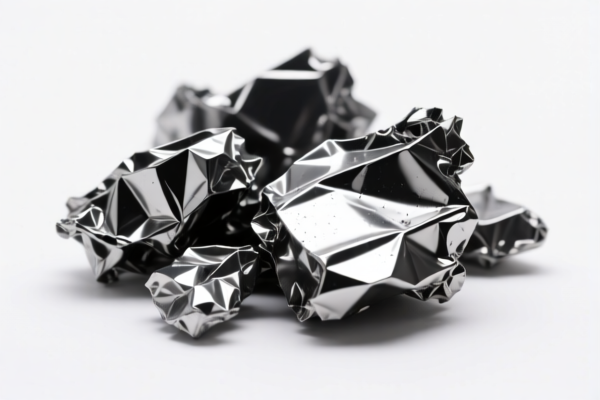
AI分析
🏗️ Tungsten Waste & Scrap (HS Codes 8101.10 & 8101.97)
🌐 HS Code Reference & Customs Clearance Guide | 2026 Latest Tariff Analysis | Strategic Clearance Strategy for Tungsten
📌 I. Product Definition & Classification: What is "Tungsten Waste"?
Tungsten (W) is a refractory metal critical for aerospace, electronics, and heavy industry. When discussing "Tungsten (including waste)" in customs declarations, we are primarily dealing with used, recycled, or by-product forms of the metal.
The classification hinges on two critical factors:
1. Form: Is it "Waste and Scrap" (unprocessed, mixed, or shredded) or "Ingots/Blocks" that are merely by-products of other processes (often mistakenly classified as waste)?
2. Purity/Specificity: Does it fall under general waste (8101.97) or specific tungsten materials (8101.10)?
⚠️ Key Distinction Point:
- If the material is scrap, shavings, powder, or broken fragments with no specific commercial form suitable for immediate use → Waste/Scrap (8101.97 or 8101.10).
- If it is tungsten carbide or specific alloys, check Chapter 81 subheadings carefully. Note: The provided data strictly limits us to HS 8101.10 and 8101.97.
📦 II. HS Code Classification Details (Based on Provided Data)
According to the input data, there are two primary HS Codes with distinct tax implications. One is significantly more expensive due to trade measures.
| HS Code | Product Description (from Data) | Key Characteristics | Total Tax Rate |
|---|---|---|---|
8101.97.00.00 |
Tungsten Waste and Scrap (General/Specific Category) Summary: Matches tungsten material & waste form, fits waste/fragment classification. |
• Fits "Waste and Scrap" definition • "Waste and fragments" category • Specific category definition |
12.8% |
8101.10.00.00 |
Tungsten Waste and Scrap (Alternative Category) Summary: Matches tungsten material & waste scope, fits waste/side-product classification. |
• Fits "Waste and Side-products" definition • Broader waste scope |
42.0% |
🔍 Critical Analysis:
- Why the huge difference?8101.10.00.00attracts a 25% additional tariff, likely due to specific trade restrictions or anti-dumping measures on certain tungsten forms.
-8101.97.00.00has 0% additional tariff, making it the preferred classification if the physical form of the waste justifies it.
💰 III. 2026 Latest Tariff Rate Breakdown (Detailed Tax Clauses)
✅ Applicable Region: United States (US)
✅ Origin: China (CN) (Implied by 122 Clause & Total Tax Structure)
✅ Effective Date: Current (2025-2026 Period)
🎯 1. HS Code 8101.97.00.00 – The "Lower Rate" Option
| Item | Detail |
|---|---|
| Basic Tariff | 2.8% |
| Additional Tariff (Section 301/USITC) | 0.0% |
| Section 122 Tariff | +10.0% |
| Total Tax Rate | 12.8% |
| Tax Calculation | CIF Value × 12.8% |
| De Minimis Exemption | ❌ Not Applicable (High value threshold usually applies, but trade restrictions may block it) |
📌 Explanation:
- "Basic Tariff 2.8%": Standard Most Favored Nation (MFN) rate for tungsten waste.
- "Section 122 Tariff 10%": Refers to specific US trade actions (often related to national security or specific country quotas).
- "No Additional Tariff": This is the key advantage. This HS code does not trigger the punitive 25% additional tariff.
🎯 2. HS Code 8101.10.00.00 – The "High Rate" Option
| Item | Detail |
|---|---|
| Basic Tariff | 7.0% |
| Additional Tariff (Section 301/USITC) | +25.0% |
| Section 122 Tariff | +10.0% |
| Total Tax Rate | 42.0% |
| Tax Calculation | CIF Value × 42.0% |
| De Minimis Exemption | ❌ Not Applicable |
📌 Explanation:
- "Basic Tariff 7.0%": Higher base rate for this specific subheading.
- "Additional Tariff 25%": This is the critical differentiator. This 25% is likely a Section 301 tariff on Chinese tungsten products.
- "Section 122 Tariff 10%": Same as above, applies to both codes.
- Total 42%: This rate is 3.28x higher than8101.97.00.00.
🛠️ IV. Customs Clearance Practical Advice (Pitfall Avoidance Guide)
✅ 1. Documentation Checklist (Non-Negotiable)
| Document | Required? | Purpose |
|---|---|---|
| ✅ Certificate of Origin (CO) | ✔️ | To determine if Section 122/Additional tariffs apply based on country of origin. |
| ✅ Product Description (Detailed) | ✔️ | Must explicitly state "Tungsten Waste," "Scrap," or "Shavings." Avoid vague terms like "Metal Parts." |
| ✅ Photos of Cargo | ✔️ | Must show waste state (not ingots). Clear images of texture, size, and lack of finished form. |
| ✅ Processing Statement | ✔️ | If claiming 8101.97, explain why it’s "waste" and not "semi-finished goods." |
| ✅ Commercial Invoice | ✔️ | Must match HS Code and clearly state value per kg. |
✅ 2. Classification Strategy (The "Save Money" Formula)
🔥 "Know Your Form: Waste is 12.8%, Scrap is 42%! Choose Wisely!"
| Scenario | Recommended HS Code | Why? |
|---|---|---|
| Unprocessed Shavings/Chunks | 8101.97.00.00 |
Fits "Waste and Fragments" definition. Avoids 25% penalty. |
| Recycled Powder/Mixed Slag | 8101.97.00.00 |
Broad "Specific Category" definition applies. |
| Ingots/Blocks from Production | 8101.10.00.00 |
Caution: If it’s not true "waste," it may fall here. Accept 42% tax if misclassified. |
| Tungsten Carbide Waste | Check Chapter 81 | Ensure it’s not classified under alloys or tools. |
📌 Warning:
- Do NOT misdeclare8101.97as8101.10to avoid the 25% tariff if the goods are truly waste. Customs will inspect.
- Do NOT declare8101.10if8101.97applies. You will overpay 29.2% tax unnecessarily.
✅ 3. Special Cases & Handling
| Situation | Handling Advice |
|---|---|
| Mixed Metals (W + Other) | Declare as composite waste. If Tungsten >50%, may still qualify for Chapter 81. Provide material composition report. |
| Contaminated Waste | Must declare contamination level. Some "waste" is considered hazardous. Check EPA regulations. |
| Section 122 Applicability | Confirm if your supplier is from a country subject to Section 122. If not, 122 tariff may be 0%, reducing total to 2.8% or 7%. |
🌍 V. Global Market Comparison (Tungsten Waste)
| Region | HS Code (Similar) | Est. Tariff (China Origin) | Notes |
|---|---|---|---|
| 🇺🇸 USA | 8101.97 / 8101.10 |
12.8% / 42.0% | High Section 122/301 impact. |
| 🇪🇺 EU | 8101.97 |
~2-5% | Generally lower tariffs, but strict waste shipment regulations (BS Regulation). |
| 🇨🇳 China | 8101.97 |
0% | China imports tungsten waste for recycling. Export restrictions may apply. |
| 🇯🇵 Japan | 8101.97 |
0-5% | Strict quality control for imported scrap. |
📌 Conclusion:
- The US market is the most complex and costly due to layered tariffs.
- Correct HS Code selection is critical to avoid paying 42% when 12.8% is applicable.
📌 VI. Common Mistakes & Pitfalls (Blood & Tears)
❌ Mistake 1: Declaring "Tungsten Ingots" as "Waste" to save tax.
👉 Consequence: Customs inspection reveals solid form → Rejected, fined, or forced to pay 42% + penalties.
❌ Mistake 2: Ignoring the "Section 122" clause.
👉 Consequence: If your goods are subject to Section 122, failing to declare it leads to seizure or retroactive fines.
❌ Mistake 3: Confusing "Waste" with "Recycled Material."
👉 Consequence: "Recycled Tungsten" might be classified differently if it’s refined to 99%+ purity. Check purity levels.
❌ Mistake 4: Not providing photos of the waste state.
👉 Consequence: Customs officer assumes it’s new material → Higher tariff bracket.
✅ Correct Practice:
"Tungsten Scrap, Shavings, Mixed Sizes, 95% Pure Tungsten Content, No Specific Commercial Form"
HS Code:8101.97.00.00
Total Tax: 12.8%
🎯 VII. Conclusion: Smart Clearance, Lower Costs!
🎯 Remember This Rule:
🔹 "Waste Form = 12.8% (8101.97)"
🔹 "Other/Specific Waste = 42% (8101.10)"
🔹 "Don't Pay 42% if 12.8% Applies!"📌 Pro Tip:
Always provide detailed photos and material composition reports to justify the8101.97.00.00classification. If in doubt, request an Advance Ruling from US Customs (CBP) before shipping.
📣 Action Item:
📞 Contact your customs broker today.
📄 Prepare "Waste & Scrap" documentation.
🚀 Save 29.2% on tariffs by choosing the right HS Code!
✨ Professional Customs Clearance Starts with Precision!
💼 Your Margins Matter—Every Percentage Point Counts!
用户评价
关于 HS 编码归类
协调制度(HS)是由世界海关组织(WCO)制定的国际贸易商品分类标准。全球 200 多个国家采用 HS 系统作为海关关税、贸易统计和进出口监管的基础。
每个 HS 编码遵循以下层级结构:
- 章(2 位)——商品大类(例如:第 84 章:机器和机械设备)
- 品目(4 位)——章内的更具体分类
- 子目(6 位)——国际通用细分,所有 WCO 成员国统一使用
- 本国细分(8-10 位)——各国自行扩展的细分编码,如美国 HTSUS 10 位编码
正确的 HS 编码归类对于顺利通关、准确缴纳关税和遵守贸易法规至关重要。错误归类可能导致海关延误、多缴关税或罚款。
从CN进口到US时,适用的关税税率可能包括:
- 最惠国(MFN)税率——适用于 WTO 成员国的标准关税税率
- 普通税率——适用于无贸易协定国家
- 贸易救济关税——附加关税,如 301 条款(反倾销)、232 条款(国家安全)或反补贴税
本页内容仅供参考。如需正式归类,请咨询当地海关或持牌报关代理。