Turpentine Cleaner Raw Material
CN → US| HS编码 | 关税税率 | 原产国 | 目的国 | 文档 |
|---|---|---|---|---|
| 3824999330 | 40.0% | CN | US | 官方文档 |
| 3824999310 | 40.0% | CN | US | 官方文档 |
| 3814001000 | 41.5% | CN | US | 官方文档 |
| 3814002000 | 41.5% | CN | US | 官方文档 |
| 3805100000 | 40.0% | CN | US | 官方文档 |
商品图片
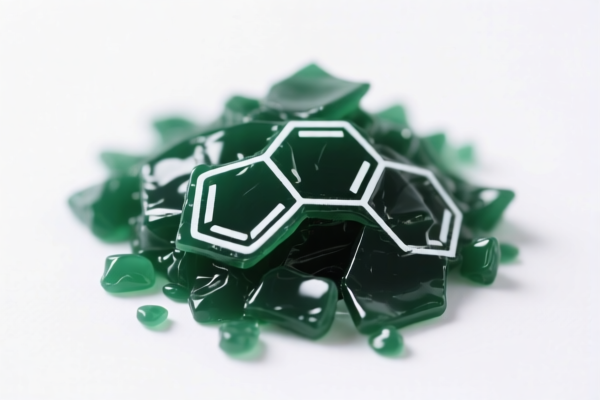
AI分析
🌲 Turpentine Cleaner Raw Material: HS Code Classification & US Customs Clearance Guide
🌐 HS Code Reference & Clearance Strategy | 2026 Latest Tariff Analysis | Professional Compliance Guide
📌 I. Product Definition & Classification: What Exactly is "Turpentine Cleaner Raw Material"?
Turpentine-based products are derived from the distillation of tree resins (primarily pine trees). In international trade, the classification depends heavily on the chemical composition, purity, and intended application (e.g., industrial cleaning vs. chemical intermediate).
For the input "Turpentine Cleaner Raw Material," we must distinguish between: 1. Raw Chemical Extracts: Primary chemical forms obtained directly from distillation (used as raw materials for further manufacturing). 2. Industrial Formulations/Preparations: Mixtures containing turpentine combined with other solvents or additives, designed for specific cleaning or industrial uses.
⚠️ Key Distinction Point:
- If the product is pure turpentine oil or a primary extract intended as a chemical intermediate → It falls under Chapter 38, Heading 3805 (Wood Spirits/Turpentine).
- If the product is a mixture/formulation (e.g., combined with hydrocarbons, alcohols, or other solvents) used as a cleaning agent or industrial preparation → It falls under Chapter 38, Headings 3814 (Organic Solvent Mixtures) or 3824 (Other Chemical Preparations).
- If the product is specifically an electronic cleaner containing aromatic substances → It may fall under 3814 due to specific solvent classifications.
📦 II. HS Code Classification Details (Based on Provided Data)
| HS Code | Product Description | Applicable Scenario | Chemical Nature |
|---|---|---|---|
3805.10.00.00 |
Turpentine Extract | Primary chemical form from wood spirits; produced via distillation or processing | Pure/Primary Extract |
3814.00.10.00 |
Turpentine Electronic Cleaner | Organic composite solvent/diluent for electronics; contains aromatic substances | Formulated Solvent Mix |
3814.00.20.00 |
Turpentine Electronic Cleaner | Organic solvent/diluent containing aromatic substances | Formulated Solvent Mix |
3824.99.93.30 |
Turpentine Antifoam Agent Raw Material | Chemical product/preparation; material is a mixture of organic solvents | Chemical Preparation/Mix |
3824.99.93.10 |
Turpentine Antifoam Agent Raw Material | Industrial preparation; composition is a mixture of hydrocarbons/alcohols | Chemical Preparation/Mix |
🔍 Key Insight:
- 3805.10.00.00 is the most "basic" form (raw turpentine).
- 3814.00.10.00 / 3814.00.20.00 are for cleaning formulations involving aromatics.
- 3824.99.93.10 / 3824.99.93.30 are for industrial chemical preparations (e.g., antifoam agents) where turpentine is a component of a complex mixture.
💰 III. 2026 Latest Tariff Rate Breakdown (Including Surcharges)
✅ Applicable Country: United States (US)
✅ Country of Origin: China (CN)
✅ Effective Date: Tariffs apply to imports from China.
🎯 1. 3805.10.00.00 —— Turpentine Extract (Wood Spirits)
| Item | Detail |
|---|---|
| Base Tariff | 5.0% |
| Section 301 Surcharge | 25.0% |
| Section 122 Surcharge | 10.0% |
| Total Tariff Rate | 40.0% |
| Tax Calculation | CIF Value × 40% |
| De Minimis Exemption | ❌ Not Eligible (High tariffs block de minimis benefits for Chinese goods) |
| Legal Basis | Section 301 Tariff List; Section 122 Authority |
📌 Explanation:
- Base Tariff (5%): Standard MFN rate for wood spirits.
- Section 301 (25%): Additional tariff imposed under US Trade Act Section 301 for Chinese products.
- Section 122 (10%): Additional tariff under Section 122 of the Trade Expansion Act (often applied to certain chemical/industrial goods).
- Total: 40% is a significant cost factor for pure turpentine imports.
🎯 2. 3814.00.10.00 & 3814.00.20.00 —— Turpentine Electronic Cleaners (Aromatic Solvent Mixtures)
| Item | Detail |
|---|---|
| Base Tariff | 6.5% |
| Section 301 Surcharge | 25.0% |
| Section 122 Surcharge | 10.0% |
| Total Tariff Rate | 41.5% |
| Tax Calculation | CIF Value × 41.5% |
| De Minimis Exemption | ❌ Not Eligible |
| Legal Basis | Section 301 Tariff List; Section 122 Authority |
📌 Explanation:
- These codes are for organic solvent mixtures.
- The base rate (6.5%) is slightly higher than pure turpentine (5.0%) due to the "prepared/mixed" nature.
- Total: 41.5% applies to both subheadings. This is critical for electronic cleaning products.
🎯 3. 3824.99.93.10 & 3824.99.93.30 —— Turpentine Antifoam Agent Raw Materials (Chemical Preparations)
| Item | Detail |
|---|---|
| Base Tariff | 5.0% |
| Section 301 Surcharge | 25.0% |
| Section 122 Surcharge | 10.0% |
| Total Tariff Rate | 40.0% |
| Tax Calculation | CIF Value × 40% |
| De Minimis Exemption | ❌ Not Eligible |
| Legal Basis | Section 301 Tariff List; Section 122 Authority |
📌 Explanation:
- These codes cover chemical preparations not elsewhere specified.
- Despite different chemical natures (hydrocarbons/alcohols vs. organic solvent mixtures), the tariff burden is identical (40%).
- Common for industrial additives where turpentine is a secondary component.
🛠️ IV. Customs Clearance Practical Advice (Real-World Pitfall Guide)
✅ 1. Documentation Checklist (Non-Negotiable)
| Document | Required? | Purpose |
|---|---|---|
| ✅ Safety Data Sheet (SDS) | ✔️ | Crucial for chemicals. Must indicate flammability, composition, and hazmat class. |
| ✅ Commercial Invoice | ✔️ | Must clearly state "Turpentine [Type]" and HS Code. Vague terms like "Chemical Mix" will cause delays. |
| ✅ Certificate of Origin (CO) | ✔️ | To verify origin as China (triggers 301/122 tariffs). |
| ✅ Product Specification Sheet | ✔️ | To prove whether it is "pure extract" (3805) or "mixture" (3814/3824). |
| ✅ Import Security Filing (ISF) | ✔️ | Must be filed 24 hours prior to loading. |
| ✅ Phenol Formulation Disclosure | ✔️ | If applicable, disclose all components to avoid FDA/EPA compliance issues. |
✅ 2. Declaration Tips (Key Rules)
🔥 “Know Your Chemical Form: Pure, Mixed, or Prepared!”
| Scenario | Correct HS Code | Wrong Code Risk |
|---|---|---|
| Pure Turpentine Oil (distilled from pine) | 3805.10.00.00 |
Misclassifying as 3824 may lead to audit. |
| Electronic Cleaner (contains aromatics + turpentine) | 3814.00.10.00 / 3814.00.20.00 |
Using 3805 ignores the "mixture" aspect → Penalty Risk. |
| Antifoam Agent (turpentine + hydrocarbons) | 3824.99.93.10 / 3824.99.93.30 |
Using 3814 may be rejected if not primarily a solvent. |
| Generic "Chemical Mix" | Unknown | HIGH RISK: Customs will reclassify and assess highest possible tariff + penalties. |
📌 Critical Reminder:
- Do NOT use generic terms like "Turpentine Cleaner" without specifying the chemical nature.
- If it’s an electronic cleaner, emphasize "Aromatic Solvent" in the description.
- If it’s an industrial preparation, specify the function (e.g., "Antifoam Agent").
✅ 3. Special Considerations
| Issue | Handling Strategy |
|---|---|
| Hazmat Classification | Turpentine is typically Class 3 Flammable Liquid. Ensure IMDG/IATA compliance for shipping. |
| Section 122 Tariff | This 10% surcharge is often overlooked. Ensure your broker applies it correctly to avoid underpayment. |
| EPA/FDA Regulations | If used in food processing or cosmetics, additional EPA/FDA approvals are needed beyond customs clearance. |
| Country of Origin Marking | Clearly mark "Made in China" on packaging to avoid Section 301 disputes. |
🌍 V. Global Market Comparison (2026 Snapshot)
| Country/Region | Recommended HS Code | Tariff Burden | Key Compliance |
|---|---|---|---|
| 🇺🇸 USA | 3805.10.00.00 / 3814.00.10.00 / 3824.99.93.x0 |
40.0% - 41.5% | SDS, Section 301, Section 122 |
| 🇨🇳 China | 3805.10.00.00 |
~5-6% | HS Code consistency |
| 🇪🇺 EU | 3805.11.00 |
~0-2% + VAT | REACH Registration required |
| 🇯🇵 Japan | 3805.90.00 |
~0-5% | Fire Control Law compliance |
📌 Conclusion:
- USA has the highest barrier due to combined Section 301 (25%) and Section 122 (10%) tariffs.
- EU and Japan have lower tariffs but stricter chemical registration (REACH, fire laws).
- Cost-Saving Tip: For US imports, ensure the chemical composition is accurately described to avoid misclassification penalties, which can exceed the tariff difference.
📌 VI. Common Errors & Pitfalls (Lessons Learned)
❌ Error 1: Declaring "Turpentine Cleaner" as "General Chemicals" (HS 3899)
👉 Consequence: Customs may reclassify to the correct heading, delaying shipment by 2-4 weeks and imposing penalties.
❌ Error 2: Ignoring the Section 122 Tariff (10%)
👉 Consequence: Underpayment of duties → Back taxes + Interest + Penalties. Always verify if Section 122 applies to your specific chemical mix.
❌ Error 3: Failing to provide a SDS
👉 Consequence: CBP may hold the cargo for hazmat review. If the SDS is missing or inconsistent with the HS code, the shipment can be rejected.
❌ Error 4: Misclassifying Electronic Cleaners as Pure Turpentine
👉 Consequence: Using 3805 for a mixture (3814) may seem to save 1.5%, but if audited, it’s considered fraud. The correct code (3814) has a higher base rate (6.5% vs 5.0%), but the total (41.5% vs 40%) is only slightly higher. Accuracy is key.
✅ Correct Approach:
"Turpentine Electronic Cleaner, Aromatic Solvent Mixture, 100% Natural Turpentine Base, Class 3 Flammable Liquid, SDS Attached, HS 3814.00.10.00"
🎯 VII. Conclusion: Precision Classification, Smooth Clearance!
🎯 Remember the Rules:
🔹 "Pure is 3805 (40%), Mixed Solvent is 3814 (41.5%), Prep is 3824 (40%)."
🔹 "301 + 122 = 35% Surcharges. Base + Surcharges = Total Cost."
🔹 "SDS is Mandatory. No SDS = No Clearance."
📌 Pro Tip:
If your product is a complex mixture, consider applying for a Binding Ruling (CBP Ruling) before shipping. This locks in the HS code and tariff rate, preventing disputes at customs.
📣 Immediate Action:
📞 Consult a licensed customs broker
📄 Prepare SDS and Certificate of Origin
🔍 Verify Section 122 applicability
🚀 Ensure smooth, compliant, and cost-effective clearance!
✨ Professional Clearance Starts with Accurate Classification!
💼 Every percentage point matters in chemical imports!
用户评价
关于 HS 编码归类
协调制度(HS)是由世界海关组织(WCO)制定的国际贸易商品分类标准。全球 200 多个国家采用 HS 系统作为海关关税、贸易统计和进出口监管的基础。
每个 HS 编码遵循以下层级结构:
- 章(2 位)——商品大类(例如:第 84 章:机器和机械设备)
- 品目(4 位)——章内的更具体分类
- 子目(6 位)——国际通用细分,所有 WCO 成员国统一使用
- 本国细分(8-10 位)——各国自行扩展的细分编码,如美国 HTSUS 10 位编码
正确的 HS 编码归类对于顺利通关、准确缴纳关税和遵守贸易法规至关重要。错误归类可能导致海关延误、多缴关税或罚款。
从CN进口到US时,适用的关税税率可能包括:
- 最惠国(MFN)税率——适用于 WTO 成员国的标准关税税率
- 普通税率——适用于无贸易协定国家
- 贸易救济关税——附加关税,如 301 条款(反倾销)、232 条款(国家安全)或反补贴税
本页内容仅供参考。如需正式归类,请咨询当地海关或持牌报关代理。