U shaped Can Opener
CN → US| HS编码 | 关税税率 | 原产国 | 目的国 | 文档 |
|---|---|---|---|---|
| 7323915040 | 15.3% | CN | US | 官方文档 |
| 7323999080 | 88.4% | CN | US | 官方文档 |
商品图片
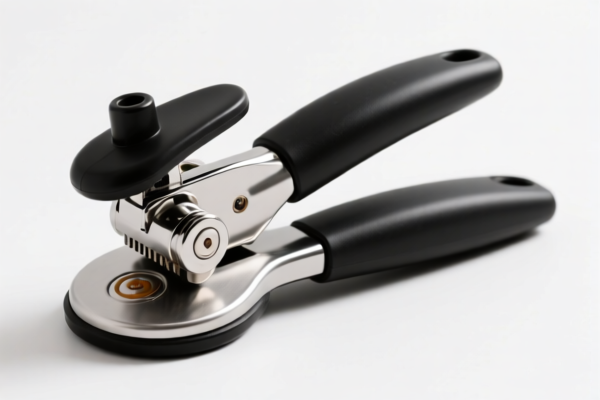
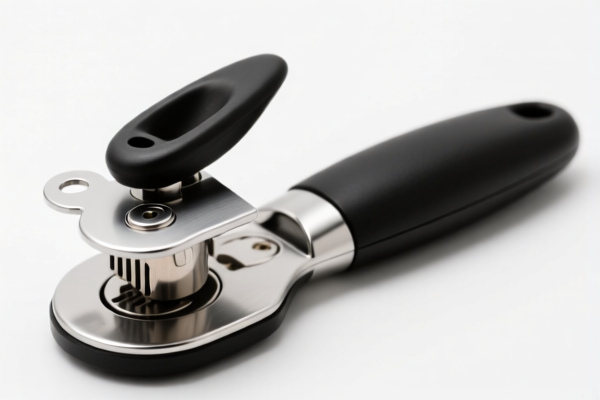
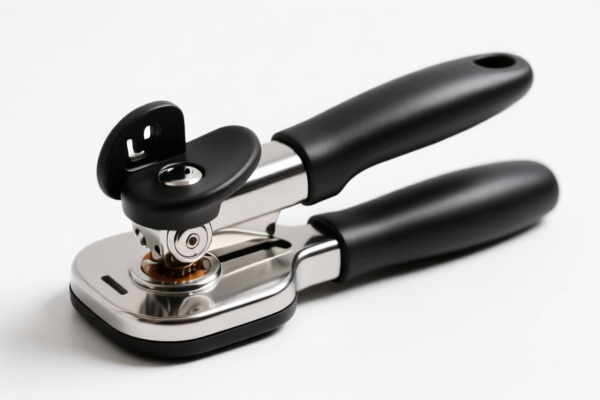
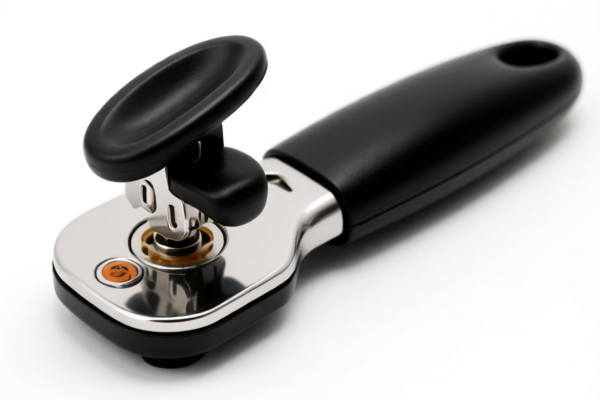
AI分析
🔪 U-Shaped Can Opener (The "J-Plane" / "Pull-Tab" Style)
🌐 HS Code Reference & Clearance Guide | 2024/2025 Latest Tariff Analysis | Professional Strategy
📌 I. Product Definition & Classification: Do You Really Understand "U-Shaped Can Openers"?
A U-shaped can opener, often referred to in the industry as a "Pull-Tab Opener," "J-Plane Opener," or "Safety Tip Opener," is a manual kitchen tool designed to puncture and peel back the rim of a metal can. Unlike traditional rotary openers, it relies on a specific U-shaped blade geometry to cut the side seam of the can lid.
In international trade, these items fall strictly under Chapter 73 of the HS Code system. They are categorized not as "tools" in the mechanical sense, but as "Table, kitchen, or other household articles... of iron or steel."
⚠️ Critical Distinction Point:
- Material Composition: Must be primarily Iron or Steel (cast, forged, or stamped). If the body is plastic with only a small steel blade, classification may shift to Chapter 39 (Plastics), but most commercial U-shape openers are fully steel.
- Function: It is a household utensil. It is NOT a part of a machine (like an electric can opener).
- Finish: Is it enameled? Plated? Coated? This drastically affects the HS Code sub-heading.
📦 II. HS Code Classification Details (Based on Provided Data)
Based on the specific dataset provided, here are the two primary classifications for U-shaped can openers, depending on their material finish and manufacturing method.
| HS Code | Product Description | Application Scenario | Key Identifier |
|---|---|---|---|
7323.91.50.40 |
Cast Iron, Not Enameled | Heavy-duty, rough-finish steel openers; industrial or vintage-style tools | ✅ Cast Iron ✅ No Enamel |
7323.99.90.80 |
Other, Not Coated/Plated with Precious Metal | Standard stamped steel or forged steel openers; common consumer-grade tools | ✅ Not Cast Iron ✅ Basic Steel/Iron |
🔍 Deep Dive Explanation: 1.
7323.91.50.40: This code applies if the can opener is made of cast iron (a brittle, high-carbon iron casting process) and is not enameled (no glass coating). This is a niche category for specific heavy-duty or rustic-style openers. 2.7323.99.90.80: This is the "Other" bucket for standard iron or steel articles. Most U-shaped can openers found in supermarkets are stamped or forged steel, not cast. Since they are not plated with precious metals (gold/silver) and are not coated/enameled, they fall here.
💰 III. 2024/2025 Tariff Rate Detail Analysis (High-Cost Alert!)
✅ Applicable Country: United States (US)
✅ Origin: China (CN)
✅ Impact: Extremely High Tariffs due to Section 301 and IEEPA measures.
🎯 1. 7323.99.90.80 —— Standard Steel/Iron Can Opener (Most Common)
| Item | Content |
|---|---|
| Base Tariff Rate | 3.4% (Ad Valorem) |
| Additional Tariff (Section 301) | +25.0% |
| Additional Tariff (Steel/Aluminum/Copper) | +50.0% |
| Total Tariff Rate | 78.4% |
| Tax Calculation | CIF Value × 78.4% |
| De Minimis Eligibility | ❌ NO (Denied for most de minimis claims under current enforcement) |
| Legal Path | HTSUS:7323.99.90.80 → Section 301 Footnote → IEEPA Steel Measures |
📌 Explanation:
- This is the standard consumer-grade can opener.
- The 78.4% rate is devastating for margin. It combines the standard 3.4% MFN rate, a 25% Section 301 tariff (generic China goods), and a massive 50% additional duty specifically targeting steel/aluminum products imported from China.
- Do not ignore this. A $10 can opener costs $7.84 in tax alone at the border.
🎯 2. 7323.91.50.40 —— Cast Iron, Not Enameled
| Item | Content |
|---|---|
| Base Tariff Rate | 5.3% (Ad Valorem) |
| Additional Tariff | 0.0% (Based on provided data snippet) |
| Total Tariff Rate | 5.3% |
| Tax Calculation | CIF Value × 5.3% |
| De Minimis Eligibility | ❓ Check Specific Footnotes (Generally low risk if correctly classified as "Cast Iron" and not "Steel" subject to Section 301 steel tariffs) |
| Legal Path | HTSUS:7323.91.50.40 |
📌 Explanation:
- If your product is genuinely cast iron (not stamped steel), it may avoid the 78.4% penalty.
- Risk: Customs may challenge "Cast Iron" vs. "Steel" classification. If they reclassify it as steel, you owe the 78.4%.
- Note: The provided data shows "0.0%" additional tax for this code. Verify this with a customs broker, as "Cast Iron" is often still subject to broader steel tariffs depending on the specific product list updates.
🛠️ IV. Clearance Practical Advice (Avoiding Pitfalls)
✅ 1. Required Documentation Checklist
| Document | Mandatory? | Description |
|---|---|---|
| ✅ Product Photo | ✔️ | Clear view of the U-shape blade, handle, and any brand markings. |
| ✅ Bill of Materials (BOM) | ✔️ | Specify: "Forged Steel" vs. "Cast Iron". Crucial for Code 7323.91 vs 7323.99. |
| ✅ Commercial Invoice | ✔️ | Must state: "U-Shaped Manual Can Opener, Steel, Household Use, No Electrical Components". |
| ✅ Material Certificate | ✔️ | To prove "Cast Iron" vs. "Steel" if claiming the lower 5.3% rate. |
| ✅ Country of Origin | ✔️ | CN (China) triggers the 78.4% rate. |
✅ 2. Declaration Strategy
🔥 Key Mantra:
"Material Defines Code; Finish Defines Rate; Steel Triggers Penalty!"
| Scenario | Correct Declaration | Wrong Declaration | Consequence |
|---|---|---|---|
| Standard Steel Opener | HS: 7323.99.90.80Desc: "Steel Can Opener" |
HS: 8205.59.00.00 (Tools) |
Wrong Code. Tools have different tariffs. Penalties for misclassification. |
| Cast Iron Opener | HS: 7323.91.50.40Desc: "Cast Iron Can Opener, Not Enameled" |
HS: 7323.99.90.80 |
Overpaying taxes (5.3% vs 78.4%) – but risky if not truly cast iron. |
| Plastic-Handle Steel Blade | HS: 7323.99.90.80 |
HS: 3924.10.00.00 (Plastic) |
Illegal. Steel components determine Chapter 73 for utensils. |
✅ 3. Special Case Handling
| Situation | Advice |
|---|---|
| OEM/Private Label | Ensure the invoice lists the generic name ("Can Opener") and not a brand that might trigger anti-dumping checks. |
| Gift Sets (Can Opener + Jar) | Declare separately. The can opener is 7323.99.90.80. The glass jar is 7013.... Do not bundle under one code. |
| "Stainless Steel" | If it is stainless steel, it is still 7323.99.90.80 (unless enameled/plated). It does not escape the 78.4% tariff. |
🌍 V. Global Market Comparison (2024/2025)
| Country/Region | Recommended HS Code | Tariff Rate | Certification | Notes |
|---|---|---|---|---|
| 🇺🇸 USA | 7323.99.90.80 |
78.4% | FDA (Food Contact) | High Risk. 78.4% makes US import very costly. |
| 🇨🇳 China | 7323.99.90.80 |
~5-6% | N/A | Low tariff for imports into China. |
| 🇪🇺 EU | 7323.99.90 |
~3-5% | LFGB / EU 10/2011 | No massive Section 301 equivalent. Much more favorable. |
| 🇬🇧 UK | 7323.99.90 |
~3-5% | UKCA / Food Standards | Post-Brexit rules apply, but generally lower than US. |
| 🇦🇺 Australia | 7323.99.90 |
5% | SAA / Food Standards | Moderate tariff, no punitive additions. |
📌 Conclusion:
- The USA is the most expensive market for U-shaped can openers due to the 78.4% combined tariff.
- If your target market is the US, consider supply chain diversification (e.g., manufacturing in Vietnam, Mexico, or Thailand) to avoid China-origin penalties.
- Alternatively, explore if the product can be classified as "Cast Iron" (5.3%) if structurally possible, but ensure strict compliance to avoid reclassification.
📌 VI. Common Mistakes & Pitfalls (Blood & Tears)
❌ Mistake 1: Declaring as "Tools" (8205)
👉 Consequence: Customs rejects it. Kitchen utensils of steel are 7323, not 8205. Misclassification leads to seizure or heavy fines.
❌ Mistake 2: Ignoring the "Steel" Tariff
👉 Consequence: Assuming 3.4% tax. Reality: 78.4%. Your profit margin is wiped out instantly.
❌ Mistake 3: Confusing "Cast Iron" with "Steel"
👉 Consequence: Claiming 5.3% for a stamped steel opener. Customs audit reveals it’s steel → Back taxes + 78.4% penalty + interest.
✅ Correct Approach:
"U-Shaped Manual Can Opener, Forged Carbon Steel, Black Finish, Household Kitchen Use, Model XYZ, Made in China"
🎯 VII. Conclusion: Strategic Cost Optimization
🎯 Remember the Mantra:
🔹 "Steel Can Opener to USA = 78.4% Tax"
🔹 "Cast Iron = 5.3% (But Prove It!)"
🔹 "Plastic Parts Don't Save You from Steel Tariffs"
📌 Pro Tip:
If you are importing into the USA, calculate the landed cost with 78.4% tax.
- If the product cost is $1.00, the tax is $0.78.
- Consider sourcing from non-China origins (e.g., Vietnam) to reduce tax to ~0-3%.
- Or, negotiate with suppliers to absorb the tariff cost.
📣 Immediate Action:
📞 Consult a Customs Broker: Confirm if your specific "U-Shaped" design is truly "Cast Iron" (for 5.3%) or "Steel" (for 78.4%).
📄 Update Cost Models: Factor in 78.4% if sourcing from China.
🚀 Diversify Supply Chain: Look for "China + 1" strategies to mitigate tariff risks.
✨ Professional Clearance Starts with Accurate Classification!
💼 Your Margin Depends on This 78.4% Decision!
用户评价
关于 HS 编码归类
协调制度(HS)是由世界海关组织(WCO)制定的国际贸易商品分类标准。全球 200 多个国家采用 HS 系统作为海关关税、贸易统计和进出口监管的基础。
每个 HS 编码遵循以下层级结构:
- 章(2 位)——商品大类(例如:第 84 章:机器和机械设备)
- 品目(4 位)——章内的更具体分类
- 子目(6 位)——国际通用细分,所有 WCO 成员国统一使用
- 本国细分(8-10 位)——各国自行扩展的细分编码,如美国 HTSUS 10 位编码
正确的 HS 编码归类对于顺利通关、准确缴纳关税和遵守贸易法规至关重要。错误归类可能导致海关延误、多缴关税或罚款。
从CN进口到US时,适用的关税税率可能包括:
- 最惠国(MFN)税率——适用于 WTO 成员国的标准关税税率
- 普通税率——适用于无贸易协定国家
- 贸易救济关税——附加关税,如 301 条款(反倾销)、232 条款(国家安全)或反补贴税
本页内容仅供参考。如需正式归类,请咨询当地海关或持牌报关代理。